
The Blog

The Ultimate Chengdu Itinerary: Pandas, Peppers & Pandemonium
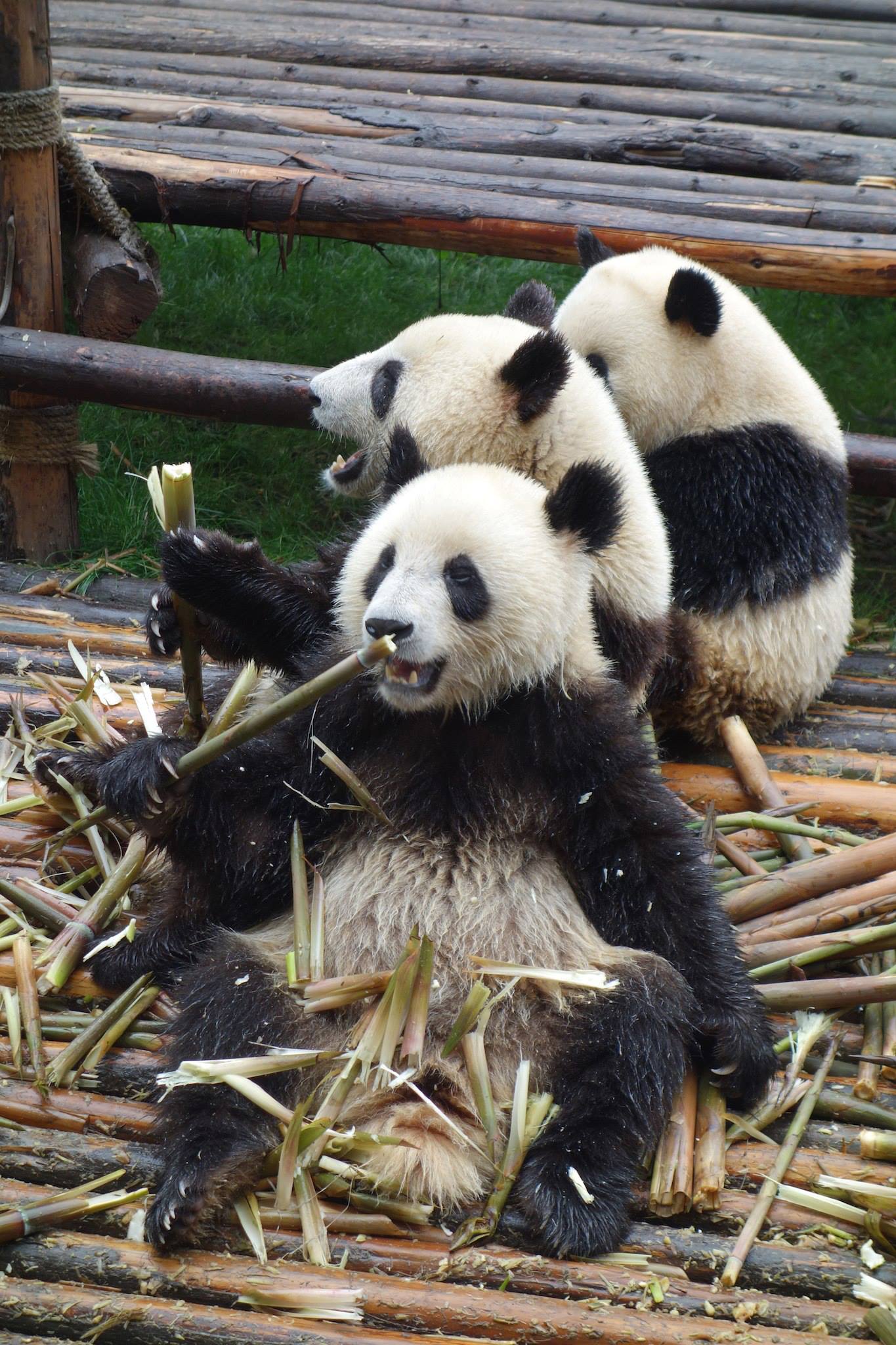
Most people come to Chengdu for the pandas. And fair enough, those monochrome fluffballs are the Beyoncé of the animal kingdom. But what they don’t tell you is that Chengdu will sneak up on you. One minute you’re cooing at a baby panda doing yoga in a tree, and the next you’re sweating through your eyeballs because you underestimated a single Szechuan peppercorn.
This Chengdu itinerary is for travellers who like their adventures with a side of spice, soul, and mild confusion. Because Chengdu isn’t just a panda pit stop, it’s a full-on sensory experience. A place where tea houses hum with gossip, grandmas dominate dance floors in the park, and every meal might just change your relationship with your taste buds forever.
Whether you’re here for 48 hours or a leisurely week, I’ll walk you through how to see the best of Chengdu, from the iconic Panda Research Base to street food that will both delight and mildly traumatise you. We’ll throw in a few scenic escapes, some ethical travel advice, and enough mishaps to make you feel better about your own.
Ready to explore the city that raised the world’s laziest bear and the world’s spiciest broth?
Let’s dive into your very own Chengdu itinerary, awkward chopstick moments, accidental charades, and all.
Disclaimer! All of my blogs may contain affiliate links. This means that if you click on the link and make a purchase I may receive a small amount of commission for the referral at no extra cost to you. This commission is what allows me to continue creating guides to help travellers plan their next trip!

What's in this post:
Where is Chengdu & How Do You Get There?
Chengdu is the capital of Sichuan province in southwest China, aka the land of giant pandas, tongue-numbing peppercorns, and chaotic street crossings where nobody technically has right of way, but somehow everyone survives.
Geographically, it sits in a bowl-shaped basin (hello humidity!) and serves as a major gateway to Tibet and Western China. But don’t let the panda posters fool you, Chengdu is a sprawling metropolis of over 16 million people, complete with skyscrapers, mega malls, peaceful parks, and historic alleyways. It’s as much a modern marvel as it is a cultural treasure.
How to Get to Chengdu
- By Air: Chengdu Tianfu International Airport (TFU) is brand new, massive, and shiny. Think Blade Runner with hotpot. It’s about an hour’s drive from the city centre. There’s also the older Shuangliu Airport (CTU), which still handles many domestic flights.
- By Train: China’s high-speed rail is a marvel, and you can reach Chengdu from cities like Xi’an, Chongqing, and Kunming in just a few hours. If you’re arriving from Beijing or Shanghai, expect a longer but very scenic ride.
- By Bus: Technically yes, but unless you’re on a super-budget or enjoy spiritual tests of endurance, I’d recommend train or plane over long-distance buses.

Visas & Travel Tips
- Most nationalities will need a Chinese visa in advance, which requires a visit to the local Visa Centre, so plan early.
- Install WeChat and Alipay (they run the country), and download VPN software before you arrive, as many Western apps (Google, Instagram, etc.) are blocked.
- English isn’t widely spoken, but gestures, smiles, and screenshots go a long way. You’ll also become weirdly good at miming “no chilli.”
Must do things in Chengdu
Before I walk you through the perfect Chengdu itinerary, let’s set the scene with a rapid-fire look at the city’s must-dos. These are the big hitters, the ones people fly halfway across the world for, sweat through their T-shirts for, and occasionally cry into their hot pot over. You won’t want to miss them (except maybe the lotus seed sticks… proceed with caution).
Here’s what to put at the top of your Chengdu bucket list:
Giant Panda Breeding Research Base
Chubby, clumsy, and cuter than your baby niece, the unofficial poster children of Chengdu. Arrive early for maximum panda antics.

Szechuan Hot Pot Experience
A steaming cauldron of oil, mystery meat, and regret. Also joy. But mostly regret (until your face stops tingling). You can read what happened to me here!
Szechuan Cooking Class
Spice things up in the kitchen and impress future dinner guests with legit Kung Pao chicken or spicy eggplant.
Jinli Ancient Street
Tacky and touristy in the best possible way. Think ornate lanterns, street snacks, and impulse-purchased panda socks.
People’s Park (Renmin Park)
Come for the bonsai trees and tea pavilions. Stay for the matchmaking aunties, bottle-fed koi, and grannies dominating the dance floor.
Leshan Giant Buddha (day trip)
An ancient marvel standing 71m tall. Go early or go home, those crowds don’t mess around.

Mount Qingcheng
Lush trails, Taoist temples, cable cars, and enough steps to justify that second dessert.
Kuanzhai Alley (Wide and Narrow Alleys)
Historic charm meets commercial chaos. Worth a wander, especially if you like bricks, buns, and boba.
Join a Public Dance Class
Zero judgment, max fun. You’ll never feel more alive or out of sync.
Foot Massage Parlour
Equal parts pain and pleasure. You’ll limp in and float out… or vice versa.
Day 1 of Your Chengdu Itinerary: Pandas, Parks & Playful Chaos
There’s only one correct way to begin your Chengdu itinerary: with a panda. Preferably one doing a backward somersault off a log or eating bamboo like it’s a family-sized bag of Doritos on a hungover Sunday. The Chengdu Research Base of Giant Panda Breeding isn’t just the best place to see pandas in China, it’s a comedy show disguised as a conservation centre.

Get There Early
The base opens at 7:30am, and you want to be through the gates by then. Not because the pandas disappear later (they don’t), but because you’ll get to see them at their most active: breakfast time. This is when the teenage pandas are hosed down, the bamboo buffet is served, and all hell adorably breaks loose.
Tip: Grab a Didi (China’s Uber) around 6:30am to beat the tour groups and the heat. If you can stomach a coffee that early, there’s a café near the entrance.
I’d recommend getting the tickets in advance.
What to Expect Inside
- Teenager Enclosure: Start here. These adolescent fluffballs are absolute menaces, climbing things they shouldn’t, stealing each other’s bamboo, and looking smug about it.
- Baby Pandas: Yes, you will squeal. Yes, you will take 47 identical photos. No, you shouldn’t hold one. They’re wild(ish) animals, not Instagram props.
- Red Pandas: Not actually pandas, but still ridiculously cute. Think raccoon meets fox meets acrobat.
- Butterflies, birds & beautiful landscaping: The whole park is built like a panda spa retreat, think bamboo forests, shady brooks, and zero glass cages. Honestly, even without the pandas, it would still be a dreamy morning stroll.

Let’s Talk Ethics
Skip the panda holding experience. I know, I know, it’s tempting. But wild animals passed from person to person for a selfie? Not exactly conservation goals. Watching them from a respectful distance while they live their chaotic little lives is far more rewarding (and guilt-free).
Midday: Learn to Cook What Will Later Set Your Face on Fire
After spending the morning falling in love with pandas, it’s time to take your taste buds on a rollercoaster they didn’t sign up for. Head to the Szechuan cooking class organized by Travel Sichuan Guide, where you’ll learn to make classics like:
- Kung Pao Chicken (the authentic Sichuan version)
- Sweet & Sour Pork
- Fish-flavoured eggplant (tastes better than it sounds)
- Dumplings that may ruin you for all future dumpling experiences
This isn’t just a cooking session, it’s a full cultural immersion. You’ll begin with a local market visit, touching and sniffing your ingredients before rolling up your sleeves and diving in. Plus, you get to eat everything you make. Win.

Afternoon: Chill in People’s Park (Renmin Park)
People’s Park is like your slightly chaotic but endlessly entertaining aunt; full of surprises and oddly into matchmaking.
Here’s what you might stumble across:
- The Matchmaking Corner: Parents and grandparents publicly advertising their children’s dating profiles on umbrellas. Weirdly touching.
- Dance Classes: Join in with the evening dancers or just admire the dedication of the ladies in neon leggings and sequinned fanny packs.
- Tea Houses: Sit by the lake with a bottomless cup of jasmine or oolong, and maybe even get your ears cleaned (seriously, it’s a thing).
- Bottle-fed Carp: Yes. There are fish. Drinking from bottles. This is not a drill.
Dinner: Your First (Possibly Last) Szechuan Hot Pot
For dinner, head to a local hotspot, preferably one packed with locals and not a single English menu in sight. Order blindly, dip courageously, and brace yourself.
Here’s what not to do:
- Let go of your food in the pot. You will never find it again.
- Touch your eyes after handling the chilli oil. Trust me.
- Try to explain via mime that you’re full, lest the staff think you’re pregnant, ill, or in need of emergency medical attention (true story).

Nightcap Option: Wander Jinli Ancient Street
If you’ve still got the will to walk, Jinli Street is worth a nighttime stroll. Yes, it’s touristy. Yes, there are lanterns everywhere. But it’s still worth a wander. It’s got charm, especially with a stick of grilled mystery meat in hand and the glow of lanterns lighting up the cobbles.
Day 2 of Your Chengdu Itinerary: Culture, Courtyards & Culinary Wins
After surviving hot pot and witnessing baby pandas defy the laws of gravity, Day 2 of your Chengdu itinerary is all about balance: a bit of culture, a dash of charm, and plenty of food (because of course). Today, we slow down, wander deeper, and possibly get lost, but in a poetic, “I meant to do that” kind of way.
Morning: Stroll Through Kuanzhai Alley (Wide and Narrow Alleys)
Start your day with a slow wander through one of Chengdu’s most charming districts: Kuanzhai Alley, a cluster of Qing Dynasty-style lanes with names that are surprisingly literal. “Wide Alley” is for slow strolling, “Narrow Alley” is for boutique browsing, and “Well Alley”… has a well.

Expect:
- Cute courtyards and traditional teahouses
- Instagrammable doorways and handcrafted souvenirs
- The occasional overpriced panda plushie that you may almost buy
Yes, it’s touristy. No, it doesn’t matter. Grab a coffee (or bubble tea) and enjoy the ride.
Tip: If you want to actually understand what you’re looking at (and aren’t fluent in Mandarin or interpretive charades), consider joining a walking tour. A local guide can bring the history to life, and point out which snack stalls won’t wreck your stomach.
Optional Stop: Wuhou Shrine or Sichuan Museum
Depending on your energy (and humidity) levels, dip into some history:
- Wuhou Shrine: A peaceful temple dedicated to Zhuge Liang, one of China’s most famous strategists. Think bonsai trees, red lanterns, and soothing vibes.
- Sichuan Museum: Free, air-conditioned, and full of ancient artefacts and spicy food exhibitions. You’ll learn about the region’s culture, and your sweat glands will thank you.

Lunch: Noodles With a Side of Sass
For lunch, seek out Dan Dan noodles, a Chengdu staple named after the shoulder poles vendors used to carry them.
They’re spicy, savoury, slightly nutty, and come with a punch of attitude.
Where to try them: Chen Mapo Tofu or Long Chao Shou, both local favourites where the menus may not be in English, but the flavours absolutely speak for themselves.
Afternoon: Chill Out (Literally) in a Tea House
You’ve earned a slow afternoon, and Chengdu’s tea culture is the perfect excuse to sit still and do… well, nothing. Locals treat tea like a lifestyle, there’s no takeaway cup here, only thermoses, gossip, and deeply reclined chairs.
Where to go:
- Shufeng Yayun Teahouse in People’s Park: Classical opera performances, ear-cleaning (optional), and a guaranteed seat under a tree
- Heming Teahouse: One of the oldest in Chengdu and still a popular local haunt
Tip: Don’t rush. Order your tea, sink into your plastic chair, and try to out-relax the 83-year-old next to you.

Evening: Attempt Redemption at the Night Market
Tonight, we take on Chengdu’s street food scene again, but this time, with more wisdom (and less fear).
Pro tip: Go with a local food tour if you’re still traumatised from the lotus seed incident (don’t know what I’m on about? Read this!). If not, dive in and try these:
- Chuan Chuan (skewered meats and veggies in spicy broth)
- Rabbit head (yes, it’s a thing. No, I didn’t)
- Fried potatoes with chilli powder (safe and delicious)
- Sticky rice balls or sugar-glazed hawthorn skewers for dessert
Jinli Street is the easiest place to find food, but try Wenshufang for a slightly more local crowd and equally chaotic food stalls.
Optional Nightcap: Chengdu Opera & Face Changing Show
If you’ve still got energy, end the night with something uniquely Chengdu: the Bian Lian (Face Changing) opera performance. It’s dramatic, over-the-top, and very fun. Performers literally change masks mid-performance without touching their faces.
Venues like Shufeng Yayun Teahouse (mentioned earlier) offer nightly shows with snacks and tea included. A cultural flex with a bit of flair.
Day 2 of your Chengdu itinerary ends the way all good days in China should: full belly, slight confusion, and a growing obsession with how people drink so much tea without peeing every 15 minutes.
Day 3 of Your Chengdu Itinerary: Monasteries, Mountains & a Massive Buddha
For the final day of your Chengdu itinerary, it’s time to escape the city’s chaotic charm and breathe in a little mountain air. Whether you’re into Taoist temples tucked into misty forests or jaw-dropping statues carved into cliffs, today’s all about awe.
Option 1: Mount Qingcheng – Taoism, Tranquillity & Just Enough Sweat
Mount Qingcheng (Qīngchéng Shān) is one of the birthplaces of Taoism, and it’s a magical blend of spiritual serenity and photogenic peaks. It’s also surprisingly accessible, just 90 minutes from Chengdu.
Expect:
- Peaceful trails shaded by thick forest
- Ancient Taoist temples tucked into the mountainside
- Cable cars (blessing or betrayal, depending on your fitness goals)
- A lake you can cross by boat like a philosophical gondolier
Tip: If you want a more tranquil route, choose the back mountain trails, less touristy, more nature. Just prepare for more steps and fewer snack vendors.
How to get there:
Take a high-speed train to Qingchengshan Station (~45 mins), then a short taxi or bus to the park entrance. Or book a private tour if you prefer someone else to do the logistics while you focus on channelling your inner monk.

Option 2: Leshan Giant Buddha
If giant statues carved into cliffs are more your thing, then the Leshan Giant Buddha is a must. At 71 metres high, it’s the largest stone Buddha in the world, and his toenail is probably bigger than your whole torso.
The story goes: the statue was built over 90 years to calm the treacherous waters below. Did it work? Kind of. Did it become one of China’s most impressive engineering feats? Definitely.
How to see it:
- By boat: Best for photos, as you get the full view from the water
- By foot: Climb down the cliffside path for an up-close look (and quad workout)
- By both: If you’re ambitious and wearing shoes that don’t hate you
Warning: Crowds can be intense, especially on weekends. Go early, bring water, and manage expectations, this is not a peaceful spiritual moment. It’s a queue with very good scenery.
How to get there: High-speed train from Chengdu East Station to Leshan (~1 hour), then a local bus or Didi to the entrance. Or hop on a full-day guided tour if you’d rather snooze between stops.

Lunch: Whatever’s Local
Whether you’re in Leshan or near Mount Qingcheng, make time for lunch at a small local eatery. Try:
- Bobo Chicken: Chicken on skewers soaked in a cold, spicy broth that’ll sneak up on you like a Szechuan ninja.
- Leshan Sweet Skin Duck: Crispy, sweet, and served with zero explanation
- Cold noodles: You’ll need them after the chilli oil sets in
Don’t expect English menus. Point, smile, and prepare to discover something new… or incredibly spicy.
Evening: Back to Chengdu for a Slow Wind-Down
After a full-on day of climbing, boat-riding, and/or quietly panicking on steep staircases, you deserve a mellow evening back in Chengdu. My suggestion?
- Massage: Foot, full-body, or even a blind massage. Chengdu knows how to pamper tired travellers.
- Teahouse chill: If you didn’t squeeze in a proper tea session on Day 2, now’s your chance.
- Final foodie hurrah: Book a table at a mid-range Szechuan restaurant for a final culinary adventure that doesn’t involve guessing the ingredients.
Bonus: Got More Time?
If you’ve got a 4th day or an extra afternoon, consider adding:
- Dujiangyan Irrigation System: UNESCO site and a marvel of ancient engineering
- Panda Volunteer Experience: Offered at Dujiangyan or Wolong (be sure to vet for ethics!). Having not done it, I can’t personally recommend it.
- Wenshu Monastery: Hidden gem in Chengdu for quiet reflection, pretty architecture, and great vegetarian food

Final Thoughts on Your Chengdu Itinerary
Three days. Endless tea. Twelve near-death experiences via chilli. And at least one panda-shaped existential awakening.
This Chengdu itinerary gives you the perfect mix of chaos and calm, wild pandas, peaceful temples, crowded streets, and quiet alleyways. Whether you came for the fluff or the fire, Chengdu delivers on both.
Now the only question is… where are we going next?
If you plan on visiting the capital, make sure to check out my Beijing itinerary.
Chengdu Itinerary FAQ: You Asked, I Answered
How many days do you need in Chengdu?
Three full days is the sweet spot for most travellers; enough time to see the pandas, eat everything in sight, and escape to the mountains or visit the Leshan Giant Buddha. If you’re on a tight schedule, you can technically do a condensed Chengdu itinerary in 2 days, but your tastebuds (and calves) will thank you for a slower pace.
When is the best time to visit Chengdu?
Spring (March–May) and autumn (September–November) are ideal thanks to mild temps, less rain, and fewer tourists. Summer can be hot and sticky (think walking through soup), and winter can be damp and chilly, though still doable if you don’t mind pandas in the mist.
Is Chengdu safe for solo travellers?
Absolutely. It’s a big city with a relaxed vibe. Locals are friendly, scams are rare, and pickpocketing isn’t a major issue. The only real danger is thinking you can handle the spice level. You can’t. But it’s adorable that you tried.
Can I visit the pandas without a tour?
Yes! You can take a Didi (China’s Uber) to the Chengdu Research Base of Giant Panda Breeding and buy tickets on arrival or online. Get there early (like, sunrise early) to beat the crowds and catch the pandas during breakfast antics. If you’re a wildlife nerd who loves context, a guided tour may still be worth it.
Should I include Chengdu in my China itinerary?
If you like animals, food, culture, tea, nature, people-watching… then yes. Chengdu adds a laid-back, loveable layer to any China itinerary. It’s a softer intro to China than Beijing or Shanghai.
What’s the best way to get around Chengdu?
The metro system is clean, cheap, and has English signage: use it. Didi works well too, and is great for reaching the panda base or hot pot spots when you’re too full to walk. Bring WeChat or Alipay for payment (install and verify before arrival!).
What should I pack for Chengdu?
Chengdu’s weather can be dramatic, think hot and humid, or cool and damp, depending on the season, and the food will have you sweating regardless. Here’s what to bring:
- Light layers – it can go from “I’m melting” to “is this a damp cave?” in minutes
- A small umbrella – for sun and sudden downpours
- Comfy walking shoes – for panda-chasing and alleyway wandering
- Power bank + VPN app – because Google Maps and Instagram don’t work without them
- Toilet paper/tissues – not all public bathrooms come prepared
- Elastic waistband clothing – optional, but you’ll thank me after your third round of hot pot
If you’re planning to visit temples or tea houses, bring something modest and lightweight, especially useful in warmer months when “modest” and “not sweating buckets” are hard to combine.
How do I stay connected in Chengdu?
Ah, connectivity in China, where your phone will work perfectly, but your favourite apps will ghost you. Instagram, WhatsApp, Gmail, Google Maps, Facebook… all blocked. Welcome to the Great Firewall.
Here’s how to stay sane and online:
- Download a VPN before you arrive – ExpressVPN and NordVPN are popular choices. No VPN = no access to most Western apps.
- Get a local SIM or eSIM – Airalo and Holafly both offer eSIMs for China. Use code TRUE with Airalo to get 20% off. Or buy a local SIM at the airport or convenience stores (you’ll need your passport).
- Use WeChat & Alipay – These apps are basically life in Chengdu. From messaging to payments to scanning menus, you’ll use them constantly.
- Offline maps – Download offline maps of Chengdu on Maps.me or Google Maps (before you arrive, while your VPN still works).
- Hotel Wi-Fi ≠ freedom – Even on Wi-Fi, you still need a VPN to access blocked sites.
Set up WeChat Pay or Alipay in advance if you can, or ask your hotel or tour guide to help. It’ll save you from panicking at the hot pot place when you realise they don’t accept card… or cash.
Got questions I didn’t answer? Drop them in the comments, or let me know what surprised you most about Chengdu!

Comments will load here
Be the first to comment