
The Blog

What Every Traveller Should Know About Flight Cancellations
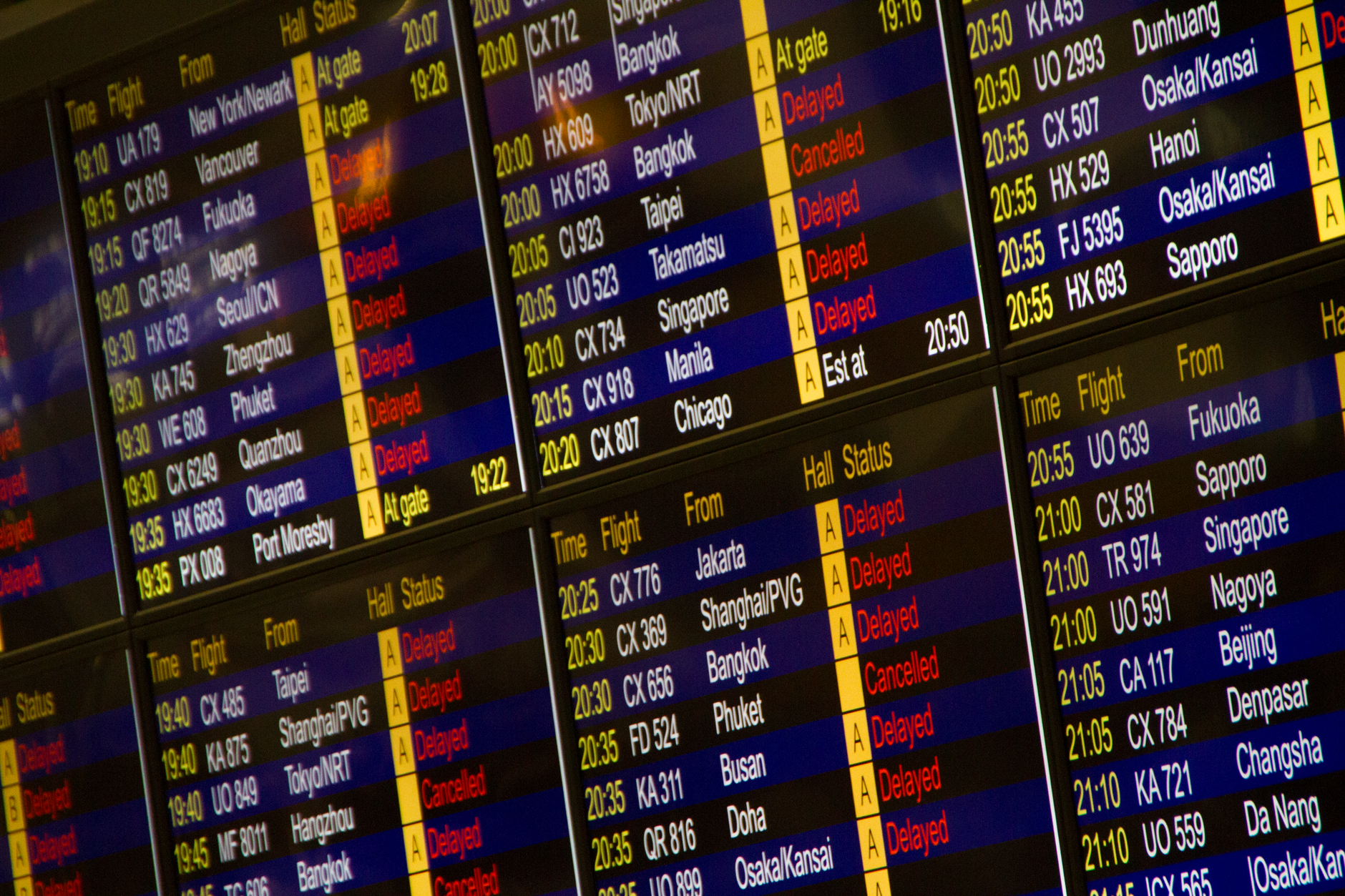
Flight cancellations are part of travel, whether you are flying to a conference in Europe, heading off on safari or trying to get home after a long trip. They are frustrating, inconvenient and occasionally expensive, but they are much easier to deal with when you know what to do before your flight is cancelled.
I learnt this the hard way. I have slept on airport floors, missed onward plans and stood alone in tiny terminals wondering where on earth I was supposed to spend the night. Some cancellations were handled brilliantly. Others were a mess. All of them taught me that calm, prepared travellers usually cope better than lucky ones.
Disclaimer: This post may include affiliate links. If you click on the link and make a purchase, I will receive a small commission at no extra cost to you. Affiliate links help cover the cost of running my website so that I can continue inspiring my readers to explore the world.
What's in this post:
What Every Traveller Should Know About Flight Cancellations
What should you do first if your flight is cancelled?
The worst cancellation I ever had was at Kilimanjaro Airport in Tanzania. My flight was due to leave just after midnight, so I arrived expecting the usual routine: check in, get through security, find somewhere vaguely comfortable and wait to board. Instead, the flight was cancelled before check-in had even opened.
If you have never flown from Kilimanjaro Airport, the problem is that there is almost nothing before security. No cosy café, no proper lounge, no endless rows of shops to wander through at midnight. Just a small airport, a few hard chairs and, in my case, nobody else around.
For a few minutes I genuinely thought I was going to spend the night alone in a plastic chair in a tiny airport where I did not feel particularly safe. It was one of those moments where travel stops feeling adventurous and starts feeling a bit too real. Then the airport staff stepped in.
They walked me through security so I could sleep in the lounge, then came back in the morning and walked me back out through security so I could check in properly. It was kind, practical and completely unexpected. It also taught me the first rule of a cancelled flight: do not panic before you know your options.
Before joining the queue at the airline desk, check your airline app, emails and text messages. Sometimes you have already been rebooked automatically before anyone has made an announcement. If the new flight works, brilliant. If it does not, you can start looking for better alternatives while everyone else is still standing in line.

What are your rights when an airline cancels your flight?
Many travellers assume they simply have to accept whatever the airline offers, but that is not always true. Depending on where you are flying from, where you are flying to and which airline you are travelling with, you may be entitled to a replacement flight, a refund, care while you wait and sometimes compensation.
Care while you wait can include meals, refreshments, hotel accommodation and transport between the airport and hotel if you are stranded overnight. This is separate from compensation. Even when the airline is not at fault for the cancellation, it may still have a responsibility to look after you until you can travel.
The exact rules depend on your route and the reason for the cancellation, so it is worth checking your passenger rights before you travel. Trying to understand legal wording while tired, hungry and surrounded by equally stressed passengers is not ideal. Future you deserves better than that.
Should you accept the first alternative flight?
Not always. Airlines often rebook passengers onto the next available service. But the first option may not be the best one for you. A direct flight the following evening might be less useful than a connecting route that gets you there the same morning, especially if you have plans waiting at the other end.
This is where doing your own quick research helps. Search the airline’s other routes, check nearby airports and look at whether a connection could save time. Then, when you speak to the airline, you can ask for a specific option rather than simply waiting to be told what is available.
If the trip no longer makes sense, a refund might be better than a replacement flight. If you were flying to a wedding, cruise, safari departure or work event and the cancellation means you will miss the reason for travelling, do not automatically accept a new flight without thinking through whether it still helps.

What documents should you keep after a cancellation?
Keep everything. Your boarding pass, booking confirmation, cancellation email, airline app screenshots, text messages, receipts and photos of the departure board can all become useful later. It feels excessive in the moment, but it is much easier than trying to recreate the timeline from memory three weeks later.
I now create a folder on my phone whenever travel goes wrong. Every screenshot goes in there, along with photos of receipts and any message from the airline. It takes less than a minute and saves the faff of hunting through emails, camera roll chaos and WhatsApp messages when you finally sit down to claim.
Receipts matter more than people realise. If you have to pay for food, accommodation, transport or essential items because of a cancelled flight, you may be able to claim those costs back. A card transaction is not always enough. Keep the proper receipt, even if it is for the world’s saddest airport sandwich.
Can you claim compensation for a cancelled flight?
Sometimes, yes. Flight cancellation compensation depends on the route, the airline, how much notice you were given and why the flight was cancelled. If the airline was responsible and the cancellation meets the relevant rules, you may be entitled to financial compensation as well as a refund or rerouting.
For years, I tried to handle compensation claims myself. During my corporate travel days in Europe, flights were cancelled so often that I almost became numb to it. I would start the forms, dig out the documents, send the emails, chase the airline and then, about half the time, give up.
The problem was never that the money was not worth having. It was the admin. The process always seemed to involve one more form, one more missing document or one more vague response from the airline. More recently, I discovered AirHelp, which made the whole experience much less painful.
Instead of trying to work out every rule myself and chase the airline alone, I could check eligibility and let someone else deal with the claim. There is a fee if the claim succeeds, but I would rather receive most of the compensation than abandon a valid claim because I cannot face another round of airline paperwork.

Why was your flight cancelled?
The reason for the cancellation matters. Weather, security concerns, air traffic control restrictions and airport closures are usually treated differently from technical problems, staffing issues or airline operational failures. To passengers, the disruption feels the same. Legally, the cause can make a big difference.
Ask the airline to confirm why the flight was cancelled, ideally in writing. Sometimes the explanation given at the gate is vague because staff are dealing with hundreds of frustrated passengers at once. A written reason can help later if you decide to claim expenses or check whether compensation applies.
It is also worth remembering that a cancellation may be part of a much larger disruption. One cancelled flight can be the result of delays earlier in the day, weather in another country or aircraft being out of position. That does not make it less annoying, but it may explain why answers are not always immediate.
What if you are stranded overnight at the airport?
Ask the airline what accommodation they are providing. Do this as soon as an overnight wait looks likely, not after you have already accepted your fate on the floor beside a charging point. Airlines may provide hotel rooms, meal vouchers and transport, but you often need to ask clearly.
I have slept on the floor at Jomo Kenyatta International Airport in Nairobi on two separate occasions. Airport floors are not designed for sleep, whatever your backpacker friends tell you. The lights stay bright, announcements continue and there is always someone dragging a suitcase past your head at three in the morning.
Those nights taught me to be more direct. Now, if a flight cancellation means I cannot travel until the next day, I ask what hotel is being arranged, how transport will work and whether meal vouchers are available. If I am told to book something myself, I ask how reimbursement works before spending money.

What should you pack in case your flight is cancelled?
Your hand luggage should always contain the things you would be miserable without overnight. For me, that means medication, chargers, a power bank, basic toiletries, clean underwear, a spare top and anything valuable. It is not glamorous, but neither is brushing your teeth with your finger in an airport bathroom.
A refillable water bottle and snacks also help. Cancellations often happen late, when airport cafés are closed or overwhelmed. I have paid far too much money for food I did not even want simply because I was tired and had no better option. A cereal bar can feel heroic at midnight.
Do not put essential medication, documents or valuables in checked luggage. If your suitcase has already disappeared into the baggage system, you may not see it again until the replacement flight. A cancelled flight is irritating. A cancelled flight without your medication, charger or clean clothes is much worse.
How can travel insurance help with flight cancellations?
Travel insurance can be very useful, but only if you know what it covers. Some policies help with missed departures, delays, extra accommodation, abandoned trips or lost connections. Others sound reassuring until you read the exclusions and realise they are about as useful as a chocolate teapot.
Before buying a policy, check the cancellation and disruption sections properly. Pay attention to minimum delay times, documentation requirements and whether missed connections are covered. This matters even more if you are joining a tour, cruise, safari or event where arriving a day late could have serious consequences.
Insurance is not a replacement for airline obligations, and airline obligations are not a replacement for insurance. They work in different ways. The airline may need to reroute you or provide care, while your insurer may help with other losses caused by the disruption. Knowing both sides gives you more options.

How do you stay calm when everyone else is stressed?
Start by accepting that you may not fix everything in the first ten minutes. A cancellation creates instant chaos because hundreds of people suddenly need new plans at the same time. The travellers who cope best are usually the ones who slow down enough to think clearly.
Be polite, but not passive. Ask specific questions: What flight have I been rebooked on? Are there earlier alternatives? Will you provide accommodation? Are meal vouchers available? Can you confirm the reason for cancellation in writing? Specific questions get better answers than frustrated speeches, however justified those speeches may feel.
Also, remember that airport staff are not usually the people who caused the problem. I have had some of my worst travel days rescued by staff who could easily have shrugged and walked away. Kilimanjaro Airport could have been a horrible night. Instead, it became a story about kindness.
What every traveller should know about flight cancellations
What every traveller should know about flight cancellations is that preparation matters long before the departure board turns red. You cannot stop an airline cancelling a flight, but you can know your rights, keep your documents, pack sensibly and make better decisions when plans fall apart.
Flight cancellations are never fun. They can be tiring, expensive and deeply inconvenient, especially when they happen late at night or far from home. But they do not have to ruin your trip. Often, the difference between chaos and control is simply knowing what to ask for.
I have slept on airport floors in Nairobi, stood alone in Kilimanjaro Airport wondering where I would spend the night and lost count of the cancelled flights I dealt with while travelling for work. None of those experiences were enjoyable, but they made me a much better prepared traveller.
So before your next trip, take a little time to understand your passenger rights. Keep essentials in your hand luggage. Save every document. Ask for help early. And if you think you might be entitled to compensation but cannot face the admin, AirHelp can take a lot of that work off your hands.
Because the best travellers are not the ones whose flights never get cancelled. They are the ones who know what to do when they are.

Comments will load here
Be the first to comment