
The Blog

My Octane Rent Review: Why a Convertible in Dubai Was the Experience I Didn’t Know I Needed
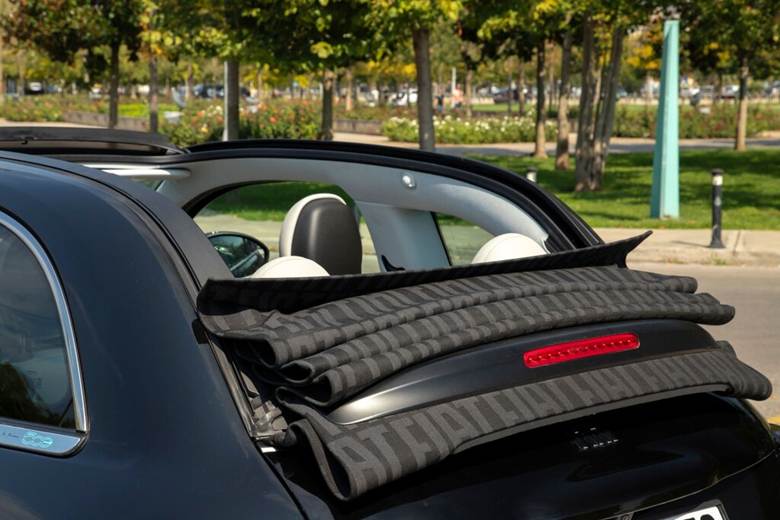
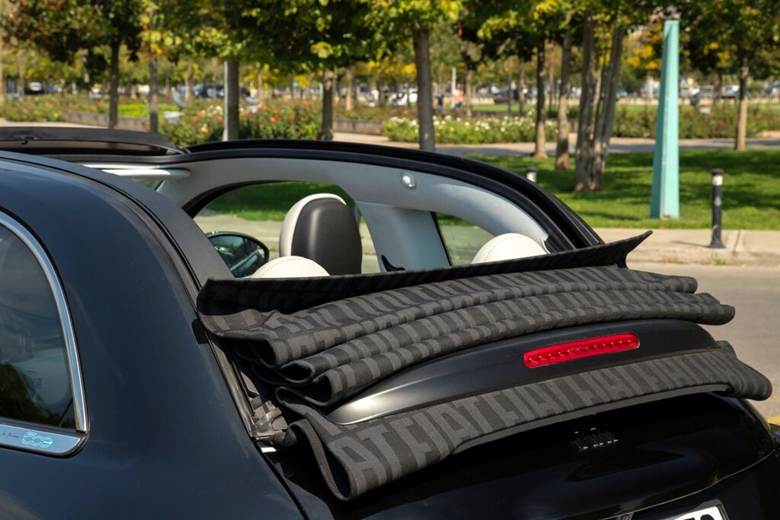
When I left my corporate career two years ago, I made myself a promise: that I would stop experiencing places from behind glass. That I would find ways to feel a destination — the heat, the air, the noise of it — rather than simply observe it from the comfortable distance of air-conditioned transport and choreographed itineraries. Dubai, it turns out, is a city that rewards this kind of commitment.
I had visited Dubai once before, years ago, in the way that you visit a city when you are not yet paying attention. Shopping malls, hotel pools, the observation deck of a tower. The checklist. This time I wanted something different. And the convertible — rented through Octane Rent, with the roof down before I had left the hotel car park — was how I found it.
What's in this post:
The Decision
I had been researching rental options for days. Octane Rent came up consistently with a 4.9 Google rating from over 1,600 verified reviewers, and a no-deposit policy that felt, in the context of Dubai’s rental market, almost unusually honest. I messaged them on WhatsApp at nine in the evening and had a confirmation and a delivery time before I went to sleep.
The convertible arrived at my hotel at seven the following morning. Roof already down by choice — the temperature at that hour was warm rather than oppressive, the air carrying the particular quality of a Gulf morning that you only encounter in the hours before the heat becomes a presence rather than a backdrop. I drove away feeling something I have not always felt in very designed, very managed cities: unscripted.
The full convertible options — from open-top sports cars to soft-top cruisers — are available through Octane Rent convertible car rental Dubai. No deposit. Insurance included. Delivery within 60 minutes.
What the Convertible Revealed
There is a Dubai that the tour buses and the taxis pass through without quite registering. The residential Jumeirah streets, where the frangipani overhangs old coral-and-gypsum walls and the morning call to prayer competes gently with the sound of sprinklers. The stretch of Al Wasl Road in the early morning, wide and quiet and lined with trees that most visitors never drive beneath. The beach road at the point where the Burj Al Arab appears not as a photograph but as an actual object in your actual sky.
All of this is available to anyone willing to drive it. The convertible just removes the final barrier between you and the place. With the roof down, you are not insulated from Dubai — you are inside it. The temperature, the light, the smell of the sea as you approach Jumeirah Beach Road. It is the difference between reading about somewhere and arriving.
The Drives I Will Not Forget
The Palm Jumeirah ring road at half past six in the morning, before the weekend traffic arrived, with the water catching the first proper light on both sides and the Atlantis ahead looking absurd and magnificent in equal measure. I did this twice. The second time I switched the music off.
Al Fahidi — the old quarter near the Creek — which I reached by parking the car at the edge of the neighbourhood and walking in. The contrast between the wind towers and the financial district visible behind them felt, from inside an open-top car on the approach road, like something a filmmaker would have arranged. It was not arranged. It was just geography.
The mountain road to Hatta, which I drove in the late afternoon when the light turned the Hajar mountains into something halfway between earth and fire. This is ninety minutes from Dubai Marina. Most visitors never make it. It requires your own transport and the willingness to leave the city’s gravitational pull.
What I Found
I have driven in 54 countries. Dubai’s roads are among the best I have encountered — wide, well-maintained, sensibly signposted in both Arabic and English, with speed limits that are enforced consistently enough that the traffic moves at a predictable, manageable pace. The Salik toll system is automatic; the charges appeared on my final invoice without any intervention required.
The no-deposit policy from Octane Rent meant I gave no thought to the financial friction of the rental beyond the daily rate itself. That single fact — no money held in suspension on the card, no mental arithmetic about what was locked and what was available — freed something. The car became a tool rather than a responsibility.
For the Traveller Who Wants to Look
Dubai is frequently described as a city of surfaces. I think this is true in the same way that most things worth understanding are true on the surface and more interesting beneath it. The convertible is how you get beneath it. Not metaphorically — literally. Open the roof, drive the residential streets at seven in the morning, find the roads that are not on the itinerary, stop when something catches your eye.
What you will find is a city that was built fast and built deliberately and is not yet finished deciding what it wants to be. That ambiguity, seen from inside a moving open-top car rather than from behind a tour bus window, is one of the more interesting things I have experienced in a long time of looking for interesting things.

Comments will load here
Be the first to comment