
The Blog

How to Plan a Destination Wedding Your Guests Will Actually Enjoy
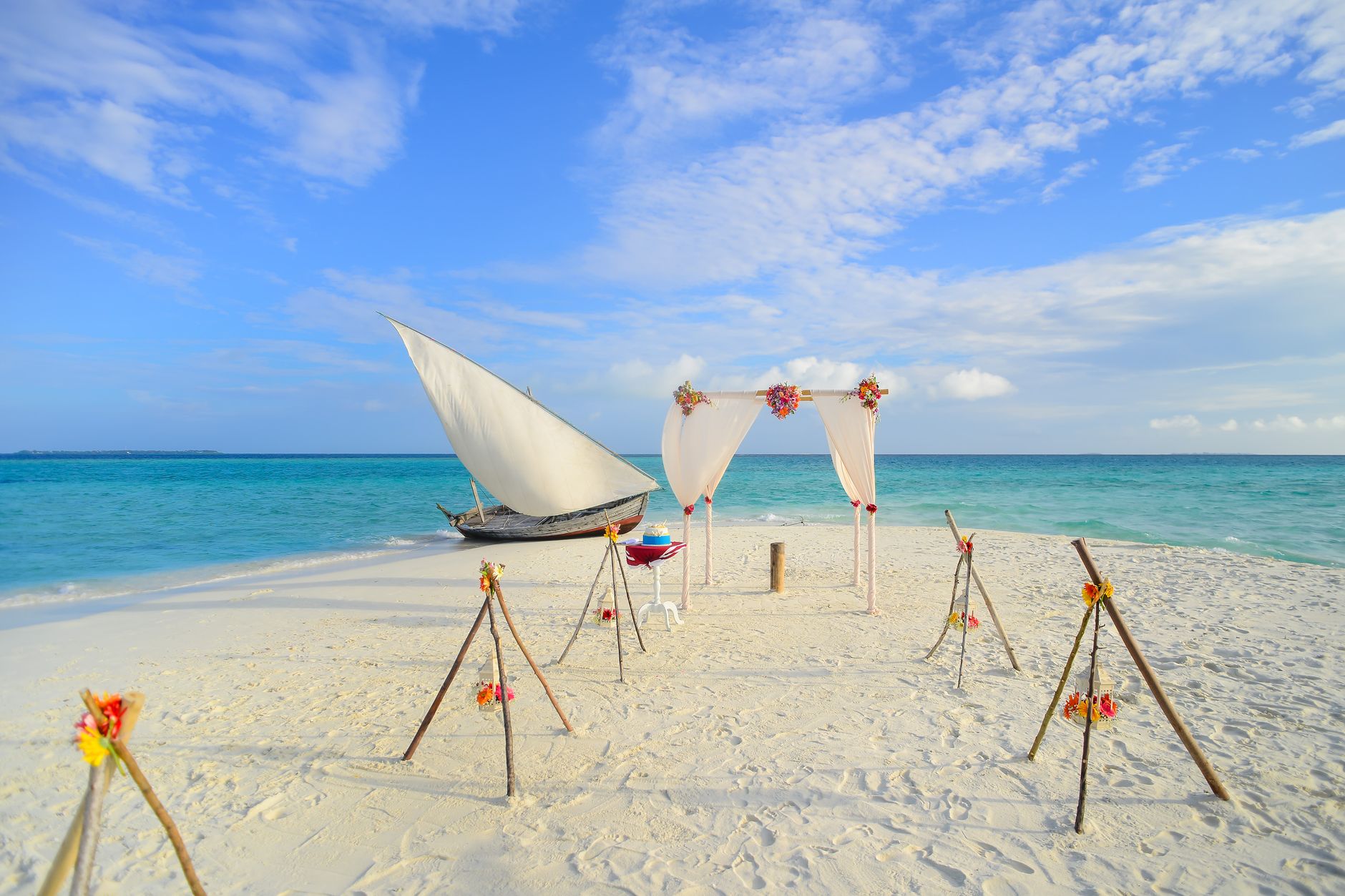
Planning a destination wedding sounds wonderfully romantic. Pick somewhere beautiful, gather your favourite people together and turn one day of celebrations into an entire trip. What could possibly go wrong?
Quite a lot, actually.
Because the moment you ask people to travel for your wedding, you’re no longer planning just a wedding. You’re inadvertently planning a group holiday involving different budgets, annual leave allowances, travel styles and opinions about what constitutes an acceptable departure time.
The best destination weddings recognise that.
They aren’t necessarily the ones with the fanciest venue or most photogenic ceremony. They’re the ones where guests feel that the journey was worth making, the logistics weren’t unnecessarily complicated and they had enough freedom to enjoy the destination for themselves.
So, if you’re considering getting married abroad, here’s how to plan a destination wedding your guests will remember for all the right reasons.

Disclaimer! All of my blogs may contain affiliate links. This means that if you click on the link and make a purchase I may receive a small amount of commission for the referral at no extra cost to you. This commission is what allows me to continue creating guides to help travellers plan their next trip!
What's in this post:
What Makes a Good Destination Wedding Location?
It’s very easy to choose a destination because you love it. After all, it is your wedding. But there’s an important difference between choosing somewhere you’d happily travel to as a couple and somewhere that works when 60 other people need to get there too.
Start with accessibility. How many flights are available? Are they direct from where most of your guests live? Once they land, is the venue another four-hour drive away? Can people arrive independently, or will everyone need taxis, hire cars or organised transfers?
Accommodation matters just as much, particularly if you’re inviting a large group. Before falling in love with a venue, check that there are enough places to stay nearby and options for different budgets. If you’re expecting lots of guests, arranging a hotel block for wedding guests can also make the logistics considerably simpler.
None of those things automatically rule somewhere out. A remote mountain village could be absolutely perfect. Just remember that every additional logistical hurdle increases the cost and time commitment you’re asking your guests to make.
Then consider what else is there.
If people are travelling internationally, ideally you want somewhere worth visiting even without the wedding. Great restaurants, interesting towns, beaches, hiking trails, wineries, cultural attractions or simply somewhere lovely to spend a few lazy days can transform a wedding invitation into an excuse for a genuinely good holiday.

How Much Will Your Destination Wedding Cost Your Guests?
Your wedding budget is only half of the financial equation. There’s also the unofficial guest budget, and it deserves more consideration than it sometimes gets.
Flights, accommodation, airport transfers, meals, outfits, taxis and perhaps childcare can quickly turn a destination wedding into a substantial expense. If guests need to take several days of annual leave as well, attending may involve a bigger commitment than you initially realise.
That doesn’t mean you have to pay for everyone. Most guests understand that accepting a destination wedding invitation means covering at least some travel costs. What matters is giving them enough information to decide whether the trip works for them without feeling awkward about saying no.
Where possible, provide accommodation across several price points and be transparent about additional expenses. If getting from the airport to the venue costs €100 in a taxi, tell people before they land rather than letting that become an unpleasant surprise at arrivals.
And, importantly, try not to take a declined invitation personally. Sometimes people genuinely cannot justify the expense, however much they would love to be there.
When Should You Tell Guests About a Destination Wedding?
As early as reasonably possible.
A local wedding might require a hotel room and one free Saturday. A destination wedding can involve booking flights, requesting annual leave, renewing passports, arranging childcare and turning down other plans.
You don’t need every table decoration decided before sending save-the-dates. Guests initially need the information that affects whether they can attend: the destination, approximate dates and ideally the general area where the wedding will take place.
Once arrangements are confirmed, create one reliable place where everyone can find practical information. Include airports, transport options, accommodation, timings, dress codes and anything guests genuinely need to know.
This also saves you from answering “Which airport am I flying into again?” individually 37 times during the month before your wedding. Although lets face it, some people will still ask!

How Should You Organise Accommodation for Wedding Guests?
Accommodation is one of those things that sounds straightforward until dozens of people start booking it simultaneously.
You might have guests looking for luxury suites, families needing adjoining rooms, couples watching their budget and somebody who has found an apartment 45 minutes away because it was €12 cheaper. Giving people a few clear options makes everyone’s life easier.
For larger weddings, it can also be worth arranging a hotel block for wedding guests so a number of rooms are available in the same place. This can simplify accommodation planning and, depending on your arrangements, make transfers and post-wedding logistics considerably easier too.
That doesn’t mean everyone has to stay together. In fact, offering alternatives at different price points is generally a good idea. But having a main hotel gives guests an obvious option rather than leaving 50 people independently scrolling through hundreds of properties wondering where everybody else is staying.
Before recommending anywhere, check practical details as carefully as you would for your own stay. Distance from the venue matters, but so do transport options, check-in times and whether guests can realistically get home after the celebrations.
Should You Arrange Transport for Your Wedding Guests?
If your venue is somewhere guests can easily walk or take a taxi to, probably not. If you’re getting married at a vineyard 40 minutes into the countryside, it becomes considerably more important.
Think about the journey from a guest’s perspective. They’ve arrived somewhere unfamiliar, may not speak the local language and probably don’t know whether taxis are readily available at midnight. Expecting everyone to work it out individually can create unnecessary stress.
A shared coach or minibus between the main accommodation area and venue is often one of the most useful things you can organise. It also allows everyone to relax during the celebrations without worrying about who is driving home.
Just make the schedule extremely clear. Nobody wants to discover at 11:57 pm that the final bus left at 11:45.
Airport transfers are slightly different. Unless everyone is arriving around the same time, organising individual pickups may become unnecessarily expensive. Instead, provide reliable transfer information and encourage guests arriving on similar flights to coordinate where practical.

How Many Activities Should You Plan Around a Destination Wedding?
Probably fewer than you think.
One of the joys of a destination wedding is having longer with the people you love. A welcome dinner, group excursion or relaxed brunch the following morning can make the experience feel much more special than everyone arriving five minutes before the ceremony and disappearing immediately afterwards.
But there’s a point where thoughtful hosting becomes a compulsory school trip.
Your guests have travelled somewhere interesting, potentially using several days of their annual leave to do it. Give them some time to explore independently, lie beside the pool, visit somewhere they’re curious about or simply recover from the previous evening.
I’d rather offer one genuinely enjoyable optional activity than schedule every hour from Thursday afternoon until Sunday morning.
If you do organise excursions, choose something accessible to most guests. A ten-hour mountain hike might sound like the perfect bonding experience to you; Grandma may have other ideas.
How Can You Help Guests Experience the Destination?
This is where a destination wedding can become much more than a wedding abroad.
Instead of simply giving guests a list of tourist attractions, share the places that made you choose the destination in the first place. Recommend the neighbourhood where you love wandering, the restaurant you keep returning to or the viewpoint worth getting up early for.
Food is particularly good for this. A welcome meal featuring local dishes, a visit to a market or even a list of independently owned restaurants gives guests an easy way to connect with where they are.
You don’t have to organise everything yourself, either. A short collection of recommendations lets people build their own plans around the wedding.
And if you’re choosing activities for the group, look beyond the obvious tourist circuit. A good local guide, small family-run business or community-based experience often leaves a much stronger impression than something designed purely for large tour groups.

Should Guests Stay Longer After a Destination Wedding?
If they have travelled a significant distance, hopefully they’ll have the option.
This is another reason to choose a destination with more to offer than a beautiful venue. Your wedding can become the starting point for a much bigger trip.
Some guests might add a couple of nights locally. Others might rent a car and disappear for a week. If you’re marrying somewhere such as Spain, Italy or Portugal, people could easily turn the journey into their main holiday for the year.
You don’t need to plan that holiday for them. A few suggestions for nearby places worth visiting, approximate travel times and links to useful resources are enough.
It can also make the cost of attending feel more worthwhile. Spending hundreds of pounds flying somewhere for 48 hours is very different from spending the same amount on flights and getting a week-long holiday out of it.
How Much Information Should You Give Your Guests?
Enough to remove uncertainty without producing a 46-page wedding operations manual.
Your guests should know where they need to be, when they need to be there and how they’re expected to get there. Beyond that, prioritise information that would be genuinely useful to somebody visiting the destination for the first time.
That might include local transport, currency, typical weather, taxi apps, whether cards are widely accepted and any cultural differences people should know about. If your venue has specific practical quirks, mention those too.
Keep everything in one place and update it when arrangements change. A wedding website is useful precisely because nobody wants to search through six months of WhatsApp messages looking for the name of a hotel somebody mentioned in February.
Most importantly, distinguish between things guests need to do and things they could do. It makes planning considerably easier.

What Are the Biggest Destination Wedding Mistakes?
The biggest mistake is assuming that because something is easy for you, it will be easy for everybody else.
Perhaps you’ve visited the destination six times and know exactly how the trains work. Your guests don’t. Perhaps you’re comfortable driving abroad. Your 78-year-old aunt may be less enthusiastic about collecting a hire car and tackling an unfamiliar motorway.
Another mistake is quietly allowing costs to accumulate. One expensive element might be manageable; flights plus four nights in an expensive hotel plus transfers plus three compulsory group dinners can push a trip beyond what some guests can comfortably afford.
And then there’s overscheduling.
You’ve gathered all your favourite people in one place, so naturally you want to spend time with them. But giving guests an afternoon to themselves doesn’t make the wedding less special. Quite often, it makes the whole trip more enjoyable.
Is a Destination Wedding Worth It?
For the right couple, absolutely.
A destination wedding gives you something a traditional single-day celebration often can’t: time. Instead of trying to speak to everyone during one extremely busy evening, you might have several days of meals, conversations, excursions and slightly questionable dancing together.
But the destination shouldn’t just be a prettier backdrop for the ceremony.
Choose somewhere people will enjoy travelling to. Make the practical side straightforward. Be realistic about what you’re asking guests to spend. Give them useful information, but also give them independence.
Most importantly, remember that the people attending are doing far more than turning up to your wedding. They’re choosing to spend their money, holiday allowance and time travelling across the country or world to celebrate with you.
Make the journey part of the experience, and your destination wedding has a much better chance of becoming a trip everyone remembers rather than simply a very expensive way to watch you say “I do.”

Destination Wedding FAQs
How Far in Advance Should You Plan a Destination Wedding?
For an international destination wedding, starting 12 to 18 months ahead gives you more choice and gives guests plenty of time to plan. Popular venues and accommodation can book much earlier during peak seasons, so the destination, date and major suppliers are worth securing before worrying about smaller details.
Guests should receive a save-the-date as soon as you have enough confirmed information for them to begin making realistic travel plans.
Who Normally Pays for Accommodation at a Destination Wedding?
Guests generally expect to pay for their own travel and accommodation, although every wedding is different. Couples may choose to cover particular costs, subsidise accommodation or pay for close family members.
Whatever you decide, communicate clearly. Guests should be able to understand roughly what attending will cost before committing, rather than discovering additional mandatory expenses once flights have already been booked.
How Long Should a Destination Wedding Last?
The wedding itself can still be one day, but many destination weddings naturally become a two or three-day celebration. A relaxed welcome event before the wedding and an optional gathering afterwards are usually enough to create that longer experience without filling every moment of your guests’ trip.
If people are travelling internationally, encourage them to stay longer and explore if they can, but don’t feel responsible for organising the rest of their holiday.
Do You Need to Plan Activities for Destination Wedding Guests?
No. A couple of optional activities can be a lovely addition, particularly when guests have travelled a long way, but you don’t need to entertain everybody constantly.
Give guests recommendations for things to see, places to eat and experiences they can arrange independently. The best destination wedding itinerary usually has enough structure to bring everyone together while leaving enough free time for the trip to still feel like a holiday.

Comments will load here
Be the first to comment