
The Blog

Fly Riyadh to Jeddah: Your Quick-Start Guide to Red Sea Exploration.
Saudi Arabia is a country that rewards those who venture beyond the expected. While Riyadh offers modern skyscrapers, museums, and a rapidly evolving cultural scene, Jeddah opens the door to an entirely different side of the Kingdom, one defined by coral reefs, centuries-old trading routes, desert landscapes, and a coastline that stretches along the shimmering waters of the Red Sea.
For travellers looking to make the most of a long weekend or short break, the easiest way to begin the adventure is to fly from Riyadh to Jeddah. In less than two hours, you can swap the capital’s urban energy for historic alleyways, waterfront promenades, and some of the best marine experiences in the Middle East.
Whether you’re seeking culture, adventure, or simply a change of scenery, here’s how to spend a few unforgettable days exploring Saudi Arabia’s Red Sea coast.

Disclaimer! All of my blogs may contain affiliate links. This means that if you click on the link and make a purchase I may receive a small amount of commission for the referral at no extra cost to you. This commission is what allows me to continue creating guides to help travellers plan their next trip!
What's in this post:
Why Jeddah Is Worth the Journey
Jeddah has always been a city of arrivals and departures.
For centuries, merchants crossed the Red Sea to trade here. Pilgrims travelling to Makkah passed through its port. Cultures from Africa, Asia, and the Middle East all left their mark on the city, creating an atmosphere that feels distinct from anywhere else in Saudi Arabia.
Today, that blend of history and modernity makes Jeddah one of the country’s most fascinating destinations. You can spend the morning wandering through UNESCO-listed streets, the afternoon snorkelling over vibrant coral reefs, and the evening dining beside the sea.
It’s this diversity that makes Jeddah such an appealing destination for travellers with limited time.
Day One: Step Back in Time in Al-Balad
The best place to begin your adventure is Al-Balad, Jeddah’s historic heart.
Long before Saudi Arabia became known for futuristic projects and ambitious development plans, Al-Balad was welcoming traders from across the region. Walking through its narrow lanes feels like stepping into another era. Traditional coral-stone buildings line the streets, many adorned with beautifully carved wooden balconies known as rawasheen.
The area is filled with small shops, local cafes, hidden courtyards, and reminders of the city’s rich trading heritage. It is the perfect place to slow down for a few hours and appreciate the stories that shaped modern Jeddah.
As you explore, take time to sample traditional Saudi cuisine. Dishes such as kabsa, fresh seafood, and local sweets provide a delicious introduction to the flavours of the region.
Later in the day, head towards the Corniche. Stretching along the coastline, this waterfront promenade offers sea views, public art installations, parks, and plenty of opportunities for people-watching.
The highlight is undoubtedly King Fahd Fountain, which sends water soaring hundreds of metres into the air and is particularly impressive after dark when illuminated against the night sky.

Day Two: Discover the Red Sea
If there is one thing that truly sets Jeddah apart, it is its access to the Red Sea.
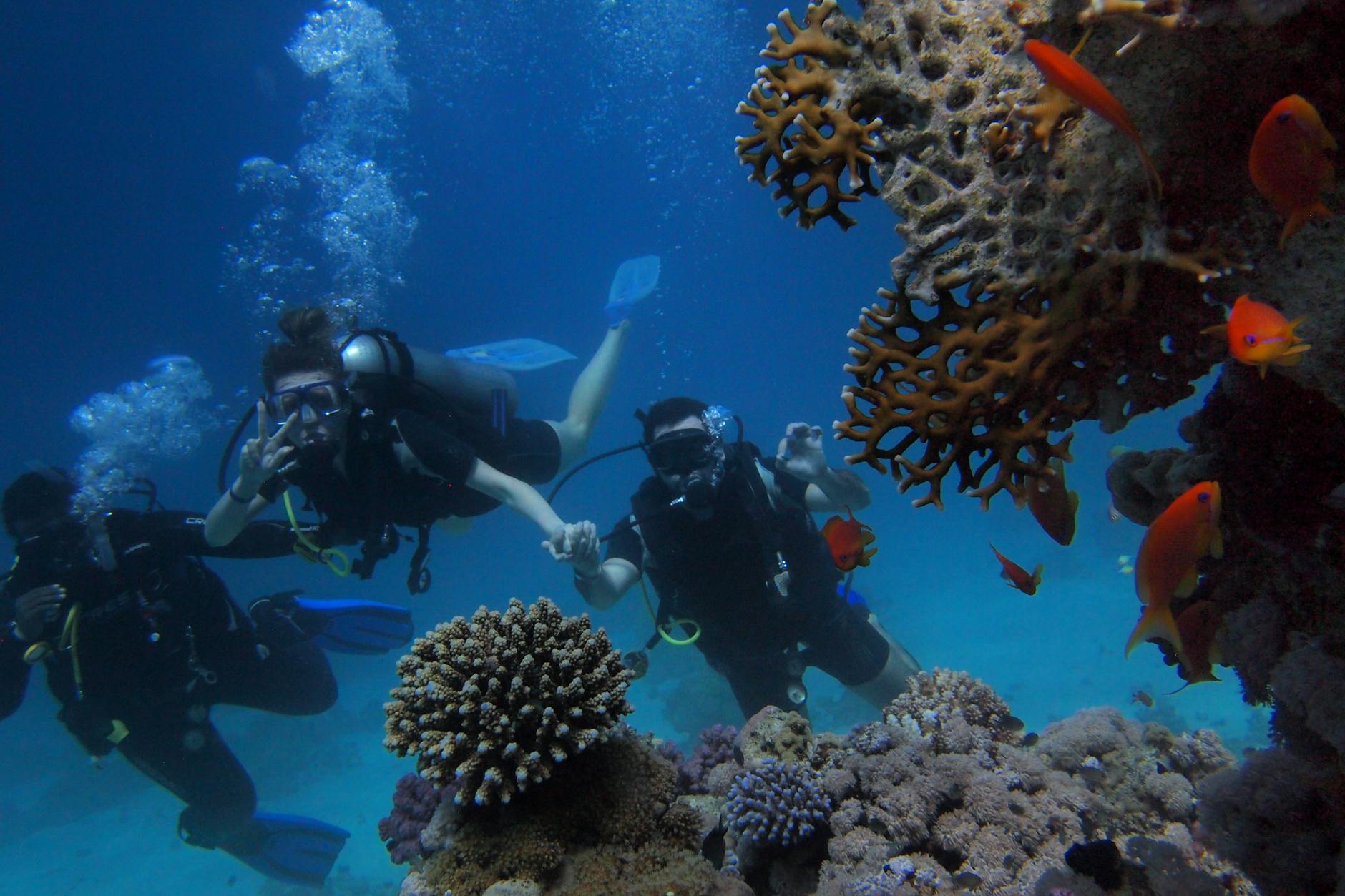
While destinations such as Egypt and Jordan often steal the spotlight, the Saudi coastline remains one of the region’s hidden gems. The reefs here are remarkably healthy, visibility is excellent, and marine life is abundant.
Even if you’re not a diver, there are plenty of ways to experience the underwater world.
Snorkelling excursions allow visitors to explore colourful coral gardens teeming with tropical fish. More experienced adventurers can join diving trips to deeper reefs, where turtles, rays, and an extraordinary diversity of marine species can often be found.
One of the joys of exploring the Red Sea is that many visitors arrive with relatively few expectations. Unlike some of the world’s more famous diving destinations, there are fewer crowds and a greater sense of discovery.
Spend the day on or in the water, then return to Jeddah for an evening meal overlooking the coast.
Fresh seafood is naturally a highlight, and there are numerous restaurants serving fish caught locally from the waters you’ve just spent the day exploring.

Day Three: Desert Adventures Beyond the City
The beauty of Jeddah lies in the contrast.
One day you’re floating above coral reefs. The next, you’re surrounded by sand and rock formations stretching towards the horizon.
The landscapes beyond the city offer a glimpse into another side of Saudi Arabia. Guided excursions provide opportunities for hiking, off-road driving, quad biking, and desert exploration.
The terrain may appear harsh at first glance, but spending time in the desert reveals a surprising beauty. The colours shift throughout the day, wildlife adapts to challenging conditions, and the vast open spaces create a sense of perspective that many travellers find deeply rewarding.
For photographers, sunset is often the highlight. As the sun sinks towards the horizon, the landscape glows with shades of gold, orange, and red.
After dark, the desert offers something increasingly rare in many parts of the world: genuinely dark skies.
If you have the opportunity to stay out after sunset, the stargazing alone makes the trip worthwhile.

Day Four: Explore the Coast Further
If time allows, dedicate another day to exploring more of the coastline.
Boat excursions provide access to quieter stretches of the Red Sea, offshore islands, and additional snorkelling opportunities. Depending on the season and location, visitors may encounter dolphins and a variety of seabirds.
The coast is also changing rapidly as Saudi Arabia invests heavily in tourism infrastructure. New developments are creating opportunities for visitors to experience parts of the Red Sea that were previously inaccessible.
Yet despite this growth, it is still possible to find moments of tranquillity. Early mornings on the water, watching the sunlight reflect off the sea while the city wakes behind you, remain among the most memorable experiences the region has to offer.

Cultural Considerations for Visitors
Jeddah is often considered one of Saudi Arabia’s most international and welcoming cities, but visitors should still take time to understand and respect local customs.
Modest dress is appreciated, particularly when visiting historic districts, traditional neighbourhoods, or cultural attractions. Clothing that covers the shoulders and knees is generally a sensible choice for both men and women.
Photography is widely accepted in tourist areas, but it is courteous to ask permission before taking photographs of individuals.
Visitors should also be aware that prayer remains an important part of daily life. While modern Jeddah operates much as any major city does, observing local customs and showing respect for cultural traditions will enhance your experience.
Perhaps most importantly, embrace opportunities to interact with local people. Saudi hospitality is famous throughout the region. Conversations over Arabic coffee, recommendations from locals, and spontaneous acts of kindness often become the moments travellers remember most.

When to Visit
The most comfortable time to explore Jeddah and the Red Sea coast is between October and April.
Temperatures are generally milder, making it easier to combine sightseeing, outdoor adventures, and marine activities.
Summer brings significantly hotter conditions, although the sea remains a popular escape and many water-based activities continue year-round.
Whenever you visit, sun protection, hydration, and lightweight clothing are essential.
Final Thoughts
Saudi Arabia’s Red Sea coast offers a side of the Kingdom that many international travellers are only beginning to discover.
Historic districts tell stories of traders and pilgrims who shaped the region. Coral reefs reveal thriving marine ecosystems beneath crystal-clear waters. The surrounding deserts showcase landscapes that have inspired travellers for generations.
For those looking to maximise their time, choosing to fly from Riyadh to Jeddah is the fastest and easiest way to unlock these experiences.
In just a few days, you can explore centuries of history, dive into one of the world’s most fascinating seas, experience renowned Saudi hospitality, and gain a deeper understanding of a destination that continues to surprise even seasoned travellers.

Comments will load here
Be the first to comment