
The Blog

Redefining the Big Five: The Colonial Hangover Still Shaping Your Safari
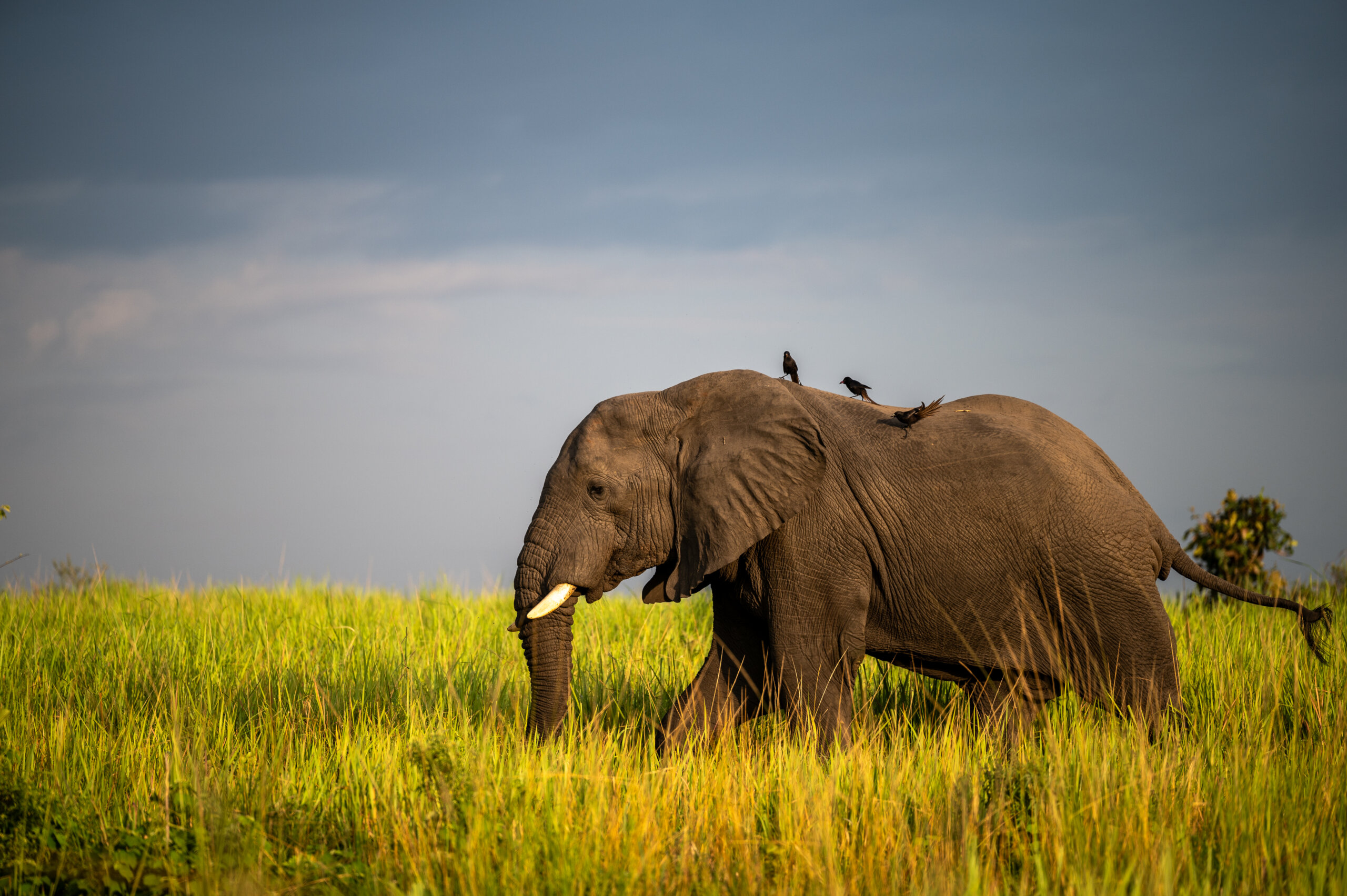
If you spend enough time on safari vehicles, you start to recognise a particular kind of traveller. They sit perched on the edge of their seat like a stockbroker watching the market crash, clutching binoculars, scanning the horizon with mounting panic.
“Have you seen a leopard yet?”
The guide shakes his head politely.
A pause.
“And the rhino?”
Another shake.
A sigh.
You would think we were searching for missing family members rather than wild animals that have successfully avoided humans for the past few hundred thousand years.
Somewhere along the way, safari stopped being about wonder and became something closer to wildlife bingo. Five animals. Tick them off. Move on. Take the photo, upload it to Instagram, and congratulate yourself on having conquered Africa’s most famous checklist.
The Big Five.
But here’s the awkward truth that rarely makes it into glossy safari brochures: the Big Five were never about beauty, rarity, or ecological importance. They weren’t chosen because they are the most magnificent animals on the African continent.
They were chosen because they were the most difficult animals to shoot.
With a gun.
On foot.

Disclaimer! All of my blogs may contain affiliate links. This means that if you click on the link and make a purchase I may receive a small amount of commission for the referral at no extra cost to you. This commission is what allows me to continue creating guides to help travellers plan their next trip!
What's in this post:
The Colonial Origins of the Big Five
The phrase “Big Five” was coined by colonial hunters in the late nineteenth and early twentieth centuries, referring to the five animals most dangerous to hunt on foot: lion, leopard, elephant, rhino, and buffalo. In other words, they weren’t the animals that tourists most wanted to see. They were the animals most likely to kill the hunter before he made it back to camp for dinner.
Yet somehow this hunting term, born out of colonial trophy culture, has quietly survived into modern tourism. The rifles have been swapped for cameras, but the mentality hasn’t changed all that much. We still arrive in Africa with a list in hand, eager to collect our trophies. Only now they live on our phones instead of above our fireplaces.
And that mentality, while often well-intentioned, can quietly distort the entire safari experience.

The Safari Checklist Mentality
I once heard a story from a safari guide that perfectly captured the absurdity of the checklist mentality. A family arrived at the lodge with a laminated list. Not just the Big Five, but the Big Five performing specific actions. Lions mating. Leopard with kill in tree. Elephant spraying water. Buffalo charging.
From the moment they climbed into the vehicle, they began their chant.
“Lions mating.”
Not just lions. Lions mating.
“Come on, come on,” they urged the guide as they drove through the park. “Lions mating.”
They passed giraffes crossing the road. Ignored.
A herd of elephants bathing in a river. Barely acknowledged.
A pack of wild dogs trotting through the bush,one of the rarest and most extraordinary wildlife sightings in Africa. The family glanced briefly before returning to their mission.
“Lions mating.”
Eventually, by sheer luck and the quiet brilliance of the guide, they found a mating pair.
The vehicle stopped. Cameras came out. Click. Click.
Thirty seconds later, the family turned to the guide.
“OK, now we want leopard with kill in tree.”
Never mind that they were now in completely the wrong part of the park for that kind of sighting. Never mind that leopards don’t appear on command, or that their preferred trees weren’t even present in that landscape.
The guide tried to explain this.
The family insisted.
And so the pressure began: drive faster, cover more ground, chase the next photograph. Meanwhile, the bush continued its quiet theatre around them, largely ignored.
This is what safari sometimes becomes if the guides don’t feel empowered enough to say no!

Instagram Safaris: When Wildlife Became Content
Social media has only intensified the problem. Instagram has turned wildlife into a visual trophy hunt, where certain photographs are so iconic that travellers arrive expecting to replicate them exactly. The leopard draped across a tree branch. The lion roaring against a golden sunset. The elephant silhouetted against Mount Kilimanjaro.
And when those moments don’t appear exactly on schedule, frustration sets in.
But wildlife doesn’t operate according to Instagram. It doesn’t perform on cue.
And it definitely doesn’t care about your shot list.
The Ecological Absurdity of the Big Five
The strange irony of the Big Five obsession is that these animals are not actually the most important creatures in the ecosystem. They’re charismatic, certainly. But ecosystems are not built on charisma.
Take vultures, for example. These often-overlooked birds perform one of the most critical roles in the African savannah: sanitation. By rapidly consuming carcasses, vultures prevent the spread of diseases that could devastate entire ecosystems.
Or dung beetles, tirelessly rolling and burying the droppings of larger herbivores, recycling nutrients back into the soil and preventing parasite infestations.
Or termites, those humble architects of the savannah whose towering mounds regulate soil fertility and create microhabitats for countless species. The termite mound quietly holding the entire ecosystem together rarely gets a standing ovation from safari vehicles. Yet without termites, much of the African savannah would quite literally collapse.

When Tourism Pressure Turns Unethical
The checklist mentality can also create pressure that pushes guides and operators toward questionable practices. In parts of South Africa, certain lodges offer guests a Big Five certificate if they managed to see all five animals during their stay. On the surface, this may sound like a harmless bit of fun.
But when certificates, and therefore guest satisfaction and tips, depend on seeing specific animals, incentives begin to shift.
Stories circulated of carcasses being draped over trees to lure leopards into predictable viewing spots. If guests wanted a leopard with a kill in a tree, well, someone might just help the leopard along.
That particular practice has largely faded in areas where leopards have become highly habituated and sightings are more reliable. But it illustrates a deeper truth: when wildlife becomes a commodity to be delivered on demand, the temptation to manipulate nature grows stronger.
And manipulation, even when subtle, comes at a cost.

The Moment I Saw a Safari Go Wrong
I witnessed that cost myself one morning in the Serengeti.
We had arrived at a quiet stretch of road where a pride of lions was stalking a small herd of impala. The lions were using the road itself as cover, creeping low through the grass, their movements slow and deliberate. It was one of those rare moments where time seems to stretch.
For a while, we had the sighting to ourselves. Eventually another vehicle arrived. Then another. Everyone parked respectfully, engines off, watching the drama unfold.
The lead lioness edged closer.
The impala grazed, unaware.
You could feel the tension building like a coiled spring.
Then a new vehicle appeared.
Without hesitation, the driver veered off the road and drove straight toward the lioness, cutting across her path so that his guests could photograph her from the front.
In doing so, he broke the lioness’s line of sight to the impala.
The hunt was over. The impala scattered and the pride went hungry.
All for a photograph that looked better on Instagram.

Colonial Tourism Narratives Still Shape Safari Marketing
It would be easy to blame individual drivers or tourists for moments like this, but the truth is more complicated. Much of the pressure comes from the expectations we bring with us, the expectation that wildlife should perform for us, that safaris should deliver guaranteed sightings, that nature should behave like a documentary filmed exclusively for our entertainment.
These expectations are deeply rooted in the colonial history of safari itself. Even today, safari marketing often echoes the language of conquest: “bag the Big Five,” “hunt with a camera,” “conquer the wilderness.” The vocabulary may have softened, but the underlying narrative remains remarkably similar.
Nature is something to be collected. Something to be achieved. Something to be ticked off.
But the most magical safari moments rarely arrive on a checklist.
What Guides Actually Get Excited About
Ask any experienced guide what sightings truly excite them and you’ll hear very different answers. Aardvark emerging from its burrow at dusk. A pangolin slowly shuffling across the road like a prehistoric pinecone. A serval leaping through long grass. A honey badger strutting through the bush with its famously unbothered attitude.
Or wild dogs… arguably Africa’s most fascinating predator working together with extraordinary coordination to bring down prey.
These are the sightings that make guides’ eyes light up.
Because they are rare.
Unpredictable.
Earned.
And that, perhaps, is the real magic of safari: not collecting animals, but witnessing moments.
Moments where an entire ecosystem reveals itself slowly, layer by layer, to those willing to pay attention.

What Ethical Safaris Actually Look Like
Ethical safari operators understand this. They prioritise respectful wildlife viewing, limit vehicle numbers, and encourage guides to focus on behaviour rather than simply chasing sightings. A good guide doesn’t just find animals; they interpret the landscape by reading tracks, listening to bird calls, noticing subtle shifts in behaviour that hint at what might happen next.
It’s the difference between racing across the park chasing radio calls and quietly observing the bush until it tells its story.
If you’re planning a safari and want to understand what responsible tourism actually looks like, there are a few important questions worth asking before booking. I’ve written about this in more detail in my articles on ethical safaris and why cheap safaris often come with hidden costs, because if you’re not paying the price, somebody else probably is.
Ethical safari practices matter, not just for wildlife but for the people who live and work in these landscapes.
Because safari, at its best, is not about domination.
It’s about connection.

Redefining the Big Five
Perhaps it’s time we retired the Big Five altogether,or at least redefined them.
Not as a list of animals to collect, but as a set of values to carry into the wilderness.
- Curiosity.
- Patience.
- Respect.
- Connection.
- Wonder.
Approach a safari with those five qualities and the experience changes completely. The bush stops being a checklist and becomes something richer, stranger, more complex. You begin to notice the termite mounds, the alarm calls of birds, the silent signals that ripple through the ecosystem.
And suddenly the entire landscape comes alive.
The Big Five may sell safaris.
But the real magic of Africa lives everywhere else.

Comments will load here
Be the first to comment