
The Blog

Best Things to Do in Stow-on-the-Wold: A Local’s Guide

If you’re looking for the best things to do in Stow-on-the-Wold, you’ve landed on a guide written by someone who actually lived four miles down the road. I lived in Moreton-in-Marsh for ten years, so this beautiful market town in Gloucestershire wasn’t somewhere I visited once for a weekend and then wrote about. Stow was somewhere I regularly came to eat, shop, walk and generally potter around.
And there’s plenty worth pottering around for. Stow-on-the-Wold is the highest of the Cotswold towns, with a huge historic Market Square, independent shops, excellent pubs and restaurants, beautiful surrounding countryside and one of the most photographed church doors in England. It also has a fascinating history, from its days as an important sheep-trading centre to the final battle of the English Civil War.
For most visitors, I’d allow at least half a day in Stow-on-the-Wold. That gives you enough time to explore the Market Square, see the famous yew-framed door at St Edward’s Church, browse the independent shops and stop for something to eat. If you have a full day, even better: add one of the countryside walks or use Stow as a base for exploring some of the nearby Cotswold villages.
Below, I’ve included the places I genuinely think are worth your time, along with my favourite shops, walks, places to eat and practical tips for planning your visit.
Disclaimer! All of my blogs may contain affiliate links. This means that if you click on the link and make a purchase I may receive a small amount of commission for the referral at no extra cost to you. This commission is what allows me to continue creating guides to help travellers plan their next trip!
What's in this post:
Best Things to Do in Stow-on-the-Wold
If you only have a few hours in Stow-on-the-Wold, don’t worry about trying to tick off everything on this list. These are the five things I’d prioritise:
- Explore the Market Square – the historic heart of Stow and the best place to start understanding the town.
- See the yew-framed door at St Edward’s Church – easily Stow’s most photographed spot, and even more impressive in person.
- Browse the independent shops – Stow is particularly good for antiques, books, local food and small independent businesses.
- Stop somewhere good to eat – whether that’s a quick baguette, afternoon tea or a proper pub lunch, food is part of the Stow experience.
- Get out into the countryside – if you have longer, walk towards Broadwell or the Slaughters to see the Cotswolds beyond its famous market towns.
Have a full day? Take your time. Stow is at its best when you stop trying to race between attractions and leave yourself enough time to wander into the shops, lanes and pubs that catch your eye.
Top Attractions and Activities in Stow-on-the-Wold
1. Get a Dose of History at the Market Square
Like neighbouring Moreton-in-Marsh, Stow-on-the-Wold has been hosting markets since King Henry I granted the town a market charter in 1107. However, it was the sheep trade that really shaped the enormous Market Square you see today.
In 1330, Stow was granted the right to hold an annual fair, attracting traders from far and wide. At the height of the wool trade, it is said that as many as 20,000 sheep could be sold here in a single day. Suddenly, the unusually large Market Square makes a lot more sense!
Look closely at the narrow alleyways, or tures, leading into the square too. These are believed to have been used to funnel sheep into the marketplace, making it easier to control and count them as they arrived. It’s one of those little details you could easily walk straight past without realising how much it tells you about Stow’s past.
The farmers’ market still comes to Stow-on-the-Wold regularly. Between April and September, the market comes to town on the second and last Tuesday of every month. Between October and March, it only comes to Stow on the second Tuesday of every month. Don’t forget though, that Moreton-in-Marsh has a market every Tuesday year-round!
Even when there isn’t a market taking place, the Market Square is the natural place to start exploring Stow. Today, the sheep and traders have largely been replaced by independent shops, inns, cafés and restaurants, but there are still plenty of reminders of the town’s history hiding in plain sight.

More than just a market town!
Also in the square, you’ll find Stow’s old penal stocks, which date back to the 15th century. They were once used to publicly punish and humiliate people who had broken the law. England’s Statute of Labourers required towns to have stocks, so you’ll still come across them in a number of historic English towns. Today, thankfully, their main use appears to be providing visitors with a rather good photo opportunity.
At the opposite end of the square you’ll find the ancient Market Cross. Its four sides represent important people and events in Stow’s history: the Civil War, the crucifixion, the wool trade and St Edward. The cross also served as a reminder to the merchants conducting business here that they were expected to trade fairly and honestly.
Then there is the considerably bloodier part of Stow’s history.
The Battle of Stow-on-the-Wold took place in 1646 and was the final major battle of the First English Civil War. A Royalist army marching through the area was intercepted by Parliamentarian forces and, after fierce fighting, was pushed back into Stow. The Royalists were eventually defeated, with many killed and large numbers of the surviving soldiers taken prisoner.
According to the story I was told on a guided tour of Stow, the bloodshed didn’t necessarily end with the surrender. We were told that some of the captured Royalist soldiers were subsequently massacred. I’ve not been able to independently substantiate that part of the story from the historical sources I’ve found, so I wouldn’t present it as established fact, but it is part of the version of Stow’s history shared with us locally.
And then comes one of Stow’s most memorable legends.
Local folklore claims that so much blood flowed through the streets following the battle that ducks were able to bathe in it. Rather gruesomely, the same legend says this is how Digbeth Street acquired its name, supposedly from “Duck’s Bath”.
Whether ducks really paddled around in pools of Civil War blood is something I suspect none of us will ever know. But after hearing that story, I can promise you I never looked at Digbeth Street quite the same way again.
2. Admire the Famous Door at St Edward’s Church

Ever since the rise of influencers in floaty dresses, visiting St Edward’s Church has become one of the most popular things to do in Stow-on-the-Wold. And when you see its extraordinary yew-framed north door, it’s not particularly difficult to understand why.
St Edward’s is a medieval church built on the site of an earlier Saxon church, although much of the building you see today dates from later alterations and restorations. The Grade I-listed church is worth stepping inside for its stained glass and historic interior, but it also played a role in one of the bloodiest chapters of Stow’s history.
Following the Battle of Stow-on-the-Wold in 1646, Royalist prisoners were held inside St Edward’s Church after their defeat by Parliamentarian forces. It’s a rather strange thing to contemplate when you’re standing inside what is now such a peaceful building.
However, it’s the north door that attracts most visitors today.
The large wooden door is framed by two ancient yew trees whose trunks and roots seem to grow directly into the surrounding stonework. It looks like something straight out of a fantasy novel, which brings us to one of Stow’s most famous local legends.
According to the story, J.R.R. Tolkien visited Stow-on-the-Wold and was inspired by this very doorway when imagining the Doors of Durin, the entrance to Moria in The Lord of the Rings. Tolkien certainly had connections to Oxford and knew this part of England, but there is no definitive evidence proving that St Edward’s door was the inspiration for the Doors of Durin.
That hasn’t stopped the story becoming part of Stow folklore, and frankly, once you’re standing in front of the doorway, it’s very easy to see how the legend began. The ancient wooden door disappearing between two enormous yew trees looks exactly like the sort of entrance that ought to lead to another world.
Whether Tolkien really stood here and thought the same thing, we’ll probably never know. But I rather like the story, and knowing the legend makes this already unusual little corner of Stow even more fun to visit.
3. Experience the Stow Horse Fair
One of Stow-on-the-Wold’s longest-running traditions is the Stow Horse Fair, which is still held twice a year, in May and October.
The fair has a history stretching back centuries, with its charter dating to 1476. Today, it remains an important gathering for Gypsy and Traveller communities, drawing families from across the UK to meet, socialise and trade horses. You’ll see horses being ridden and shown, horse-drawn caravans and stalls, making it a completely different side of Stow to the antique shops and afternoon teas most visitors associate with the town.
The fair no longer takes place in the Market Square itself. It is held in fields off Maugersbury Road, on the edge of Stow-on-the-Wold, traditionally on the Thursday nearest 12 May and the Thursday nearest 24 October.
If you’re specifically interested in the fair, it’s a fascinating time to visit. If you’re simply planning a normal sightseeing trip to Stow, however, it’s worth knowing about the dates for exactly the opposite reason. The town and surrounding roads can become extremely busy around the fair, and some local shops, pubs and restaurants may close.
My advice: check the confirmed dates before planning a May or October visit. The traditional dates are well established, but individual fair dates can occasionally change.

4. Go Antiquing
Stow is well known for its independent boutique stores, antique shops, and art galleries. So whatever form of art you are into, you will find a lot to your liking here. Of its many antique stores, a few really stand out for their location and quality of the goods on sale. Tara Antiques, Durham House Antiques, and Tudor House Antiques are some of the most popular antique stores in Stow-on-the-Wold. Expect to find many hidden treasures during your search!
5. Visit the Fosse Art Gallery
Speaking of art, the Fosse Art Gallery has consistently been called one of the most important art galleries in the UK. It showcases contemporary British art, and it is located right here in Stow-in-the-Wold! Fosse Gallery was founded in 1980 by Brian Sinfield and Gerard O’ Farrell, and it used to showcase only Victorian watercolour paintings. However, today, the gallery is mainly known to be a premier showcase for British contemporary artists. Located right at the top of Market Square, the Fosse Art Gallery organizes regular exhibitions while also selling art from both local and internationally renowned artists.
Address: The Square, The Manor House, Stow-on-the-Wold, GL54 1AF
Opening Times: Monday to Saturday 10:30am to 5pm
6. Explore the Charming Tea Rooms
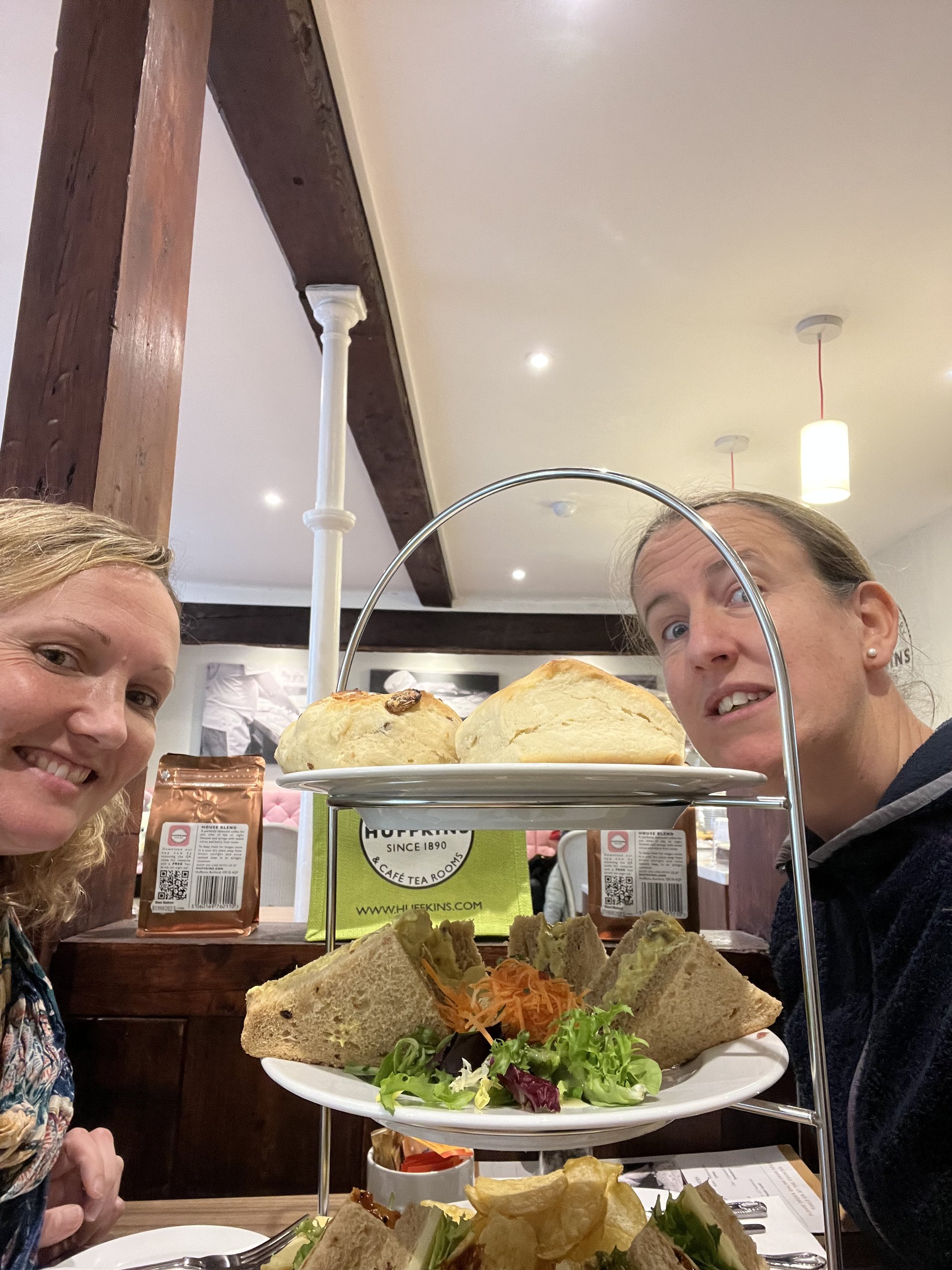
Nothing evokes a more quintessential British feeling than taking a break to enjoy an afternoon tea. And you won’t be left short of choice! My favourite? Huffkin’s, Lucy’s Tearoom, and The Old Bakery Tearoom. In Huffkins, you need to try the Lardy Cake. At Lucy’s, make sure you enjoy the afternoon tea experience, especially if it is nice weather and you can sit outside. At The Old Bakery, please don’t miss out on their Short Bread Millionaire (my favourite!). And while you are eating it, make sure to read their story, which you will find on the table. It’s a tragic story yet inspiring at the same time. But I won’t ruin it for you and will let you read it for yourself.
7. Spot the Historic Details at The Triangle
Like so many places in Stow-on-the-Wold, even what looks like a small fountain at the side of the road has a surprisingly interesting history. Head to The Triangle at the top of the High Street and you’ll find the Old Fountain and Horse Trough, along with an old Edwardian postbox that’s very easy to walk straight past without noticing what makes it unusual.
Stow’s first regular supply of clean water dates back to 1867–68, when Joseph Chamberlayne donated £2,000 to allow the town’s well to be dug deeper. The fountain and trough you see today also carries a plaque recording that it was presented to the inhabitants of Stow-on-the-Wold by Piers Thursby in 1896.
It wasn’t just humans who benefited. The structure incorporated drinking fountains alongside two horse troughs and even a dog bowl, replacing an earlier horse pond at the junction of the High Street and Fosse Way.
Then take a closer look at the old postbox nearby. At first glance, the initials ER might make you assume it dates from the reign of Queen Elizabeth II, when ER stood for Elizabeth Regina. But this postbox is considerably older.
It dates from the reign of King Edward VII, between 1901 and 1910, meaning the ER here stands for Edward Rex. The postbox is no longer in use, but it’s a lovely little piece of Stow history that you could very easily pass without giving it a second glance.

8. Have a Play Date with Animals at Cotswold Farm Park
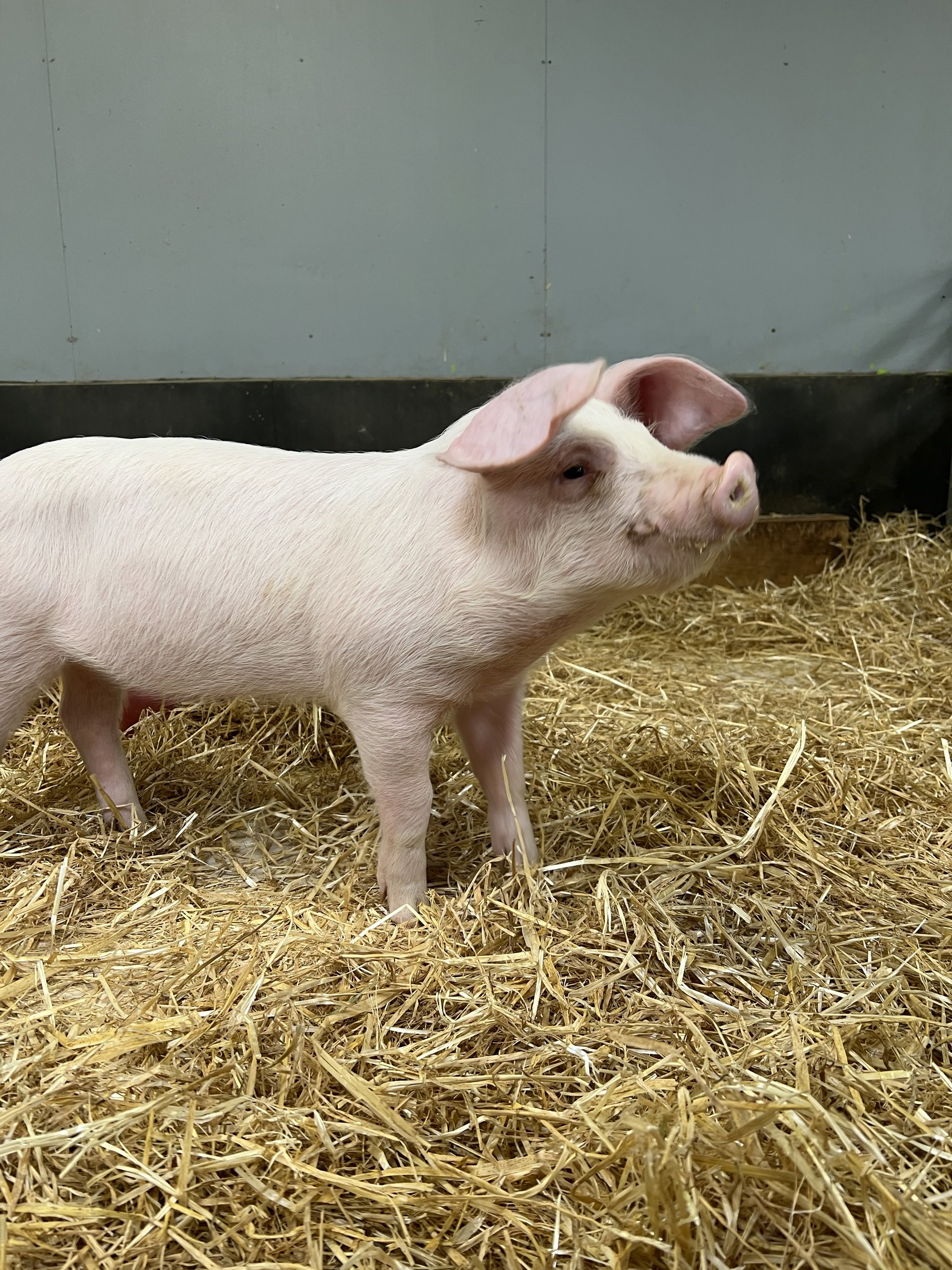
If you are familiar with Countryfile, a popular BBC TV series, then you will be familiar with Adam Henson, the owner of Cotswold Farm Park. Although he now runs the farm, it was his dad, Joe Henson, that founded it back in 1971 to help protect and breed rare farm animals. Since its inauguration, no farm animal breed has gone extinct in the UK! In addition to their great work protecting rare breeds, Cotswold Farm Park is also a leader in sustainable animal farming approaches. It is a brilliant place where both adults and children can learn about the importance of farming.
There is no end of activities to do at the Cotswolds Farm Park, from digging up your own potatoes to watching baby chicks hatch! So whether you want to feed the goats, pet a rabbit, or go on a wildlife walk, there is plenty to keep a family of all ages entertained for the day. And once you get peckish, you will find several food outlets, from full sit-down meals at the Ox Shed restaurant to salad boxes and sandwiches in the café or ice cream from Dolly’s.
Get free entry when you stay the night!
It is not the cheapest activity in the Cotswolds if you only plan to spend a short time there, but if you make an entire day out of it, it becomes great value for money! In fact, why not make a weekend out of it and stay overnight? You can either bring your tent at £20 a pitch or choose a little more luxury by glamping or picking out one of their lodges. You can read my review from my latest visit here. It is undoubtedly one of the most fun things to do in Stow-on-the-Wold when visiting with family.
Address: Guiting Power, GL54 5FL
Opening Times: 9:30 am to 5 pm every day
9. Explore the Cotswolds with a guide
It is completely possible to enjoy the charming market town of Stow-on-the-Wold on your own. Enjoy all the independent shops in the town centre, go for a long walk, and admire the historic buildings.
However, you will learn very little about the town or the Cotswolds. If you are interested in more than just shopping, eating, and getting some nice pictures, then I would recommend joining a tour that will not only cover Stow-on-the-Wold, but a number of other Cotswold towns too.
I recently joined Go Cotswolds on their “Cotswolds in a day” tour which is a taster of the key towns and villages of North Cotswolds. I have lived in the area for 10 years and therefore knew everywhere they took us, yet I learnt more in the first 10 minutes than I had in my 10 years of living here, It genuinely was a brilliant day out, and a great way to get a taster of the Cotswolds. You can read up on my experience here or you can check out their tours on Viator or Get Your Guide.
Best Shops in Stow-on-the-Wold
One of my favourite things about Stow is that its town centre hasn’t been completely taken over by the same chains you find everywhere else. Many of the shops in Stow-on-the-Wold are independent, so it’s a genuinely good place for a browse, whether you’re looking for books, local food, antiques or something you absolutely didn’t intend to buy. I speak from experience on that last one.
10. Geek out at The Borzoi Bookshop
Set back from Digbeth Street, which runs off the main square, you will find this fabulous independent book shop. It caught my attention as I walked past so I took a peek inside determined not to buy anything! Yet 10 minutes later I walked out with two new books that I’m sure I didn’t need but which I will thoroughly enjoy!
Address: 1 Digbeth St, Stow-on-the-Wold, Cheltenham GL54 1BN


11. Browse the Beers at Off the Square Bottle Shop
Also on Digbeth Street you will find an independent craft beer café and bottle shop. They often run beer-tasting evenings which I have heard are great, but even when no events are running, there is always a great atmosphere and it is the perfect place if you are looking to sample or buy local spirits, wines and beers.
Address: 2, Mascot House, Digbeth St, Stow-on-the-Wold, Cheltenham GL54 1BN


12. Watch chocolate being made at the Cotswolds Chocolate Company
As a chocolate lover a visit to the Cotswolds Chocolate Company is both heaven and hell (there is too much of it in my diet already!). Run by owners Heidi and Tony, their little store is located just off the main square, at the start of Digbeth Street. Everywhere you look the shelves are stacked with chocolate, from your traditional milk chocolate to locally-sourced lavender infused chocolate bars.
The highlight for me was seeing how the chocolate is made. At the back of the store there is a window from where you can see Tony masterfully pouring the velvety chocolate into moulds. Definitely a store worth visiting if you are a chocolate lover (or avoiding it if you are on a diet!).
Address: Frances House, Digbeth St, Digbeth St, Cheltenham GL54 1BN

13. Get your cheese fix at the Cotswolds Cheese Company
If you’re a fan of all things cheesy and delicious, then look no further than The Cotswold Cheese Company. With two stores, one in Moreton-in-Marsh and the other in Stow-on-the-Wold, as well as a franchise in Burford, you’ll be spoilt for choice when it comes to artisanal cheeses, cured meats, and condiments. This locally established gem has been keeping the Cotswolds well-fed and satisfied with their drool-worthy selection for years.
Best Walks and Hikes from Stow-on-the-Wold

If you are a regular of the blog, you will know just how much I love exploring the Cotswolds on foot. The entirety of the Cotswolds is criss-crossed with public footpaths, and Stow is no exception! Here are some breath-taking countryside walks for you to do from Stow-on-the-Wold.
14. Go for a historic walk – Battle of Stow Loop
If you want to combine Stow’s history with some time in the Cotswold countryside, the Battle of Stow walk is a roughly 6-mile (9.5 km) circular route taking you from Stow through Broadwell and Donnington, past the Battle of Stow memorial and back via Upper Swell.
The Battle of Stow took place on 21 March 1646 and is generally regarded as the final major battle of the First English Civil War. Sir Jacob Astley’s Royalist army was intercepted by Parliamentarian forces north of Stow and defeated, with the fighting eventually spilling back towards the town before the Royalists surrendered in the Market Square.
You’ll pass the memorial near Donnington marking the traditional site of the battle, although there’s an interesting twist to the story: nobody is entirely sure that’s where the main battle actually happened. Archaeological surveys have cast doubt on the traditional location, with evidence suggesting at least some of the fighting may have taken place closer to Stow.
Personally, I think that makes the walk more interesting rather than less. You’re walking through the landscape where Royalists and Parliamentarians fought and fled almost 400 years ago, even if historians are still arguing about precisely which field saw the main action.
Allow around three hours for the full circular walk and wear decent shoes, particularly if it has been wet.
15. Walk from Stow-on-the-Wold to the Slaughters

The Stow on the Wold to Upper Slaughter walk is a beautiful out-and-back trail. It is 14 km there and back but relatively flat, so therefore pretty easy for most fitness levels. What I love about the route is that you get three great towns for the price of one: Stow, Lower Slaughter, and Upper Slaughter. The last two are probably the most beautiful ones in the Cotswolds (in my opinion). You could always make it slightly longer by taking a detour into Bourton-on-the-Water too, which would add an extra 9 km to your day, but perfectly doable for anyone with moderate fitness wanting to spend all day exploring the area on foot.
16. Take a Walk to Stow Well
If you are looking for a rewarding short walk, then head down the historic Well of Stow-on-the-Wold where locals collected water from until 1937. There is a lovely view to your right as you make your way down Well’s lane.
If you fancy a slightly longer walk, then continue down Well’s Lane following it as it turns into a track. The track is signposted as Monarch’s Way, which is a long-distance footpath based on the escape route that King Charles II took during the Civil War. The Monarch Way will eventually bring you into the charming village of Broadwell. There is a lovely 12th century church here as well as a great pub, the Fox Inn, should you wish a mid-walk drink. I often run or cycle through Broadwell. There is a house on the corner of Chapel Street that looks spectacular during the summer months when it is covered in Ivy.
I would recommend retracing your steps to return to Stow-on-the-Wold. There is an alternative route which does provide a fantastic view over the valley, but involves walking about 650 metres on the busy Fosse Way which I like to avoid!
Best Places to Eat in Stow-on-the-Wold
The choices of places to eat in Stow are endless, and it was hard to pick just a few. For this reason, I have chosen somewhat quirky restaurants that offer more than just good food!
17. Have a meal in the oldest pub in Britain – The Porch House Inn

The Porch House is thought to be Britain’s Oldest Inn. Just for that accolade, it is worth a visit! Just think, you could be sitting down to eat in the same spot where weary travellers have been eating for over 1000 years! OK, it has changed a little since it was originally built in 947 AD! That hospice has since been replaced with the now 16th-century building, but still, it’s a pretty special spot! Historical joint aside, the Porch House serves delicious quintessential English food with a focus on locally sourced ingredients and is a spot not to be missed when visiting Stow-on-the-Wold.


On our last visit I thoroughly enjoyed the Crispy salt & pepper squid, served with garlic aioli and grilled lemon. I then had a fillet of pork which was served with saffron potatoes, crispy cavolo nero, apple and fennel coleslaw and a grain mustard jus. And to finish off sticky toffee pudding with toffee sauce and vanilla ice cream!


You can’t go wrong here. Great atmosphere, a unique pub and fantastic food!
The Porch House also offers 13 guest rooms, all different to each other. Why not stay the night in Britain’s Oldest Inn?
Address: 1 Digbeth St, Stow-on-the-Wold, GL54 1BN
18. Eat the best fish in the area… at The Old Butchers
The Old Butchers used to be… Yes! You guessed! A butcher’s shop! Pete and Louise Robinson bought and converted it into a warm and rustic restaurant in 2005. Today, this restaurant is one of the very best in the entire Cotswold region, but not for the reasons you would think. Based on the name, it would make sense for you to believe their meats would be their specialty. Unfortunately, that’s where you would be wrong!
Their primary focus is actually fresh, locally and seasonally sourced fish! Considering we are not close to the sea, it is incredible how good their fish menu is (and how delicious the dishes are!). If you are not a fish eater though, fear not. They have more than fish on the menu, including seasonal game, locally sourced meat, and delicious burgers! But what I love most is their nose-to-tail policy which focuses on minimal wastage while cooking their gourmet dishes.
Address: 7 Park St, Stow-on-the-Wold, GL54 1AQ
19. Enjoy a pint at the Queen’s Head
The Porch House might be the oldest pub in Britain, but you would be forgiven for thinking that that accolade belongs to the Queen’s Head, which I’m not sure has seen a revamp since it was first opened. But it is this charm that attracts locals and visitors alike. The feeling of stepping back in time into an old traditional pub without any of the fancy frills of the modern ages. Just good beer and good quality locally sourced food.
The Queens Head is owned by the Donnington Brewery, a local brewery with an ingenious idea. To create its very own footpath called the Donnington Way. This 62-mile circular route covers all 15 of the original Donnington-owned pubs, making it what surely must be the longest pub crawl in the UK!
Address: Market Square, Stow-on-the-Wold, Cheltenham GL54 1AB
20. Date night at The Sheep on Sheep Street
Considered one of the finest eateries in Stow-on-the-Wold, The Sheep has a calendar full of events to make every visit different. Past examples include Beat the “Board-om” during January with their boardgame nights, enjoy a sharing dessert for Valentines, or join the #nationalpieday celebrations with a pie and a pint. There is always something going on at The Sheep so make sure you visit their website for an up to date schedule of events.
The Sheep also offers rather lavish accommodation. So if you are looking for a touch of luxury when staying in the Cotswolds do check out The Sheep on Sheep Street.
Address: Sheep St, Stow-on-the-Wold, Cheltenham GL54 1AU
21. Do as the locals do, and have lunch at Cotswolds Baguettes
When our Go Cotswolds guide dropped us off in Stow-on-the-Wold, he recommended lunch at Cotswolds Baguette, although he did warn there might be a queue, since it is where all the locals go! He was not wrong! There was indeed a queue of locals waiting for their baguette, and I soon found out why! Freshly made with locally sourced produce and a nice selection of cakes, a Cotswolds Baguette makes a perfect, tasty, and cheap lunch. Imagine Subway but with better quality fillings, a proper baguette, and staff that enjoy their job. It’s a winner!
Address: 2 Church Street, Stow-on-the-Wold, Cheltenham GL54 1BB


Best Coffee Shops and Tea Rooms in Stow-on-the-Wold
22. Enjoy a cup of coffee at Stow Town Coffee
Stow Town is one of the UK’s smallest coffee roasteries and is located in Stow-on-the-Wold, right in the heart of the Cotswolds. They bag their beans freshly to order and can even grind them to your particular taste! They also offer a coffee takeaway service should you need an immediate caffeine fix!
Address: The Barn, 2 Wells, Sheep St, Stow-on-the-Wold, GL54 1AA
Opening Times: 9am to 2pm Monday to Saturday. Closed Sundays.
23. Treat yourself to a hot chocolate The Coach House Coffee Shop
The queue always seems to be out the door at the Coach House. I hear the coffee is phenomenal, but I can only comment on the hot chocolate, which is delicious, as are the tempting cakes that lure you in while you wait to be served!
Address: 1 Talbot Sq, Market Square, Stow-on-the-Wold, Cheltenham GL54 1BQ
Where to Stay in Stow-on-the-Wold
Because I lived just down the road in Moreton-in-Marsh, I never had much reason to stay overnight in Stow myself. However, friends who came to visit gave me a useful excuse to keep an eye on the accommodation options.
Stay at the historic Old Stocks Inn
Standing behind the old stocks of Stow-on-the-Wold lies the historic 17th-century Old Stocks Inn. From the outside it blends right into the honey-coloured market square, yet inside it is modern and chic. It is located right in the centre of town making it an ideal spot if you want to be right in the heart of Stow-on-the-Wold. It is also one of the best towns from which to base yourself if you want to explore the North Cotswolds, since all the other key market towns are no more than 15 minutes drive away.
The design of the old building means that each of the 16 bedrooms is different, with the beds, furniture, bathroom, and Scandinavian-inspired deco all adapting to the configurations of the room. Fear not, the modern design does not take away from the old-school elements such as the exposed stone walls and wooden beams.
The Old Stocks Inn is a gorgeous boutique hotel to treat yourself to the next time you visit the Cotswolds.
Address: The Square, Market Square, Stow-on-the-Wold, Cheltenham GL54 1AF
Stay at Victoria House
I hear great things about Victoria House, a former 19th-century brewers house. After tasteful renovations, the stunning property now offers 7 opulent boutique rooms, each with its own unique charm and character. But as always it is the service that makes a place special, and Victoria House prides itself on the smaller details, such a decanter of Sherry in your room and an indulging bag of Cotswolds Fudge.

Do check it out if you are looking to pamper yourself on this visit.
If you’re still deciding where to base yourself, have a look at my Where to Stay in the Cotswolds guide. I break down the best towns and villages to stay in depending on how you’re travelling and what you want to see, because Stow is a great base for some trips, but it isn’t necessarily the best choice for everyone.
Planning Your Visit to Stow-on-the-Wold
Stow-on-the-Wold is small and very walkable, so you don’t need an elaborate plan once you arrive. However, deciding when to visit, where to park and how long to give yourself can make quite a difference, particularly during busy weekends and the summer months.
Parking in Stow-on-the-Wold
If you’re driving to Stow-on-the-Wold, my biggest piece of advice is not to spend half your visit circling the centre looking for the perfect parking space. Stow gets extremely busy at peak times, and the roads were most definitely not designed for the number of cars now trying to squeeze through them.
There are two main car parks. Fosseway Car Park (GL54 1BX) has around 100 spaces and is currently free, making it my first choice if there is space. Maugersbury Road Car Park (GL54 1HH) has around 60 standard spaces and is paid, with charges applying during the day. At the time of writing, parking costs £4.40 for two hours, £5.50 for three hours, £7.30 for five hours or £10.60 for ten hours.
Both are within easy walking distance of the centre, so there really is no need to park right beside the Market Square. If you’re visiting on a summer weekend or during a major event, arrive earlier in the day if you can. Stow can become very congested, particularly around the Fosse Way, and I promise that an extra few minutes walking is preferable to sitting in Cotswolds traffic wondering why everyone else had exactly the same idea as you.
Local tip: Check the latest parking information and prices before setting off, as charges can change.
How to Get to Stow-on-the-Wold by Public Transport
You absolutely do not need a car to visit Stow-on-the-Wold. In fact, if you’re coming from London, public transport can be surprisingly straightforward.
Stow doesn’t have a railway station, but nearby Moreton-in-Marsh does. Direct trains run from London Paddington to Moreton-in-Marsh, and from there you can catch the 801 bus to Stow-on-the-Wold. The bus also connects Stow with places including Bourton-on-the-Water and Cheltenham, making it useful if you’re exploring more of the Cotswolds without a car.
The 801 service was improved again in 2026, including later Monday-to-Saturday journeys and an hourly Sunday service. This makes staying out later considerably easier than it used to be, although I would still check the current timetable before travelling rather than relying on Google Maps alone.
You can also travel by train to Cheltenham and take the 801 in the opposite direction, although for visitors arriving from London I generally think Moreton-in-Marsh makes more sense.
For a much more detailed explanation of routes, buses and which Cotswold towns work best without a car, have a look at my Cotswolds by Public Transport Guide.
Once you’re in Stow, however, forget transport altogether. The town itself is easily explored on foot, and some of my favourite parts of the surrounding countryside are reached by simply following the public footpaths out of town.

Best Time to Visit Stow-on-the-Wold and How Long to Spend There
There really isn’t a bad time to visit Stow-on-the-Wold, but there is definitely a difference between wandering around on a quiet weekday morning and arriving in the middle of a sunny summer Saturday when half of England appears to have simultaneously decided to visit the Cotswolds.
Spring and early autumn would be my personal choices. You still have longer days for walking and exploring, the surrounding countryside looks beautiful, and you have a better chance of avoiding the biggest summer crowds. Summer is lovely too, particularly if you want to combine Stow with a countryside walk, but weekends and school holidays can be extremely busy.
Winter gives Stow a completely different feel. The honey-coloured buildings, old pubs and independent shops lend themselves rather well to cold-weather wandering, and the town is particularly lovely in the run-up to Christmas. Just remember that daylight hours are much shorter if you’re planning to walk into the surrounding countryside.
As for how long you need, half a day is enough for most first-time visitors to Stow-on-the-Wold itself. In two or three hours you can see the Market Square, visit St Edward’s Church and browse some of the shops, but I’d allow closer to half a day so you can stop for lunch or afternoon tea without constantly looking at your watch.
Give Stow a full day if you want to add one of the countryside walks, have a long lunch or properly explore the independent shops and galleries. Staying overnight also makes sense if you’re using Stow as a base for the North Cotswolds. Moreton-in-Marsh, Bourton-on-the-Water, the Slaughters, Broadway and several other villages are all within easy reach.
Is Stow-on-the-Wold Worth Visiting?
Yes, but perhaps not for exactly the same reasons as some of the more famous Cotswold villages.
If your sole aim is to find the prettiest possible row of honey-coloured cottages, there are smaller villages I would put ahead of Stow. What Stow does particularly well is combine history, independent shops, good food and easy access to the countryside in a town that actually has enough going on to justify spending several hours here.
I also think Stow works extremely well as part of a wider Cotswolds trip. Bourton-on-the-Water has its river and postcard views but attracts enormous crowds. Moreton-in-Marsh is incredibly convenient if you’re arriving by train. The Slaughters are prettier and much quieter, but there is considerably less to actually do there. Stow sits somewhere in the middle: beautiful enough to feel unmistakably Cotswolds, but substantial enough that you can wander, shop, eat and explore rather than simply take a photograph and leave.
After living just down the road for ten years, I certainly wouldn’t tell you that Stow is the only place you need to see in the Cotswolds. But would I include it in a first trip to the North Cotswolds? Absolutely.
FAQs About Visiting Stow-on-the-Wold
What is Stow-on-the-Wold famous for?
Stow-on-the-Wold is best known for its enormous historic Market Square, its past as an important wool-trading town and the yew-framed north door of St Edward’s Church, which local legend links to J.R.R. Tolkien and the Doors of Durin. The town also played an important role in the English Civil War, with the Battle of Stow taking place nearby in 1646.
Today, Stow is also known for its independent shops, antique dealers, traditional pubs and its location right in the heart of the North Cotswolds.
Is Stow-on-the-Wold worth visiting?
Yes. Stow-on-the-Wold is definitely worth visiting, particularly if you enjoy history, independent shops, good food and countryside walks. It isn’t necessarily the prettiest village in the Cotswolds — I’d give that title to some of its much smaller neighbours — but there is considerably more to actually do here.
That combination is why I think Stow works particularly well as part of a first trip to the North Cotswolds.
How long do you need in Stow-on-the-Wold?
I’d allow at least half a day in Stow-on-the-Wold. That gives you enough time to explore the Market Square, visit St Edward’s Church, browse some of the independent shops and stop for lunch or afternoon tea without rushing.
If you want to add one of the countryside walks from Stow, spend longer over lunch or properly explore the shops and galleries, give yourself a full day.
Is Stow-on-the-Wold walkable?
Very. Stow-on-the-Wold itself is compact, and once you’ve parked or arrived by bus, you can explore the town centre entirely on foot.
You can also walk straight from town into the surrounding countryside. There are public footpaths connecting Stow with places including Broadwell, Donnington and the Slaughters, so you don’t necessarily need to get back in the car to see more of the Cotswolds.
Can you visit Stow-on-the-Wold without a car?
Yes. Stow doesn’t have its own railway station, but you can take the train to nearby Moreton-in-Marsh and then catch the 801 bus to Stow-on-the-Wold. The same bus route also connects Stow with Bourton-on-the-Water and Cheltenham.
If you’re planning a longer trip without a car, have a look at my Cotswolds by Public Transport Guide, where I explain how to get around and which towns make the easiest bases.
Which is better, Stow-on-the-Wold or Bourton-on-the-Water?
If you want the classic Cotswolds scene of honey-coloured buildings lining a pretty river, choose Bourton-on-the-Water. It is beautiful, but it is also one of the busiest places in the Cotswolds.
Stow-on-the-Wold is better if you’re more interested in history, independent shops, pubs, restaurants and browsing than ticking off one famous view. Personally, I wouldn’t choose between them. They’re only a few miles apart, so if you have enough time, visit both and decide which one you prefer.
Final Thoughts on Stow-on-the-Wold
Having lived just four miles away for ten years, Stow-on-the-Wold was never somewhere I thought of as a tourist attraction. It was somewhere I went for lunch, wandered around the shops, met friends or passed through on my way somewhere else. And I think that is actually part of its appeal.
There are prettier villages in the Cotswolds and there are places with bigger headline attractions, but Stow has enough going on that you can actually spend time here rather than simply arrive, take the photograph and leave.
Start in the Market Square, look for the little pieces of history you would otherwise walk straight past, wander into whichever independent shops catch your attention and leave enough time for something good to eat. And if the weather behaves itself, follow one of the footpaths out of town and see a little of the countryside too.
Stow doesn’t need to be the only place you visit in the Cotswolds, but after ten years of having it practically on my doorstep, it is certainly somewhere I’d include.
For more Cotswolds inspiration, please check out all my other Cotswolds articles. And if you have any questions, please feel free to email me on bea@bea-adventurous.com. I love hearing from you all!
Further Reading: Planning a Trip to the Cotswolds
Stow-on-the-Wold is only one small part of the Cotswolds, and if you’re travelling this far, I’d definitely explore beyond it. I lived in the North Cotswolds for ten years, so I’ve written rather a lot about the area! These are the guides I’d start with when planning your trip.
Plan Your Cotswolds Trip
- Top 10 Places to Visit in the Cotswolds – start here if you’re still deciding which towns and villages deserve a place on your itinerary.
- Where to Stay in the Cotswolds – a breakdown of the best places to base yourself depending on what you want to see and how you’re travelling.
- Driving in the Cotswolds – what you need to know about driving, parking and navigating those very pretty but occasionally ridiculous country roads.
- Cotswolds by Public Transport – proof that you can explore the Cotswolds without hiring a car, including the towns and villages that are easiest to connect by train and bus.
- The One Cotswolds Tour I Wouldn’t Skip – if you’re short on time or don’t have a car, this is the guided tour I’d recommend after finally taking it myself despite having lived here for years.
- Christmas in the Cotswolds – planning a winter visit? This covers Christmas markets, festive events, lights and some of my favourite places to experience the Cotswolds at Christmas.
Explore More Cotswold Towns and Villages
I’ve also written individual guides to the major Cotswold towns and villages, including Moreton-in-Marsh, Bourton-on-the-Water, Broadway, Burford and Bibury, so once you’ve decided where you’re going next, you can dig into exactly what to see, where to eat and how long to spend there.


2 Comments on Best Things to Do in Stow-on-the-Wold: A Local’s Guide
Be the first to comment