
The Blog

25 Best Things to Do in Bath, England (2026 Guide) A complete Guide Including the top FREE things to do in Bath
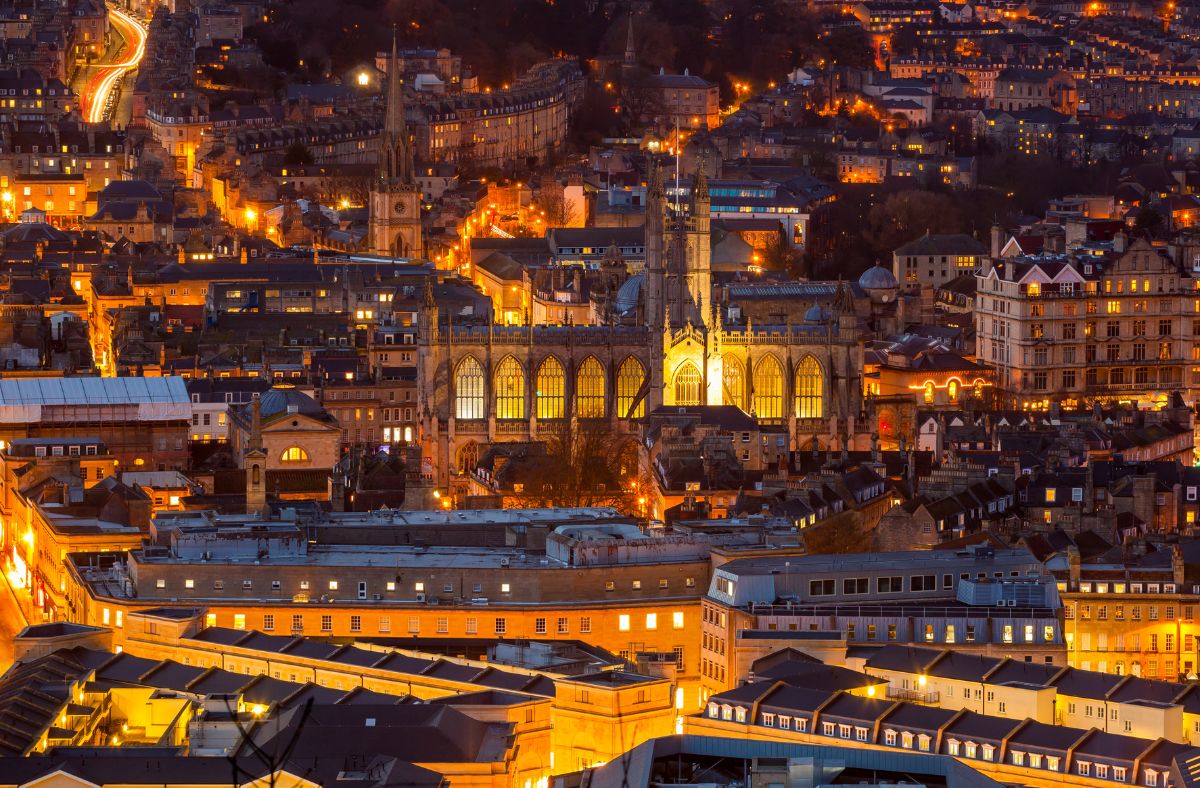
If you’re looking for the best things to do in Bath, you’re certainly not short of options. From exploring the Roman Baths and admiring the city’s Georgian architecture to soaking in a rooftop thermal pool, walking the Bath Skyline or eating your way through a rather enormous Sally Lunn bun, Bath packs an impressive amount into a very walkable city.
I used to live just down the road in Bradford-on-Avon, so Bath was somewhere I regularly visited at weekends rather than somewhere I’ve simply passed through once. And while some of its most famous attractions absolutely deserve their reputation, there are also plenty of brilliant things to do that are unusual, outdoors or completely free.
In this guide, I’ve brought together the places I think are genuinely worth your time, including the big Bath attractions you shouldn’t miss on a first visit and a few alternatives for when you’ve had your fill of Georgian buildings and Jane Austen. I’ve also included my practical tips on what I’d prioritise if you only have one day, how long to spend in Bath and the best time to visit.

DISCLOSURE: This post may contain affiliate links, meaning I get commission if you decide to make a purchase through my link at no cost to you.
What's in this post:
What are the best things to do in Bath?
If it’s your first time in Bath, I’d prioritise the Roman Baths, Bath Abbey, Pulteney Bridge and the Royal Crescent. They’re the classics for a reason and, with the exception of the Roman Baths, you can see them all while simply walking around the city.
If you have more time, soak in the rooftop pool at Thermae Bath Spa, eat a Sally Lunn bun, explore No. 1 Royal Crescent, walk the Bath Skyline and head underground on the Two Tunnels Circuit. Bath is compact enough that you can see several of its highlights in one day, although I’d recommend staying for at least a weekend if you want to experience the city without rushing.
Best things to do in Bath
Want an easy way to get between the sights? Bath is very walkable, but if you’d rather save your legs, the City Sightseeing Bath Hop-On Hop-Off Bus covers many of the city’s main attractions and also heads out towards the Bath Skyline. It’s particularly useful if you have limited mobility, are travelling with children or simply don’t fancy tackling Bath’s hills all day.
1. Visit the Roman Baths
If you only pay to visit one attraction in Bath, I’d make it the Roman Baths. After all, without the natural hot springs there probably wouldn’t be a city called Bath in the first place.
The baths were developed by the Romans around the sacred spring more than 2,000 years ago, and today you can walk around the remarkably well-preserved remains of the bathing complex, see the original Roman paving and explore the museum filled with objects discovered at the site. The gilt bronze head of Sulis Minerva is one of its most important finds.
What makes the Roman Baths worth visiting, though, is that this isn’t simply a collection of old stones with signs beside them. The displays and audio guide do a good job of showing what the complex would actually have been like when it was full of people bathing, socialising and worshipping here.
Unsurprisingly, this is one of Bath’s busiest attractions, so I’d book ahead and choose an earlier time slot if you can. During summer there are also occasional late openings, which are worth looking out for if you’d rather experience the baths when the light is softer and the day-trippers have started disappearing.
Allow: Around 1.5–2 hours.
Prefer to explore with a guide? This Roman Baths and Bath Walking Tour combines a guided walk through Bath with a visit to the Roman Baths, so it’s a particularly good option if this is your first visit and you want to understand what you’re looking at rather than simply ticking off the main sights.

2. Climb Bath Abbey Tower
Bath Abbey is impressive from ground level, but if you’re physically able to manage the stairs, I think the Tower Tour is the more interesting way to experience it.
The guided tour takes you behind the scenes rather than simply around the main Abbey. You climb into the tower, visit areas such as the ringing chamber and clock, and eventually emerge with fantastic views over Bath’s rooftops. There are more than 200 steps involved, so this is not one for anyone hoping for a leisurely lift to the top!
The Tower Tour ticket also includes entry to the Abbey itself and its Discovery Museum, so I’d do the whole thing together rather than treating them as separate attractions.
Even if you decide against the climb, take time to look at the Abbey’s fan-vaulted ceiling. I’m not someone who automatically adds every church and cathedral to an itinerary, but this is one I think is genuinely worth going inside.
Good to know: The tower involves narrow spaces and lots of stairs, so check the accessibility information before booking if mobility, vertigo or claustrophobia could be an issue.

3. Walk across Pulteney Bridge and see Pulteney Weir
You don’t need to pay for every memorable thing you do in Bath. Pulteney Bridge is one of the city’s most recognisable landmarks and somewhere almost everyone visiting Bath will naturally end up passing.
Built in the 18th century, what makes it particularly unusual is that it has shops built across it. In fact, when you’re walking along the road itself, it is surprisingly easy to forget you’re standing on a bridge at all.
For the classic view, however, you need to get off it. Walk down towards the river so you can see Pulteney Bridge together with the curved Pulteney Weir below it. This is one of my favourite views in Bath and a good example of why simply wandering around the city is one of the best things you can do here.
From here, you can also continue walking alongside the River Avon or pick up a boat trip if your feet have decided they’ve seen quite enough Georgian architecture for one afternoon.

4. See the Royal Crescent
There are certain places that you’ve seen so many times in photographs that you wonder whether they’ll actually be that impressive in real life. For me, the Royal Crescent still is.
The sweeping crescent of 30 Georgian houses was built in the 18th century and remains one of Bath’s defining landmarks. You can simply walk up, admire it and continue sightseeing, but if the weather is good, I’d give yourself a little longer.
The huge lawn in front of the Crescent is perfect for sitting down for a while, particularly after a day spent walking around Bath. Grab something for a picnic and suddenly one of the city’s most famous attractions has cost you absolutely nothing.
This is also somewhere I’d return towards the end of the day. The Bath stone looks particularly beautiful when the late-afternoon light hits it, and you may find it considerably quieter than in the middle of the day.
If you’d like to understand more of the history behind the buildings you’re walking past, a guided walking tour is worthwhile in Bath. This Walking Tour of Bath with a Blue Badge Tourist Guide covers many of the city’s major landmarks with a qualified guide, so I’d particularly recommend it to first-time visitors who enjoy knowing the stories behind what they’re seeing.

5. Step inside No. 1 Royal Crescent
Looking at the Royal Crescent tells you plenty about Georgian Bath from the outside. No. 1 Royal Crescent shows you what life inside one of those houses might actually have looked like.
The first house built on the Crescent has been restored and furnished to represent a wealthy Georgian household between 1776 and 1796. You can explore everything from elegant entertaining rooms upstairs to the servants’ spaces below stairs, which makes the experience much more interesting than simply looking at beautiful furniture.
The museum now uses film and sound as part of its immersive experience, bringing the stories of the people who might have lived and worked in the house into the rooms around you. I particularly like that the interpretation doesn’t only focus on wealthy Georgian society; it also explores the lives of the servants who made that lifestyle possible.
If you’ve spent the morning admiring Bath’s Georgian architecture, this is one of the best places to actually understand the society that created it.
Allow: Around 1–1.5 hours.

6. Soak in the rooftop pool at Thermae Bath Spa
The Roman Baths are where you learn about Bath’s thermal waters. Thermae Bath Spa is where you actually get in them.
The big draw is its open-air rooftop pool, where you can soak in naturally warm, mineral-rich water while looking across Bath’s rooftops and surrounding hills. Going when the air is chilly makes it even better, there is something rather satisfying about being submerged in warm water while everyone on the street below is wrapped in coats.
Your spa session also gives you access to the indoor Minerva Bath and Wellness Suite, which includes steam rooms, an ice chamber and relaxation spaces. Standard spa sessions are two hours, which I think is enough time to enjoy it without sacrificing half a sightseeing day.
This isn’t a cheap thing to do in Bath, but it is one of the experiences I’d actually consider splurging on because it is so connected to the reason Bath exists.
One important thing to know if you’re travelling as a family: Thermae Bath Spa is for ages 16 and over, so this isn’t an activity for younger children.

7. Visit the Jane Austen Centre
You don’t have to be wandering around Bath in a bonnet to notice the city’s obsession with Jane Austen, although during the annual Jane Austen Festival, there is a reasonable chance you actually will encounter someone wandering around in a bonnet.
Austen lived in Bath between 1801 and 1806, and the city appears prominently in both Northanger Abbey and Persuasion. The Jane Austen Centre explores her time here, her family and what life would have been like in Regency Bath.
This is more of an experience than a traditional museum. Costumed characters help bring the story to life, and there are interactive elements including the opportunity to dress in Regency clothing and try writing with a quill.
If you have absolutely no interest in Jane Austen, I wouldn’t call this an essential Bath attraction simply because everyone else tells you it is. But if you’ve read her novels, enjoy literary history or want to understand another side of Bath’s Georgian identity, it is well worth adding to your itinerary.
And if you are a serious Austen fan, look at visiting during the Jane Austen Festival in September, when Bath essentially goes full Regency.
For something more immersive, the Jane Austen’s Bath and History Trail takes you out into the city to explore the places connected with Austen and the Georgian society she wrote about. I’d choose this if you’re more interested in seeing Austen’s Bath in context than spending all your time inside a museum.

8. Have afternoon tea at the Pump Room
Right beside the Roman Baths is one of the most atmospheric places in Bath to stop for afternoon tea: the Pump Room.
This was one of the great social meeting places of Georgian Bath. People came not just to take the spa waters but to see who was there, gossip and generally make sure they were being seen by the right people. Jane Austen knew it well and included the Pump Room in both Northanger Abbey and Persuasion.
Today you can come for breakfast, lunch or afternoon tea, and while it certainly isn’t the cheapest place in Bath to stop for something to eat, you’re paying partly for the setting and history.
You can also taste Bath’s thermal spring water here. I should probably warn you that “mineral-rich” is not necessarily a synonym for “delicious”, but when in Bath…
If you’re already visiting the Roman Baths, combining the two makes much more sense than crossing the city specifically for afternoon tea.

9. Eat a Sally Lunn bun
There are two famous buns associated with Bath, which obviously means the only sensible course of action is to try both in the name of research.
The best known is the Sally Lunn bun, a large, light brioche-style bun served at Sally Lunn’s Historic Eating House. The building itself is part of the attraction: it is one of the oldest houses in Bath, with a tiny museum in the cellar where you can see the remains of the historic kitchen and bakery.
Then there is the Bath bun, a sweeter and richer creation traditionally topped with sugar and currants.
Which is better is the sort of important cultural question I feel you should answer for yourself.
Sally Lunn’s is extremely popular, so don’t be surprised if you have to wait at busy times. If sitting down for a meal doesn’t fit your plans, you can also buy a bun to take away.

10. Walk around The Circus
The Royal Crescent gets most of the attention, but don’t visit it without walking the few minutes to The Circus.
Designed by John Wood the Elder and completed in the 18th century, The Circus is made up of three curved sections of Georgian townhouses forming an almost perfect circle around a central green space.
Look closely at the stonework rather than just taking a photograph and leaving. The façades are decorated with an extraordinary collection of symbols, including acorns, serpents and nautical imagery.
There is also a popular theory that The Circus and Royal Crescent were designed to represent the sun and moon. Whether you buy into all the symbolism or not, walking between the two is one of the easiest ways to appreciate why Bath’s Georgian architecture is so celebrated.
And, once again, it costs absolutely nothing.

11. Visit the Holburne Museum
If you like art, the Holburne Museum is worth the short walk out of the very centre of Bath, and even if you don’t, you may recognise the building before you realise why.
Bridgerton fans will know its exterior as Lady Danbury’s home.
In real life, the Holburne was Bath’s first public art gallery and houses a collection built around the art and objects collected by Sir William Holburne. It also hosts changing temporary exhibitions, so it’s worth checking what’s on before deciding whether to include it.
The museum sits at the end of Great Pulteney Street with Sydney Gardens directly behind it, which means these two work particularly well together rather than requiring separate journeys across Bath.
If you’re travelling on a budget, note that the café and shop can be accessed without museum admission, and there are currently opportunities for free access to the collection at specific times. Check the museum’s website for the latest arrangements before you visit.
Bridgerton fan? The Holburne isn’t the only filming location you can see in Bath. This Bridgerton Walking Tour of Filming Locations and Storylines visits several recognisable locations around the city while explaining how they were transformed into Regency London for the series.

12. Browse Bath Guildhall Market
For somewhere so associated with grand Georgian architecture, Bath is surprisingly good at hiding little pockets that feel completely different.
Guildhall Market is one of them.
Located close to Pulteney Bridge, this historic indoor market is home to independent traders selling everything from food and sweets to books, homeware and gifts. It isn’t enormous, so you don’t need to carve hours out of your itinerary for it, but that’s exactly why I like it.
Pop in while you’re exploring the centre rather than treating it as a major attraction in its own right. It gives you a break from museums and monuments and is also a much better place to browse for something interesting than another generic souvenir shop.

13. Walk the Bath Skyline
If you have spent several hours surrounded by Bath stone and fancy seeing the city from an entirely different perspective, head uphill.
The Bath Skyline Walk is a six-mile circular route through woodland, meadows and farmland on the hills surrounding the city. Along the way, you get wonderful views back across Bath while feeling surprisingly far removed from the streets below.
The full route is around 9.6 km, so allow a few hours and wear decent shoes. It can get muddy, because England.
You don’t have to walk the entire six miles, though. The National Trust also has a shorter three-mile Walk to the View from the city centre, which is a much better option if you want the views without turning your Bath city break into an accidental hiking holiday.
For me, this is easily one of the best free things to do in Bath, particularly if you have more than one day in the city.

14. Explore Prior Park Landscape Garden
For another escape from Bath’s busy centre, head to Prior Park Landscape Garden.
This 18th-century garden was created by local businessman Ralph Allen, with influences from the poet Alexander Pope and possibly Capability Brown. It tumbles down a valley overlooking Bath, with winding paths, lakes, woodland and some fantastic views.
Its most famous feature is the Palladian Bridge, one of only four bridges of this particular design in the world. The reflection of the bridge across the lake is probably the photograph you’ve seen, but the garden deserves more than a dash in, photograph, dash out visit.
Prior Park has undergone substantial restoration in recent years, including work on its historic dams, lakes and cascade, so some older Bath guides online don’t really reflect what you’ll find now.
You also don’t need a car to get here. You can walk from Bath or catch a bus from the centre, although be prepared for hills. Bath likes hills.

15. See Bath from the River Avon
After walking around Bath all day, sightseeing while sitting down starts to sound increasingly attractive.
A boat trip along the River Avon gives you a different view of the city and surrounding countryside, with several operators running cruises from central Bath during the main visitor season.
I wouldn’t prioritise this over the Roman Baths, Royal Crescent or Pulteney Bridge on a first visit if you’re short on time. But if you’re spending a weekend in Bath, it’s a lovely way to slow the pace down for an hour.
If you’d rather be in control of where you’re going, you can also explore sections of the Kennet and Avon Canal by boat. Longer narrowboat hire is a completely different experience and better suited to anyone wanting to make the waterways part of a wider trip rather than squeeze it into a day of sightseeing.

16. Meet Frankenstein at Mary Shelley’s House of Frankenstein
Bath is understandably obsessed with Jane Austen, but she isn’t the only famous author with connections to the city.
Mary Shelley was living in Bath in 1816 while writing much of Frankenstein, and Mary Shelley’s House of Frankenstein takes that connection and runs with it in a considerably less genteel direction than most of Bath’s museums.
This is an immersive attraction rather than a traditional literary museum, using sound, smells, special effects, artefacts and recreations to tell the story of Shelley and her most famous creation. There’s even an enormous animated Creature.
There are also escape rooms and a horror walkthrough experience for anyone who thinks learning about a woman creating one of literature’s most famous monsters at just 18 wasn’t interesting enough already.
If Georgian drawing rooms are beginning to merge into one another, this is a very good antidote.

17. Walk or cycle through the Two Tunnels
This is one of my favourite options for anyone looking for something a bit different to do in Bath.
The Two Tunnels Greenway follows a former railway line through the countryside south of the city, including, unsurprisingly, two railway tunnels. The longest, Combe Down Tunnel, stretches for more than a mile underground.
You can cycle the roughly 13-mile circular route from Bath, which also takes you across impressive viaducts and through the surrounding countryside before looping back towards the city.
And if you don’t fancy hiring a bike, you can walk or run sections of it instead.
The tunnels are cool even in summer, so take an extra layer, and remember that this is a shared path used by cyclists and pedestrians. It’s also completely free if you’re exploring on foot or bringing your own bike.
If you’ve already done the classic Bath sights and want to see a side of the city most day-trippers never reach, I’d put this high on the list.
18. Wander through Sydney Gardens
Finally, for something considerably less strenuous, head to Sydney Gardens.
These historic pleasure gardens sit behind the Holburne Museum and were somewhere Jane Austen herself knew and enjoyed while living nearby. The Kennet and Avon Canal and railway now pass through the gardens, giving them a slightly unusual mixture of Georgian history and everyday Bath life.
You don’t need to dedicate half a day to Sydney Gardens. Instead, combine them with the Holburne Museum or use them as somewhere to slow down between attractions.
That’s part of what I like about them. Not everything you do in Bath needs a ticket, audio guide or important historical fact attached to it. Sometimes you just need a bench, some greenery and half an hour in which nobody asks you whether you’ve seen another Georgian façade yet.

What are the best free things to do in Bath?
Some of the best things to do in Bath are completely free. Start with the city’s Georgian architecture: walk from The Circus to the Royal Crescent, then head down to Pulteney Bridge and Pulteney Weir for one of the prettiest views in the city.
If you want to escape the streets, Sydney Gardens is free to explore, while the Bath Skyline gives you some of the best views over the city. For something a little different, walk or cycle part of the Two Tunnels Greenway, which follows an old railway line through two former railway tunnels.
Honestly, if you’re visiting Bath on a budget, you could spend an entire day exploring without paying for an attraction.
Another budget-friendly way to explore is a GuruWalk Free Walking Tour of Bath. There’s no fixed ticket price, but these tours are tip-based, so you pay the guide what you think the experience was worth at the end. It’s a good option if you’d like a guided introduction to Bath without committing to the price of a traditional walking tour.
What are some unusual things to do in Bath?
If you’ve already seen the Roman Baths and Royal Crescent, there are plenty of more unusual things to do in Bath. Walk or cycle through the mile-long Combe Down Tunnel, discover Bath’s darker literary history at Mary Shelley’s House of Frankenstein, or climb more than 200 steps on a Bath Abbey Tower Tour.
You can also visit the Herschel Museum of Astronomy, in the house where William Herschel discovered Uranus in 1781, or join one of Bath’s evening ghost tours. If you’d like to hear some of those stories rather than go looking for ghosts by yourself, this Fully Guided Bath Ghost Tour explores the darker side of the city after sunset, mixing Bath’s history with local ghost stories and supposedly haunted locations. It’s also a fun way to see the city once the daytime crowds have disappeared.
Jane Austen fans can go beyond the Jane Austen Centre too. Bath features prominently in Persuasion and Northanger Abbey, making a self-guided walk around the places associated with Austen and her novels a good alternative to an organised tour.

What can you do in Bath when it rains?
Quite a lot, thankfully, because this is England and planning a trip around guaranteed sunshine would be optimistic.
The Roman Baths would be my first choice on a rainy day, followed by No. 1 Royal Crescent, the Jane Austen Centre, Holburne Museum or Mary Shelley’s House of Frankenstein. Bath Abbey is another good option, although perhaps save the Tower Tour for a day when you can actually see something from the top.
Alternatively, embrace the water completely and spend a couple of hours at Thermae Bath Spa. Sitting in a steaming rooftop pool while rain falls around you can actually be more atmospheric than visiting on a warm sunny day.
Just remember that Bath itself is very walkable, so you’ll still spend some time outside getting between attractions. Bring a waterproof. This is Britain, after all.
Things to do near Bath
If you have more than a weekend in Bath, it’s worth exploring beyond the city centre. Prior Park Landscape Garden is the easiest addition: despite feeling much more rural, it’s close enough to reach on foot or by bus from central Bath, so you don’t really need to treat it as a separate day trip.
I’d also recommend Bradford-on-Avon, particularly because I used to live there and still think it’s one of the prettiest small towns in this part of England. It’s only a short train journey from Bath, with historic buildings, the medieval Tithe Barn and lovely walks along the Kennet and Avon Canal.
If you have a car, you can venture further into the Cotswolds. Castle Combe is one of the closest and most photogenic villages, although I’d avoid trying to squeeze half the Cotswolds into the same day as Bath. Both deserve more than a rushed photo stop.
For something completely different, Stonehenge is also within day-trip distance. Personally, I’d only combine it with Bath if your time in England is limited; otherwise, give Bath the full day it deserves.

How many days do you need in Bath?
You can see the main sights in one day in Bath, particularly because the historic centre is compact and very walkable. If you’re visiting from London, an early train will give you enough time for the Roman Baths, Bath Abbey, Pulteney Bridge, The Circus and Royal Crescent before heading home.
However, I think two days is ideal for Bath. It means you can actually enjoy Thermae Bath Spa, visit a couple of museums, walk the Bath Skyline or Two Tunnels and stop for food without constantly checking the time.
I’d stay for three days if you also want to explore somewhere nearby such as Bradford-on-Avon, Prior Park or the Cotswolds.
So, in short: one day is enough to see Bath; two days is enough to actually enjoy it.
One day in Bath: what I’d prioritise
If I only had one day in Bath, I’d start at the Roman Baths as early as possible, before spending some time inside Bath Abbey next door.
From there, walk to Pulteney Bridge and Pulteney Weir, then make your way through the centre towards The Circus and Royal Crescent. This route naturally takes you past plenty of Bath’s beautiful Georgian streets, so you don’t need a separate architecture tour just to appreciate them.
I’d then choose one additional experience based on what interests you most: No. 1 Royal Crescent for Georgian history, the Jane Austen Centre for literature, or Thermae Bath Spa if you’d rather finish your day soaking in warm water than looking at another historic building.
And somewhere along the way, have a Sally Lunn bun. Obviously.
The biggest mistake I’d avoid is trying to tick off all 18 things in this guide. Bath is compact, but that doesn’t mean you need to treat it like a sightseeing obstacle course.

When is the best time to visit Bath?
There isn’t really a bad time to visit Bath, but spring and early autumn would be my first choices. You have a reasonable chance of good walking weather without the busiest summer crowds, and the surrounding countryside looks particularly lovely.
Summer brings longer days and plenty happening around the city, but July and August are also busy. If you’re visiting during the school holidays, I’d book the Roman Baths, Thermae Bath Spa and accommodation in advance.
Autumn works particularly well if you want to combine sightseeing with the Bath Skyline or Prior Park, while winter gives Bath a completely different atmosphere. The Bath Christmas Market takes over the streets around the historic centre in late November and December and is hugely popular, so expect both festive atmosphere and considerably more people.
As for the weather? This is England. I wouldn’t choose your month based on rainfall statistics and expect the weather to cooperate. Bring layers and something waterproof.
How to get to Bath
By train
For most visitors, the train is the easiest way to get to Bath. Bath Spa station is right in the city centre, within easy walking distance of the Roman Baths, Bath Abbey and most of the attractions in this guide.
Direct trains from London Paddington to Bath Spa take around 80 minutes, which is why Bath works so well as a day trip from London. There are also frequent connections from Bristol and other cities across southern England.
If you’re arriving by train, you really don’t need a car once you’re here.
By coach
National Express and FlixBus connect Bath with London and other UK cities, and coaches can be considerably cheaper than the train if you book ahead and aren’t in a rush.
Bath Bus Station is beside Bath Spa railway station, so again, you arrive right in the centre rather than somewhere miles outside the city.
By car
You can drive into Bath, but unless Bath is part of a larger road trip, I wouldn’t particularly recommend it. The city centre is compact, traffic can be slow and parking isn’t cheap.
A better option is generally one of Bath’s three Park & Ride sites, where you can leave the car outside the centre and take a bus in.
Bath also has a Clean Air Zone, although private cars and motorbikes are currently not charged. Some higher-emission vehicles, including certain vans, motorhomes, taxis and minibuses, may be, so check the current rules if you’re travelling in anything other than a normal private car.
Flying to Bath
Bath doesn’t have its own airport. Bristol Airport is the closest, around 19 miles away, with direct bus connections to Bath.
If you’re flying into London, Heathrow has direct coach connections to Bath, or you can travel into London Paddington and take the train from there.

Where to stay in Bath
If you’re only spending one or two nights in Bath, I’d stay within walking distance of the historic centre. You’ll pay a little more for the location, but being able to walk to the Roman Baths in the morning and back from dinner in the evening makes a short city break much easier.
These would be my three picks at different budgets:
Budget: The Z Hotel Bath
If you’re looking for somewhere affordable without staying miles outside the city, The Z Hotel Bath is my pick. The rooms are compact (this isn’t somewhere I’d book because I planned to spend hours lounging around my hotel) but the location is fantastic, right in the centre of Bath and within easy walking distance of the main sights.
For a short trip where you essentially want somewhere comfortable to sleep before heading back out to explore, it offers very good value for Bath.
Best for: Budget-conscious travellers who care more about location than room size.
Mid-range: The Yard in Bath Hotel
For something with considerably more character, I’d choose The Yard in Bath Hotel. This small boutique hotel sits within easy walking distance of The Circus, Royal Crescent and the rest of central Bath, but feels much more personal than staying in a big chain hotel.
The individually designed rooms, courtyard and little details give it the sort of atmosphere I’d happily pay a bit more for on a weekend away without jumping all the way to five-star prices.
Best for: Couples and weekend breaks where you want a lovely hotel without going full luxury.
Luxury: No.15 by GuestHouse, Bath
If you’re going to splurge, No.15 by GuestHouse, Bath would be my choice. It’s set inside a Georgian townhouse on beautiful Great Pulteney Street, just a few minutes’ walk from Pulteney Bridge and the historic centre.
The interiors are quirky rather than stuffy, there’s an underground spa, and the hotel is packed with little touches that make it feel like somewhere you’d actually remember staying rather than simply another expensive room.
Bath is already an excellent city for a slightly indulgent weekend, so if the budget allows, this is where I’d lean into it.
Best for: Romantic weekends, special occasions and anyone who wants the hotel to be part of the Bath experience.
FAQs about visiting Bath
Is Bath worth visiting?
Absolutely. Bath is one of those rare UK cities where the main attractions genuinely live up to the hype. The Roman Baths alone are worth coming for, but add the Georgian architecture, thermal spa, museums, independent shops and surrounding countryside and there is easily enough here for a weekend.
It’s also compact enough that you don’t waste half your visit travelling between attractions.
Is Bath a walkable city?
Yes. Bath is extremely walkable, and most of the major sights are within the compact city centre. The Roman Baths, Bath Abbey, Pulteney Bridge, The Circus and Royal Crescent can all easily be combined on foot.
What isn’t always obvious from photographs is that Bath can be quite hilly. Comfortable shoes are considerably more useful here than something chosen purely because it looked nice with your outfit.
Can you visit Bath without a car?
Very easily, in fact, I’d actively recommend it. Bath Spa railway station and the bus station are both in the city centre, and you can walk to most of Bath’s major attractions from there.
Local buses and trains also make it possible to reach places such as Prior Park and Bradford-on-Avon without driving.
Can you visit Bath as a day trip from London?
Yes. Direct trains from London Paddington reach Bath Spa in around 80 minutes, making Bath one of the easiest historic cities to visit from London.
I’d take an early train and pre-book the Roman Baths so you’re not wasting part of your day waiting for an available entry slot.
What is Bath most famous for?
Bath is best known for its Roman Baths, natural thermal springs and Georgian architecture. The entire city is a UNESCO World Heritage Site, and Bath is also part of the transnational Great Spa Towns of Europe World Heritage Site.
The city also has strong connections with Jane Austen, who lived here between 1801 and 1806 and used Bath as a setting in Persuasion and Northanger Abbey.
What should you not miss in Bath?
If it’s your first visit, don’t miss the Roman Baths, Bath Abbey, Pulteney Bridge, The Circus and Royal Crescent.
Those five give you the best introduction to Bath’s Roman and Georgian history and can all comfortably be seen in one day. If you have more time, I’d add Thermae Bath Spa, No. 1 Royal Crescent and the Bath Skyline.
Is Bath expensive to visit?
Bath can be expensive, particularly when you start adding several paid attractions, a spa session and a city-centre hotel.
However, you absolutely don’t need to spend a fortune to enjoy it. The Royal Crescent, The Circus, Pulteney Bridge, Sydney Gardens, Bath Skyline and Two Tunnels can all be enjoyed for free, and simply walking through Bath’s historic streets is a huge part of its appeal.
Is Bath better for a day trip or a weekend?
I’d choose a weekend in Bath if you have the time. A day trip is enough for the main sights, but staying overnight means you can visit the spa, explore beyond the historic centre and enjoy the city once some of the day-trippers have left.
Two nights also gives you the option of walking the Bath Skyline or taking a short trip to Bradford-on-Avon without sacrificing the main Bath attractions.
Final thoughts: Is Bath worth visiting?
I have a bit of a soft spot for Bath because I used to live just down the road in Bradford-on-Avon. Back then, Bath was somewhere I’d pop into at the weekend rather than somewhere I consciously thought about as a travel destination.
Looking back, I probably didn’t appreciate quite how much there was on my doorstep.
The Roman Baths, Royal Crescent and Bath Abbey are famous for good reason, but what makes Bath particularly good for a city break is everything you can add around them. You can soak in naturally heated water, walk through old railway tunnels, follow the skyline into the countryside, disappear into Frankenstein’s world and still have time for an unnecessarily large bun.
If you’re visiting for the first time, give yourself at least one full day. If you can make it two, even better.
More UK travel inspiration
If Bath is part of a longer trip around England, you might also find these useful:
- Best Places to Visit in the Cotswolds
- How to Get Around the Cotswolds by Public Transport
- My Favourite Cotswolds Tour
- Driving in the Cotswolds: What You Need to Know
- Where to Stay in the Cotswolds
- Christmas in the Cotswolds
- Things to Do in Stow-on-the-Wold
- Things to Do in Bourton-on-the-Water

If you have any questions, please do reach out. You can find me on Instagram @bea_adventurous_, or alternatively, you can send me an email at bea@bea-adventurous.com. There is nothing I love more than connecting with my readers, and I am always happy to talk about travel.
If you are interested in other Cotswolds blogs, I suggest you check out:
Top 10 Places to see in North Cotswolds
The Cotswolds by Train: Moreton in Marsh

2 Comments on 25 Best Things to Do in Bath, England (2026 Guide) A complete Guide Including the top FREE things to do in Bath
Be the first to comment