
The Blog

War Gear Through Time From Africa to Medieval Europe

Have you ever wondered how ancient warriors from different corners of the world protected themselves in battle?
The fascinating contrast between European and African armor development showcases how diverse cultures tackled similar challenges with remarkable ingenuity and creativity.
While European knights progressed from chainmail to full plate armor, African warriors innovated with indigenous materials like hardened leather and densely woven cotton, proving that effective protection could be achieved through various means.
Their unique approaches to warrior gear not only reflected their environments and available resources but also shaped entire military traditions that continue to inspire modern protective equipment design.
Disclaimer! All of my blogs may contain affiliate links. This means that if you click on the link and make a purchase I may receive a small amount of commission for the referral at no extra cost to you. This commission is what allows me to continue creating guides to help travellers plan their next trip!
What's in this post:
Armor Evolution in Europe and Africa
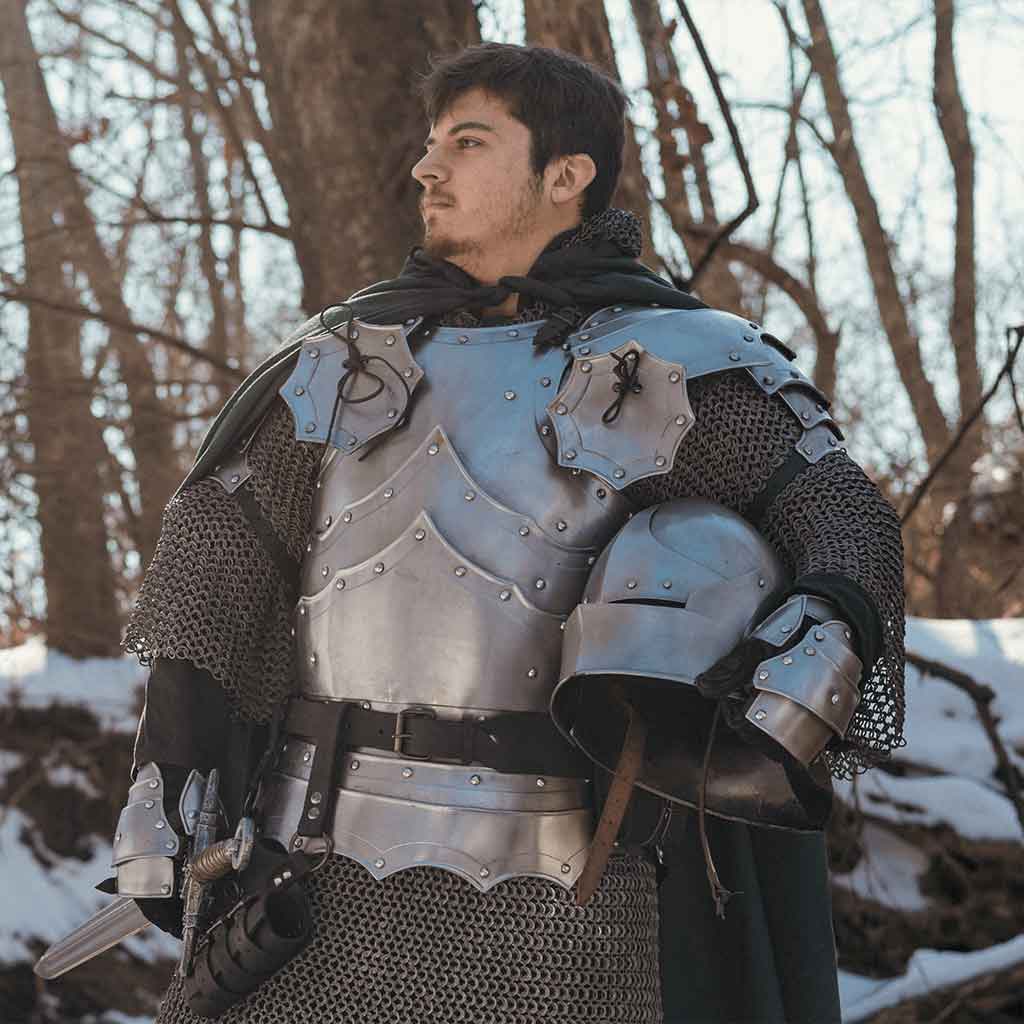
The path of armor development across Europe and Africa demonstrates fascinating differences in craftsmanship and innovation. European blacksmiths progressed from basic mail shirts to intricate plate armor systems, marking a revolutionary change in battlefield protection.
Meanwhile, African warriors displayed remarkable creativity by using indigenous materials like hardened leather and densely woven cotton to craft effective defensive gear. These contrasts underscore how medieval European plate armor evolved along a different technological path than African defensive traditions, each optimized for local needs and environments.
The evolution of European armor reached its peak with the creation of full plate designs that offered unprecedented protection. African tribal warriors developed unique solutions that matched their combat needs, including layered leather armor and reinforced cotton padding.
Some regions even mastered the art of creating their own version of chainmail using local metalworking techniques.
Here’s how protective gear evolved differently across these regions:
- European armor shifted from flexible mail to rigid plates, improving protection against sword strikes.
- African warriors used leather treated with natural oils for durability.
- Cotton armor in Africa provided excellent mobility in hot climates.
- Regional variations in African chainmail showed unique metalworking methods.
These distinct approaches to armor crafting reflect the ingenuity of different cultures. Modern enthusiasts can explore authentic medieval armor recreations to understand the historical significance of these protective innovations.
The combination of European technical precision and African resourcefulness showcases how warriors across continents solved similar challenges through different means.
Physical Demands on Warriors

The rigorous demands of wearing battle gear shaped the training and combat effectiveness of warriors across cultures. European knights carried an extraordinary burden, with their plate armor distributing significant weight across their bodies.
Their armor typically weighed around 7-8kg of armor weight concentrated on their legs, which dramatically affected their movement and fighting capabilities.
African warriors developed distinct approaches to combat readiness, focusing on agility and swift adaptation. Their lighter protective equipment, crafted from natural materials, allowed for quick position changes and rapid response to threats.
This strategic choice proved essential in the hot African climate, where heavy armor would’ve been impractical and potentially dangerous.
The physical requirements for warriors varied significantly based on their equipment:
- Stamina training for extended periods of combat
- Muscle conditioning to handle equipment weight
- Balance exercises for fluid movement in gear
- Heat resistance training for African warriors
The stark contrast between European and African warrior equipment highlighted the importance of environmental adaptation. While European knights needed tremendous strength to function in their protective shells, African warriors relied on speed and tactical awareness.
These differences didn’t just influence combat styles; they shaped entire military cultures and training methods across generations.
Transformation of the Battlefield
The late 15th century marked a pivotal shift in military tactics as battlefield dynamics changed dramatically. European warfare saw a sweeping change where most soldiers wore armor and helmets became standard equipment for protection.
This transformation reflected the growing sophistication of medieval combat and the increasing importance of individual soldier survival.
African warfare developed along a distinctly different path, with protective gear serving dual purposes. Their armor wasn’t just about safety; it told stories through intricate designs and patterns.
Each piece reflected the warrior’s status, tribal affiliation, and battle accomplishments, making it an essential part of their cultural identity. These contrasting developments in European and African warfare can be distilled into the following key patterns:
- European soldiers standardized their protection with uniform armor sets
- African warriors maintained unique regional variations in their gear
- Combat tactics adapted to match the different armor styles
- Battlefield formations changed based on armor mobility
These distinct approaches to warfare equipment shaped how battles were fought. While European armies relied on heavily armored formations, African warriors developed more fluid combat styles that balanced protection with agility.
Their armor choices influenced everything from unit positioning to engagement distances, creating entirely different military traditions.
Impact of Physical Attributes

The evolution of human physical characteristics has played a crucial role in shaping warrior equipment throughout history. As societies advanced, better nutrition and healthcare led to significant changes in human height and build.
These physical transformations directly influenced how protective gear was crafted and modified over time. During the Middle Ages, craftsmen had to adjust their armor-making techniques to accommodate the changing body shapes of warriors.
The relationship between body structure and combat gear wasn’t limited to size adjustments. Insights from human body measurements affected how warriors moved and fought in battle.
The physical capabilities of fighters determined the weight distribution of their gear, the placement of protective elements, and the overall design of combat equipment. These adaptations show how deeply intertwined human biology and warfare technology have always been, creating a continuous cycle of innovation in defensive wear.
Weapons and Symbolism
African tribal warriors carried shields that served as powerful symbols of their clan identity, featuring intricate patterns and designs that told stories of their heritage. These weren’t just defensive tools; they represented social status and cultural values within their communities.
The integration of weapons with protective gear showed remarkable ingenuity, as warriors often paired their shields with specific spears or clubs that complemented their fighting style.
European medieval warriors developed comprehensive combat systems that merged offense and defense. Some distinctive features of medieval warfare equipment include:
- Longswords paired with specific plate armor gaps for maximum mobility
- Battle axes designed to hook and pull opponents’ shields
- Specialized maces crafted to dent and damage enemy armor
- Daggers shaped to pierce through chain mail weak points
The choice of materials played a crucial role in shaping warrior equipment. While European blacksmiths forged steel weapons to match their plate armor, African craftsmen expertly worked with local resources like hardwoods and animal hides.
The traditional designs continue to inspire modern interpretations, which can be explored further through resources such as medieval armor. Each weapon and piece of armor reflected the unique challenges and resources of its environment, creating distinct fighting traditions that have left lasting impressions on military history.
Historical Legacy
The fascinating contrast between European and African warrior equipment reveals how different cultures developed unique solutions to similar challenges, shaped by their environments, resources, and combat philosophies.
Each civilization’s approach to armor crafting not only protected its warriors but also reflected deeper cultural values and tactical innovations that continue to captivate military historians today.
The enduring legacy of these diverse martial traditions serves as a powerful reminder that innovation knows no cultural bounds and that human ingenuity flourishes in unique ways across different societies.

Comments will load here
Be the first to comment