
The Blog

Where to Stay in Dakar: The Best Areas for Your Trip
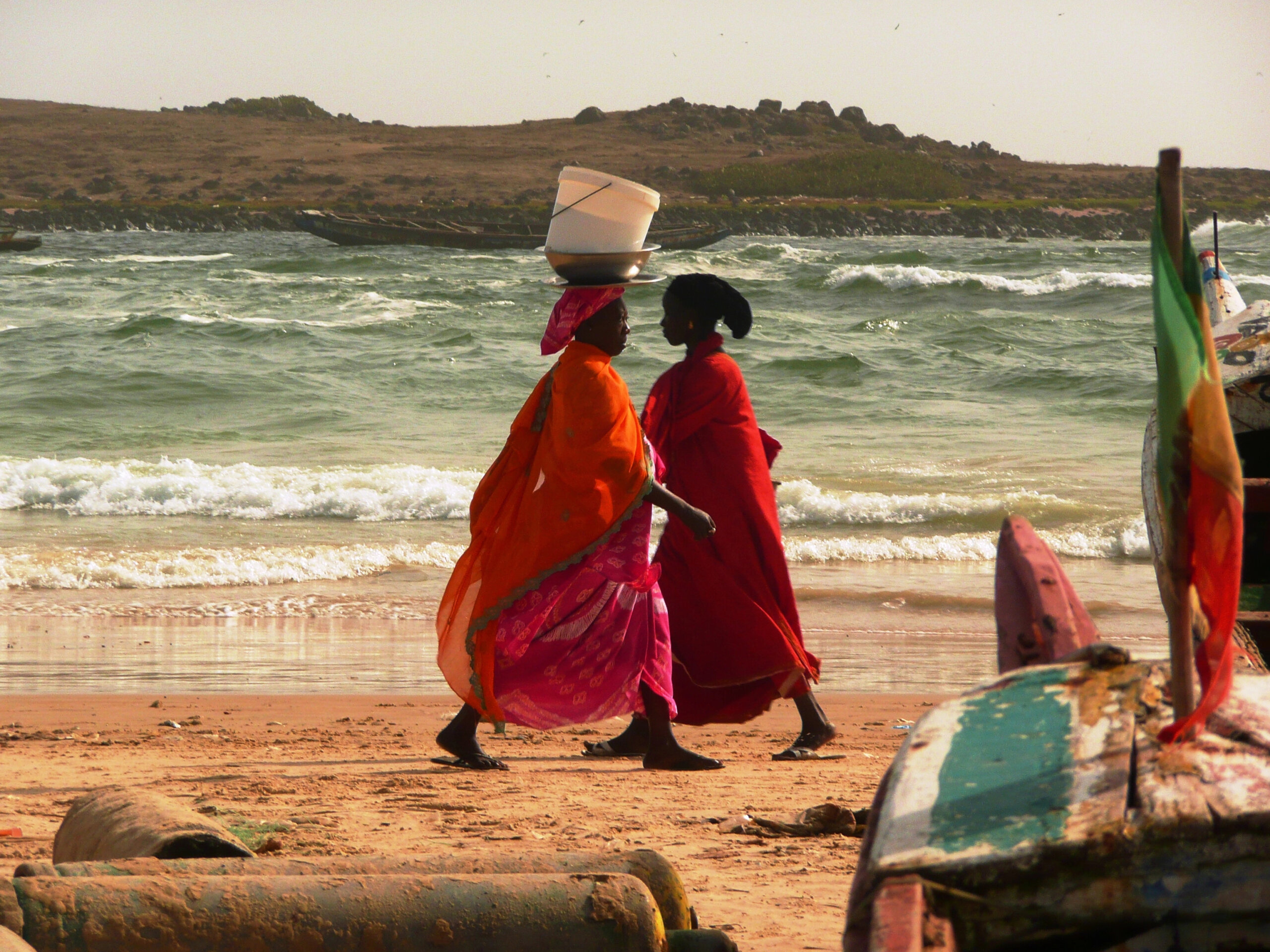
Deciding where to stay in Dakar is more important than simply finding a Dakar hotel you like the look of. Senegal’s capital spreads along the Cap-Vert Peninsula, and staying beside the beaches and restaurants of Almadies creates a very different trip from basing yourself among the bustle of central Plateau. Dakar traffic also means that somewhere looking reasonably close on a map doesn’t necessarily make it reasonably close in real life.
I stayed at Casa Mara Dakar during my time in the city, using it as the starting point for my overland journey through Senegal, The Gambia and Sierra Leone. It was comfortable, had a lovely tiled courtyard and pool, and, importantly after a long day exploring, the restaurant served genuinely good food. The breakfast wasn’t quite what I’d expect from an international hotel, but it was perfectly adequate and I would happily use Casa Mara as my Dakar base again.
That said, it isn’t necessarily where you should stay. Your best neighbourhood depends on your budget, travel style and what you actually want to do in Dakar. Here’s how the main areas compare.

Disclaimer! All of my blogs may contain affiliate links. This means that if you click on the link and make a purchase I may receive a small amount of commission for the referral at no extra cost to you. This commission is what allows me to continue creating guides to help travellers plan their next trip!
What's in this post:
Where to Stay in Dakar
Dakar Senegal has everything from small boutique hotels and guesthouses to beachfront resorts and international luxury hotels. More importantly, its neighbourhoods have very different personalities.
For sightseeing and city life, Plateau makes sense. For restaurants, beaches and evenings by the ocean, look towards Almadies or Ngor. Les Mamelles gives you another coastal option, while areas such as Mermoz-Sacré-Cœur and Fann are useful if you’d rather position yourself somewhere between Dakar’s extremes.
Where Is Dakar?
Dakar sits on Senegal’s Cap-Vert Peninsula, which juts westwards into the Atlantic Ocean. In fact, Pointe des Almadies is the westernmost point of mainland Africa, something I think makes standing there considerably more interesting than your average trip to the seaside.
That geography has shaped the city. Dakar is surrounded by ocean on three sides, with neighbourhoods stretching across the peninsula rather than radiating neatly from one obvious tourist centre. Consequently, choosing where to stay isn’t simply a question of how far your hotel is from “central Dakar.”
If you’re still working out what you actually want to see while you’re here, start with my guide to things to do in Dakar before choosing your neighbourhood.
Getting a Sense of Dakar’s Size and Layout
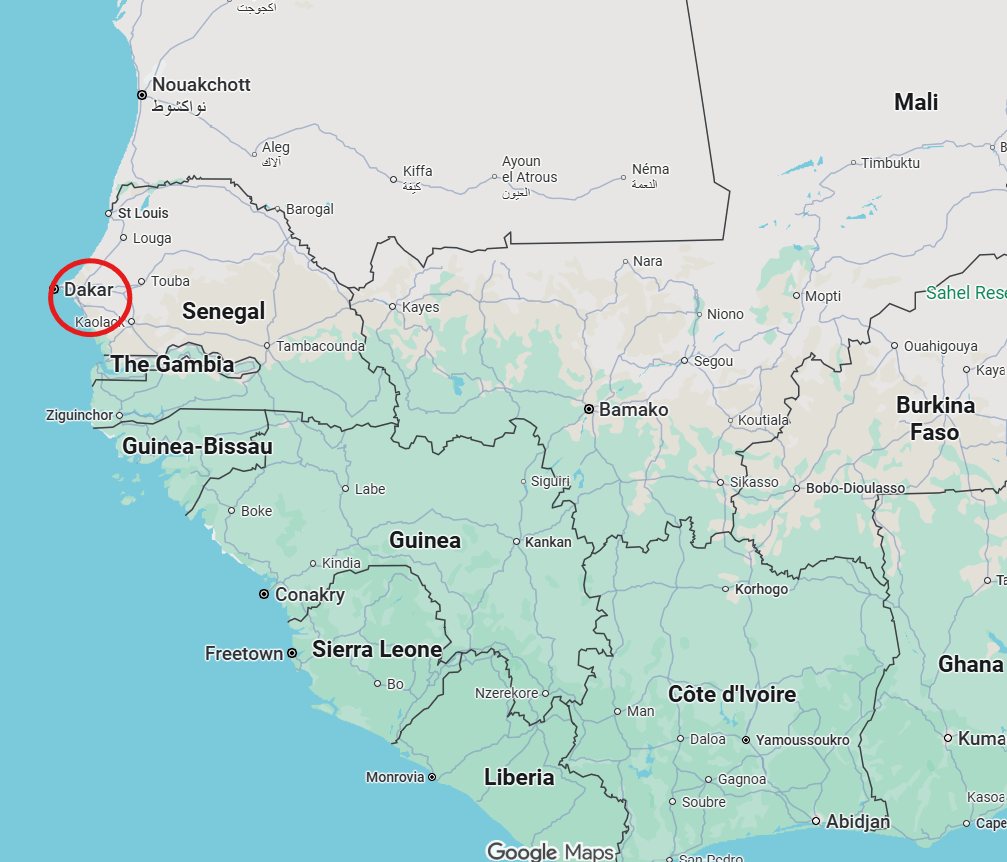
Dakar is one of those cities where looking at Google Maps can give you a dangerously optimistic idea of how quickly you’ll get somewhere. Traffic can be heavy, particularly at busy times, so I wouldn’t choose accommodation assuming you’ll simply zip backwards and forwards across the city whenever you fancy.
Plateau occupies the southern end of the peninsula, while Almadies and Ngor sit much further northwest along the coast. Between them are neighbourhoods including Fann, Mermoz-Sacré-Cœur, Ouakam and Les Mamelles. This is why I would choose your Dakar hotel according to where you expect to spend most of your time, rather than automatically booking whichever has the best reviews.
Best Areas to Stay in Dakar
There isn’t one universally “best” area to stay in Dakar. A first-time visitor wanting to pack in Dakar’s main sights may value Plateau’s location, while someone who imagines seafood dinners overlooking the Atlantic will probably be happier around Almadies or Ngor.
These are the areas I’d consider first.
Plateau: Best for Sightseeing and a Short First Visit
Plateau is Dakar’s historic, administrative and commercial centre. It puts you close to places including Kermel Market, museums and the port, making it particularly convenient if you’re planning to take the ferry across to Gorée Island.
This is the area I’d consider if you have limited time and sightseeing is your priority. You’ll find a mixture of mid-range and more expensive accommodation, restaurants and plenty happening around you during the day.
The compromise is atmosphere. Plateau feels much more urban than Dakar’s western coastal neighbourhoods, and it can be busy and noisy. If your mental image of staying in Dakar involves waking up near the Atlantic and wandering to a beachfront restaurant in the evening, this probably isn’t the area I’d choose.
Where I’d stay in Plateau: Le Ndiambour Hôtel et Résidence would be my pick here. I haven’t stayed personally, but reviews consistently praise its location, friendly staff and comfortable, clean rooms. It also has a swimming pool, which is a definite bonus after a hot day exploring Dakar. Most importantly, its central location makes sense if sightseeing rather than beach time is the priority.

Almadies: Best for Restaurants, Nightlife and the Coast
At the opposite end of the experience is Almadies, one of Dakar’s most upmarket neighbourhoods. It occupies the western end of the peninsula and combines oceanfront restaurants, beaches, bars, modern accommodation and some of the city’s luxury hotels.
If eating well and being near the sea feature heavily in your travel experiences, Almadies is probably one of the first places I’d look. It’s particularly appealing if you want evenings to be part of your holiday rather than simply returning to your hotel once you’ve finished sightseeing.
However, you’re some distance from Plateau and its attractions, so expect to use taxis or ride-hailing services when exploring elsewhere. Almadies can also feel more polished and internationally oriented than other parts of Dakar. Whether that’s a benefit or a drawback depends entirely on your travel style.
Where I’d stay in Almadies: L’Adresse Dakar looks like an excellent mid-range choice if you want the restaurants and coast of Almadies without moving into full luxury-hotel territory. Guests particularly praise the staff, comfortable rooms and quiet atmosphere, and there’s also a swimming pool and restaurant. You’re within walking distance of the beach, making this a good choice if you want Dakar to feel at least partly like a holiday.
Ngor: Best for Beaches and a More Relaxed Coastal Stay
Next to Almadies, Ngor offers another excellent coastal base but with a slightly different feel. The old fishing village sits beside Ngor Beach, and small boats cross the water to Île de Ngor, making this an especially appealing area if you want to combine exploring Dakar with time around the ocean.
Ngor has accommodation ranging from guesthouses to more comfortable hotels and gives you easy access to the restaurants and nightlife around Almadies without necessarily putting you right in the middle of them.
I’d particularly consider Ngor for a longer stay, surfers or anyone who doesn’t need to spend every day around central Dakar. If you’re only visiting for a night or two and want to cram in the major sights, the travelling backwards and forwards may become frustrating.
Where I’d stay in Ngor: If my budget allowed, BOMA Lifestyle Hotel would be my choice. It’s one of the best-reviewed hotels I found while researching this guide, with guests repeatedly praising the beautiful design, gardens, pool, comfortable rooms and exceptional staff. It’s also only around five minutes’ walk from Ngor Rights Beach, so you get the relaxed coastal location without sacrificing the comforts of a very good hotel.

Les Mamelles and Ouakam: Best for a Coastal Base Away From Almadies
Around Les Mamelles and neighbouring Ouakam, you’re still on Dakar’s Atlantic side but away from the heart of Almadies. The area is close to two of the city’s most recognisable landmarks: the African Renaissance Monument and Mamelles Lighthouse, while the coast around Ouakam is also home to the striking Mosque of the Divinity.
This part of Dakar can work well if you want a residential, coastal base while remaining reasonably positioned between Plateau and the far western end of the peninsula. Accommodation includes apartments, guesthouses and smaller hotels rather than simply large resorts.
It’s worth checking the exact location before booking, though. “Les Mamelles” covers a broader area than one convenient strip of hotels, restaurants and attractions, so two properties listed under the same neighbourhood can offer quite different experiences.
Mermoz-Sacré-Cœur and Fann: Best for a Quieter, More Central Base
This part of Dakar doesn’t get the same attention as Plateau or Almadies, but its position is precisely what makes it useful. Mermoz, Fann and nearby Point E form a largely residential part of the city between central Dakar and the western coastal neighbourhoods.
It’s also where I stayed.
Casa Mara Dakar is in SICAP Amitié, around the Mermoz-Sacré-Cœur area. It’s a small boutique hotel rather than one of Dakar’s big international properties, with a courtyard, outdoor pool and plenty of colourful tiles. The hotel describes its design as Andalusian, which explains why it felt strangely familiar to someone coming from Spain.
My room was comfortable and I really liked the property itself, but the unexpected highlight was the restaurant. It serves both Senegalese and Spanish food, and I ate very well there. That’s particularly useful when you’ve spent the whole day exploring and the enthusiasm required to go hunting for another restaurant has disappeared completely.
Breakfast was more basic and wasn’t what I’d describe as international hotel standard. It was still perfectly good enough for me, however, and I am happily staying at Casa Mara again next month. For my trip, when Dakar was the starting point of a much bigger West African adventure rather than a standalone beach holiday, it worked very well.

Corniche Ouest and Terrou-Bi: Best for a Luxury Hotel Stay
If your priority is a proper resort-style stay, look towards the Corniche Ouest. This is where you’ll find Terrou-Bi, one of Dakar’s best-known five-star luxury hotels, positioned on the coast between Plateau and the western neighbourhoods.
Terrou-Bi has the advantage of feeling removed from the city while remaining relatively well positioned for exploring it. The hotel itself states that it’s around ten minutes from central Dakar and Almadies by car, with Plateau reachable in under 15 minutes in favourable traffic.
This isn’t the option I’d choose if you’re travelling Senegal on a tight budget or primarily want a small, characterful base. But if you want the facilities of a luxury hotel, sea views and somewhere you can happily spend downtime between excursions, this stretch of coast makes considerably more sense.
How to Choose the Best Place to Stay in Dakar
Before booking, I would think about how you genuinely plan to spend your days rather than trying to identify the neighbourhood that somebody else has declared “best.”
- For first-time sightseeing: Plateau puts you closest to many central attractions and the Gorée ferry.
- For restaurants and nightlife: Almadies is the obvious choice, particularly if budget isn’t your main concern.
- For beaches and a relaxed atmosphere: Look at Ngor and the western coastal neighbourhoods.
- For a quieter, well-positioned base: Consider Mermoz-Sacré-Cœur, Fann or Point E. Casa Mara worked particularly well for me here.
- For luxury: Look along the Corniche and at hotels such as Terrou-Bi.
- For budget: Compare guesthouses and smaller hotels outside the most expensive parts of Plateau and Almadies rather than assuming you need to stay in the tourist hotspots.
- For walkability: Check what’s immediately around your individual hotel. Dakar is too spread out to choose a neighbourhood based on walkability alone.
- For exploring: Don’t underestimate traffic. Staying closer to the places you’ll visit most often can be worth paying slightly more.
So, Where Would I Stay in Dakar?
I’m returning to Dakar next month to lead another West Africa tour, and I’ve booked Casa Mara again. That probably tells you more than any glowing hotel description could. I liked the smaller scale, my room was comfortable, the tiled courtyard gave it plenty of character, and having a genuinely good restaurant on site made it an extremely easy base before setting off across West Africa.
If Dakar itself were the main focus of my trip, however, I’d make the decision differently. I’d choose Plateau for a short, sightseeing-heavy visit, Ngor for something more relaxed, or Almadies if restaurants, nightlife and the coast were priorities. If I wanted to splurge, I’d look at the luxury hotels along the Corniche.
That’s really the key to deciding where to stay in Dakar: don’t look for the universally best neighbourhood, because there isn’t one. Work out what you want your time in the city to feel like, then choose the part of Dakar that makes that easiest.
Dakar is also a brilliant starting point for exploring more of West Africa, as I’m doing again next month. And if Senegal is only the beginning of your plans for the continent, you might also want to save my southern Africa safari itinerary or my Tanzania Safari Itinerary for a completely different African adventure.

Comments will load here
Be the first to comment