
The Blog

Is San Sebastian Expensive? (An Honest Guide to Costs in Donostia)
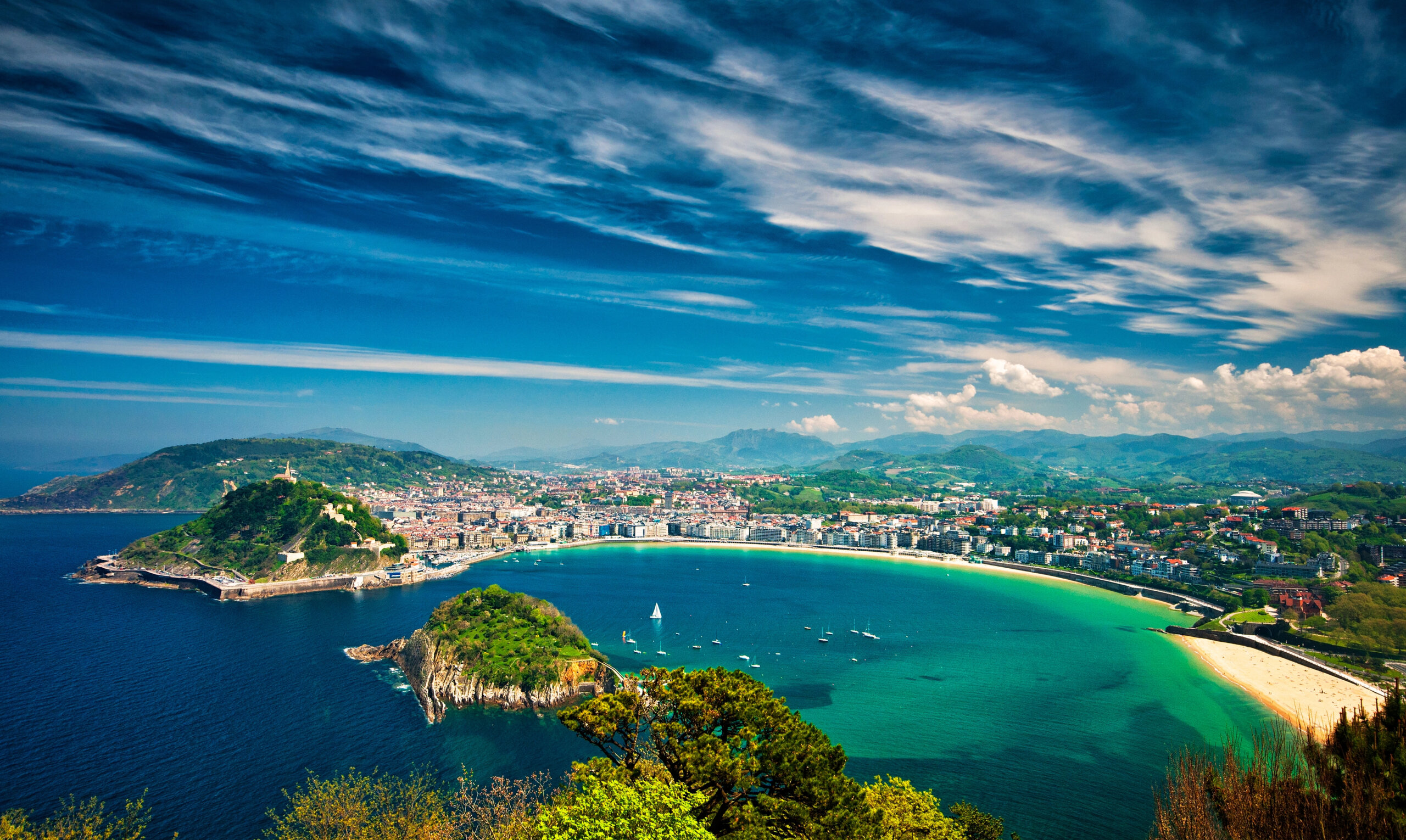
If you’re asking is San Sebastian expensive?, you’re not alone. It’s one of the most common questions people ask before visiting, and usually, it’s followed by a slightly nervous pause, like they’re bracing themselves for bad news.
So let’s get straight to it.
Yes, San Sebastian is expensive.
But not in the way people think.
Because this isn’t a place where everything is overpriced and out to drain your wallet. It’s a place where you can spend a lot of money very quickly… or travel smart and have an incredible experience without feeling like you’ve been financially mugged by pintxos.
And the difference between those two experiences?
It’s not budget.
It’s how you approach the city.

Disclaimer! All of my blogs may contain affiliate links. This means that if you click on the link and make a purchase I may receive a small amount of commission for the referral at no extra cost to you. This commission is what allows me to continue creating guides to help travellers plan their next trip!
What's in this post:
So… Is San Sebastian Expensive Compared to the Rest of Spain?
Short answer: yes.
Longer answer: it depends what you compare it to.
San Sebastian (or Donostia, if we’re being local about it) is one of the most expensive cities in Spain. It sits comfortably above places like Seville, Valencia, and Granada, and even edges ahead of Bilbao in many areas, especially accommodation.
Compared to Madrid or Barcelona, it’s a bit more nuanced. You won’t necessarily notice a huge difference in food prices, but accommodation and overall “daily spend” can creep higher in San Sebastian, particularly in peak season.
But here’s the key thing most articles miss: San Sebastian isn’t expensive across the board.
It’s selectively expensive.
You can eat cheaply. You can walk everywhere. You can spend entire days doing things that cost absolutely nothing.
But if you get certain decisions wrong, mainly where you stay and how you eat, it adds up quickly.

Why Is San Sebastian So Expensive?
Before we get into numbers, it helps to understand why San Sebastian has this reputation.
Because once you get that, the prices start to make a lot more sense.
It’s a Small City With a Big Reputation
San Sebastian is tiny.
Not “cute small.” Actually small.
And yet, it’s globally known as one of the food capitals of the world, with more Michelin stars per square metre than almost anywhere else.
That combination (limited space, huge demand) drives prices up.
Tourism, Wealth, and Local Culture Collide
This isn’t a backpacker hub.
San Sebastian attracts:
- Wealthy Spanish holidaymakers
- Food-focused international travellers
- Weekend visitors from France
And the city hasn’t adapted itself to be “budget-friendly” in the way other destinations have.
It hasn’t needed to.

You’re Paying for Quality (Not Just the Name)
This is where things shift.
Because in many places, high prices mean inflated costs.
In San Sebastian, high prices often mean:
- better ingredients
- higher standards
- more care in preparation
That doesn’t mean everything is worth it.
But it does mean you’re rarely paying for nothing.
How Expensive Is San Sebastian Really? (Real Price Breakdown)
Let’s get practical.
Here’s what you can realistically expect to spend.
Accommodation Costs (This Is Where It Hurts Most)
If San Sebastian feels expensive, it’s usually because of accommodation.
Budget options are limited, and prices rise quickly in summer.
- Budget (€70–€120/night):
Basic pensions or hostels like A Room In The City Hostel - Mid-range (€120–€250/night):
Solid, comfortable options like Hotel Arbaso or One Shot Tabakalera House - Higher-end (€250+):
Places like Hotel Maria Cristina or Lasala Plaza Hotel
The Old Town (Parte Vieja) is the most expensive area, and honestly, not always the best place to stay unless you love noise at 2am.
Gros is usually a smarter choice. Slightly cheaper, better vibe, still walkable.
I have written a full Guide to Where to Stay in San Sebastian to help you choose.

Food & Drink Costs
This is where people get confused.
Because food can be cheap.
Or not.
- Pintxos: €2–€5 each (more for premium)
- Beer/wine: €2.50–€4
- Menu del Día: €15–€25
- Michelin dining: €100+ per person
If you do pintxos the “tourist way” (stay in one bar, order loads), it adds up fast.
If you do it the local way (1–2 pintxos per bar, move on), it’s surprisingly reasonable (especially if you use the trick I’ll share further down!).

Transport Costs
Here’s the good news:
San Sebastian is incredibly walkable.
You’ll barely spend anything on transport once you’re there.
But getting there, and parking, is where costs creep in.
The Parking Reality (No One Warns You About This)
Parking in San Sebastian is… painful.
If you’re staying near the Old Town, expect to pay around €30 per day for parking.
And that’s if you can even find a space. Streets are narrow. Spaces are tight. Stress levels rise quickly.
Now compare that to this:
The train from Bilbao to San Sebastian costs around €7 and takes about 2.5 hours on a scenic route.
No parking stress. No squeezing into impossible spaces. No circling the same block wondering if you should just abandon your car and burn it!
Unless you’re planning to explore more of the Basque coast, the train is often the smarter (and cheaper) option.

Activities & Experiences
A lot of the best things in San Sebastian are free:
- Beaches
- Coastal walks
- Hiking up Monte Urgull or Igueldo
Paid experiences include:
- Cooking classes (worth it) – I recently did one with SSCC – you can read about my experience here.
- Pintxos tours (also worth it) – I’ve also written about my food tour experiences here
- Boat trips
These can range from €40–€250 depending on what you choose.
The Truth About Pintxos Prices (Because This Is What Everyone Wants to Know)
Let’s address it properly.
Pintxos are not cheap tapas.
They can be affordable, but they’re not designed to be budget food.
And this is where most people go wrong, not because they don’t understand pintxos culture, but because they don’t understand how to adapt it to their trip.
You’ll hear a lot about “doing pintxos the right way.”
👉 One or two pintxos.
👉 One drink.
👉 Move to the next bar.
And yes, that’s how locals often do it.
But here’s the part no one really talks about:
There’s also a budget-friendly way to do pintxos, and it’s even simpler.

Eat Less. Enjoy More.
If you’ve had a proper Menu del Día at lunch (three courses, wine, the whole thing), you don’t need a full dinner.
You just don’t.
So instead of turning pintxos into a full-blown evening event, you can simply go out and have:
- One pintxo
- Maybe two if you’re feeling generous
- A drink
And that’s it. Dinner done.
For me, and I’m not exactly known for eating like a bird, that’s often more than enough after a big lunch.
And suddenly, even in a city where people say food is expensive, you’re looking at a €10–€15 dinner that’s genuinely satisfying.
And honestly? Delicious.

The Real Problem Isn’t the Price. It’s Self-Control.
Because let’s be honest. The challenge isn’t whether one or two pintxos is enough. It’s whether you can stop at one or two.
San Sebastian is basically designed to test your willpower:
- everything looks incredible
- every bar has “just one more thing” you want to try
- and before you know it, you’ve had six pintxos and a vague sense of financial regret
What Locals Actually Do (Beyond the Stereotype)
There’s this idea that locals are constantly doing full pintxos crawls every night.
They’re not.
Sometimes they do, yes.
But often?
They:
- eat a proper lunch
- go out in the evening
- have something small
- keep it light
A couple of pintxos. A salad. Something simple. Because not every meal needs to be an event.

The Takeaway
If you treat pintxos like a full dinner, San Sebastian feels expensive.
If you treat them like what they often are (small, high-quality bites) you suddenly have control over your budget.
And that’s when the city starts to feel a lot more accessible.
How to Visit San Sebastian Without Spending a Fortune
This is where everything shifts.
Because yes, San Sebastian is expensive…but it’s also manageable.
Eat Smart (Not Just Cheap)
Menu del Día is your best friend.
Three courses, wine included, often for €15–€20.
Also:
- Avoid the most obvious Old Town bars
- Venture into Gros or quieter streets
- Do pintxos outside of the Old Town (with the locals and at affordable prices!)
Stay Just Outside the Centre
Gros is ideal. Amara is cheaper but less atmospheric.
You can also stay slightly outside the city and commute in.

Travel Off-Peak
July and August? Expensive.
Shoulder seasons (May, June, September)?
Much better value, better experience.
Mix High and Low Experiences
Don’t try to do everything at the same level.
Have one incredible meal. Balance it with simple, local food.
That’s how you enjoy San Sebastian without feeling like you need to remortgage your house.
When San Sebastian Feels Expensive (And When It Doesn’t)
It Feels Expensive If…
- You stay in the Old Town in peak season
- You eat in the first pintxos bars you see
- You don’t plan anything
It Doesn’t Feel Expensive If…
- You understand how locals eat
- You mix your budget
- You travel slightly differently

Is San Sebastian Worth the Price?
This is the real question. Because “expensive” only matters if it doesn’t feel worth it.
And San Sebastian?
For most people, it absolutely is.
The food is exceptional. The setting is ridiculous. The atmosphere is something you don’t quite get anywhere else.
But only if you engage with it properly.
San Sebastian on Different Budgets
Budget (€70–€150/day)
- Hostel or shared accommodation
- Menu del Día meals
- Minimal drinking
Doable, but requires discipline.

Mid-Range (€120–€300/day)
- Comfortable hotel
- Mix of pintxos + restaurants
- Occasional experience
This is the sweet spot.
Luxury (€300+/day)
- High-end hotels
- Michelin dining
- Private experiences
San Sebastian does luxury very well.
My Honest Take (As Someone Who Knows the Basque Country Well)
San Sebastian isn’t overpriced. It’s misunderstood. People arrive expecting cheap tapas and casual spending.
What they get is a city that rewards intention.
If you approach it well, it’s worth every euro. If you don’t, it feels expensive very quickly.
Final Verdict: Is San Sebastian Expensive?
Yes. But it’s manageable.
And more importantly, it’s worth it.
FAQs About San Sebastian Costs
Is San Sebastian more expensive than Barcelona?
Often yes, especially for accommodation.
How much should I budget per day?
€120–€250 for a comfortable experience.
Are pintxos expensive?
They can be, but only if you do them wrong.
Can you visit San Sebastian on a budget?
Yes, but it takes planning.
Is San Sebastian worth visiting if it’s expensive?
Absolutely, if you understand what you’re paying for.

Comments will load here
Be the first to comment