
The Blog

Is Bilbao Worth Visiting? A Local’s Honest Opinion (2026 Guide)
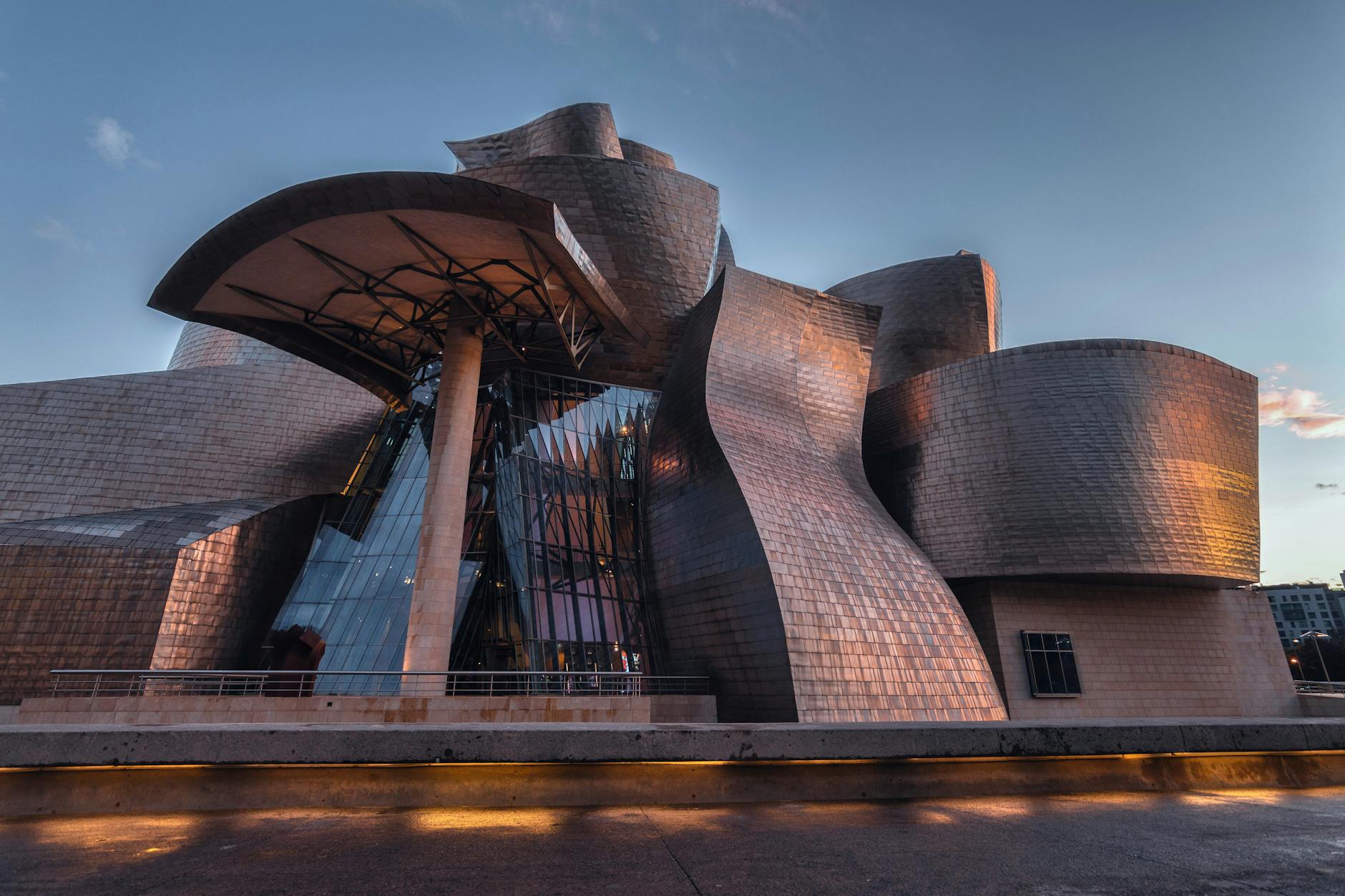
If you’re wondering whether Bilbao is worth visiting, my answer is an emphatic yes.
And I don’t say that lightly. I grew up in Bilbao and have watched the city transform from a gritty industrial powerhouse into one of Europe’s most exciting destinations. I remember when the river was brown, the skyline was dominated by cranes and factories, and the announcement of the Guggenheim Museum seemed almost unbelievable. Today, it’s a city where world-class architecture, some of the best food in Spain and a fiercely proud Basque identity combine to create somewhere unlike anywhere else in the country.
In this guide I’ll explain:
- why Bilbao is absolutely worth visiting (and who will enjoy it most)
- how it compares with nearby San Sebastián
- how many days you really need
- the best things to do, eat and experience
- and the mistakes first-time visitors often make.
The truth is that Bilbao isn’t trying to compete with Barcelona or Madrid. It doesn’t have Mediterranean beaches or Gaudí architecture, and it isn’t as instantly beautiful as San Sebastián. What it does have is authenticity. It’s a city that rewards curiosity, whether that’s lingering over pintxos in a neighbourhood bar, learning about Basque culture, or discovering how one of Europe’s greatest urban regeneration projects completely reinvented itself.
If you’re looking for a destination that feels genuinely different from the rest of Spain, Bilbao deserves a place near the top of your list.

Disclaimer! All of my blogs may contain affiliate links. This means that if you click on the link and make a purchase I may receive a small amount of commission for the referral at no extra cost to you. This commission is what allows me to continue creating guides to help travellers plan their next trip!

What's in this post:
Why Bilbao Is Worth Visiting
If you’re short on time, here’s the simple answer: yes, Bilbao is absolutely worth visiting. While it may not have the international reputation of Barcelona or the postcard-perfect beaches of San Sebastián, it offers something many of Spain’s more famous destinations have lost: authenticity.
Here are the reasons I think Bilbao deserves a place on your itinerary.
1. It has one of the best food scenes in Europe
The Basque Country is one of the world’s greatest culinary destinations, and Bilbao is a fantastic place to experience it. Whether you’re hopping between traditional pintxos bars in the Old Town, enjoying a long menú del día, or treating yourself to a Michelin-starred meal, food isn’t just something you eat here, it’s part of the culture.
2. The Guggenheim is genuinely worth the hype
Even if modern art isn’t usually your thing, the Guggenheim is reason enough to visit Bilbao. The building itself is an architectural masterpiece, but what makes it even more remarkable is how it completely transformed the city’s fortunes. Few places in the world can point to a single building that changed their future quite so dramatically.

3. You’ll experience a completely different side of Spain
If your idea of Spain is flamenco, sangria and Mediterranean beaches, Bilbao might surprise you. This is the heart of the Basque Country, where you’ll hear Euskera spoken alongside Spanish, discover unique traditions and enjoy a culture that feels proudly distinct from anywhere else in the country.
4. It’s the perfect base for exploring the Basque Country
One of Bilbao’s greatest strengths is its location. Within an hour you can be hiking dramatic mountains, surfing Atlantic waves, wandering through charming fishing villages, visiting the spectacular San Juan de Gaztelugatxe or tasting wine in nearby Rioja. Few European cities offer so much variety within such a short drive.
5. It’s surprisingly easy to explore
Despite being the largest city in the Basque Country, Bilbao never feels overwhelming. Most of the main attractions are within walking distance, public transport is excellent, and it’s easy to spend a weekend here without ever needing a car.

6. It offers excellent value
Compared with many of Spain’s better-known cities, Bilbao is refreshingly affordable. Hotels are generally cheaper than in neighbouring San Sebastián, restaurants offer fantastic value for the quality, and many of the city’s best experiences, from wandering Casco Viejo to admiring the Guggenheim from outside, cost very little.
7. It rewards curious travellers
Bilbao isn’t a city that reveals itself in five minutes. Its charm comes from lingering over pintxos in a busy neighbourhood bar, discovering colourful side streets, chatting to locals and learning about Basque history. The longer you stay, the more the city grows on you.
Is Bilbao worth visiting?
Without question.
If you’re looking for endless sunshine or a classic beach holiday, there are better places in Spain. But if you love incredible food, fascinating history, distinctive local culture and cities with real character, Bilbao is one of the most rewarding destinations you’ll visit. It may not shout as loudly as Barcelona or San Sebastián, but that’s exactly what makes it so special.

Who Will Love Bilbao (And Who Might Not)
Not every destination is right for every traveller, and that’s okay. One of the things I love most about Bilbao is that it knows exactly what it is. It doesn’t try to compete with Barcelona’s beaches or Madrid’s grand boulevards. Instead, it quietly does its own thing, and does it exceptionally well.
You’ll probably love Bilbao if you:
- Travel with your stomach. If you plan your days around where to eat next, Bilbao will feel like paradise. From traditional pintxos bars to Michelin-starred restaurants, the city’s food scene is one of the best in Europe.
- Enjoy discovering authentic places. Bilbao still feels like a city that belongs to the people who live there. Tourism exists, but it hasn’t overwhelmed daily life, making it easy to experience the city beyond the main attractions.
- Like cities you can explore on foot. Most of Bilbao’s highlights are within walking distance, and wandering between neighbourhoods is one of the best ways to experience the city.
- Want more than a city break. Bilbao is an excellent base for exploring the wider Basque Country. Within an hour you can be hiking dramatic cliffs, relaxing in charming fishing villages, surfing Atlantic waves or sampling wines in nearby Rioja.
- Appreciate culture and history. Whether you’re fascinated by the Guggenheim, Basque traditions or the city’s remarkable transformation from industrial powerhouse to cultural capital, there’s plenty to discover beneath the surface.
That said, Bilbao isn’t the perfect destination for everyone.
If you’re dreaming of golden beaches on your doorstep, guaranteed sunshine or lively resort nightlife, you may find places like Málaga or Alicante a better fit. And if your image of Spain revolves around flamenco, paella and sangria, Bilbao might come as a surprise. The Basque Country has its own language, traditions and identity, making it feel wonderfully different from the Spain many first-time visitors expect.
For me, that’s exactly what makes Bilbao so special. It doesn’t try to be anyone else. It simply offers an authentic slice of Basque life, incredible food and a city that reveals more of its character the longer you stay.

A Brief History of Bilbao: From Industry to Innovation
Bilbao wasn’t built to be beautiful. It was founded in 1300 as a working city, a small but strategic port that quickly became one of Spain’s most important trade hubs. For centuries, ships filled with iron ore, wool, and goods from across Europe passed through its docks, fuelling the city’s growth. But it was the Industrial Revolution that truly shaped Bilbao into what it became in the 19th and 20th centuries, a powerhouse of shipbuilding, steel production, and manufacturing.
The Industrial Past vs. Bilbao’s Modern Revival
The Bilbao of my childhood was a far cry from the vibrant, culture-filled city you see today. Back then, it was grey, gritty, and full of factories. The river was a murky shade of brown, the air carried the scent of industry, and tourists? Hardly any. It was a place where people worked hard, and the city’s aesthetic was purely functional.
Then came the big transformation. The decline of heavy industry in the late 20th century forced Bilbao to reinvent itself. The city traded factories for cutting-edge architecture, a thriving cultural scene, and urban renewal projects that made it a model for city regeneration. Today, it’s a modern, creative, and foodie-friendly destination, but one that still carries the hardworking spirit of its industrial past.
If you want to see this transformation for yourself, enter the auditorium within the Guggenheim (on your right immediately after entering and completely free) for a short before and after video that is played on repeat.

The Guggenheim: Not a Rollercoaster, But a Game-Changer
I still remember the day they announced that Bilbao was getting a Guggenheim Museum. As a kid, my imagination ran wild as I drove past, watching the structure take shape, I pictured a futuristic theme park full of rollercoasters, flashing lights, and high-speed thrills. Then the reality hit: it was an art museum. What a letdown.
But, as it turns out, the Guggenheim changed everything. When it opened in 1997, Bilbao was still in the midst of its post-industrial slump. The city needed a reinvention, and Frank Gehry’s futuristic, titanium-clad masterpiece was exactly that. Suddenly, Bilbao was on the map. Tourists started coming. Restaurants flourished. The city cleaned up its waterfront, opened new cultural spaces, and transformed itself into a destination.
Now, I fully appreciate how one single building helped revive an entire city. Even if it wasn’t the theme park I originally hoped for.

The Basque Identity: Why Bilbao is NOT Your Typical Spanish City
Here’s something you need to know before visiting Bilbao: this isn’t Spain. Well, technically, it is. But ask any local, and they’ll proudly tell you they’re Basque first, Spanish second. The Basque Country even has their own font! I’ve always joked that if I ever get kidnapped and dropped in the Basque Country I will know where I am the moment I see a restaurant as they all use “Euskal typography” also known as “Basque font”.
The Basque Country (Euskadi) is one of Spain’s most unique regions; linguistically, culturally, and politically. The Basque language (Euskera) is one of the oldest (and most mysterious) languages in Europe, completely unrelated to Spanish, French, or any other language. Bilbao’s food, traditions, and even its attitude feel distinctly different from Madrid or Barcelona.
The people here are fiercely independent, with a deep-rooted pride in their heritage. Historically, the Basques were known as expert sailors, traders, and even whalers, venturing as far as Newfoundland long before most Europeans even knew it existed. This independent spirit has led to political tensions over the years, but today, Bilbao is a peaceful, progressive city that balances tradition with innovation.
So, if you arrive expecting flamenco, sangria, and late-night fiestas, think again. Bilbao is about pintxos, txakoli, and a deep love for the sea and the mountains. It’s Spain, but on its own terms. And that’s exactly why it’s so fascinating.

Best Time to Visit Bilbao: When to Experience the City at Its Best
One of the questions I’m asked most often is when is the best time to visit Bilbao. The good news is that there’s no bad time to come, it simply depends on the type of trip you’re looking for.
For most visitors, May, June, September and early October offer the best balance of pleasant weather, fewer crowds and ideal conditions for exploring both the city and the surrounding Basque coastline. Summer brings festivals, long evenings and warmer temperatures, while winter is perfect if you want quieter museums, cosy pintxos bars and lower hotel prices.
One thing to be prepared for at any time of year is zirimiri, Bilbao’s famous fine drizzle. It rarely stops the locals from enjoying the city, and neither should it stop you. Pack a lightweight waterproof jacket, embrace it, and you’ll soon realise it’s part of Bilbao’s charm.
If you’re planning your trip around the weather, festivals, surfing, hiking or even the best time for pintxos and seasonal food, I’ve covered everything in much more detail in my Best Time to Visit Bilbao guide.
👉 Read my complete guide to the best time to visit Bilbao here.

How to Get to Bilbao: Planes, Trains & Buses
One of the reasons Bilbao makes such a great city break is how easy it is to reach. Whether you’re flying from elsewhere in Europe, travelling across Spain by train or bus, or planning a road trip through the Basque Country, getting here is straightforward.
Flying to Bilbao
For most international visitors, flying into Bilbao Airport (BIO) is the easiest option. It’s the largest airport in northern Spain and has direct flights from cities including London, Paris, Amsterdam, Frankfurt and Lisbon, as well as regular domestic connections from Madrid and Barcelona.
The airport is just 12 km from the city centre. The A3247 airport bus runs every 20 minutes, takes around 25 minutes and costs just €3, making it the best option for most travellers. Taxis take around 15–20 minutes and usually cost €25–30.
Travelling by Train or Bus
Bilbao is well connected to the rest of Spain. High-speed Alvia trains run from Madrid in around four hours, while buses are often the quickest and cheapest way to travel from nearby cities.
If you’re visiting from San Sebastián, I actually recommend taking the bus rather than the train. It takes around 1½ hours compared with roughly 2½ hours by train, and services run frequently throughout the day.
Driving to Bilbao
If you’re planning to explore more of the Basque Country, hiring a car is well worth considering. It gives you the freedom to visit places like San Juan de Gaztelugatxe, Getxo, Gernika, La Rioja and the spectacular Basque coastline at your own pace.
Just bear in mind that Bilbao’s city centre has limited parking and plenty of pedestrian-only streets, so it’s best to leave your car parked while exploring the city itself.
Top tip: I always compare prices through Discover Cars and have consistently found them to offer the best value. It’s the platform I use whenever I hire a car in Spain.

Where to Stay in Bilbao
Bilbao may be compact, but choosing the right neighbourhood can make all the difference in how you experience the city.
• Casco Viejo (Old Town): Best for first-timers and food lovers, with charming streets and pintxos bars at every turn. Check out Pension Boutique Caravan Cinema for a cosy and quiet hotel in the Casco Viejo.
• Abando: Perfect for modern hotels and convenience, with easy access to shops, restaurants, and transport. If you fancy an adults only hotel with a rooftop pool check out Axel Hotel.
• Indautxu: Ideal for nightlife and a trendy local vibe, packed with cool cocktail bars and stylish cafés. For one of the best breakfasts in Bilbao, stay at Hotel Sinken Indautxu.
• Deusto: A quieter, budget-friendly option near the university, with a more local atmosphere. For an affordable option right next to the Guggenheim, check our NH Bilbao Deusto.
• Bilbao La Vieja (Bilbi): The edgy, artsy neighbourhood full of street art, indie shops, and alternative bars. Hotel Bilbi is a great affordable option in a great location.
Want a deep dive into the best hotels and hidden gem neighbourhoods? Check out my full Where to Stay in Bilbao article for all the details!

Where and What to Eat in Bilbao: A Food Lover’s Guide
If you love food, welcome to paradise. The Basque Country is one of the world’s top culinary destinations, and Bilbao is no exception. Here, eating isn’t just a necessity, it’s a way of life.
From Michelin-starred restaurants to bustling pintxos bars, food is woven into Basque identity and culture. Locals take pride in fresh, high-quality ingredients, and dining here is an experience that’s as much about tradition as it is about taste. Whether you’re devouring a juicy txuleton steak, hopping from bar to bar for pintxos, or indulging in the best seafood of your life, you’ll soon understand why Basque cuisine is legendary.
If food is one of the reasons you’re considering visiting Bilbao, don’t miss my Bilbao Food Guide. It covers the best pintxos bars, the traditional dishes you shouldn’t leave without trying, and exactly what to order, so you can eat like a local rather than a tourist.
Pintxos 101: The Art of Eating Like a Local
Pintxos (pronounced peen-chos) are the Basque answer to tapas: small, flavourful bites perched on bread or served as tiny gourmet creations. You’ll find them lined up on bar counters, inviting you to grab a plate and dive in. But before you go stacking up pintxos like a tourist at an all-you-can-eat buffet, here’s what you need to know:
- Never take pintxos without asking, some bars let you serve yourself, others take orders at the counter. If in doubt, ask: ¿Puedo cogerlo? (Can I take this?)
- One drink, one pintxo: locals eat slowly and socially, pairing each pintxo with a glass of wine (Rioja), cider, or a small beer (burrito).
- Pay at the end, in most places, bartenders keep track of what you eat and settle the bill when you’re done. Honesty is key!

Best Pintxos Bars in Bilbao
- Café Iruña – A classic with stunning Moorish decor, famous for its morcilla (blood sausage) and pintxos morunos (meat on sticks) pintxos.
- Gure Toki – Modern pintxos with creative twists, perfect for foodies.
- El Globo – The best croquetas in town. Creamy, crispy, perfection.
- Bodega Joserra – A no-frills local favourite with killer tortilla de patatas.
- La Viña del Ensanche – If you love jamón ibérico, this is the place.
For a full list, see our guide: Best Pintxos Bars in Bilbao.
Basque Specialties You Need to Try
While pintxos are the best way to sample a bit of everything, Bilbao’s traditional dishes deserve a special mention.
- Bacalao a la Vizcaína – Bilbao’s signature salt cod dish in a rich red pepper sauce.
- Txangurro – Stuffed spider crab, often baked with brandy and butter.
- Txuleton – A massive Basque steak (we’re talking dinosaur-sized) grilled to perfection.
- Pulpo a la Plancha – Grilled octopus, crispy on the outside, tender inside.
- Txakoli – A slightly sparkling, dry white wine, usually poured from a dramatic height.
- Goxua – A Basque dessert layered with sponge cake, custard, and caramelised sugar. Think of it as the Basque answer to crème brûlée.

Best Restaurants in Bilbao
Whether you’re looking for a casual meal or a Michelin-starred experience, here are some of the best places to eat in Bilbao:
Casual & Affordable
- El Globo – One of the best pintxos bars in town, perfect for a relaxed meal.
- Baster – Great for grilled octopus and seafood.
- Borda Berri – A hole-in-the-wall spot serving some of the best Basque comfort food.
Traditional & Authentic
- La Viña del Ensanche – An institution in Bilbao, famous for cured meats and local cheeses.
- Mina – A small, Michelin-starred restaurant serving elevated Basque cuisine.
- Casa Rufo – An old-school Basque eatery where Tarleton steak is king.
Fine Dining & Michelin-Starred
- Nerua – Located inside the Guggenheim Museum, perfect for an artsy, high-end meal.
- Zortziko – A Michelin-starred restaurant blending Basque flavours with modern techniques.
- Azurmendi – If you’re looking to splurge, this three-Michelin-star restaurant just outside Bilbao is one of the best in the world.

Final Thoughts: Is Bilbao Worth Visiting for Food Lovers?
If you’re a foodie, the answer is a resounding yes, Bilbao is absolutely worth visiting. In fact, it might just ruin food for you anywhere else. This city isn’t just a place to eat; it’s a place where gastronomy is woven into everyday life, where every meal is a social event, and where even the smallest pintxo is crafted with care.
Whether you’re hopping from pintxos bar to pintxos bar, indulging in a traditional Basque feast, or experiencing the heights of Michelin-starred dining, Bilbao delivers some of the best food in Spain, and, arguably, the world.
So come hungry, embrace the Basque way of eating, and prepare to be amazed.
Things to Do in Bilbao: A Quick Guide
Whether you’re here for art, architecture, or simply wandering through lively neighbourhoods, Bilbao has plenty of hidden (and not-so-hidden) gems waiting to be explored.
Here’s a quick overview of the top things to do in Bilbao. If you want the full breakdown, check out my Ultimate Guide to Things to Do in Bilbao for more details!
1. Discover the Guggenheim Museum & Bilbao’s Art Scene
The Guggenheim Museum is Bilbao’s most iconic attraction, a stunning architectural masterpiece that transformed the city’s reputation. Even if modern art isn’t your thing, the building itself is worth seeing, and the outdoor sculptures, including Jeff Koons’ Puppy and Louise Bourgeois’ Maman, are just as impressive as what’s inside.
Beyond the Guggenheim, Bilbao’s art scene extends to the Bilbao Fine Arts Museum, the Azkuna Zentroa cultural space, and the city’s street art hotspots in Bilbao La Vieja.


2. Wander Through Casco Viejo & Enjoy Pintxos
Bilbao’s Casco Viejo (Old Town) is the heart of the city, filled with colourful buildings, lively plazas, and atmospheric pintxos bars. It’s a great place to get lost in history, visit the Santiago Cathedral, and stop at Plaza Nueva for some of the best pintxos in the city.
Speaking of pintxos, Bilbao is a foodie’s paradise. A pintxos-hopping tour is one of the best ways to experience local cuisine, where you’ll try delicious bites paired with Basque cider or txakoli wine.
3. Take in the Views from Artxanda & Puente Vizcaya
For epic city views, take the Artxanda Funicular to the top of Mount Artxanda and soak in the panoramic sights of Bilbao’s skyline and surrounding mountains.
Another must-see is the Vizcaya Bridge (Puente Colgante), a UNESCO-listed transporter bridge that connects Portugalete and Getxo. You can walk across the top for breathtaking views of the Nervión River or ride the gondola suspended over the water. You can either cycle or take the metro to reach Getxo.

4. Take a Day Trip to the Basque Coast
Bilbao is perfectly placed for amazing day trips. Drive to San Juan de Gaztelugatxe (aka Game of Thrones’ Dragonstone) for dramatic coastal scenery, visit Gernika for a deep dive into Basque history, or relax in Mundaka or Lekeitio, two of the region’s most beautiful seaside towns.
Want More Ideas?
There’s so much more to do in Bilbao, from exploring museums and historic markets to hiking through stunning Basque landscapes.
Check out my full guide for a comprehensive list of the best things to do in Bilbao, including lots of free activities and day trips that can be done both by train and by car.


2 Tours You Must Not Miss in Bilbao
While Bilbao is an amazing city to explore on your own, there are two experiences that are 100% worth booking: a food tour and a walking tour. Both will deepen your understanding of the city, introduce you to local traditions, and take you beyond the usual tourist checklist.
If you want to truly experience Bilbao like a local, these are the two must-do tours.
1. Take a Pintxos & Basque Food Tour
Bilbao is one of Europe’s best foodie cities, but if you don’t know what to order, you might miss out on some of the best dishes. That’s where a pintxos tour comes in, it’s the ultimate crash course in Basque cuisine.
A local guide will take you to hidden pintxos bars, explain the pintxos etiquette (so you don’t look like a tourist), and introduce you to Basque food traditions you’d never discover on your own.
What You’ll Experience:
- Try classic and modern pintxos at 5+ local bars.
- Pair them with txakoli (Basque white wine) or cider.
- Taste Basque specialities like txuleton (steak) and bacalao (salt cod).
- Learn how to order like a local (without embarrassing yourself).
Best Pintxos Tours in Bilbao:
• The Authentic Bilbao Pintxos, Food and History Tour with a Local
• Bilbao: Basque Food Tour with Guide
Pro tip: Go on a food tour at the start of your trip so you know where to eat for the rest of your stay.

2. Join a Walking Tour to Uncover Bilbao’s Hidden Stories
Bilbao is more than just the Guggenheim. The best way to truly understand the city is by walking through its historic streets with a local guide who can bring its past to life.
A walking tour will take you beyond the obvious, showing you the city’s hidden gems, fascinating history, and quirky local legends. You’ll learn about Bilbao’s transformation from an industrial port to a cultural hub, uncover dark history they don’t teach in school, and get insider tips on where to eat, drink, and explore.
What You’ll Experience:
- Explore Casco Viejo’s medieval streets and uncover its secrets.
- Learn about Bilbao’s industrial past and how the Guggenheim changed everything.
- Walk across the city’s famous bridges and hear their hidden stories.
- Discover the Great Fire of Bilbao, epic pirate attacks, and Basque revolutions.
Best Walking Tours in Bilbao:
• Bilbao: Small Group Walking Tour
• Bilbao FREE Walking Tour (just tip what you want at the end)

Tips for a Successful Visit to Bilbao
Bilbao is an easy city to explore, but a few insider tips can make your trip smoother, more enjoyable, and way more local. From understanding Basque culture to knowing how to stay connected, here’s everything you need to know before you go.
To keep track of the latest exhibitions, concerts, and local events during your stay, I recommend checking this guide to plans in Bilbao; it’s a very visual way to see what’s happening in the city right now.
1. Learn a Few Words of Euskera (and Brush Up on Spanish)
Bilbao is in the Basque Country, where the local language, Euskera, is widely spoken alongside Spanish. While everyone speaks Spanish, knowing a few words of Euskera will win you instant respect from locals.
Useful Euskera Phrases:
Kaixo (kai-show) – Hello
Aupa (Au-pa) – Informal way of saying hello (if you really want to pass as a local!)
Eskerrik asko (es-ker-rik as-ko) – Thank you
Pro tip: If Euskera feels too intimidating, at least brush up on your Spanish basics, it’ll make ordering food and navigating easier.
2. Stay Connected with an eSIM
Roaming charges abroad? No, thanks. If you want to navigate, Google restaurants, or book transport on the go, get an eSIM before arriving.
Quick travel tip: I rarely buy local SIM cards anymore. I just install an eSIM before I land. If I know I’ll be using a lot of data I use Truely (10% off with code BEAADVENTUROUS10). If I only need a little data, Airalo works well too (20% off with code TRUE).
3. Always Pack a Rain Jacket (No Matter the Season)
Bilbao is notorious for its unpredictable weather, you can get sunshine, drizzle, and a full-on downpour all in the same day. The locals even have a word for it: Zirimiri, that fine misty rain that soaks you without you even realising it.
Essentials for Bilbao’s Weather:
- A light rain jacket (even in summer).
- Waterproof shoes if visiting in winter/autumn.
- Sunglasses: yes, there’s sun too!
Pro tip: Don’t waste suitcase space on an umbrella, Bilbao’s winds will destroy it in seconds.

4. Bring the Right Travel Adapter (2-prong sockets)
Spain uses Type C & Type F sockets (two round prongs), which means UK, US, and some other travellers will need an adapter.
Best solution: Get a universal travel adapter with USB ports.
Pro tip: Some hotels have USB ports, but many older buildings don’t
5. Get a Barik Card for Public Transport
Bilbao’s metro, buses, and trams are super easy to use, but buying individual tickets adds up quickly. Instead, get a Barik card, a prepaid transport card that saves you money.
Where to Get It:
• Metro stations, kiosks, and tobacco shops.
• Costs €3, then top up as needed.
• Works on metro, trams, buses, and even the Puente Vizcaya gondola!
Pro tip: If you’re travelling with a group, you can share one Barik card, just tap multiple times.
6. Adjust to the Local Eating Schedule
Spain is famous for late meals, but Bilbao takes it to another level.
Typical Eating Times in Bilbao:
- Lunch: 2:00 – 4:00 PM (most places won’t even open before this).
- Pintxos & Drinks: 12:00 – 3:00 PM and 7:00 – 9:30 PM.
- Dinner: 9:00 – 11:30 PM (yes, really).
Pro tip: If you’re starving at “normal dinner time” (6-7 PM), go for pintxos instead, it’s the perfect pre-dinner snack.

7. Cash or Card? Both!
Most places in Bilbao accept credit and debit cards, but it’s always a good idea to carry some cash, especially for small pintxos bars, local markets, or rural day trips.
When You’ll Need Cash:
• Some pintxos bars (they might not take cards for small purchases).
• Tipping (not required, but leaving coins for good service is appreciated).
• Market stalls & small shops.
Pro tip: If using a card, choose to pay in EUR instead of your home currency, you’ll get a better exchange rate.
8. If You’re Renting a Car, Learn the Basics of Spanish Driving
Planning to explore beyond Bilbao? Renting a car is a great way to visit San Juan de Gaztelugatxe, La Rioja, or the Basque coastline.
Things to Know About Driving in Spain:
- Speed limits: 50 km/h in cities, 90 km/h on rural roads, 120 km/h on highways.
- Toll roads: Some highways have tolls,carry cash or a credit card.
- Parking: Bilbao’s city centre has limited parking, look for “Aparcamientos Públicos” (public parking garages).
Pro tip: If you are planning on driving, make sure to check out my “Driving in Spain Guide“. It is one of my most-read articles for a reason! Before picking up your hire car always check whether you need an International Driving Permit (IDP).

9. Don’t Be Shy About Bar-Hopping (It’s Expected!)
In Bilbao, eating pintxos is a social event, and locals rarely stay in one place. Instead, they hop from bar to bar, grabbing one pintxo and one drink per stop.
How to Do Pintxos Like a Local:
• Don’t grab everything at once, order one pintxo at a time.
• Stand at the bar (tables are often reserved for full meals).
• Move on to the next spot after 1-2 rounds.
Pro tip: The best pintxos bars get busier as the night goes on, embrace the chaos!

10. Bilbao is Safe, But Keep an Eye on Your Belongings
Bilbao is one of Spain’s safest cities, but like any popular destination, pickpocketing can happen, especially in crowded tourist areas and metro stations.
Safety Tips:
• Keep your bag zipped & in front of you in busy areas.
• Avoid leaving your phone/wallet on the table in bars & cafés.
• Stick to well-lit streets at night, though Bilbao is very safe even after dark.
Pro tip: The Casco Viejo (Old Town) is safe, but side streets can get rowdy late at night, especially after Athletic Bilbao games!

My Final Thoughts on Whether Bilbao Is Worth Visiting
So, is Bilbao worth visiting?
Without hesitation, yes.
I know I’m biased because I grew up here, but I’ve also been fortunate enough to travel to more than 70 countries and hundreds of cities around the world. Bilbao still surprises me every time I come back.
It isn’t Spain’s prettiest city. It doesn’t have the beaches of San Sebastián, the grandeur of Madrid or the iconic landmarks of Barcelona. What it offers instead is something that has become increasingly rare: authenticity.
This is a city where people still gather in neighbourhood bars for pintxos after work, where Basque traditions are woven into everyday life, and where an extraordinary transformation has turned an industrial powerhouse into one of Europe’s great success stories without losing its identity along the way.
Whether you’re standing beneath the titanium curves of the Guggenheim, watching the sunset from Mount Artxanda, wandering the streets of Casco Viejo or simply sharing a few pintxos with friends, Bilbao has a way of quietly getting under your skin. It’s not always love at first sight, but it’s often the city people can’t stop thinking about once they’ve left.
If you’re looking for a destination that combines incredible food, fascinating history, distinctive culture and easy access to mountains, beaches and charming fishing villages, I genuinely believe Bilbao is one of the most rewarding city breaks in Europe.
So yes, Bilbao is absolutely worth visiting. Just don’t be surprised if, like me, you find yourself looking for excuses to come back again and again.

Frequently Asked Questions About Visiting Bilbao
Is Bilbao worth visiting?
Absolutely. If you enjoy great food, fascinating culture, impressive architecture and destinations that feel authentic rather than over-touristy, Bilbao is one of Spain’s most rewarding city breaks. It may not have the beaches of San Sebastián or the famous landmarks of Barcelona, but that’s precisely what gives it its charm.
How many days do you need in Bilbao?
I recommend spending 2–3 days in Bilbao. That gives you enough time to explore the city, enjoy plenty of pintxos, visit the Guggenheim, and experience the city’s unique atmosphere without rushing. If you plan to visit places like San Juan de Gaztelugatxe, Getxo or Rioja, I’d extend your stay to at least four or five days.
Is Bilbao or San Sebastián better?
It depends on what you’re looking for. If you want spectacular beaches and one of Europe’s prettiest cities, San Sebastián is hard to beat. If you prefer authentic local culture, excellent value for money, fewer crowds and a fantastic base for exploring the Basque Country, I’d choose Bilbao. Ideally, visit both if your itinerary allows.

Is Bilbao expensive?
Compared with many major European cities, Bilbao offers excellent value. Accommodation, restaurants and attractions are generally more affordable than nearby San Sebastián, and you can enjoy some of the city’s best experiences, such as wandering Casco Viejo or admiring the Guggenheim from outside, completely free.
Is Bilbao safe for tourists?
Yes. Bilbao is one of the safest cities in Spain and I have always felt comfortable there. As with any city, keep an eye on your belongings in busy tourist areas and use common sense at night, but most visitors have no problems during their stay.
Is Bilbao walkable?
Very much so. One of the things I love most about Bilbao is how easy it is to explore on foot. The Guggenheim, Casco Viejo, the riverfront and many of the city’s best pintxos bars are all within comfortable walking distance of one another, while the metro, tram and funicular make it easy to reach places slightly further afield.
When is the best time to visit Bilbao?
For the best balance of weather and fewer crowds, I’d recommend May, June, September or early October. July and August are warmer and livelier but also busier, while winter offers a quieter, more local experience with lower hotel prices. Just don’t forget a waterproof jacket, Bilbao’s famous zirimiri drizzle can appear at any time of year.
Read my full guide on when to visit, not just with weather in mind, but also festivals and harvests!
Is Bilbao a good base for exploring the Basque Country?
Absolutely. In my opinion, it’s one of the best bases in northern Spain. Within an hour you can be visiting San Juan de Gaztelugatxe, relaxing on the Basque coast, exploring Getxo or Gernika, or heading into the mountains. Rioja is also close enough for an easy day trip, making Bilbao an excellent choice if you want to experience more than just the city itself.
If this guide helped you, here’s a small way to give back
If you found this article helpful and would like to say thank you, you can support something very close to my heart.
I’m currently fundraising for Street Child, a UK charity working in some of the world’s toughest places to ensure children have access to education.
Travel has shown me just how much opportunity depends on where we’re born. While many of us are planning our next adventure, 272 million children around the world are still out of school.
Over the years I’ve taken on some fairly ridiculous challenges to raise funds for Street Child, including running a marathon in 42°C heat in Sierra Leone, cycling 400km from the Cotswolds to the Netherlands, running a 50km ultra marathon in Madeira, and trekking to Everest Base Camp.
If this guide helped you plan your trip, you can help change a child’s future.
Even the cost of a coffee can help a child access education.
👉 Donate to my Street Child fundraiser here
And the best part: 100% of your donation goes directly to Street Child.


4 Comments on Is Bilbao Worth Visiting? A Local’s Honest Opinion (2026 Guide)
Be the first to comment