
The Blog

Top Things to Do in Chengdu in 2027

If you’re searching for the best things to do in Chengdu, chances are you’ve already heard about the pandas. But let me stop you right there, this city is so much more than fluffy bear selfies. Chengdu is the kind of place that charms you slowly. One moment you’re watching grandmas dominate a public square dance battle, and the next you’re slurping down noodles so spicy they could qualify as a life experience.
It’s relaxed. It’s chaotic. It’s full of flavours you’ve never tasted and temples you didn’t know you needed. Most people treat it like a quick stop on the way to Tibet or the rest of Sichuan. But I stayed longer, and Chengdu got under my skin in the best way.
This guide isn’t your standard “ten things to tick off” list. It’s a curated mix of must-dos, unexpected gems, personal stories, and solid travel tips to help you actually experience Chengdu, not just see it. Ready to dig in?
Last updated: September 2026, I’ve reviewed and updated this guide with the latest practical information, including transport, attraction access and travel tips for visiting Chengdu.

Disclaimer! All of my blogs may contain affiliate links. This means that if you click on the link and make a purchase I may receive a small amount of commission for the referral at no extra cost to you. This commission is what allows me to continue creating guides to help travellers plan their next trip!
What's in this post:
Best Things to Do in Chengdu
There are plenty of things to do in Chengdu beyond seeing the giant pandas, although I’d absolutely still put them near the top of your list! From eating your way through the city on a food tour and learning to cook Sichuan dishes to watching traditional opera, cycling the greenways and simply sitting in People’s Park watching local life unfold, Chengdu is a city that rewards you for slowing down.
These first eight experiences are all in Chengdu itself and are the ones I’d prioritise if this is your first visit.
1. Visit the Chengdu Research Base of Giant Panda Breeding
Let’s start with the obvious, because no trip to Chengdu is complete without visiting the city’s fluffiest residents.
I’ll admit I was sceptical. I thought it might be a glorified zoo with one sleepy bear behind glass and a crowd of tourists fighting for the same blurry photo. What I found was the opposite: a lush, spacious reserve where pandas roam (or rather, nap and roll) through bamboo-filled enclosures, and where I lost all dignity cooing at a baby panda doing clumsy acrobatics in a tree.
This isn’t just a photo opportunity. The Chengdu Research Base is a leading conservation centre that’s played a huge role in bringing the species back from the brink of extinction. You’ll see pandas of all ages, from teensy floofs in incubators to full-sized adults living their best snack-filled lives.
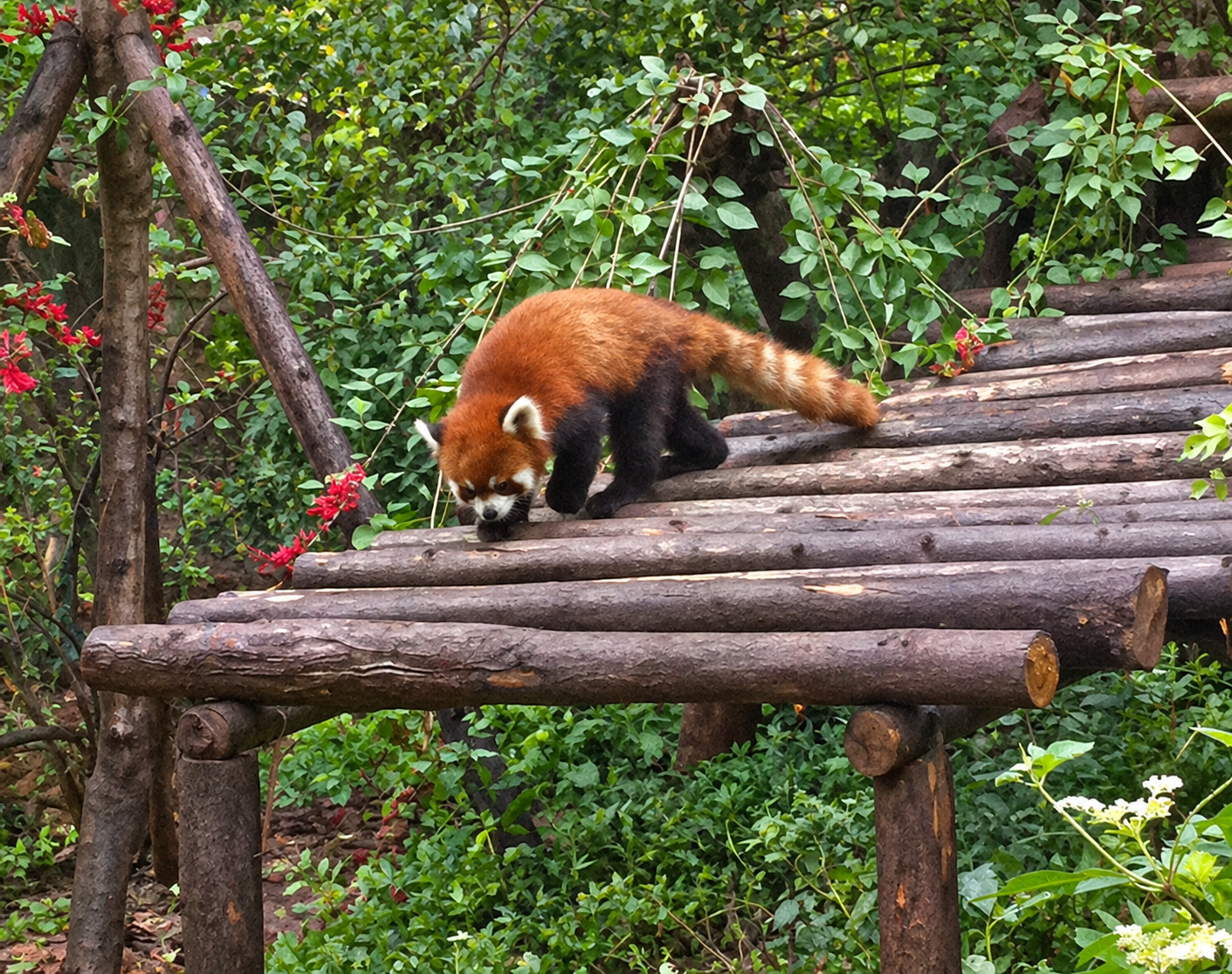
And yes, red pandas are included too. You don’t need a guide or special access to see them, just keep walking a bit further into the reserve and you’ll spot them doing their sneaky, ferret-like thing in their own leafy enclosure.
Top Tips for Visiting:
- Go early. Pandas are most active in the morning. By midday, they’re sprawled out like teenagers on a Sunday.
- Weekdays are best. Unless you enjoy elbowing through selfie sticks and matching visor hats.
- Give yourself 3–4 hours. The base is surprisingly big, with themed zones, a panda museum, and even an observation tower if you fancy a climb.
- Guides don’t get special access. But they can help you find the best paths, dodge crowds, and share conservation insights that go beyond the info boards.
My tip: Start with the nursery and the younger pandas, then meander through the more forested areas for the bigger bears, before looping round to the red panda section. They’re a little harder to spot, but worth the hunt.
And no, you can’t hug one. Don’t ask. They may look like teddy bears, but they have the claws of a raccoon and the social skills of a hungover introvert.
Book ahead. The Panda Base now uses timed, real-name reservations, with tickets available up to 14 days in advance. In peak periods they can sell out, so this isn’t somewhere I’d recommend simply turning up and hoping for the best. You’ll also need the ID or passport used for your booking.
Getting around tip: Download DiDi, China’s version of Uber. It’s the easiest way to grab a taxi without needing fluent Mandarin. You can set the app to English, and some rides even offer in-app translation for chatting with your driver. It’s often cheaper and easier than trying to hail a cab on the street.

2. Eat Your Way Through Chengdu on a Tuktuk Food Tour
Of all the things to do in Chengdu, this is the one that made me genuinely consider moving there. Not for the job market. Not for the scenery. For the food. More specifically, for the garlic-fried street skewers I inhaled from the back of a tuktuk while zigzagging through alleyways like a very enthusiastic (and slightly lost) local.
If you think Chinese food is sweet and sour pork, think again. Chengdu is the capital of Sichuan cuisine, home of the mighty peppercorn, the only spice that can numb your mouth while making your heart sing. And there’s no better way to discover it than by hopping into a tuktuk with a local guide who knows where the real treasures are hiding.
We’re not talking tourist-trap hotpot joints or Western-friendly menus. This is the good stuff: street food stalls with sizzling woks, hidden back-alley dumpling spots, and spicy rabbit head (don’t panic, you don’t have to try it… but I dare you).
The ride itself is half the fun. You’ll weave through lantern-lit lanes and neon markets, tasting your way through about eight or nine dishes across several stops. Each one more delicious, unpronounceable, and worth the calories than the last.
Pro Tips:
- Come hungry. And maybe wear loose trousers.
- Don’t be afraid of spice. Your guide can help dial it up or down.
- Ask questions. The guides are food nerds and love sharing stories behind each dish.
- Pace yourself. It’s not a sprint, it’s a slow, spice-laced crawl into flavour heaven.
👉 Like the sound of it? Book your Chengdu Tuktuk Food Tour here
And yes, they have veggie-friendly versions. Though in Chengdu, “vegetarian” may still come with chicken broth, pork fat, and the slightly amused shrug of a chef who’s really proud of their chili oil.

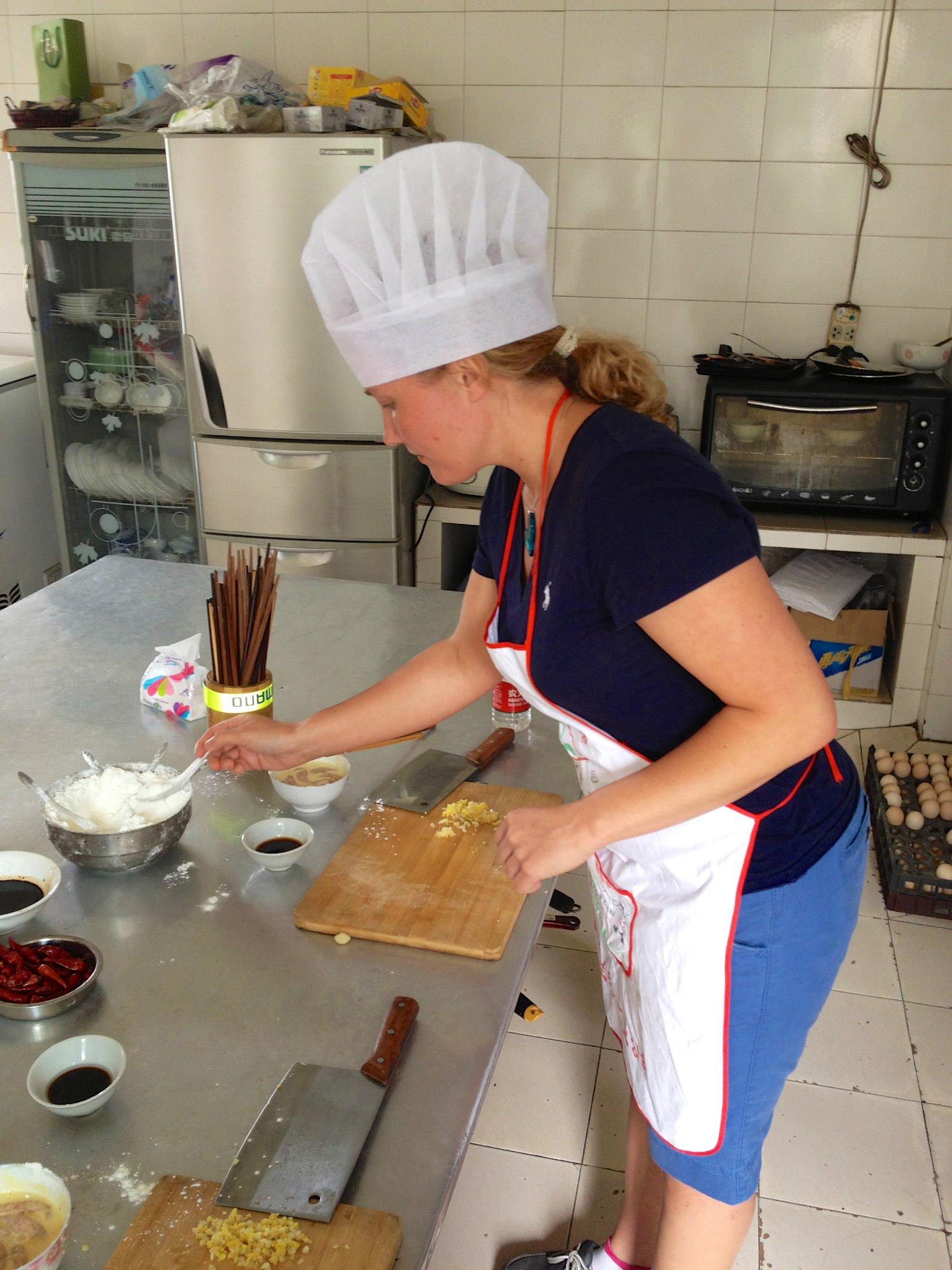
3. Take a Sichuan Cooking Class (With a Local Market Visit)
Some people buy fridge magnets to remember a trip. I collect recipes. Or, more accurately, memories of watching someone far more skilled than me toss chili, garlic, and mystery sauces into a wok while I take notes and silently panic about setting off the smoke alarm back home.
This was no ordinary cooking class. It began with a visit to a local wet market: raw, loud, gloriously chaotic. Chickens squawked, spices filled the air, and I tried to look confident while pretending I knew what half the vegetables were.
Your guide will walk you through the market like a culinary wingman, explaining everything from fermented bean paste to lotus root while giving you tips on how to tell if tofu is fresh. You’ll buy ingredients with locals, and maybe even be offered a taste of something you didn’t know could be eaten.
Then it’s off to the kitchen: a cozy, laughter-filled cooking studio where you’ll chop, stir, and spice your way through a few classic dishes. Think kung pao chicken, mapo tofu, dumplings from scratch, and the kind of chili oil you’ll want to bottle up and smuggle home in your socks.
What I loved:
- You actually cook. None of this “watch-the-chef-do-everything” nonsense.
- It’s tailored. Most hosts let you choose your preferred dishes and spice levels.
- It’s fun. Laughter, tasting, and the occasional “whoops I added too much chili” moment guaranteed.
By the end, you’ve got a full belly, a recipe booklet, and the kind of smug satisfaction that only comes from conquering the wok. I left with oil splashes on my shirt and zero regrets.
👉 Book your Sichuan Cooking Class & Market Visit here
And if nothing else, you’ll finally understand what makes Sichuan pepper so sneaky. It’s not just hot, it’s numbing. Like a spicy handshake from a fire-breathing fairy.
You can read about my experience with Sichuan pepper in my Chengdu Travel Diaries.
4. Eat Dinner With a Local Family in Chengdu
This is a new addition to this guide, and unlike most of the experiences on this list, it isn’t one I’ve personally tried yet. But when +1 Chopsticks got in touch with me, I liked the idea enough that I decided it deserved a mention.
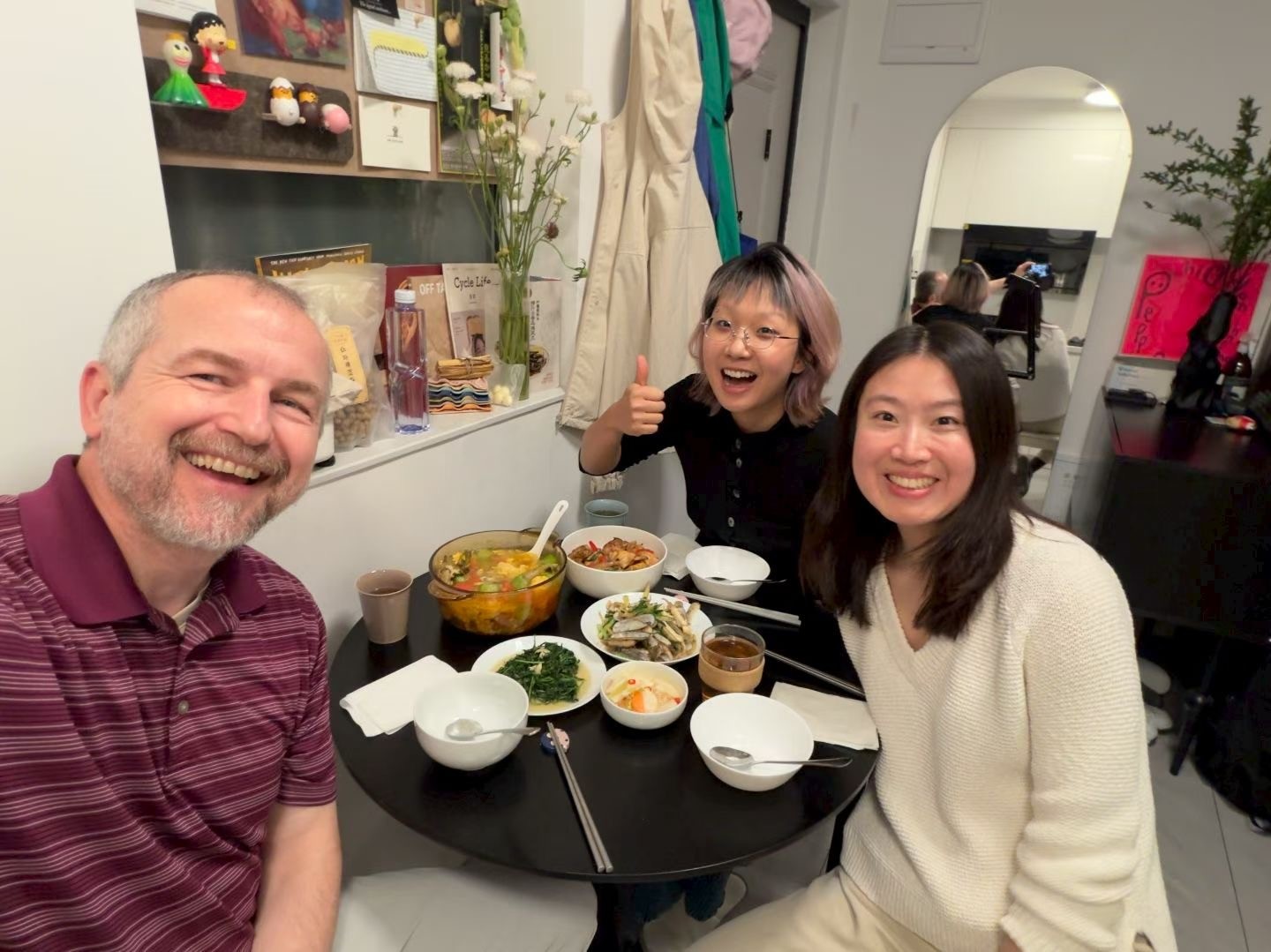
The concept is simple: instead of eating another meal in a restaurant, you’re invited into a local family’s home for dinner.
+1 Chopsticks connects travellers with vetted host families across Chengdu, each cooking the sort of food they would actually eat at home. Depending on the family you choose, that might mean traditional Sichuan home cooking, handmade dumplings, hotpot or dishes influenced by other parts of China.
But honestly, it’s the bit beyond the food that appeals to me most.
You sit around the family’s own dining table, eat together and have the chance to talk about everyday life in Chengdu. And for me, those ordinary conversations can end up being far more memorable than another attraction you’ve queued up to see.
There are several Chengdu families to choose from, so have a look through their profiles and pick the people and food that appeal to you most.
👉 Meet the Chengdu families and book a home-cooked meal with +1 Chopsticks here.
4. Watch the Face-Changing Sichuan Opera at Shu Feng Ya Yun
Now, I know what you’re thinking: “Opera? In China? Isn’t that going to be… a bit long?”
But the Sichuan Opera isn’t your typical highbrow, nose-in-the-air, three-hours-of-wailing type of performance. Oh no. This is fast-paced, fiery, colourful theatre where actors change masks faster than a reality TV star changes sides, and that alone is worth the ticket price.
The most famous act? Bian Lian, or face-changing. It happens in seconds, literally. One moment an actor is smiling, the next they’re furious, and then somehow laughing… all without touching their face. It’s like emotional whiplash with a magical twist. I blinked once and missed two personalities.
The best place to see it? Shu Feng Ya Yun, a traditional tea house-style venue with velvet chairs, warm lighting, and snacks available alongside your ticket. The show is a mix of short performances: opera, puppetry, acrobatics, fire-breathing, and of course, face-changing. No Mandarin required, you’ll be too busy staring.
Pro Tips:
- Book ahead. Shows often sell out, especially on weekends.
- Arrive early. You can get your ears cleaned before the performance. Not a joke.
- Go VIP if you can. You’ll get better seats, free tea, and the kind of service that makes you feel mildly royal.
- Don’t film the face-changing. It’s considered bad luck, and some performers might stop mid-act if they see a camera pointed their way.
👉 Book your Shu Feng Ya Yun Opera Ticket here
Even if you’re not into theatre, trust me, this is one of the most memorable things to do in Chengdu. It’s bizarre, bold, and exactly the kind of culture shock we travel for.
And yes, I tried to change my own face afterwards in the mirror. No, it didn’t work.

5. People-Watching in People’s Park
If you want to understand Chengdu, skip the museums for a morning and head straight to People’s Park. It’s a living, breathing stage where the city shows off its soul…and its dance moves.
Start with the lake, where you’ll find retired uncles playing air erhu with the passion of rockstars and aunties leading dance routines that somehow blend jazzercise, belly dancing, and pure joy. I swear some of them could out-dance Beyoncé’s entire touring crew.
Keep wandering and you’ll stumble into impromptu karaoke battles, calligraphy sessions on the pavement, spontaneous matchmaking corners, and games of mahjong being played with the kind of intensity usually reserved for poker championships.
And then there’s the teahouses. Order a pot of jasmine or chrysanthemum, pull up a rickety chair, and settle in. You might find yourself next to a table of elderly men debating politics, or a group of women trading skincare tips at a volume that suggests someone’s about to be exiled from the friend group.
Optional Add-ons:
- Try tai chi. Locals are incredibly welcoming, just mimic someone and go with the flow.
- Practice your Mandarin. You’ll get bonus points and probably a round of applause if you manage a full sentence.
- Money. Bring some small cash if you like, although Alipay and WeChat Pay are widely used.
There’s no entrance fee, no structured plan, no checklist. Just life. And sometimes, that’s the best kind of travel experience.

6. Let’s Talk Ear Cleaning
This is the real Chengdu rite of passage. Somewhere between a spa treatment and dental floss for your soul, traditional ear cleaning is performed by roaming specialists with tiny metal tools and disturbingly cheerful headlamps. You’ll hear a soft ting-ting-ting as they approach, like a gentler version of the Jaws theme.
Is it weird? Absolutely. Will you do it? I’ll leave that to you and your personal boundary settings.
7. Cycle the Chengdu Ecological Greenway
If you’re feeling the need to move your body after your third bowl of dan dan noodles and a deep-fried rabbit skewer (no judgment), Chengdu’s Ecological Greenway offers the perfect antidote.
This network of greenways is massive. More than 10,000 km have already been built across Chengdu, with the wider Tianfu Greenway network eventually planned to stretch for almost 17,000 km. Some stretches wind through bamboo forests and around peaceful lakes. Others pass local parks, flower fields, or even tiny rural villages where you’ll see farmers tending crops just minutes from high-rise towers. Welcome to Chengdu: where chill and chaos coexist beautifully.
The Tianfu Greenway section is especially scenic and accessible, with wide, smooth paths and regular places to stop for snacks (which, let’s be honest, is essential to any cycling experience). It’s safe, flat, and perfect for all levels, whether you’re Lycra-clad and determined, or just pootling along in your sunglasses on a rental e-bike.
What You’ll Love:
- Local vibes. You’ll see couples picnicking, old men walking birds in cages (seriously), and kids zooming past with terrifying confidence.
- Fresh air. Chengdu isn’t nearly as smoggy as some imagine, and this is a breath of surprisingly clean, green air.
- Total freedom. No crowds, no traffic lights, no rigid itinerary, just you, a bike, and the best excuse for another dumpling later.
How to Make It Happen:
- Rent a bike or e-bike: You can use shared bike apps like Meituan or Hello Bike, or book a half-day tour with bikes included.
- Go early or late. Midday heat can be intense, and sunrise or sunset along the greenway is ridiculously pretty.
- Wear sunscreen, bring water, and download offline maps. Phone signal is usually good, but better safe than lost in the suburbs.
This is one of those things to do in Chengdu that locals actually do. No crowds, no staged performances, just movement, nature, and a gentle reminder that your legs still work.

8. Kuanzhai Alley: Tourist Trap or Timeless Charm? (Maybe Both)
Let’s get this out of the way: Kuanzhai Alley is in every guidebook, every tour itinerary, and every “Top Things to Do in Chengdu” list for a reason. And yes, it can get overrun with selfie sticks, rainbow slushies and people dressed in rented hanfu doing TikTok dances. But it also has real charm…if you time it right.
The name means “Wide and Narrow Alleys,” and the area is a collection of beautifully restored Qing Dynasty courtyard homes, now housing tea shops, artisan stores, street food stalls, and the occasional tourist trap souvenir shop selling panda hats.
But go early in the morning, before the crowds roll in, and you’ll see locals opening shutters, steam rising from baozi stalls, and the faint hum of old Chengdu life beneath the modern gloss.
What to Do (Besides Dodge Tour Groups):
- Grab a tea in one of the quieter courtyard cafes. Some offer traditional music performances during the day.
- Try the snacks. There’s everything from sticky rice cakes to spicy grilled squid on a stick. Go on, live a little.
- Pop into side alleys. The real magic happens just off the main path, on the smaller lanes with less foot traffic and more personality.
- Look up. The architecture is stunning: sloping tiled roofs, carved wooden balconies, and red lanterns strung like punctuation marks in the air.
Optional Extras:
- You might find some actually decent souvenirs here like tea sets, embroidered bookmarks, or hand-painted fans.
- Want a hanfu photo? Lean into it. Just please, maybe skip the panda ears.
Kuanzhai Alley isn’t exactly hidden, but explore it on your own terms, and you’ll find it’s more than a tourist stop. It’s a glimpse of how Chengdu blends old and new with unapologetic flair (and maybe a few too many neon signs).

Day Trips from Chengdu Worth Waking Up For
Chengdu is the kind of city you could happily lose days in, but if you’ve got a bit more time, some of the region’s most jaw-dropping sights are just a train ride away.
Thanks to China’s high-speed rail network, day trips from Chengdu are surprisingly easy, and weirdly soothing. Trains are clean, quiet, and fast (like, “blink and you’re halfway across Sichuan” fast). And the scenery? Expect bamboo forests, misty mountains, and the occasional water buffalo sighting as you zoom past.
You can book tickets online or grab them at the station, but I’d recommend booking ahead for anything beyond the local lines, especially if you’re traveling on a weekend or public holiday. Don’t forget your passport; you’ll need it to board.
From sacred mountains to ancient engineering marvels and rainbow-coloured valleys that look Photoshopped, here are the best day trips from Chengdu that are totally worth the early alarm.
9. Leshan Giant Buddha
(Proof that size does, in fact, matter)
At 71 metres tall, carved into a cliff face overlooking the confluence of three rivers, the Leshan Giant Buddha isn’t just big, it’s absurdly, gloriously, how-does-this-even-exist big. His ears alone are over 7 metres high. His feet? You could host a yoga class on one.
Built in the 8th century to calm dangerous waters, the Buddha has been watching over the landscape for more than 1,200 years, and still manages to look unbothered by the crowds gawking up at him.
How to See It:
There are two main ways to visit, and ideally, you should do both:
- By boat: Best for getting the full frontal view. The short river cruise offers unbeatable photo ops and a real sense of scale. You won’t stop for long, but it’s the only way to see the entire statue in one frame.
- By foot: This route takes you up to the Buddha’s head and down a winding staircase along the cliffside to stand beside his giant toes. It gets very crowded, especially midday, so go early if you want space to breathe (and pose).
If you’ve got extra time, you can also visit nearby temples and grottos, some carved into the same rock as the Buddha himself. They’re often blissfully quiet in comparison.
Getting There:
- By bullet train: Take a high-speed train from Chengdu East/South Station to Leshan (≈1 hour). Then grab a local taxi, Didi or bus to the site. Don’t forget your passport, you will need it to board.
- By tour: Easiest option if you want everything handled, especially if you’re combining it with Mount Emei (another great overnight add-on).
- Bring water and comfy shoes. And possibly a fan.
This is one of the most iconic things to do near Chengdu, and no matter how many photos you’ve seen online, nothing prepares you for the moment you realise you’re looking up the nostrils of a 1,200-year-old stone monk.

10. Mount Qingcheng: Taoist Temples and Mossy Staircases
If you’re craving a break from the city and want something a little greener, quieter, and infused with mystical energy, Mount Qingcheng is calling. Known as one of the birthplaces of Taoism, it’s all misty peaks, stone paths, and temples tucked into the trees, basically the setting of a kung fu training montage.
It’s peaceful, spiritual, and suspiciously good for your thighs.
There are actually two sections: Front Mountain (Qingcheng Shan Qian Shan) and Back Mountain (Qingcheng Hou Shan). For a day trip, the front side is the more popular option, with well-maintained paths, historical Taoist temples, and a cable car to make things a little easier (you’ll still be climbing, so don’t think you’ve got out of leg day!).
What to Expect:
- A boat ride across a small lake to reach the entrance (a delightfully dramatic start).
- A series of temples scattered along the trail, each more serene than the last.
- A fair bit of climbing: bring water and take breaks at the tea stalls on the way.
- Occasionally, spontaneous performances or chanting in the temples, especially during festivals.
It’s a beautiful contrast to the city’s buzz. Still lively, but in that soft-spoken, incense-swirling, time-has-stopped sort of way.
How to Get There:
- By bullet train: Take the high-speed train from Chengdu to Qingchengshan Station (≈30–40 minutes). From there, hop in a DiDi or take the bus to the mountain entrance.
- By tour: Many day trips include both Mount Qingcheng and the Dujiangyan Irrigation System, which are very close together.
- Bring layers. It can get chilly near the top, especially if the mist rolls in.
Book your Mount Qingcheng & Dujiangyan day tour here
Whether you’re into Taoism or just fancy a scenic climb with a side of ancient philosophy, Mount Qingcheng is one of the best day trips from Chengdu, and a great way to literally rise above the crowds.

11. Dujiangyan Irrigation System: 2,000 Years Old and Still Working
Let’s be honest, “irrigation system” doesn’t exactly scream must-see travel experience. But hear me out: Dujiangyan is one of those places that completely blindsides you. You go in expecting some dusty old canals and leave genuinely gobsmacked by the genius of ancient Chinese engineering.
Built more than 2,000 years ago, this UNESCO World Heritage Site is remarkably still in use today, controlling and distributing water from the Min River without relying on a conventional dam.
If Mount Qingcheng is the soul, Dujiangyan is the brains.
What You’ll See:
- The Fish Mouth Levee (named for its shape): It splits the river into inner and outer streams. Pure hydrological wizardry.
- The Flying Sand Weir: Naturally removes excess water and sediment during flood season.
- Temples, bridges, and pagodas dotted throughout the park, plus lush gardens and walking trails that make the whole area feel more Zen garden than infrastructure tour.
And despite being all about water, it’s also a great place to cool off from the heat, whether you’re into nerdy history or just like a breezy riverside wander.
Getting There:
- Combine it with Mount Qingcheng for a full day trip, they’re just 20–30 minutes apart.
- By bullet train: Same train as for Qingcheng = Chengdu to Qingchengshan Station, then a quick DiDi or local bus.
- By tour: Often paired together in an easy, breezy day trip. Great if you want the full story without deciphering interpretive signs.
I went expecting to kill a couple of hours before heading back to Chengdu. I left wondering if I should’ve paid more attention in science class.

12. Huanglong National Park: A (Long) Day in Rainbow Pools
Let’s not sugar-coat it: getting to Huanglong National Park is a mission. You’ll need an early start, a bullet train, a twisty mountain drive, and a decent tolerance for high altitudes. But if you’re the kind of traveller who thrives on effort-meets-reward, this place will blow your little hiking socks off.
Huanglong, which literally means “Yellow Dragon,” is a surreal valley tucked deep in the Minshan mountains. Think terraced, technicolour pools cascading down a limestone ridge, backed by snow-capped peaks and dotted with temples that look like they were placed there by fairies.
It’s like Mother Nature got bored and designed a water park for the gods.
What to Expect:
- The rainbow pools: Formed by calcite deposits, they shimmer in shades of turquoise, jade, and gold. Every angle is a postcard.
- A peaceful Buddhist temple at the top of the trail (and a very good excuse to pause for breath).
- High altitude. We’re talking 3,000+ metres, so take it slow and bring plenty of water.
It’s not the easiest day trip, but it is one of the most jaw-dropping places in China.
How to Get There:
By high-speed train + transfer: The opening of the railway to Huanglongjiuzhai has made Huanglong considerably easier to reach from Chengdu. Direct trains from Chengdu take roughly 1½–2½ hours depending on the service, followed by a road transfer to Huanglong Scenic Area.
It is technically possible to visit as a very long day trip, but I still think Huanglong deserves more time than that. If your itinerary allows, stay overnight in the area rather than spending your day watching the clock.
Bring warm layers and take the altitude seriously. Much of Huanglong sits above 3,000 metres, so don’t rush the walking just because you’re short on time.
Book your Huanglong National Park day tour here

13. Visit a Tibetan Village: Culture, Colour, and the Unexpected Calm
If you’re craving something a little slower, deeper, and more culturally immersive than temples and food tours, a trip to a Tibetan village near Chengdu might just be the highlight you didn’t see coming.
These villages, like Taoping, Zhonglu, or those near Danba, sit tucked between snow-capped peaks and prayer flag-strewn hillsides, offering a glimpse into Tibetan life without needing to cross the Tibetan Autonomous Region border (and deal with the permits that come with it).
It’s peaceful, spiritual, and incredibly beautiful. But more than that, it’s a chance to learn, really learn, from people who have held onto their traditions with quiet strength despite a rapidly modernising world.
You’ll walk through ancient stone homes, sip salty butter tea (brace yourself), and learn about sky burials, yak herding, traditional medicine, and the rhythms of mountain life. If you’re lucky, you’ll be invited into someone’s home, and if you’re really lucky, they’ll try to feed you something mysterious and fermented. Say yes. Or say “just a bite.” Either works.
What Makes It Special:
- Real connection. This isn’t a show or a stage-managed performance. It’s a chance to witness daily life: cows mooing, incense burning, kids playing football in the dust.
- Photo ops galore. Prayer flags flapping in alpine wind? Yes please.
- Time to reflect. These trips are about more than ticking boxes, they’re about slowing down and seeing the world differently.
Getting There:
How easy this is depends enormously on which village you choose. Taoping is one of the more realistic options from Chengdu, while villages around Danba and Zhonglu are much farther away and deserve at least an overnight stay rather than being treated as a casual day trip.
Public transport becomes more limited once you leave the main routes, so a private transfer or organised trip can make the logistics considerably easier.
My advice? Don’t rush this one. If you’re travelling several hours into the mountains specifically to experience the area, give it at least two days.
Book your Tibetan village cultural day trip here
Of all the things to do in Chengdu and beyond, this one leaves you with something you can’t photograph or bottle up: a lingering sense of stillness. A reminder that “more” isn’t always the goal.

Hidden Chengdu – The Places Even the Guidebooks Skip
Chengdu may be famous for pandas and peppercorns, but if you scratch just below the surface, and occasionally wander down the wrong alley, you’ll find an entirely different side of the city. One that’s less polished, more personal, and full of locals just living their lives with a pot of tea and an alarming number of tiny stools.
These are the kinds of places you won’t find plastered all over travel blogs or packaged into Insta-perfect tours. They don’t shout for your attention, but if you give them the time, they’ll quietly steal your heart.
Here’s where to go in Chengdu when you’ve ticked off the big names and want to wander a little slower, linger a little longer, and stumble into something real.
14. Wenshu Monastery: Incense, Stillness, and Surprisingly Good Dumplings
Right in the heart of the city, surrounded by motorbikes, malls, and mild chaos, sits one of Chengdu’s most unexpected sanctuaries: Wenshu Monastery. Blink and you might miss it, but step through the gates, and the noise of the city drops away like someone pressed mute on life.
It’s Chengdu’s best-preserved Buddhist temple complex, dating back over a thousand years (though most buildings were rebuilt in the Qing Dynasty), and it’s still very much a working monastery. You’ll see real monks going about their day and locals lighting incense and muttering prayers.
There are towering wooden halls filled with golden Buddhas, intricate carvings, and courtyards where the smell of sandalwood lingers in the air. You can wander freely, sit quietly under the trees, or join the slow shuffle of temple-goers offering incense at each altar.
And yes, there’s a vegetarian restaurant on-site, run by the monks, where the food is simple, comforting, and surprisingly delicious. The dumplings alone are worth the visit.
Why It’s Worth It:
- Free to enter. Donations are welcome but not required.
- Quiet, even during peak season. It’s somehow always calm inside those walls.
- Culturally rich without feeling performative. This isn’t a show, it’s the real thing.
- Perfect spot to slow down between the city’s louder experiences.
If you’re feeling burnt out from sightseeing or just want to spend an hour in quiet reflection with a cup of monk-brewed tea, Wenshu Monastery might just become your favourite stop in Chengdu.

15. Street Art & Teahouses in Hidden Backstreets
Tired of temples? Over the opera? Still full from hotpot number seven? Then it’s time to explore Chengdu’s artsy underbelly, the backstreets where creativity, caffeine, and curious little thrift shops collide.
Xiaotong Alley is one of the best examples of this quieter, cooler Chengdu. Tucked away from the big-name sights, it’s the kind of place where students sketch in notebooks, murals sprawl across crumbling walls, and old courtyard homes have been reborn as concept cafes and indie art studios.
This isn’t touristy. It’s not curated. It’s just real, and it’s endlessly photogenic in that “I accidentally matched the street art” kind of way.
What You’ll Find:
- Teahouses with a twist: think traditional brews served in minimalist settings with moody lighting and playlists that sound suspiciously like lo-fi hip hop beats.
- Street art and murals tucked down alleyways and stairwells, changing regularly and often unsigned.
- Second-hand and artisan shops selling everything from vintage Mao-era thermoses to handmade jewellery, zines, and clothes you’ll pretend you discovered first.
Wandering here feels like peeling back a layer of Chengdu most tourists miss, and that’s exactly the point.
Top Tips:
- Go in the afternoon when things are open and mellow.
- Don’t rush. This is the perfect place to get lost on purpose.
- Order the weirdest-sounding tea. You might discover a new favourite (or at least something worth talking about).
If you’ve already done the pandas–opera–temple loop and want to feel like a temporary local with great taste, this is your spot.

Things to Do in Chengdu When It Rains
Chengdu might be laid-back, but its weather? Not always. If you wake up to a sky that looks like someone turned down the contrast and forgot to turn it back up, don’t panic. This city was practically designed for rainy-day wandering.
From steamy tea houses to world-class museums, underground markets to slow-travel corners where time drips as lazily as the rain outside, there’s still plenty to do when the weather refuses to cooperate.
Throw on a light rain jacket, pack your curiosity, and head to one of these dry-but-delightful Chengdu experiences.
16. Chengdu Museum (New City Museum)
Best for: design lovers, culture grazers, people who enjoy a well-lit escalator.
Right in Tianfu Square, this sleek, modern museum covers everything: local history, shadow puppetry, traditional costumes, architectural models, ancient maps…you name it. The building itself is worth a visit (glass-walled escalators = Instagram bonus), and the rotating exhibitions can be surprisingly edgy.
It’s a great pick if you’re not in the mood for anything too heavy and want to mix a little culture into your city wandering.
- Entry: Free for the permanent museum, but reserve ahead. Overseas visitors can book using the museum’s English-language reservation system and should bring their passport.
- Time to spend: 1–2 hours
- Bonus: Air con, toilets, and an excellent rainy-day escape.
17. Jinsha Site Museum
Important 2026 update: The Jinsha Site Museum is currently closed for a major renovation and is scheduled to reopen on 30 April 2027. If you’re reading this after that date, check the official museum website before planning your visit.
Best for: ancient history buffs, archaeology lovers, people who secretly wanted to be Indiana Jones.
The Jinsha Site Museum is built around the actual archaeological site where thousands of Bronze Age artefacts were unearthed, including gold masks, jade daggers, and ivory carvings from a lost civilisation that pre-dates the more famous Sanxingdui.
The museum is beautifully laid out, with indoor and outdoor areas, and a glass-floored viewing platform over the dig site. It’s less central, but more immersive and a bit magical, if you like your museums with a side of ancient mystery.

Chengdu Travel Tips (How to Plan Like a Pro)
By now, you’ve probably realised that Chengdu isn’t just a panda pit stop, it’s a city with layers. And like any great dumpling, what’s inside really matters. So here’s how to wrap your visit up with confidence, comfort, and minimal stress.
Where to Stay in Chengdu
Neighbourhood Breakdown (Because Location = Vibe)
- Jinjiang District: Central, convenient, and close to just about everything. If you’re short on time and want maximum walkability to hotpot spots, metro stations, and shopping streets, this is your place.
- Kuanzhai Area: Tourist central, yes, but charming AF. Think boutique hotels in restored courtyards and early-morning alley strolls before the crowds show up.
- Wuhou District: Slightly quieter and more residential, but still full of great eats, leafy streets, and underrated local spots. Ideal if you like your city buzz with a side of calm.
Getting Around Chengdu
- The metro is fast, cheap, clean, and easy to use (once you get past the security checks at every entrance). It’s your best friend for zipping around the city.
- Download DiDi, China’s answer to Uber. Set it to English, and you can avoid the awkward taxi charades altogether.
- Walking is genuinely lovely here. Chengdu moves at a slower pace than Beijing or Shanghai, and the backstreets are full of tiny discoveries like tea shops, murals, and dumpling stalls that aren’t on the map.
Staying Connected
Let’s Talk About That Internet Situation
China’s internet restrictions are something you’ll want to prepare for before you arrive. WhatsApp, Instagram, Facebook and Google services are generally blocked when you’re using a normal mainland Chinese internet connection, including local Wi-Fi.
I used an Airalo eSIM during my trip to China in 2025, but despite some international eSIMs claiming to bypass China’s internet restrictions, I still needed a VPN to access the apps and websites I normally use. For that reason, I wouldn’t travel to China relying on an eSIM alone.
My advice is to download and set up your VPN before you arrive in China. NordVPN worked well for me in China but VPN reliability can change, so check the latest information before travelling rather than waiting until you’re already there.
Get 20% off Airalo eSIMs with code TRUE
What to Pack for Chengdu
- Bring comfortable walking shoes, a light rain jacket, and layers, especially in spring and autumn, when the weather can’t make up its mind.
- Don’t forget hand sanitiser (for street food adventures), toilet paper (some public loos are BYO), and your sense of humour for lost-in-translation moments.
Best Time to Visit Chengdu
Timing is everything—especially if you hate sweating.
- Autumn (Sept–Nov) is the sweet spot. Crisp air, golden ginkgo trees, and just the right amount of spice in the breeze.
- Spring (March–May) can be lovely but comes with drizzle, so bring that raincoat.
- Summer (June–Aug) is hot, humid, and best avoided unless you like melting in your photos.
- Winter (Dec–Feb) is mild by northern China standards, but still a bit grey. Great for off-season deals and fewer crowds.
Visa tip
Depending on your nationality and itinerary, you may be eligible for China’s 240-hour visa-free transit scheme, which allows qualifying travellers transiting to a third country or region to spend up to 10 days in designated areas of China without obtaining a visa in advance. Always check the latest rules with China’s National Immigration Administration before booking.
Chengdu Travel FAQs
What are the best things to do in Chengdu?
Pandas, obviously. But also: tuktuk food tours, Sichuan opera, cooking classes, tea-fuelled people-watching, ancient day trips, and quiet backstreets filled with creativity and dumplings. Scroll back up, you’ll be spoiled for choice.
Is Chengdu safe for solo travellers?
I found Chengdu very comfortable as a solo traveller. As with any major city, use normal precautions, particularly at night and with your belongings in busy areas.
If you want to discover my safest countries for solo female travel click here.
Can I get around Chengdu without speaking Mandarin?
Mostly, yes. Chengdu’s metro has English signage and announcements, while DiDi has an English interface and built-in translation for messages with drivers. I would still download a translation app and save the Chinese names of your hotel and key attractions before you arrive.
Can I use WhatsApp or Instagram in Chengdu?
Yes, but you’ll need to prepare before you arrive. WhatsApp, Instagram, Facebook and many Google services are blocked on normal mainland Chinese internet connections. I used an Airalo eSIM during my trip in 2025 and still needed a VPN to access them, so I recommend downloading and setting up your VPN before travelling to China rather than relying on an eSIM alone.
How many days do you need in Chengdu?
At least 3 full days to do the highlights (pandas, food, culture), and 5–6 days if you want to include day trips and slow-travel gems. You could easily spend a week and not run out of bao buns or backstreets.
Feeling overwhelmed by options?
I’ve mapped it all out in a simple Chengdu itinerary to take the stress out of planning for you.

Final Thoughts: Chengdu Will Surprise You
Chengdu doesn’t shout for your attention. It doesn’t try to dazzle you with skylines or overwhelm you with lists of must-dos. Instead, it offers something far rarer: space to breathe. To wander. To sip your tea slowly and eat your noodles even slower.
Whether you came for the pandas and stayed for the street food, or you came to kill time and left wondering why no one talks about Chengdu more often, this city has a way of sneaking into your heart.
And if you’re anything like me, you’ll leave with chili oil in your suitcase, a mild tea addiction, and a quiet promise to come back.
Planning a bigger China adventure?
I’ve also written a full Beijing itinerary to help you make the most of your time in the capital, without losing your mind in the subway.
What Would You Add to This Chengdu List?
Have you been to Chengdu? I’d love to know what I’ve missed. If you found an incredible restaurant, hidden teahouse, unusual experience or day trip that deserves a place on this list, leave me a comment below. I’m always looking for an excuse to go back… and yes, eating more Sichuan food absolutely counts as an excuse.

Comments will load here
Be the first to comment