
The Blog

What Happens When You Try to Save Europe’s Last Wilderness?
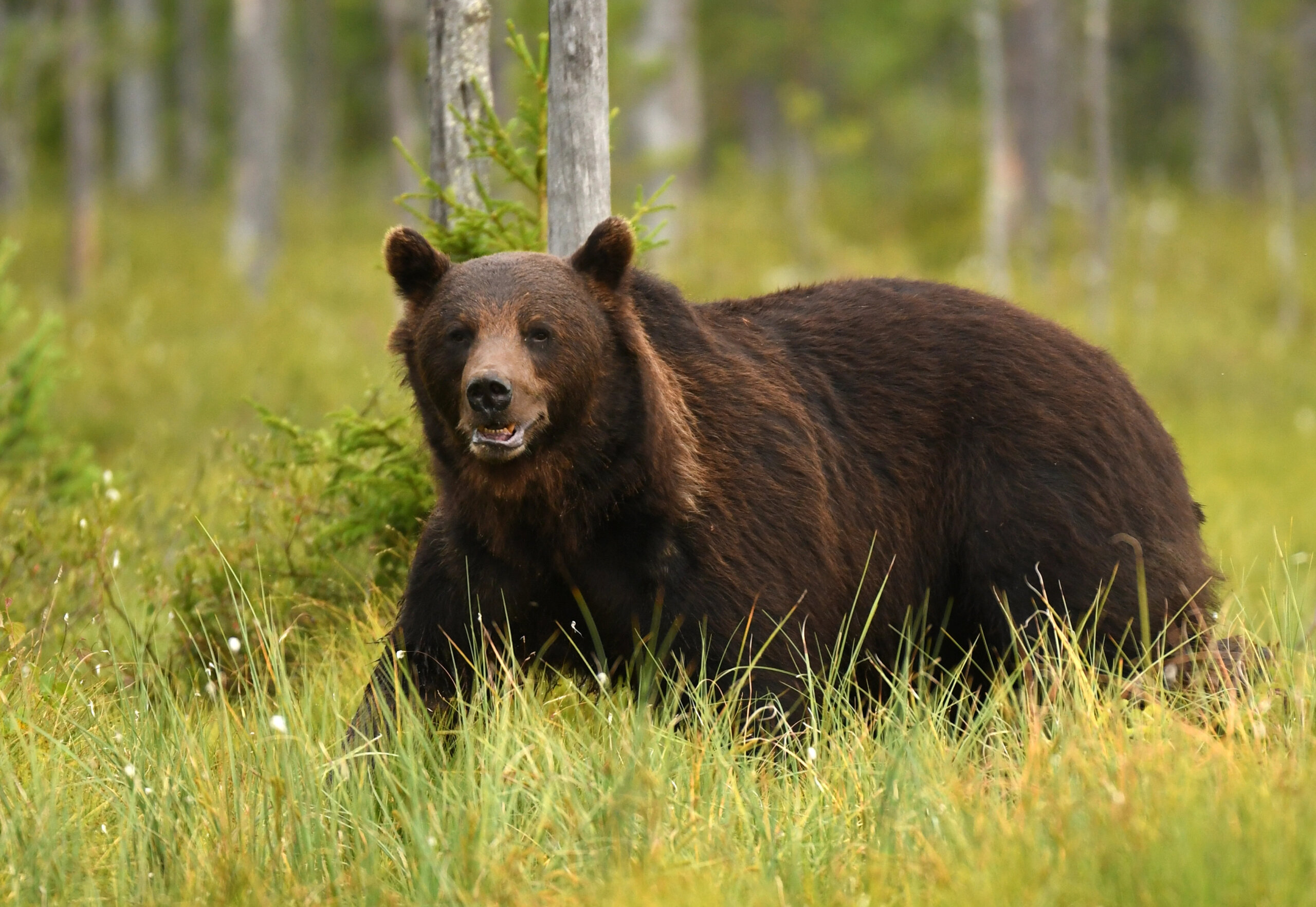
There is a particular kind of silence that exists in ancient forests. Not absence of sound. Quite the opposite.
It is the layered noise of a living ecosystem functioning without needing human permission. Wind moving through silver fir. Woodpeckers hammering somewhere beyond sightlines. The soft crack of branches beneath unseen movement. Water filtering slowly through moss and roots and centuries of decay.
And occasionally, if you stop speaking long enough, the unsettling realisation that something else may well be watching you too.
The Făgăraș Mountains in Romania are one of the last places in Europe where that feeling still exists at scale. Wolves still move through these forests. Brown bears leave fresh tracks in the mud before dawn. Lynx remain almost entirely invisible despite being there. European bison once again wander landscapes they disappeared from centuries ago.
And yet, standing within this wilderness, what struck me most was not the wildlife itself.
It was how fragile the entire system suddenly felt.
Because saving Europe’s last wilderness is not simply about protecting trees or reintroducing charismatic animals for glossy conservation campaigns. It is about navigating a deeply complicated collision between ecology, economics, politics, local identity, tourism, poverty, history, and human behaviour.
And the longer I spent travelling through the Carpathians with Foundation Conservation Carpathia and Travel Carpathia, the more obvious it became that conservation is rarely the clean, morally simple story people often want it to be.
Especially when people still need to survive inside the wilderness you are trying to protect.

Disclosure: This series was created following a hosted research trip with Travel Carpathia and Foundation Conservation Carpathia. Some articles contain affiliate links, meaning I may earn a commission if you book through them. All thoughts and experiences remain entirely my own, and I only recommend experiences I genuinely believe in.
What's in this post:
What Happens When You Try to Save Europe’s Last Wilderness?
Europe’s wilderness problem
Europe likes the idea of wilderness. We romanticise it constantly.
Untouched forests. Remote mountains. Wild predators roaming freely through landscapes somehow preserved from modernity.
But the uncomfortable reality is that very little truly untouched wilderness remains on the continent.
Most European forests have been logged repeatedly for centuries. Rivers have been redirected. Predators exterminated. Landscapes fragmented by roads, agriculture, industry, and urban expansion.
Even many of the places marketed as “wild” today are heavily managed ecosystems shaped continuously by human intervention.
The Carpathians are different.
Stretching across several countries, they contain some of the largest remaining tracts of old-growth and virgin forest in Europe alongside functioning populations of large carnivores that disappeared from much of the continent long ago.
And Romania sits at the heart of that remaining wilderness. Particularly within the Făgăraș Mountains.
This is not wilderness recreated from nostalgia. It is wilderness that somehow survived.
Barely.

The forests are extraordinary… and heavily threatened
The first time I walked through a virgin forest in the Făgăraș Mountains, I realised how distorted many of our ideas about forests actually are.
Commercial forests are tidy. Predictable. Efficient.
Virgin forests are chaos.
Dead trees collapse slowly into the earth while fungi spread across rotting trunks. Young beech trees grow beneath towering silver fir protected from frost and excessive sunlight. Entire ecosystems operate simultaneously above and below the soil through vast underground mycelium networks connecting roots, nutrients, moisture, and communication between trees.
Nothing is wasted. Nothing is isolated.
Even decay becomes creation.
Our guide, Sam, explained how dead trees are essential because decomposition creates soil, feeds insects, shelters wildlife, and sustains countless microscopic systems invisible to most visitors.
In many managed forests, dead wood gets removed immediately.
Here, it remains part of the ecosystem.
And that distinction matters enormously.
Because old-growth forests are not simply collections of trees. They are deeply interconnected living systems built slowly over centuries. Systems that become almost impossible to recreate once destroyed.

Illegal logging is still devastating Romania
And this is where the conservation story becomes deeply uncomfortable.
Because despite the extraordinary ecological importance of these forests, illegal logging remains a serious issue across parts of Romania.
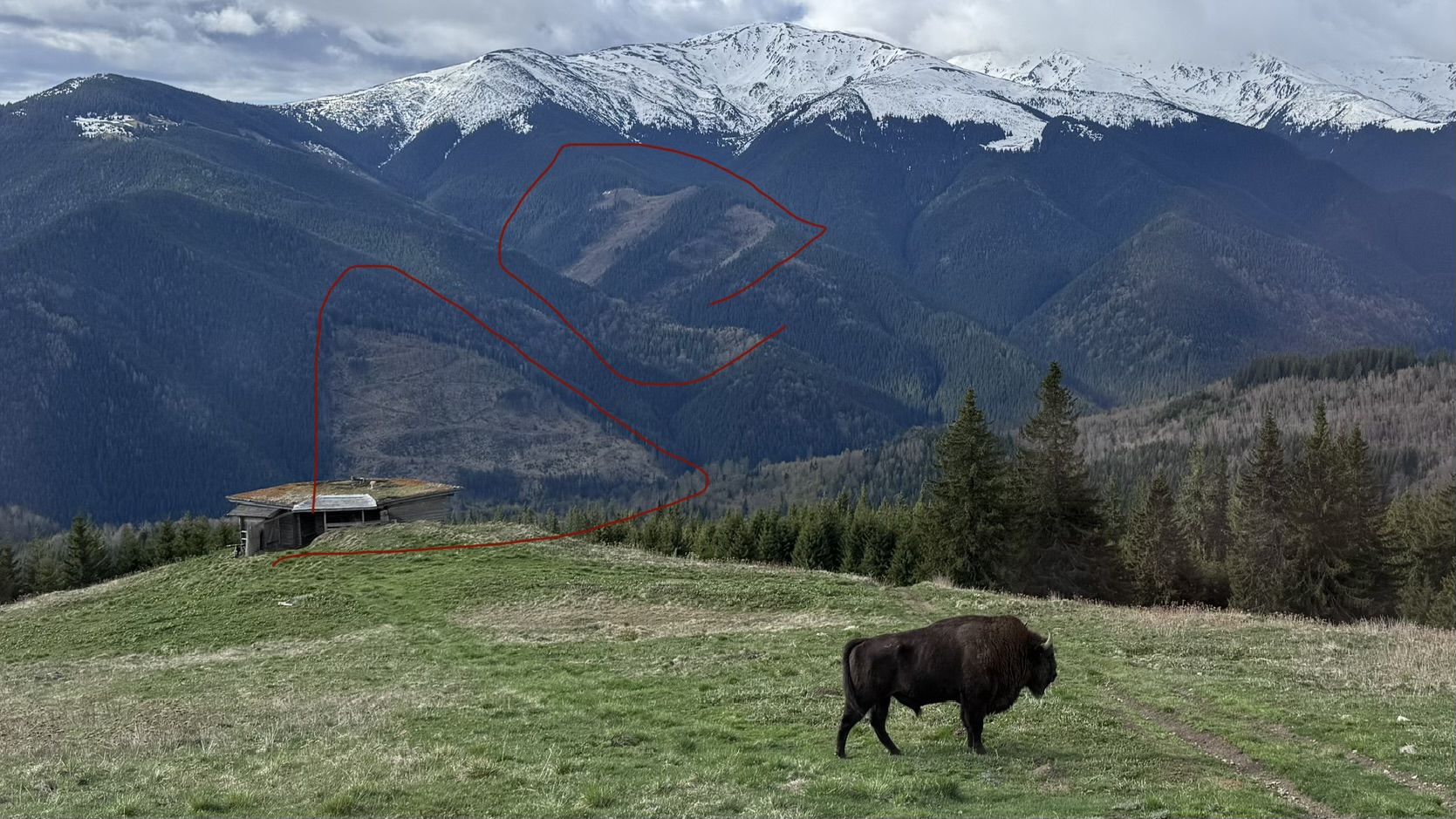
You see the scars everywhere once you start recognising them.
Entire mountainsides abruptly stripped bare. Sharp geometric gaps carved into otherwise continuous forest. Muddy roads disappearing into logged areas.
Sometimes the destruction feels shocking precisely because the surrounding wilderness remains so beautiful.
Romanian law technically regulates logging. Forest owners are permitted to harvest certain percentages of woodland, and replanting is legally required afterwards.
But reality is more complicated than legislation.
Illegal logging networks exploit poverty, corruption, weak enforcement, and local desperation. In some cases, poorer communities are offered firewood or small amounts of money to participate in logging activity that ultimately destroys the very ecosystems they rely upon long term.
And overlaying all of this is the lingering legacy of communism.
Several people involved in conservation work explained how decades under communist rule created complicated relationships around ownership and natural resources. When everything theoretically belonged to “the people,” many individuals developed the mentality that forests, wildlife, and land existed to be used freely because nobody truly owned them.
Changing that mindset takes far longer than simply passing environmental laws.
Which means conservation here is not only ecological. It is cultural too.
Foundation Conservation Carpathia is trying something radically ambitious
Foundation Conservation Carpathia was founded with an extraordinarily ambitious goal: helping create a fully protected national park across the Făgăraș Mountains while restoring damaged ecosystems and supporting local communities at the same time.
On paper, the vision sounds straightforward enough.
- Protect the wilderness.
- Restore biodiversity.
- Promote conservation.
But the reality is infinitely more complicated because wilderness does not exist in isolation from people.
Families still live throughout these mountains. Villages rely on forestry, agriculture, grazing land, and access to natural resources. Livestock share landscapes with predators. Economic opportunities remain limited in many rural areas.
Conservation cannot succeed here by simply excluding humans from the landscape altogether. And perhaps that is what impressed me most about the Foundation’s approach.
They understand that protecting ecosystems requires local buy-in, not just idealistic environmental messaging delivered from outside.
So alongside rewilding projects and forest restoration, they invest heavily in community relationships, education, local employment, tourism partnerships, scientific research, and long-term economic alternatives connected to conservation rather than extraction.
It is slower work. Messier work.
But probably the only kind that actually stands a chance of lasting.

Rewilding sounds romantic until it becomes real
Rewilding has become one of conservation’s favourite buzzwords.
The internet loves it.
Photos of bison crossing misty valleys. Wolves returning to ancient landscapes. Forests reclaiming abandoned land.
And to be fair, much of it is genuinely hopeful.
Foundation Conservation Carpathia has already helped reintroduce European bison into the Făgăraș Mountains, slowly rebuilding populations that disappeared from the region generations ago.
Watching bison emerge silently through forest mist in Romania feels faintly surreal. These are animals many people associate with medieval Europe or prehistoric documentaries rather than modern landscapes.
But once again, reality is more complicated than social media captions tend to acknowledge. Because rewilding predators and large herbivores directly affects the people living alongside them.
Bears raid orchards. Wolves attack livestock. Bison alter landscapes and farming patterns.
And while urban environmentalists may celebrate the return of large wildlife, rural communities often carry the actual burden of coexistence.
That tension exists across conservation projects worldwide.
- Who absorbs the cost of protecting nature?
- Who benefits economically?
- Who gets asked to adapt?
These are not abstract philosophical questions in Romania. They are daily realities.

Tourism becomes part of the conservation system
This is where Travel Carpathia enters the picture.
The tourism arm was not created separately from the conservation work. It was created to help support it.
And importantly, the tourism itself feels intentionally designed around the ecosystem rather than imposed onto it.
Guests stay in locally connected accommodation. Guides come largely from surrounding communities or become deeply embedded within them. Food is sourced from nearby producers wherever possible. Wildlife experiences prioritise slower observation over spectacle.
Even the hides deep within the mountains quietly reinforce the wider philosophy.
At Bunea Hide and Comisu Hide, there are no infinity pools or luxury spa aesthetics pretending wilderness is comfortable. But neither is the experience unnecessarily harsh or performatively rugged.
Instead, the hides strike a fascinating balance between immersion and comfort. You sleep within the ecosystem rather than merely visiting it.
And critically, the tourism revenue helps create economic arguments for protecting the landscape itself.
Because conservation ultimately survives far more effectively when ecosystems become financially valuable alive rather than dead.

The danger of turning wilderness into entertainment
And yet even ecotourism carries risks. That became especially obvious while discussing bear tourism in Romania.
The country has developed a complicated relationship with wildlife tourism, particularly around brown bears. In some areas, feeding stations and roadside encounters have created increasingly habituated bears that associate humans with food.
Tourists stop cars to take selfies beside cubs. Restaurants intentionally attract bears because sightings increase business. And inevitably, both humans and wildlife begin paying the price.
Recently, an Italian tourist died after approaching a mother bear too closely while trying to photograph her cub.
The bear was later shot.
Which is often how these stories end. Human behaviour changes animal behaviour. Then the animals suffer the consequences.
Travel Carpathia openly acknowledges this complexity. Some traditional hides involving feeding still exist because demand for guaranteed bear sightings remains high. But the organisation increasingly encourages visitors toward fully wild experiences where bears are neither baited nor manipulated for tourism.
Again, nothing about the conversation felt simplistic. No performative moral superiority.
Just honest recognition that conservation involves constant compromise between idealism and reality.

Wilderness changes how people behave
One of the most interesting things I noticed during my time in the Făgăraș Mountains was how quickly the wilderness altered human behaviour too.
At first, most people arrive wanting sightings.
- Bears.
- Bison.
- Wolves.
But gradually, attention shifts elsewhere. Tracks become fascinating. Birdsong becomes meaningful. The structure of forests starts revealing stories invisible at first glance.
You begin slowing down because the ecosystem itself demands it.
And perhaps that is one of conservation tourism’s greatest strengths when done properly. It reconnects people emotionally to systems they have become detached from.
Not through guilt. Not through lectures. But through experience.
Because it is very difficult to walk through a virgin forest while listening to guides explain underground fungal networks connecting entire ecosystems and still believe nature exists simply as scenery for human consumption.
The forest starts feeling less like a backdrop and more like infrastructure.
Ancient, living infrastructure quietly sustaining everything around it.

The local community remains central to everything
One thing that repeatedly impressed me throughout this project was how intentionally local the ecosystem around Travel Carpathia remains.
At Equus Silvania, many staff come directly from nearby villages. Produce is sourced locally wherever possible. Women from the community create homemade preserves and spreads served throughout the experience. Local people help operate tree nurseries restoring damaged forest areas.
Even the tourism itself supports slower, more distributed economic activity rather than concentrating profits within international corporations.
And this matters because one of tourism’s biggest failures globally is leakage.
Money enters destinations through visitors but leaves again almost immediately through foreign-owned hotels, imported products, international operators, and external investors.
Conservation tourism only works long term if local communities genuinely feel the benefits themselves.
Otherwise, environmental protection simply becomes another external pressure imposed onto people already struggling economically.
The Foundation seems deeply aware of that reality. Not perfectly. No organisation ever is. But consciously.
And honestly, that awareness alone already places them ahead of many conservation projects globally.

The uncomfortable truth about saving wilderness
The further I travelled through Romania, the more I realised that saving wilderness is not really about wilderness alone.
It is about relationships between humans and ecosystems. Between rural communities and urban environmentalism. Between tourism and extraction. And between immediate survival and long-term sustainability.
Conservation becomes incredibly messy once real people are involved because humans are not separate from ecosystems.
We are part of them.
And while it is easy to romanticise untouched landscapes from afar, the practical reality of protecting them requires compromise, negotiation, funding, education, trust-building, scientific research, political pressure, and endless patience.
There are no clean endings. No perfect solutions.
Only ongoing decisions about what kind of future we are collectively willing to create.

Why this matters far beyond Romania
It would be easy to view the Făgăraș Mountains as a uniquely Romanian issue.
They are not.
The same tensions playing out here exist globally.
- How do we protect ecosystems while supporting local communities?
- How do we create tourism that sustains landscapes rather than consuming them?
- How do we restore biodiversity without ignoring human realities?
And perhaps most importantly:
- How do we convince people that wilderness still matters in an increasingly urban, disconnected world?
Because once old-growth forests disappear, they do not simply regrow within political timescales.
Once ecosystems collapse, rebuilding them becomes extraordinarily difficult.
The Carpathians still have time. But not unlimited time.

Final thoughts: conservation is not a fairytale
Before visiting Romania, I think part of me still unconsciously imagined conservation through slightly romantic lenses.
Protect the wilderness. Save the animals. Rewild the forests.
Simple.
The reality is far more complicated.
And honestly, far more interesting because of it.
What Foundation Conservation Carpathia is attempting in the Făgăraș Mountains is not just ecological restoration. It is social negotiation. Economic restructuring. Cultural transformation. Political persistence. Long-term systems operating inside one of Europe’s last functioning wilderness ecosystems.
And perhaps that complexity is precisely what makes the work feel hopeful.
Because simplistic environmental narratives rarely survive contact with reality. Nuanced systems do.
The wilderness here is not frozen in time. It is contested. Fragile. Alive.
And whether Europe’s last great wilderness survives may depend less on dramatic wildlife sightings and more on something far quieter:
Whether humans can finally learn to see themselves as part of the ecosystem too.

Comments will load here
Be the first to comment