
The Blog

What to Pack for an African Safari
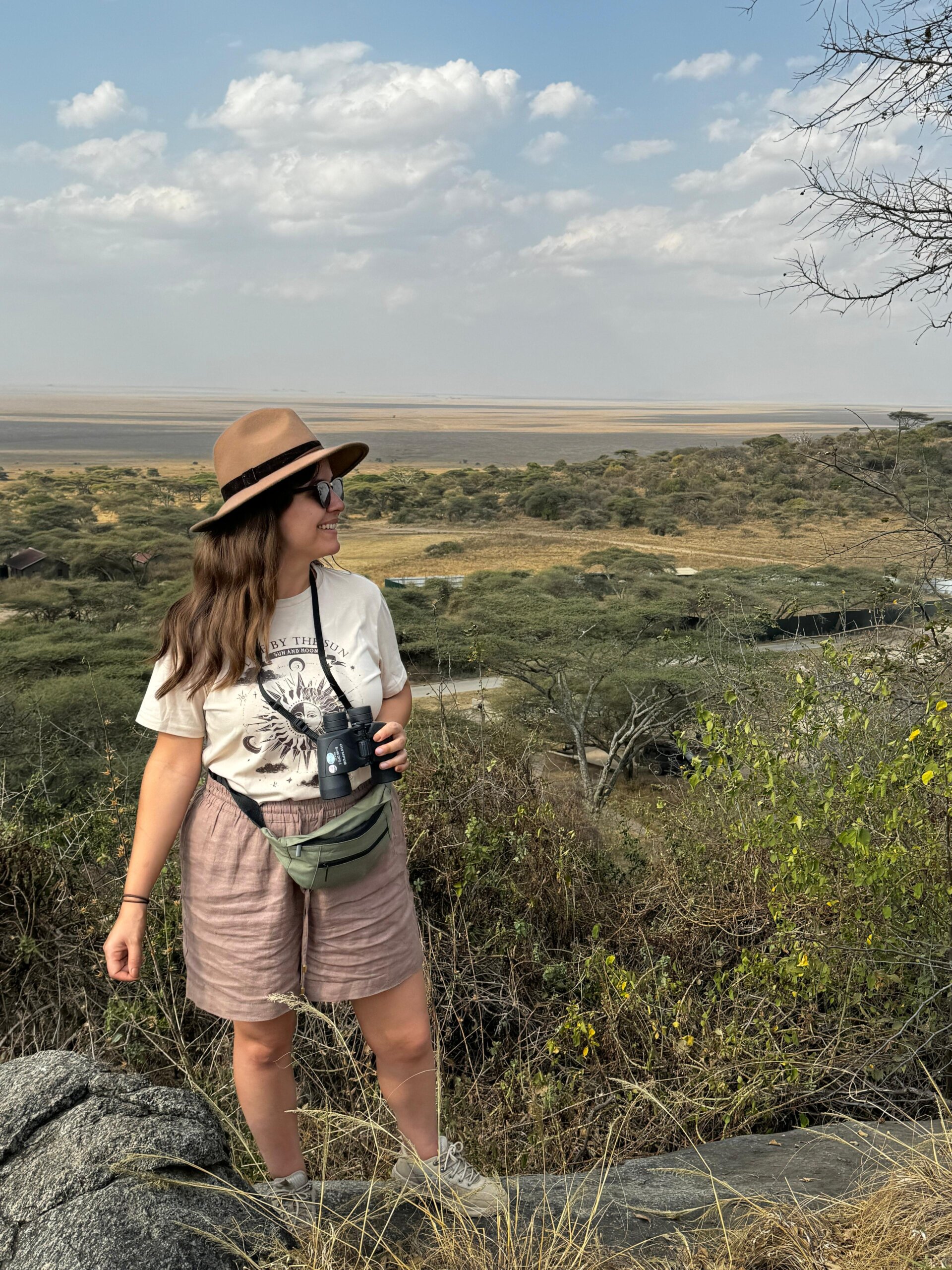
There is a moment on almost every safari when somebody realises they packed entirely the wrong thing, and that is exactly why knowing what to pack for an African safari matters far more than most people expect.
Usually, it happens at 5:30am.
The sun has not risen yet. The vehicle is moving. Wind cuts through the open sides of the Land Cruiser while somebody wrapped in a flimsy beach hoodie curls further into themselves, desperately trying to absorb warmth from a lukewarm coffee cup. Meanwhile, the experienced safari traveller beside them quietly produces gloves, a buff, and an actual jacket from a perfectly organised duffel bag like this is a military operation rather than a holiday.
Safari travel is not difficult to pack for. But it is different.
And what surprises most first-time safari travellers is that the challenge is rarely glamour. It is practicality. Dusty roads. Bush plane luggage restrictions. Dramatically changing temperatures. The reality that most safari lodges are far more relaxed than people expect. The fact that nobody cares if you repeat outfits because everyone else is doing exactly the same thing.
So today, I am sharing a genuinely practical guide on what to pack for an African safari, based on real safari experience rather than Pinterest fantasies where everyone looks impossibly clean in flowing linen while posing with lions in the background.
Because real African safaris are dustier, colder, sweatier, and infinitely more magical than that.

Disclaimer. This post may contain affiliate links, which means that if you make a purchase using one of my links I will receive a small referral fee at no extra cost to you. This small fee helps me continue to create content to help intrepid travelers like you plan their next trip!
What's in this post:
What to Pack for an African Safari
Packing properly can completely change your safari experience, and understanding what to pack for an African safari beforehand will make your trip significantly more comfortable.
African safaris often involve early morning game drives, long hours outdoors, strict luggage restrictions on bush planes, and rapidly changing temperatures throughout the day. One minute you are freezing in the dark wrapped in every layer you own, and four hours later you are sweating through your shirt while an elephant blocks the road in front of your vehicle.
And while Instagram would like you to believe safaris require a perfectly coordinated neutral-toned wardrobe, the truth is that an incredible safari experience depends far more on preparation, comfort, and adaptability than expensive equipment or oversized luggage.
You do not need to look fashionable.
You need to avoid hypothermia at sunrise in South Africa and heatstroke by lunchtime in Tanzania.

What Is A Safari In Africa
At its simplest, a safari is a wildlife-focused journey through natural landscapes. But honestly, that definition feels wildly inadequate.
A safari can mean watching the Great Migration cross crocodile-filled rivers in Serengeti National Park, tracking mountain gorillas through jungle in Bwindi Impenetrable Forest, gliding silently through the waterways of the Okavango Delta, or sitting beside a waterhole in Etosha National Park while elephants emerge from the dust like prehistoric creatures.
Most safari days follow a fairly similar rhythm:
- Wake up painfully early
- Drink coffee while pretending you are naturally a morning person
- Head out on a game drive
- Either return for brunch and downtime during the hottest part of the day or, particularly in East Africa, stay out exploring with packed lunches and full-day wildlife viewing
- End the night listening to distant hyenas while convincing yourself every unidentified noise outside your tent is definitely not a lion
Safari life prioritises comfort, practicality, and adaptability over looking polished. Nobody cares if your outfit is repeated. They care whether you spotted the leopard.
Packing properly can completely change your safari experience, and understanding what to pack for an African safari beforehand will make your trip significantly more comfortable.

Types Of Safaris in Africa
Luxury Lodge Safaris
Luxury lodge safaris are what many people picture first when they imagine African safaris.
Beautiful lodges. Excellent food. Hot showers with ridiculous views. Sundowners beside rivers while hippos grunt in the background.
Packing for these trips is relatively easy because many lodges offer laundry services, meaning you can pack lighter than you think.
Tented Camp Safaris
Tented camps are one of my favourite safari experiences because they feel immersive without sacrificing comfort.
You hear lions at night. You wake up to birdsong. Occasionally a hyena wanders through camp.
Layers become especially important here because mornings and evenings during the dry seasons can feel surprisingly cold.

Mobile Safaris
Mobile safaris involve moving between camps throughout the trip.
This means soft-sided luggage is essential, especially when small aircrafts are involved. Bush planes often have strict weight restrictions (normally around 15kg), and hard-shell suitcases are about as useful here as stilettos at a hiking convention.
Walking Safaris
A walking safari changes everything.
Suddenly you notice tracks, smells, bird alarm calls, and tiny details you would completely miss from a vehicle. The bush feels bigger when you are standing in it rather than driving through it.
Good walking shoes, breathable layers, and sun protection become far more important for these kinds of safaris.

Private Conservancy Safaris
Private conservancies often offer more exclusive safari experiences with fewer vehicles and more flexibility.
They frequently allow off-road driving, longer sightings, and night drives that national parks often prohibit.
Some of my best wildlife viewing experiences have happened in conservancies where the guides knew the animals. The stand out experience for me was seeing wild dog pups emergency from their den to greet the parents returning from a hunt while I was in Mapesu Private Game Reserve.
Are African Safaris Worth It
Yes. Completely and utterly yes.
There is a reason safaris sit permanently on people’s bucket lists.
Very few travel experiences compare to the feeling of watching wild animals behave completely naturally around you. No barriers. No feeding times. No artificial performances. Just nature unfolding exactly as it has for thousands of years.
Whether you are standing beside Victoria Falls, watching elephants cross floodplains in Chobe National Park, tracking mountain gorillas in Uganda, or witnessing the Great Migration in East Africa, safaris have a way of making the rest of the world temporarily disappear.
And unlike many overhyped travel experiences, African safaris usually exceed expectations rather than disappoint them.

When Is The Best Time To Go To An African Safari
Dry Season Safaris
June to October
The dry seasons are widely considered the best time of year for wildlife viewing because animals gather around water sources and vegetation becomes thinner.
But here is the important thing many packing guides fail to explain properly:
Not all countries are the same.
In South Africa, especially around Kruger National Park and private reserves, game drives are often done in open-air safari vehicles. During winter, early morning drives can be genuinely freezing. Not “slightly chilly.” Properly cold.
You need:
- Thick jacket
- Gloves
- Hat
- Layers
- Possibly emotional resilience
Meanwhile, Tanzania rarely gets that cold. Even around the Ngorongoro Highlands, a lighter windproof puffer or insulated jacket is usually enough.
Namibia, especially around the salt pans and desert regions near Etosha National Park, can also become surprisingly cold before heating up dramatically during the day.
Botswana mornings in the Okavango Delta can feel icy on boat safaris despite scorching afternoons later on.
Africa is a continent, not a single climate.
And your packing should reflect that.

Rainy Season Safaris
November to May
Rainy season safaris bring greener landscapes, fewer crowds, dramatic skies, and incredible birdwatching opportunities.
But they also bring humidity, mud, and sudden downpours.
Quick-dry clothing and lightweight waterproof jackets become much more useful during this time of year.
Walking Safaris And Gorilla Trekking
Best During Dry Months: June to September
Tracking mountain gorillas or doing a walking safari requires far more practical outdoor gear than standard vehicle-based safaris.
You will want:
- Proper hiking boots
- Moisture-wicking clothing
- Waterproof layers
- Good socks
- Small backpack
And probably stronger thighs than you currently possess.

What To Pack For A Safari In Africa
When deciding what to pack for an African safari, focus on versatile items that work across changing temperatures, dusty roads, long game drives, and different safari styles rather than packing for aesthetics alone.
Neutral-Coloured Clothing
Stick to earthy tones like:
- Olive
- Beige
- Khaki
- Brown
- Muted green
Bright colours can disturb wildlife, while black and dark blue attract tsetse flies in some safari regions.

Layers
Layers are absolutely essential on African safaris.
Temperatures fluctuate massively between early morning and midday, especially during the dry seasons.
Think:
- T-shirts
- Fleece
- Light jacket
- Windproof outer layer
You want flexibility rather than one giant bulky coat you regret carrying around by lunchtime.
A Proper Jacket
This depends entirely on where you are going.
For South Africa winter safaris: bring an actual warm jacket.
For Tanzania and Kenya: lighter insulated layers are usually enough.
For Namibia: prepare for cold mornings and hot afternoons. Think layers!

A Buff Or Scarf
I never travel without one.
A scarf or buff is one of the most versatile safari items you can pack because it works for:
- Dust protection
- Warmth
- Sun protection
- Wind
- Covering your hair after game drives
- Looking vaguely respectable after eight hours in a Land Cruiser
Comfortable Trousers
You will spend hours sitting in vehicles bouncing along roads that occasionally feel more theoretical than real.
Comfort matters.
Lightweight hiking trousers, leggings, or breathable travel trousers also work perfectly.

Good Shoes
Standard vehicle-based safaris do not require heavy hiking boots.
But you do want comfortable shoes suitable for uneven ground, bush walks, and long travel days.
For gorilla trekking or walking safaris, proper hiking boots become so much more important.
Sun Protection
The African sun is no joke.
Bring:
- Sunglasses
- Hat
- Sunscreen
- Lip balm with SPF
Even on cloudy days, the sun can be incredibly intense.
Insect Repellent
I always travel with incognito products.
Their repellents are DEET-free, effective, and much nicer to wear repeatedly than many stronger chemical alternatives. They have travelled with me through places like Tanzania, Sierra Leone, Rwanda, Senegal, and The Gambia without me feeling like I was coating myself in industrial poison. I’ve written a full review if you want to know why I rate it so highly!

Technology
Technology deserves its own section because safari photography has a remarkable ability to destroy batteries at the worst possible moment.
Always pack:
- Extra camera batteries
- Multiple memory cards
- Power bank
- Charging cables
- Universal adapter
- Portable hard drive if photographing heavily
Because discovering your only memory card has failed halfway through a lion sighting is the kind of emotional trauma nobody needs.
Binoculars
Good binoculars massively improve wildlife viewing, especially for birdlife and distant sightings.
Even when guides have some available, having your own pair makes the safari experience much more immersive.

Medication And Essentials
Bring:
- Personal medication
- Rehydration salts
- Anti-diarrheals
- Painkillers
- Motion sickness tablets
- Plasters
- Antihistamines
Long travel days, heat, dust, and dehydration can affect people differently.
Best Colours To Wear On Safari
The best colours for safari clothing are:
- Olive green
- Beige
- Khaki
- Brown
- Grey
- Muted earth tones
Avoid:
- Bright neon colours
- Pure white
- Black
- Dark blue
(Dark blue and black especially in regions with tsetse flies)

What Not To Pack For An African Safari
Hard-Shell Suitcases
Packing the safari vehicle each morning is a game of Tetris which is much easier achieved with soft shelled bags. Bush planes also don’t like hardshell luggage and have been known to decline them at times.
Too Many Clothes
Most safari lodges are casual, and many offer laundry services. Nobody is keeping track of how many times you wore the same trousers.
Expensive Jewellery
Just leave it at home.
Hairdryers And Unnecessary Appliances
Many camps operate on generators or solar power systems with limited electricity. Most others supply hairdryers.
Drones
Drones are banned or heavily restricted in many national parks and safari areas.

Unrealistic Expectations
Not technically an item, but important nonetheless.
Sometimes wildlife disappears for hours. Sometimes the lion sleeps facing away from you like an annoyed domestic cat. And sometimes it rains during your sunset game drive.
And then suddenly, out of nowhere, something extraordinary happens.
A leopard walks past your vehicle.
Wild dogs appear on the road.
An elephant stares directly into your soul while chewing leaves two metres away.
That unpredictability is part of what makes safaris so addictive.
Final Thoughts On Packing for an African Safari
If you are planning a safari in a specific country, I also have detailed itineraries for South Africa, Tanzania, Kenya, and Uganda
to help with route planning, national parks, logistics, accommodation, and creating a trip that matches your travel style rather than just rushing between highlights.
But ultimately, the best safari experience rarely comes from having the most expensive gear or the perfect wardrobe.
It comes from being present. From listening to the sounds around camp at night.
From understanding that African safaris are not one single experience but thousands of wildly different landscapes, cultures, ecosystems, and adventures stitched together across an enormous continent.
And from realising, somewhere between the freezing early morning game drives, the dust, the endless sunsets, and the wildlife viewing moments you will replay in your head for years afterwards, why people keep returning to Africa again and again.

Comments will load here
Be the first to comment