
The Blog

Food in Uganda, Africa: Where to Eat
When most people think about travelling to Uganda, food probably isn’t the first thing that springs to mind. Gorillas? Definitely. Safaris? Absolutely. The source of the Nile? Perhaps.
But food?
That tends to catch people off guard.
And perhaps that’s exactly why food in Uganda deserves more attention.
I’ve always believed that one of the best ways to understand a country is through its food. Not necessarily in fancy restaurants, but through bustling markets, roadside stalls, local eateries, and the dishes people actually eat at home. Uganda is one of East Africa’s most fertile countries, and that abundance shines through on the plate. Fresh produce, tropical fruits, freshwater fish, cattle-grazing regions, and a rich cultural mix have all helped shape a unique culinary identity.
Most travellers arrive expecting wildlife and leave pleasantly surprised by the quality and variety of Ugandan cuisine. No, it isn’t a destination that has built its reputation around food in the same way as Thailand or Italy. But that is part of its charm. The food feels authentic, rooted in tradition, and closely connected to the land and people who produce it.
Today, I’m going to share some of the most popular food in Uganda and where you can get a taste of authentic Ugandan dishes during your travels.

Disclaimer. This post may contain affiliate links, which means that if you make a purchase using one of my links I will receive a small referral fee at no extra cost to you. This small fee helps me continue to create content to help intrepid travellers like you plan their next trip!
What's in this post:
Food in Uganda, Africa: Where to Eat
Food is an essential part of the travel experience in Uganda. Every meal tells a story about the country’s agriculture, geography, and cultural traditions. Whether you’re eating freshly caught tilapia beside a lake, grabbing a rolex from a street food vendor, or sharing a traditional dish with local friends, food offers insight into everyday Ugandan life.
One of the things I love most about travelling in Uganda is that the food feels genuinely local. Much of what you eat has been grown nearby. The fruits are sweeter, the vegetables are fresher, and the ingredients haven’t travelled halfway around the world before arriving on your plate.
Exploring local markets, street food vendors, traditional restaurants, and regional specialties provides one of the most authentic ways to experience Uganda. The dishes vary from region to region, and what you find in Kampala may be very different from what is served in the villages around Bwindi or on the shores of Lake Victoria.
If you’re planning a wildlife adventure as well, don’t miss these safaris in Uganda, which offer the perfect opportunity to experience both the country’s incredible landscapes and its regional food traditions.

Where Is Uganda Located
Uganda is located in East Africa and shares borders with Kenya, Tanzania, Rwanda, South Sudan, and the Democratic Republic of Congo. It sits along the equator and is home to a remarkably diverse landscape that includes mountains, forests, savannahs, wetlands, and some of Africa’s largest lakes.
This geography has a huge influence on Ugandan cuisine.
The country’s fertile farmland and tropical climate allow farmers to grow a wide range of crops throughout the year. Vast cattle-grazing regions contribute dairy products and meat, while access to major lakes such as Lake Victoria, Lake Albert, and Lake Kyoga provides an abundance of freshwater fish.
Staple foods such as green banana, maize flour, cassava, sweet potatoes, beans, and millet are grown across the country. Different ethnic groups have developed their own cooking traditions using these ingredients, creating a food culture that varies significantly from one region to another.
The result is a cuisine that feels fresh, seasonal, and deeply connected to the landscape.

Food in Uganda by Region
One of the things I enjoy most about travelling in Uganda is that the food changes as you move around the country. While staples such as matoke, beans, rice, and groundnut sauce appear almost everywhere, each region has its own specialties shaped by geography, agriculture, and local traditions.
Kampala
If Uganda has a food capital, it’s Kampala.
The city’s restaurants showcase everything from traditional Ugandan cuisine to modern interpretations of classic dishes. It’s also one of the best places to try a rolex from a street food vendor. Whether you’re looking for a quick snack on a busy street corner or a beautifully presented luwombo in a restaurant, Kampala offers the widest variety of food experiences in the country.
This is also where you’ll find influences from Indian, Middle Eastern, and international cuisines blending with local ingredients.

Jinja and the Source of the Nile
Jinja’s location on the Nile makes it one of the best places in Uganda to enjoy fresh fish.
Many restaurants serve tilapia and Nile perch caught from nearby waters, often grilled over charcoal and served with chips, rice, or salad. After a day rafting the Nile or exploring the town, there are few better meals than freshly cooked fish overlooking the river.
The relaxed atmosphere also makes Jinja one of Uganda’s best destinations for café culture and riverside dining.

Western Uganda
The mountainous southwest feels noticeably different from Kampala, and so does the food.
Around Kabale, Bwindi, and the crater lake regions, you’ll find hearty meals designed to fuel people working the land and navigating the region’s steep hills. Matoke, beans, sweet potatoes, cassava, and rich groundnut sauce feature heavily on many menus.
This is also one of the best regions to enjoy farm-fresh produce. The cooler climate helps create excellent vegetables, while roadside fruit stalls often offer some of the sweetest pineapples, avocados, and passion fruits you’ll find anywhere in East Africa.

Lake Victoria
Lake Victoria has shaped local diets for generations.
Communities around the lake rely heavily on fishing, making this one of the best places in Uganda to enjoy fresh tilapia and other freshwater fish dishes. Fish is often served grilled, fried, or cooked in a rich sauce or stew accompanied by rice, posho, or matoke.
If you’re travelling through Entebbe or visiting lakeside communities, make sure at least one meal involves freshly caught fish. It doesn’t get much more local than that.

Northern Uganda
Northern Uganda receives far fewer tourists than the southwest, but it has its own distinctive food traditions.
Millet, sorghum, sesame seeds, beans, and vegetables feature prominently in local cooking. Many dishes are simpler in presentation but deeply connected to the region’s agricultural heritage.
Travellers heading to places such as Kidepo Valley National Park often discover a side of Ugandan cuisine that feels quite different from the dishes commonly served in Kampala’s restaurants.
What Is The Main Food In Uganda
Matoke
If Uganda had a national dish, matoke would be a strong contender.
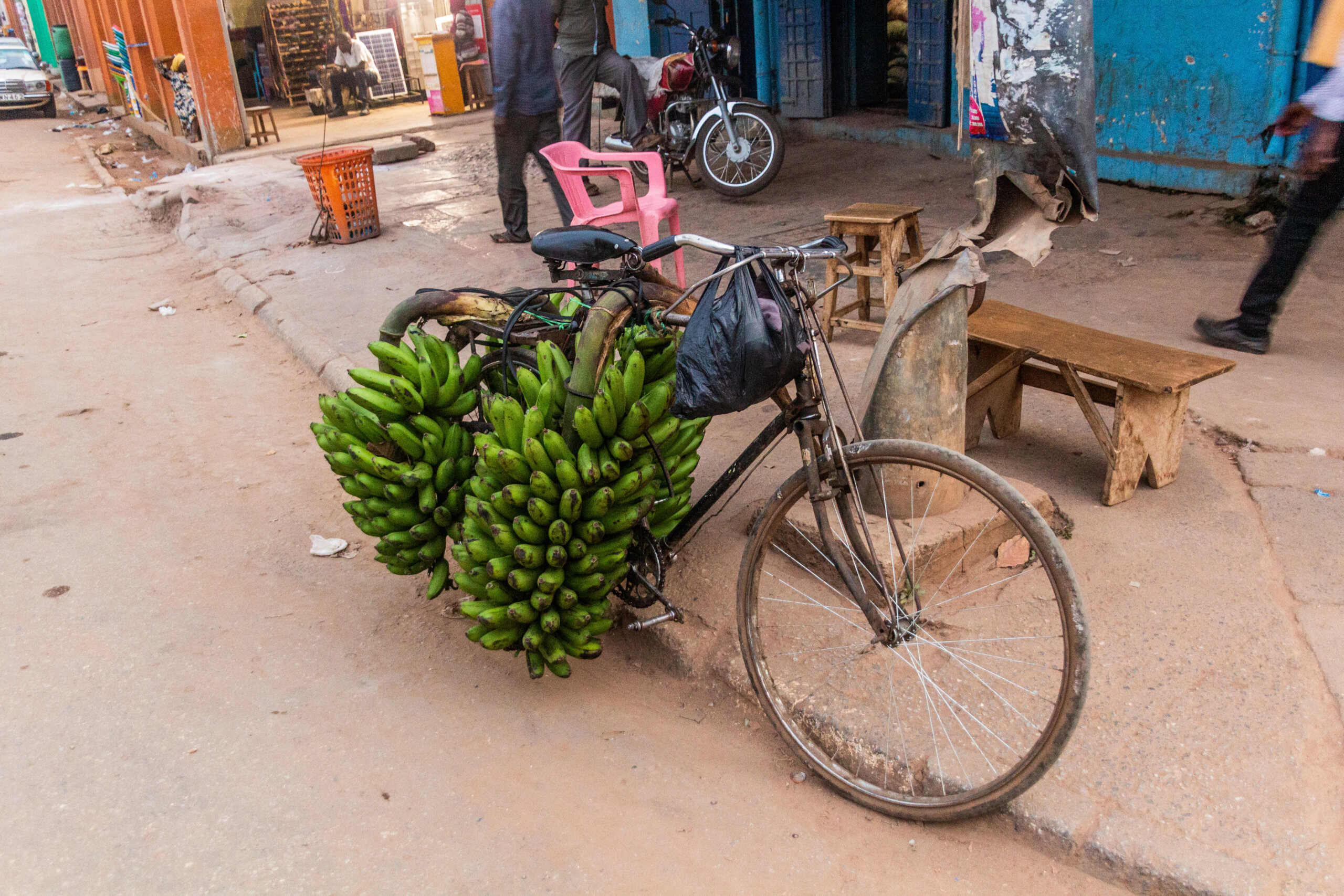
Made from green banana, matoke is a staple food throughout much of the country. The bananas are peeled, wrapped in banana leaves, and steamed until soft before being mashed into a smooth consistency.
The flavour is mild and slightly earthy, making it the perfect accompaniment to a sauce or stew. It is commonly served alongside chicken beef dishes, beans, vegetables, or rich groundnut sauce.
Matoke reflects Uganda’s agricultural heritage and remains one of the most important foods in everyday life.
Luwombo
Luwombo is one of the most traditional dishes in Uganda and dates back to the Buganda Kingdom.
The dish typically consists of chicken, beef, fish, or mushrooms cooked slowly in banana leaves. As the ingredients steam together, they create an incredibly tender and flavourful meal.
Depending on the recipe, the sauce may include vegetables, peanut sauce, or groundnut sauce. The banana leaves add subtle flavour while helping retain moisture.
If you want to try a traditional dish that feels deeply connected to Ugandan history, this is the one.

Posho
Posho is a staple made from maize flour and water.
Similar to ugali in neighbouring countries, it has a dense texture and a neutral flavour that pairs well with stews, vegetables, and grilled meats.
It may not sound exciting on paper, but posho plays an important role in daily life and is found everywhere from homes and schools to restaurants and roadside eateries.
Rolex
No discussion of Ugandan cuisine would be complete without mentioning the rolex.
Contrary to what the name suggests, it has absolutely nothing to do with expensive watches.
A rolex is one of Uganda’s most popular street food snacks. It consists of an omelette rolled inside a chapati, often with tomatoes, onions, and cabbage added for extra flavour.
It’s quick, affordable, filling, and surprisingly delicious.
If you only try one piece of street food in Uganda, make it a rolex.

Groundnut Sauce
Groundnut sauce is a staple accompaniment across Uganda.
Made from peanuts, it is rich, creamy, and comforting. Depending on the region and recipe, it may be served with matoke, rice, sweet potatoes, or meat dishes.
While many people refer to it as peanut sauce, locally it is often called groundnut sauce. The flavour is nutty and savoury, and it adds depth to countless meals.

Tilapia
With access to some of Africa’s largest lakes, it should come as no surprise that fish plays an important role in Ugandan cuisine.
Tilapia is especially popular. Freshly caught and grilled over charcoal, it is often served whole alongside chips, vegetables, or local starches.
Some of the best fish dishes can be found around Lake Victoria and the source of the Nile in Jinja.

Muchomo
Muchomo simply means grilled meat.
Whether it’s goat, chicken beef combinations at barbecue restaurants, or skewers cooked over charcoal, grilled meat is a favourite throughout Uganda.
The preparation is usually simple, allowing the quality of the meat to shine through.
Nsenene
For the adventurous eater, nsenene are a must-try.
These seasonal fried grasshoppers appear during specific times of year and are considered a delicacy by many Ugandans.
They are often seasoned and fried until crispy. Think more savoury snack than intimidating insect experience.
Even if you only try one, it makes for a great story.

Food in Uganda: What Might Surprise You
Before my first trip to Uganda, I had absolutely no idea what to expect from the food. Like many travellers, I was far more focused on gorillas, safaris, and landscapes than what would end up on my plate.
As it turns out, Uganda served up a few surprises.
The Portions Are Huge
The first thing that struck me was just how much food arrives when you order a local meal.
It’s not uncommon to be served a plate containing matoke, rice, beans, sweet potatoes, vegetables, and a meat or fish dish all at the same time. The first time it happened to me, I genuinely wondered whether I’d accidentally ordered for a group.
Ugandan food is designed to fuel people through long days of physical work, and the portions reflect that.

It Is Much Less Spicy Than You Might Expect
Many travellers assume African food will be packed with chillies and intense heat.
Ugandan cuisine is generally the opposite.
Most dishes focus on the natural flavours of the ingredients rather than heavy spices. Groundnut sauce, grilled meats, beans, vegetables, and stews tend to be rich and comforting rather than fiery.
If you love spicy food, you’ll usually find chilli available on the side, but don’t expect every meal to leave your mouth on fire.
The Fruit Is Incredible
Uganda’s fertile soil and tropical climate produce some of the best fruit I’ve eaten anywhere in the world.
Pineapples are exceptionally sweet, avocados are enormous, passion fruit is packed with flavour, and the bananas seem to come in endless varieties. Even something as simple as buying fruit from a roadside stall can become a memorable food experience.
If you’re used to supermarket fruit back home, prepare to be spoiled.

Vegetarian Travel Is Easier Than People Think
Many travellers worry that East Africa will be difficult for vegetarians, but Uganda is actually one of the easier countries on the continent for plant-based eating.
Beans, matoke, sweet potatoes, cassava, rice, vegetables, peanut sauce, and groundnut sauce are all common staples. While meat is widely available, it’s perfectly possible to eat well without it.
In fact, some of my favourite meals in Uganda have been entirely vegetarian.
Yes, It Is Starch-Heavy
If you’ve read this far and noticed a recurring theme of bananas, rice, maize flour, cassava, sweet potatoes, and chapati, you’re not imagining it.
Ugandan meals are often built around hearty carbohydrates.
For travellers spending their days hiking, gorilla trekking, cycling, or exploring national parks, this tends to be a blessing rather than a problem. The food is filling, satisfying, and provides plenty of energy for adventure.
Let’s just say nobody leaves a Ugandan lunch wondering if they should stop for a snack on the way home.

Where To Eat In Uganda
2K Restaurant, Kampala
If you want a broad introduction to Ugandan cuisine, 2K Restaurant is an excellent place to start.
Popular with both locals and visitors, it offers a wide selection of traditional dishes including matoke, groundnut sauce, grilled meats, fish, and local vegetables.
The portions are generous, the atmosphere is welcoming, and it provides a great overview of classic Ugandan flavours.
Best time to visit: Lunch.
Recommended dish: Traditional buffet.

The Lawns Restaurant, Kampala
Located in a peaceful garden setting, The Lawns combines traditional Ugandan dishes with a more refined dining experience.
It is an excellent choice if you want to try local food in a comfortable environment while escaping some of Kampala’s bustle.
Best time to visit: Lunch or dinner.
Recommended dish: Luwombo.

Amagara Café & Bistro, Entebbe
Entebbe’s relaxed atmosphere makes it a wonderful place to slow down and enjoy a good meal.
Amagara Café & Bistro focuses on fresh ingredients and offers a mix of local and international options. It’s particularly good for breakfast or lunch before heading to the airport or exploring the area.
Best time to visit: Breakfast or lunch.
Recommended dish: Fresh fish specials.
Café Javas
You will find Café Javas branches throughout Uganda.
While it is not strictly a traditional restaurant, it is incredibly popular and offers reliable food, excellent service, and a comfortable environment for travellers.
Best time to visit: Any time.
Recommended dish: Ugandan breakfast options.

Local Markets and Street Food Vendors
Honestly, some of the best food experiences in Uganda don’t happen in restaurants at all.
Visit local markets, trading centres, and roadside stalls and you’ll find fresh fruit, grilled maize, chapati, rolexes, roasted meat, and all kinds of local snacks.
These places provide a glimpse into daily life that no restaurant can replicate.
Just use the same common-sense precautions you would anywhere else: choose busy vendors, eat freshly cooked food, and follow your guide’s recommendations.
Final Thoughts on Food in Uganda
Food in Uganda may not be the reason you book your flight, but it could easily become one of your favourite parts of the journey.
From matoke wrapped in banana leaves and rich groundnut sauce to freshly grilled tilapia and seasonal fried grasshoppers, Ugandan cuisine offers a fascinating window into the country’s culture and traditions.
The best meals are often the simplest ones. A roadside rolex. Fresh fruit bought at a market. A steaming plate of matoke shared with new friends.
Because in Uganda, food is more than fuel. It’s hospitality, history, community, and a connection to the land itself.
And that’s something worth savouring.

Planning a Trip to Uganda? Read These Next
If your appetite for Uganda extends beyond the food, these guides will help you plan an unforgettable adventure.
- 27 Things to Do in Uganda – The ultimate guide to Uganda’s wildlife, culture, landscapes, and bucket-list experiences.
- 12 Safaris in Uganda – Discover the best safari itineraries, from gorilla trekking and chimpanzee tracking to boat safaris and game drives.
- Kenya vs Tanzania vs Uganda as a Safari Destination – Compare East Africa’s most popular safari destinations and find the right fit for your travel style.
- Uganda vs Rwanda Gorilla Trekking – A detailed comparison of costs, trekking experiences, scenery, and which destination is best for you.
- Gorilla Trekking in Bwindi – Everything you need to know before meeting Uganda’s famous mountain gorillas.
- 3 Day Gorilla Trek Itinerary – A practical itinerary for travellers short on time but determined to see the gorillas.
- Where to Stay in Bwindi – The best lodges, camps, and guesthouses near Uganda’s gorilla trekking regions.
- How to Tell if Your Safari Is Ethical – Learn how to choose a safari that genuinely supports conservation and local communities.
- Best Places to See Chimpanzees in Africa – Compare Uganda’s chimpanzee experiences with the best destinations across the continent.
Want to Talk to a Uganda Expert?
Planning a trip can feel overwhelming, especially when you’re trying to decide between national parks, gorilla permits, lodges, and safari routes.
If you’d like personalised advice, reach out to the team at Wild Roars Uganda. Based in Uganda and led by passionate local guides, they can help you design an itinerary that matches your interests, budget, and travel style.

Comments will load here
Be the first to comment