
The Blog

Safari in Senegal: Is It Worth It? An Honest Guide (2026)
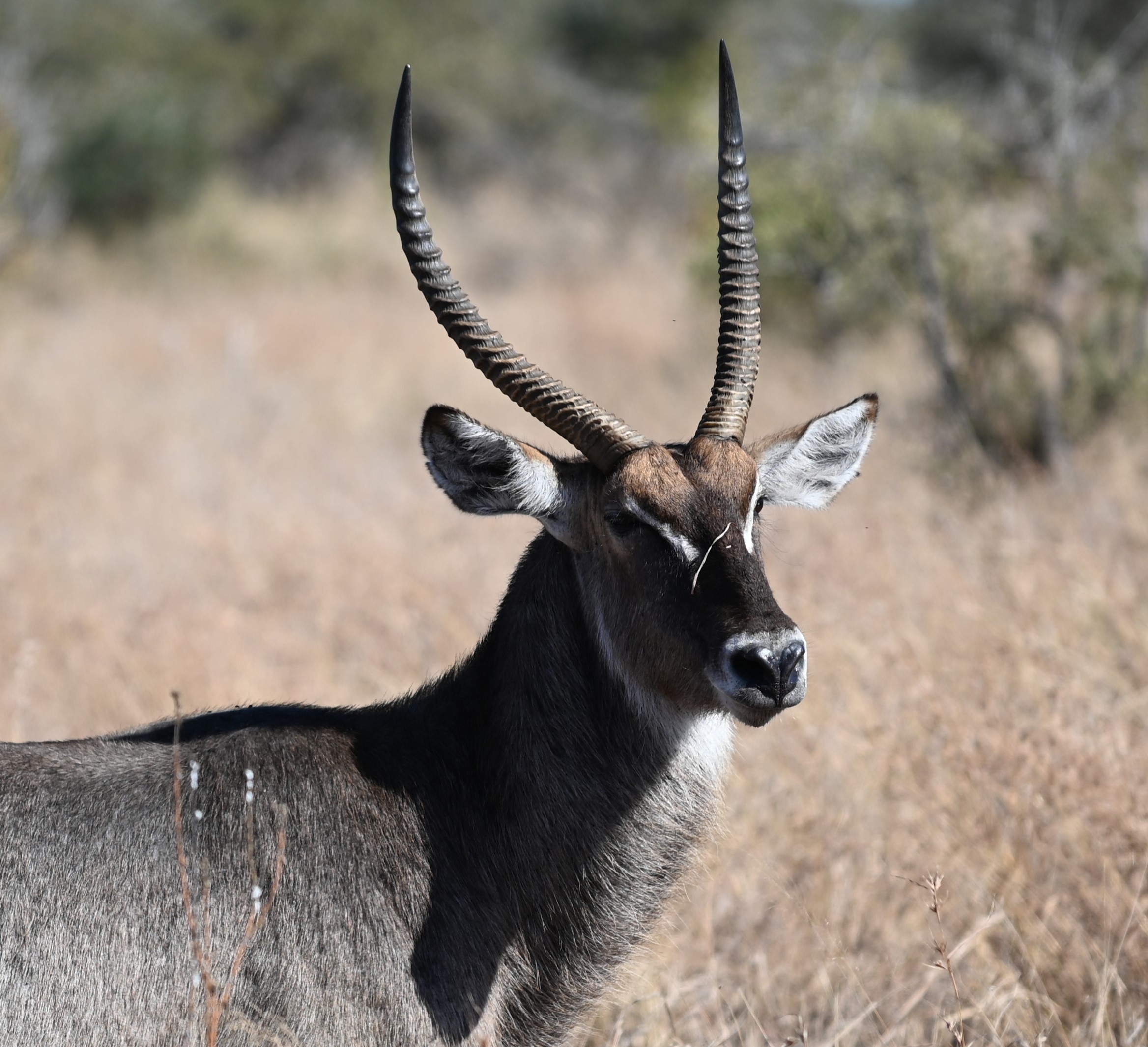
A safari in Senegal probably isn’t what first comes to mind when you think about African wildlife. There are no vast herds crossing endless plains, no guarantee of lions lounging beneath acacia trees, and no Big Five marketing campaigns tempting you from every travel brochure. Instead, Senegal offers something entirely different: a handful of safari parks, national parks and nature reserves where wildlife shares the stage with mangrove forests, birdlife, rivers and local communities. Having experienced several of Senegal’s wildlife destinations myself, I’d be honest and say I wouldn’t choose Senegal if your primary goal is a classic African safari. But if you’re already travelling through West Africa, or you’re curious about wildlife beyond the usual safari circuit, it can be a rewarding addition to your itinerary.
Disclaimer! All of my blogs may contain affiliate links. This means that if you click on the link and make a purchase I may receive a small amount of commission for the referral at no extra cost to you. This commission is what allows me to continue creating guides to help travellers plan their next trip!
What's in this post:
Safari in Senegal: What Is It Really Like?
A safari in Senegal is less about ticking animals off a list and more about experiencing the incredible diversity of West Africa’s ecosystems. Instead of spending dawn until dusk searching for predators, you’re just as likely to find yourself gliding through mangrove channels on boat tours, watching hundreds of birds take flight or spotting antelope beneath towering baobab trees.
That doesn’t mean there isn’t wildlife. There absolutely is. Senegal is home to several impressive national parks and nature reserves, each offering a different experience. The challenge is adjusting your expectations. If you’ve been dreaming of the Serengeti or the Maasai Mara, this isn’t it. If, however, you’re fascinated by birds, wetlands, primates and lesser-known wildlife destinations, you’ll find plenty to enjoy.
The country’s main wildlife areas include Niokolo-Koba National Park, the Saloum Delta, Bandia Reserve and Fathala Wildlife Reserve. Each offers something different, and some are considerably more worthwhile than others.

Are There Safaris In Senegal?
Yes, there are safaris in Senegal, but they are very different from the safari experiences that have made East and Southern Africa famous.
Senegal isn’t considered one of Africa’s premier safari destinations because it simply doesn’t have the density of wildlife found in countries like Kenya, Tanzania, Botswana or South Africa. Large predators are rare, wildlife sightings require considerably more patience, and many visitors come away remembering the landscapes and people just as much as the animals themselves.
That’s not necessarily a bad thing.
For travellers already exploring West Africa, adding a safari allows you to experience another side of Senegal. It breaks up time spent in cities and along the coast, introduces you to ecosystems that are entirely different from the beaches around Dakar, and offers opportunities to see species that don’t feature heavily on traditional safari itineraries.
If you arrive expecting the Great Migration, you’ll probably leave disappointed.
If you arrive curious about Senegal’s wildlife, you’ll likely leave pleasantly surprised.

Is a Safari in Senegal Worth It?
I think the answer depends entirely on why you’re visiting Senegal.
If you’re booking flights to Africa specifically for safari, I honestly wouldn’t recommend Senegal. Countries like Tanzania, Kenya, Botswana, Namibia and South Africa simply offer far better wildlife experiences. If that’s the trip you’re dreaming about, I’d instead start by reading my guide to the best luxury African safaris, where I compare some of the continent’s finest safari experiences.
Likewise, if you’re deciding between East Africa’s two safari giants, my comparison of a Kenya vs Tanzania safari will help you decide which is right for you.
However, if you’re already travelling through Senegal, the answer changes.
A safari becomes an opportunity to experience another side of the country rather than the main reason to visit. You won’t spend every minute searching for lions because that’s not really the point. Instead, you’ll discover mangrove forests filled with birdlife, boat tours through peaceful waterways, traditional fishing communities and wildlife adapted to life in West Africa.
For me, Senegal’s greatest strength isn’t its safari parks. It’s how wildlife, culture and everyday life naturally overlap.
Best Senegal Safaris
Niokolo-Koba National Park
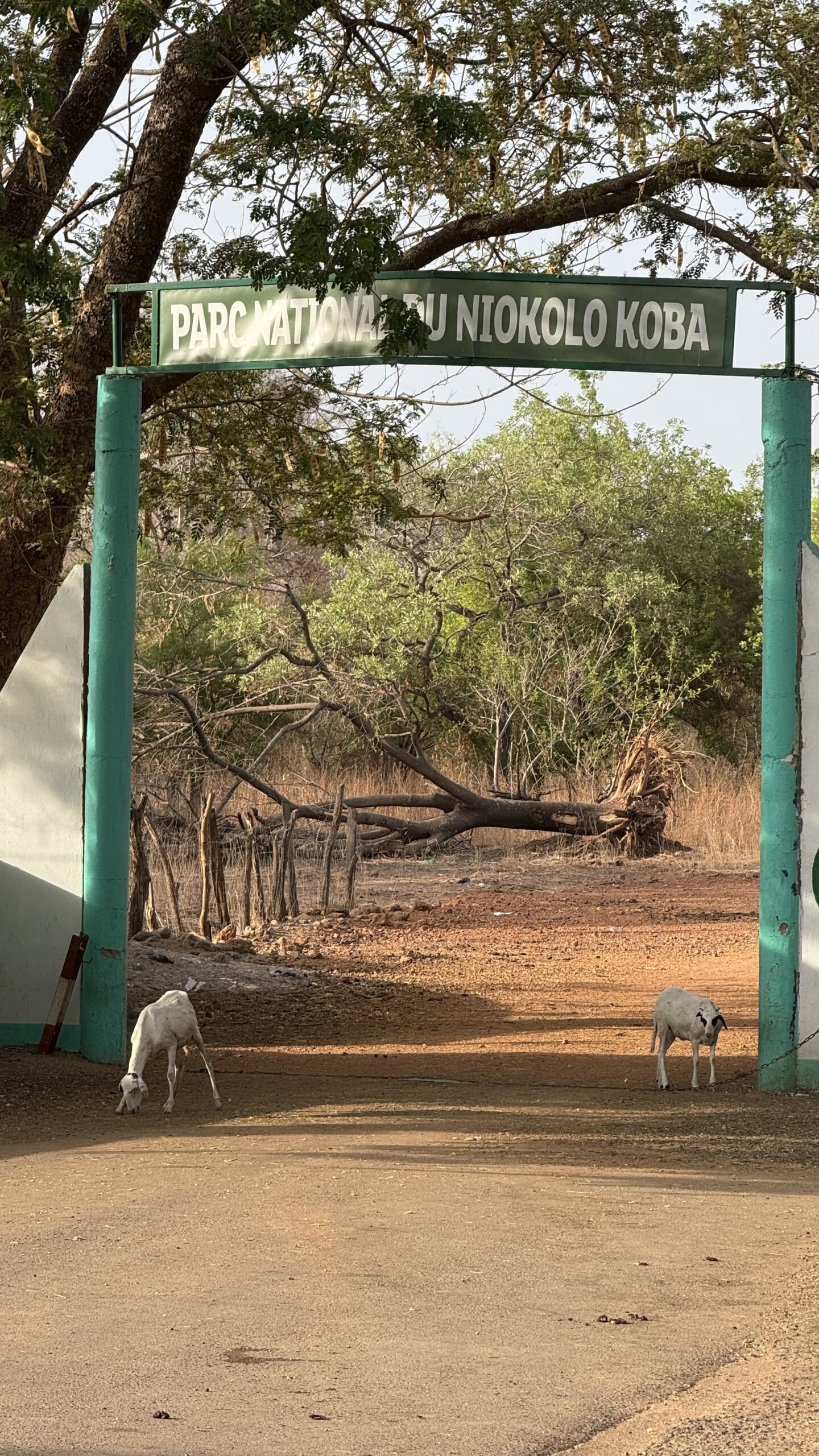
If you’re looking for Senegal’s closest equivalent to a traditional African safari, this is it.
A UNESCO World Heritage Site covering more than 9,000 square kilometres, Niokolo-Koba National Park protects one of the largest remaining areas of wild savannah in West Africa. It’s home to buffalo, roan antelope, Derby eland, crocodiles, baboons, patas monkeys, warthogs, hippos and an impressive variety of birdlife. Leopards and lions still exist here, although sightings are exceptionally rare.
It also takes some commitment to reach.
The park sits in southeastern Senegal, a long way from the country’s main tourist route, so visiting requires considerable travel time. Unfortunately, my own experience wasn’t helped by travelling during intense heat. You know that feeling when you open an oven and a wall of heat hits your face? That’s exactly what it felt like during our game drive.
Our guide also did little to improve matters. Every animal seemed to be introduced with its gestation period, and not much else. By the third or fourth stop, I knew how long everything was pregnant for, but very little about behaviour, conservation or the ecosystem around us.
Ironically, the thing that fascinated me most wasn’t even the wildlife. Mobile phone signal barely exists inside the park, so local staff had created an ingenious pulley system that hoisted a mobile phone high above the canopy whenever someone needed reception. It was brilliantly simple and strangely unforgettable.
Would I recommend Niokolo-Koba?
Yes, but with realistic expectations. It’s an authentic wilderness experience rather than a polished safari destination, and you’ll appreciate it far more if you’re interested in conservation than chasing bucket-list sightings.

Saloum Delta National Park
If there was one wildlife experience in Senegal that genuinely surprised me, it wasn’t in a traditional safari park at all.
It was the Saloum Delta.
This UNESCO World Heritage Site is a maze of mangrove forests, tidal channels, sandy islands and quiet fishing villages where wildlife feels woven into everyday life rather than separated behind reserve boundaries. It isn’t somewhere you visit expecting lions or elephants. You come here for something altogether different.
The highlight is exploring by boat.
As your guide quietly navigates the waterways, kingfishers dart between the mangroves, herons stand patiently in the shallows, pelicans drift overhead and fish eagles scan the water for their next meal. If you’re a birder, you’ll quickly realise why the Saloum Delta is considered one of the finest birdwatching destinations in West Africa.
But for me, the people made the experience even more memorable.
Watching local fishermen and women harvest oysters that grow naturally on the mangrove roots gave me a completely different appreciation of the ecosystem. These forests aren’t just beautiful; they support entire communities. Life here revolves around the tides, and spending time learning how families have lived alongside the mangroves for generations was every bit as fascinating as the wildlife itself.
If someone asked me whether to choose Bandia Reserve or the Saloum Delta, I wouldn’t hesitate.
Choose the Saloum Delta.
It captures something far more authentic about Senegal than simply driving around looking for animals.

Fathala Wildlife Reserve
Located close to the Gambian border, Fathala Wildlife Reserve offers one of Senegal’s more accessible safari experiences and is often combined with visits to the Saloum Delta.
The reserve protects around 6,000 hectares of dry forest and savannah, where you’ll find giraffes, buffalo, several antelope species, monkeys and an impressive variety of birds. It’s a peaceful place to explore, with game drives following sandy tracks beneath towering baobab trees.
Fathala is perhaps best known for its controversial lion walks. While some visitors enjoy the opportunity to walk alongside captive-raised lions, it’s not an activity I recommend or support. Ethical wildlife tourism should always put animal welfare before entertainment, and interactions that encourage direct contact with predators rarely achieve that balance.
Bandia Reserve
Bandia Reserve is probably Senegal’s best-known safari destination.
It’s also the one I would be least likely to recommend.
On paper, it sounds ideal. Located just over an hour from Dakar, it’s one of the easiest safari parks to visit as a day trip. Wildlife is relatively easy to spot, the roads are good, guides generally know where the animals are, and for someone who has never experienced a safari before, I can completely understand why it receives positive reviews.
If Bandia had been my first safari, I’d probably have enjoyed it.
The problem is that I’ve been fortunate enough to experience some of Africa’s truly wild places, and Bandia simply doesn’t compare.
Most of the larger herbivores have plenty of space, and seeing zebras, giraffes, antelope and rhinos against a backdrop of giant baobabs certainly makes for an enjoyable morning. But there are also crocodiles and hyenas kept in enclosed areas that feel far more like a zoo than a wildlife reserve.
For me, that crosses a line.
Seeing intelligent, social animals confined in relatively small enclosures immediately changed how I felt about the reserve. It overshadowed everything else and made it difficult to recommend with confidence.
If you’re only looking for an easy wildlife experience from Dakar, Bandia Reserve will undoubtedly introduce you to some of Senegal’s animals.
But if you have the time, I’d rather see you spend it exploring the Saloum Delta or making the journey to Niokolo-Koba National Park.

Safari in Senegal vs East Africa
One of the biggest mistakes travellers make is comparing Senegal directly with Kenya or Tanzania.
They’re trying to offer completely different experiences.
| Safari in Senegal | East Africa Safari |
| Focus on diverse ecosystems | Focus on abundant wildlife |
| Exceptional birdlife | Big Five and big cats |
| Mangrove forests and wetlands | Open savannah landscapes |
| Boat tours alongside game drives | Primarily vehicle safaris |
| Wildlife mixed with local culture | Safari is the main attraction |
| Ideal as part of a wider Senegal trip | Worth travelling for in its own right |
If your dream is watching lions stalk across the plains or witnessing thousands of wildebeest crossing crocodile-filled rivers, East Africa remains unmatched. My guide comparing a Kenya vs Tanzania safari explores exactly how those experiences differ.
Senegal, meanwhile, is better approached as a wildlife destination rather than a safari destination.
That subtle difference changes everything.
What Animals Can You See on a Safari in Senegal?
Wildlife varies considerably between Senegal’s safari parks, national parks and nature reserves, but depending on where you visit, you may see:
- Derby eland (the world’s largest antelope)
- Roan antelope
- Buffalo
- Hippopotamus
- Nile crocodiles
- Warthogs
- Patas monkeys
- Green monkeys
- Baboons
- Giraffes
- White rhinoceros
- Zebras
- Bushbuck
- Duikers
- Monitor lizards
- Pelicans
- African fish eagles
- Kingfishers
- Herons
- Egrets
- Ospreys
- Hundreds of migratory bird species
Lions and leopards still exist in Niokolo-Koba National Park, but sightings are extremely uncommon, so I certainly wouldn’t visit expecting to see either.

How to Plan a Safari in Senegal
Planning a safari in Senegal is far less complicated than organising one in East or Southern Africa, but it does require a little flexibility. Distances can be significant, infrastructure is more limited, and the country’s wildlife experiences are spread across several different regions rather than concentrated in one famous safari circuit.
Here’s how I’d approach it.
- Decide what you want from the experience. If your priority is wildlife, Niokolo-Koba National Park is the obvious choice. If you love birds, landscapes and culture, make the Saloum Delta your priority.
- Allow enough travel time. Senegal is larger than many visitors realise, and reaching the country’s best national parks can take a full day.
- Visit during the dry season. November to May generally offers better wildlife viewing as animals concentrate around remaining water sources and roads are easier to navigate.
- Combine your safari with other destinations. Dakar, Saint-Louis and the coast all complement Senegal’s wildlife experiences beautifully.
- Book boat tours in the Saloum Delta. They provide a completely different perspective on the country’s wildlife and were one of the highlights of my trip.
- Choose guides carefully. A passionate guide can completely transform the experience. Unfortunately, the opposite is equally true.
- Manage your expectations. You’re visiting one of West Africa’s most interesting wildlife destinations, not trying to recreate the Serengeti.

Frequently Asked Questions About a Safari in Senegal
Can you see the Big Five on a safari in Senegal?
No.
While lions still survive in tiny numbers within Niokolo-Koba National Park, sightings are exceptionally rare, and several members of the Big Five are either absent or no longer found in viable populations. Senegal should not be considered a Big Five safari destination.
What is the best safari park in Senegal?
If you’re looking for the closest experience to a traditional safari, I’d recommend Niokolo-Koba National Park.
If you’re asking where I most enjoyed experiencing wildlife, however, my answer is different.
The Saloum Delta was far more memorable because it combines birdlife, beautiful scenery, traditional fishing communities and peaceful boat tours into something that feels uniquely Senegalese.
Is Bandia Reserve worth visiting?
Personally, I wouldn’t prioritise it.
I understand why many visitors enjoy Bandia Reserve. It’s close to Dakar, wildlife is relatively easy to spot, and it works well as a day trip. But the enclosures housing the hyenas and crocodiles didn’t sit comfortably with me, and having experienced safaris elsewhere in Africa, I didn’t think the reserve justified the reputation it often receives.
If you have limited time, I’d rather recommend exploring the Saloum Delta.
When is the best time for a safari in Senegal?
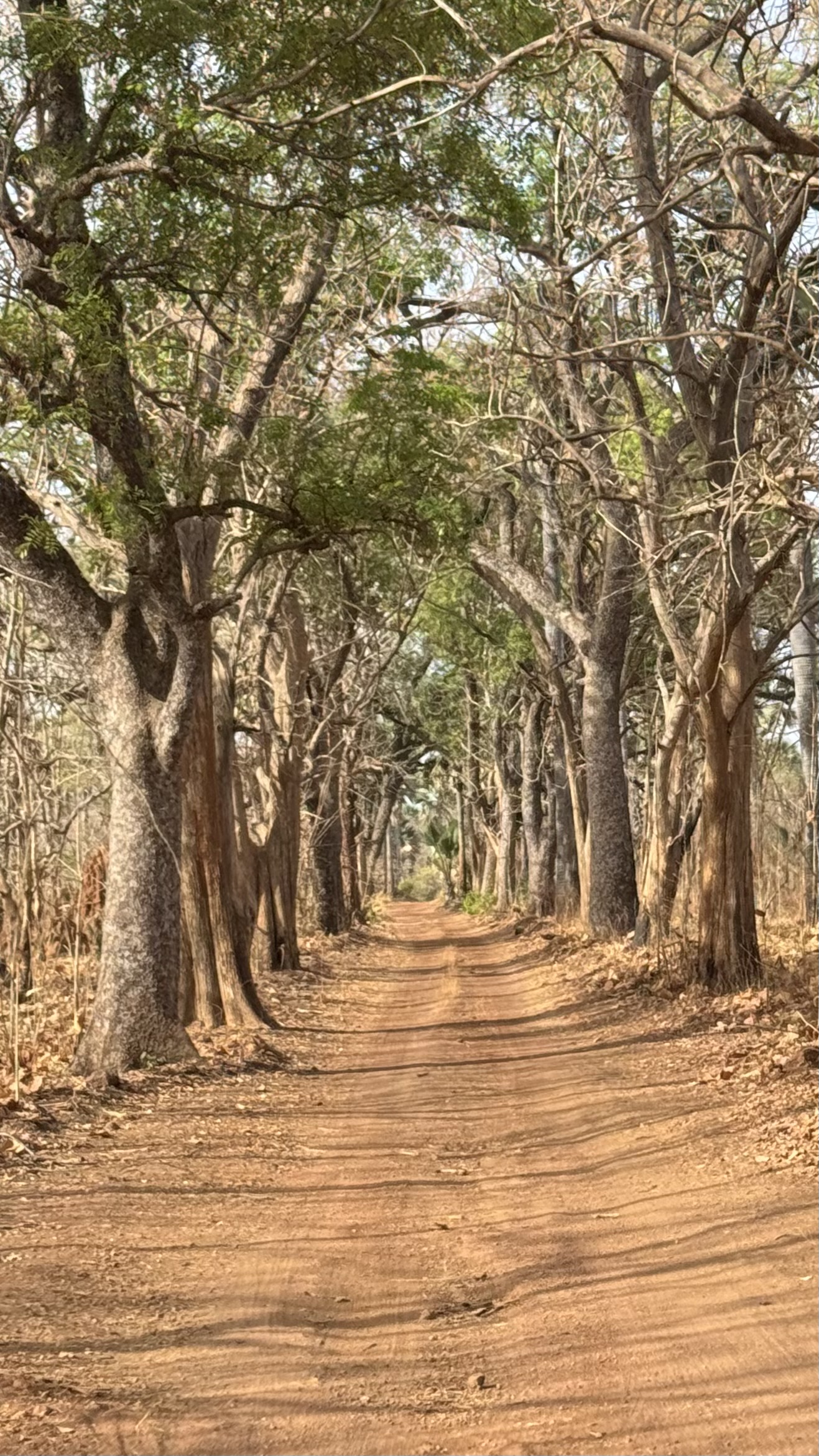
The dry season, generally from November to May, offers the best conditions for wildlife viewing. Vegetation is less dense, animals gather around water sources, and road conditions are considerably easier, particularly if you’re travelling to remote national parks.
Final Thoughts
I’ll be honest.
If someone asked me where they should go for their very first African safari, Senegal wouldn’t make my shortlist.
Not because it’s a bad destination, but because there are simply better places to experience Africa’s iconic wildlife. Tanzania, Kenya, Botswana and South Africa have earned their reputations for a reason. If you’re planning a dedicated safari holiday, I’d point you towards my southern Africa safari itinerary or better yet, check out my favourite Tanzania itinerary!
But travel isn’t always about choosing the “best.”
Sometimes it’s about understanding a place on its own terms.
That’s exactly what Senegal taught me.
Its wildlife isn’t designed to compete with the Serengeti. Instead, it invites you to slow down, explore mangrove forests by boat, watch fishermen harvesting oysters from tangled roots, admire extraordinary birdlife and discover how nature and communities have shaped one another for generations.
Would I fly to Senegal just for the safari?
No.
Would I recommend adding wildlife experiences to a wider Senegal itinerary?
Absolutely.
Just make sure you’re travelling there for the Senegal that exists, not the safari destination you were hoping it might be.

Comments will load here
Be the first to comment