
The Blog

Soča Valley Travel Guide: Where to Stay, What to Do and How to Plan Your Trip
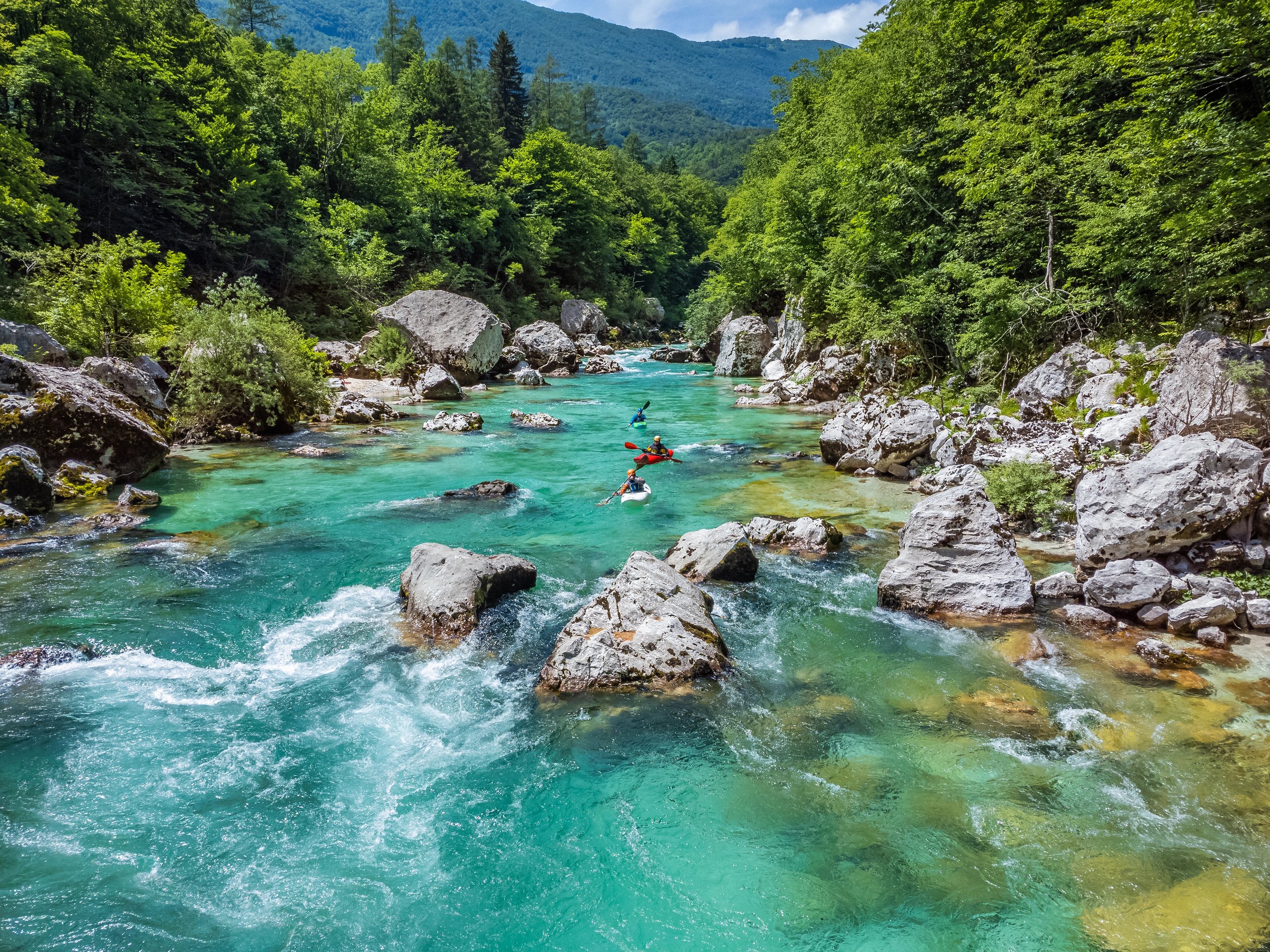
The Soča Valley was where I started wondering whether going home from Slovenia was strictly necessary. There were mountain roads winding through autumn colours, trout visible through impossibly clear water and a lunch that persuaded me I liked eating trout almost as much as watching them. I had allowed myself a day to explore. I wanted considerably longer.
On that first visit, my travelling companion vetoed rafting and canyoning, so we admired the river from dry land. I still loved it. Having since spent time adventuring with Diego and Blažka from Ultimate Alps, I can also enthusiastically recommend the getting-wet version of a Bovec holiday. This is somewhere you can build a trip around your own appetite for adventure, whether that means paddling through rapids or following the river on foot.
The part that takes a little planning is deciding where to base yourself. The Soča Valley is a region, rather than one place you arrive at and explore from a single car park. This guide will help you choose between Bovec, Kobarid, Tolmin and the quieter upper valley, find walks and activities that suit you, and avoid my main mistake: leaving too soon.

Disclaimer: This post may include affiliate links. If you click on the link and make a purchase, I will receive a small commission at no extra cost to you. Affiliate links help cover the cost of running my website so that I can continue inspiring my readers to explore the world.
What's in this post:
Where Is the Soča Valley in Slovenia?
The Soča Valley lies in western Slovenia, close to the Italian border, with its upper reaches tucked into the Julian Alps. The river rises in the Trenta Valley and flows south past the Bovec area, Kobarid and Tolmin before eventually continuing into Italy, where it is known as the Isonzo. Parts of the upper valley sit within Triglav National Park.
For travel planning, think of the valley in three broad sections: Trenta and the upper river for mountain scenery and riverside walks; Bovec for outdoor activities; and Kobarid and Tolmin for waterfalls, gorges and First World War history. You can combine them, but choosing a base near your main interests makes considerably more sense than driving the length of the valley every morning.
If you are still deciding how this region fits into your holiday, start with my best places to visit in Slovenia. It will help you balance your time between the mountains, lakes, cities and coast, rather than discovering halfway through the trip that you have allocated three hours to somewhere you could happily spend three days.
How Many Days Do You Need in the Soča Valley?
I would give the Soča Valley three nights if you can. Two full days lets you combine a river activity with walking and sightseeing, but an extra day gives you room to explore further down the valley or linger somewhere without mentally calculating the drive back.
My first visit was a day trip from Kranjska Gora, crossing the Vršič Pass and exploring the river, with a detour towards Mangart Saddle. It was one of my favourite days in Slovenia, but it also left me wishing I had booked accommodation on this side of the mountains. Every lovely stop came with the knowledge that we still had to drive back afterwards.
If you only have a day, go. I would never suggest missing the valley because you cannot give it a longer stay. Just choose a manageable stretch to explore rather than attempting Trenta, Bovec, Kobarid and Tolmin in one increasingly frantic outing.
With three full days, I would combine the upper river and a section of the Soča Trail, a day built around rafting or kayaking, and time around Kobarid or Tolmin. Four or five days would let you add a longer hike and, just as importantly, an afternoon with nothing booked.
My five-day Slovenia itinerary helps you fit the valley into a shorter trip. If the river and mountains are what attracted you to Slovenia in the first place, though, I would extend your stay here rather than squeeze them into the gap between other destinations.

Where Should You Stay in the Soča Valley?
Bovec: Best for Rafting, Kayaking and an Activity-Focused Trip
Bovec is the most straightforward base if your plans revolve around getting on the water. Many activity companies operate here, making it convenient for rafting, kayaking and exploring the upper valley. There are also restaurants and shops, so it works well for several nights without needing to drive every time you want something to eat.
For accommodation, my recommendation is Apartment Alpea, and honestly, I wouldn’t stay anywhere else. My host welcomed me with a shot of Jägermeister and freshly made wild garlic soup, which is a fairly strong opening argument for never leaving. The soup was delicious, but it was her warmth that made the welcome so memorable. She was the best host, and having somewhere that welcoming to return to made me love Bovec even more.
I would happily base myself here, book my adventures with Diego and Blažka, and spend the time in between exploring waterfalls and stopping beside the river. My guide to things to do in Bovec covers the area in more detail.
Kobarid: Best for Waterfalls, History and a Mixed Itinerary
Kobarid makes sense if you want your holiday to include more than organised adventure activities. You have access to Kozjak Waterfall, riverside walks and historical sights, with opportunities to explore the valley in either direction. It is a good compromise for couples or groups whose enthusiasm for spending every day in a wetsuit is not entirely shared.
I would lean towards Kobarid for a trip built around walking, food and history, with perhaps one rafting excursion rather than several activity bookings. Check the precise location of accommodation before reserving: a property described as being near Kobarid might still require a drive into town, which matters if you want to walk out for dinner.

Tolmin: Best for the Lower Valley and Tolmin Gorges
Tolmin is a useful base if the gorges and lower valley are high on your list. It also makes sense for travellers continuing south rather than returning towards Kranjska Gora. You can explore the surrounding area without treating everything south of Bovec as an ambitious day trip, and spend less of your holiday retracing the same stretch of road.
However, I wouldn’t choose Tolmin purely because you have found cheaper accommodation if all your booked activities start in Bovec. Compare the saving with the extra driving and early starts.
Trenta and Soča Village: Best for a Quieter Mountain Stay
The upper valley is where I would look for a stay centred on scenery, walking and quiet evenings. Trenta and the village of Soča put you closer to the river’s mountain setting, with fewer reasons to keep driving into a larger town. This is particularly appealing if your ideal evening involves cooking dinner and listening to the river.
The trade-off is convenience. Check where you will buy groceries, whether nearby restaurants will be open during your visit and how you will reach any booked activities. A peaceful rural apartment can be wonderful, but its appeal diminishes slightly if you arrive hungry after dark and discover that dinner requires another drive.

What Are the Best Things to Do in the Soča Valley?
Walk Beside the River at the Great Soča Gorge
The Soča’s colour is one of those things I would have been suspicious of had I only seen it on Instagram. Standing beside the river, watching trout move through water so clear that we could make out the riverbed, I understood why people take approximately seven hundred photographs of it. I am not sure any of mine quite did it justice.
The Great Soča Gorge, or Velika korita Soče, is a particularly striking place to see that water squeezed between pale limestone walls. Include it when exploring the upper valley, especially if you want to spend some time on foot without committing to a full day’s hike.
The marked woodland path gives views into parts of the gorge; it does not follow the entire channel at water level. Some sections are exposed or slippery, so stay on the established route. Navigation through the gorge itself is prohibited.
My strongest recommendation for exploring the river is to leave yourself time to stop. Some of my happiest memories of the valley involved doing very little beyond looking into the water. It would be a shame to spend your whole visit hurrying towards the next place to admire it.
Go White Water Rafting in the Soča Valley
White water rafting in the Soča Valley combines two very good things: an adventure you can share with your travelling companions and a ridiculously beautiful setting. You paddle together under your guide’s direction, tackling rapids with emerald water beneath you and the Julian Alps rising around you. Although whether you manage to appreciate the mountains while concentrating on paddling is another matter.
For this, there is only one company I would book with: Ultimate Alps. Having spent time adventuring with Diego and Blažka, I honestly struggle to imagine anyone better to experience the valley with. They were a huge part of what made my time in Bovec so memorable, and they are the people I would want looking after my friends and family too.
They offer standard rafting, longer half-day adventures and gentler family floating, so speak to them about what would suit your group. If you are nervous, tell them; if you are looking for more adventure, tell them that too. Choosing the right experience makes far more sense than booking whichever trip has the most dramatic photograph.
If you are torn between getting in a raft, paddling your own kayak or jumping into a canyon, my Bovec canyoning, kayaking and rafting guide will help you decide. Whichever you choose, leave yourself time afterwards to enjoy the river from dry land. Preferably over a well-earned lunch.

Try Kayaking in the Soča Valley
Kayaking offers a more individual experience: your own boat, your own paddle and rather more immediate feedback when your technique needs work. If you are a beginner, choose an introductory session designed around learning on suitable water. A beautiful photograph of somebody paddling through rapids tells you very little about whether that particular trip is right for a first attempt.
Experienced paddlers also need to take local conditions seriously. The Soča is divided into navigation sectors with rules and permit arrangements that should be checked before launching. Use the current official information rather than relying on an old blog post or assuming that an accessible riverbank is an authorised entry point. A local guide can help match the route to your ability.
If you are choosing between kayaking and rafting, think about what you want from the day. Rafting suits people who like the idea of tackling the experience together. Kayaking appeals if you want to learn a skill and take a more active role in controlling your boat. Neither choice requires you to spend the rest of the holiday describing yourself as an adrenaline junkie.
And if you are unsure of which one suits you best, contact Ultimate Alps and let them advice you.
Visit Kozjak Waterfall near Kobarid
Kozjak Waterfall is worth including when you explore the Kobarid area. Its appeal is the setting: the waterfall drops into a rocky chamber, making the approach feel different from walking towards a cascade on an open mountainside. The walk takes around half an hour on foot from the car park, but allow additional time for stopping and returning.
There is a visitor fee during the managed opening season, and you should check current access information before travelling. This is a place to admire from the path and viewing area rather than swim beneath the waterfall. The tourism board specifically asks visitors to protect the site by choosing appropriate bathing areas elsewhere.

Explore Tolmin Gorges
Tolmin Gorges gives you a different perspective on the region, with a walking route through the gorges of the Tolminka and Zadlaščica rivers. It works well as the main sightseeing stop on a day exploring the lower valley. I would give it proper space in the itinerary rather than adding it after a long hike simply because it looks nearby on the map.
Expect stairs and uneven surfaces, and wear footwear with a reliable grip. The full route is unsuitable for pushchairs, and exceptional weather or high water can affect access. Check the official website for opening times, tickets and parking arrangements, including seasonal shuttle services, before setting out. Arriving at the correct car park is a considerably better start than improvising beside a busy road.
See the Waterfalls around Bovec
Boka and Virje are worth considering if you are based around Bovec and want to add waterfall stops without driving down to Kobarid or Tolmin. They offer different settings, so choose according to your route and how much walking you want to do.

Learn about the Valley’s First World War History
The scenery can make it easy to overlook the valley’s past, but this landscape was also part of the First World War’s Isonzo Front. Around Kobarid and the wider valley, museums, memorials and former military positions provide context for places you might otherwise pass without understanding. The Kolovrat outdoor museum preserves part of the Italian army’s defensive line.
If history interests you, make time for it deliberately rather than treating it as something to do only when the weather is poor. A museum visit or guided walk can change how you see the surrounding mountains. Kobarid is a practical place to build this into your itinerary, particularly if your travelling group wants a break from water activities.
Add Mangart Saddle if You Enjoy Mountain Roads
The drive towards Mangart Saddle was spectacular, although there were moments when I would have preferred the scenery to come with slightly less of a drop beside it. We climbed through autumn colours towards enormous rocky peaks, with the views becoming more dramatic the higher we went. It was the sort of drive that made me want to keep stopping, provided there was somewhere sensible to do so.
A rockfall meant we could not drive all the way during our visit, so we walked the remaining accessible section. That is a detail worth remembering when planning your own trip: photographs of cars at the top do not guarantee you will be able to get yours there. Check current access and never continue beyond a closure.
I loved this excursion, but I would treat it as a proper part of the day rather than squeeze it between a rafting booking and dinner. Choose clear weather so you can appreciate the views, and give yourself time to get out and enjoy being up there.
If narrow mountain roads make you miserable, I would happily leave this one out. There is plenty of extraordinary scenery beside the Soča without putting yourself through a drive you will spend the entire time dreading.

Which Soča Valley Hike Should You Choose?
The Soča Trail: Best for Following the River
The Soča Trail, or Soška pot, follows the river from its source towards Bovec, linking stretches of woodland, footbridges and riverside scenery. The full route is approximately 25 kilometres, making it a substantial walking day rather than a casual afternoon outing. Although much of the terrain is technically straightforward, the distance still requires stamina and preparation.
You don’t have to walk all of it to enjoy it. Choose a shorter section based on where you are staying, the available access points and the conditions that day. For many visitors, a few hours beside the river will be more enjoyable than completing the entire route while worrying about the return journey or running out of daylight.
For a one-way walk, arrange your return transport before starting. Seasonal public transport can help, but check the actual timetable for your travel date rather than assuming a bus will appear whenever you finish. An out-and-back section is simpler if you want flexibility: walk for a set amount of time, then return before your legs begin lodging formal complaints.
Shorter Walks: Best for a Mixed Sightseeing Day
If you want a Soča Valley hike without devoting the entire day to walking, choose a short river section or a waterfall approach. This works particularly well when combined with a rafting trip, a leisurely lunch or travel between bases. The important distinction is between a short walk and an easy one: stairs, roots and slippery rock can still make a brief route demanding.
Check the route description before setting off, especially with children or anyone with limited mobility. A gorge circuit, woodland path and mountain trail require different levels of preparation. Carry water, wear suitable footwear and use marked routes.

Camping in the Soča Valley: Where Should You Look?
Camping suits the Soča Valley particularly well if you want to spend most of your time outdoors and keep your accommodation simple. Start by choosing the right part of the valley, then compare individual campsites. Being close to the river sounds ideal, but access to your planned activities, shops and walking routes will make more difference to the practicalities of your stay.
Check opening dates, availability and the facilities included in your chosen pitch or accommodation type. In particular, confirm electricity, vehicle access, cooking arrangements and whether the quoted price includes everybody in your group.
| Campsite | Area | Why consider it? |
|---|---|---|
| Kamp Soča | Upper valley, near the Great Soča Gorge | Worth considering for a stay focused on the upper river and walking. |
| Camp Liza | Bovec area | A practical option to investigate for an activity-focused Bovec stay. |
| Kamp Koren | Kobarid | Worth comparing if you want to combine camping with Kobarid’s walks and sights. |
Kamp Soča recommends booking because guest numbers are limited, while Koren’s location beside the river near Kobarid makes it relevant for a different part of the valley. Treat location as your first filter rather than assuming all Soča Valley camping options are interchangeable. A campsite that suits a week of kayaking may be less convenient for exploring the lower valley.
Can You Wild Camp in the Soča Valley?
Plan to use an official campsite or an authorised motorhome stop. Wild camping is prohibited, and a quiet riverside clearing does not become an acceptable overnight pitch simply because somebody has already parked there. Triglav National Park also directs visitors to official camping areas. Check the rules for your specific vehicle and location rather than treating a normal car park as accommodation.
How Do You Get to the Soča Valley?
Driving from Kranjska Gora via the Vršič Pass
When conditions allow, the Vršič Pass is a spectacular approach to the upper Soča Valley. This was the route I took, and it became one of my favourite drives of the trip. We climbed above Kranjska Gora, crossed the pass and descended towards Trenta, with mountains, autumn leaves and increasingly distracting views competing for attention outside the window.
However, a mountain pass needs to be treated as part of the day’s experience rather than a shortcut that happens to look nice. Check road conditions, allow time for bends and stops, and choose another route when access or weather makes that necessary. My driving in Slovenia guide covers the practical side of planning a road trip.

Arriving from Ljubljana, Lake Bled or Lake Bohinj
The best route depends on your starting point, destination within the valley and current road conditions. Don’t automatically follow a suggested mountain route without checking whether it is open or suitable for your vehicle. Bovec, Kobarid and Tolmin are different destinations, so put your actual accommodation into your route planner rather than simply searching for “Soča Valley Slovenia”.
If you are travelling from Lake Bohinj, investigate the motorail connection between Bohinjska Bistrica and Most na Soči as an alternative to driving around the mountains. Check the current timetable, operating arrangements and vehicle restrictions before building your day around it. It is an option to compare, rather than a service to assume will fit whatever departure time you choose.
Can You Visit the Soča Valley without a Car?
Yes, but your itinerary needs to follow the transport network. Most na Soči provides rail access to the wider region, with onward bus travel needed for other destinations. Seasonal buses and shuttles can make summer exploration easier, including connections towards the upper valley. Check individual services and dates through the official Soča Valley transport information.
Without a car, I would choose accommodation within walking distance of food shops, restaurants and your activity meeting points. Confirm whether your operator collects from your accommodation or expects you to reach its office. You can enjoy a very good trip this way, but it will be easier if you organise it around one base rather than scattered rural stays.
When Is the Best Time to Visit the Soča Valley?
Summer: Best for Combining Activities and Seasonal Transport
Summer is a practical choice if you want to combine river activities, camping and walking, with seasonal transport providing more options for getting around. It also brings greater demand for popular accommodation and excursions. Book the experiences that matter most to you, then leave some space around them rather than filling every available hour before you have even arrived.
Warm weather does not make the river warm or guarantee that every activity will run. Water levels and weather still determine what is appropriate on the day. If your main priority is a particular kayaking or rafting experience, discuss timing with the operator before booking the rest of your trip around assumptions about ideal conditions.

September and Early Autumn: My Pick for Scenery
I visited around the end of September and beginning of October, and the autumn colours were a huge part of why I loved it. Driving through the mountains, we had changing leaves below us and enormous rocky peaks above. Between that and the colour of the river, I spent much of the day looking out of the window and wishing we had longer.
For a road trip built around scenery, walks and stopping for a good lunch, this is the time of year I would choose again. It suited the way I wanted to explore: being outdoors, following whatever caught my attention and enjoying the journey as much as the destination.
There is a little more planning involved as the season winds down. Check your chosen campsite, activity operator and any seasonal transport before booking, and keep mountain excursions flexible around the weather. I would still return at this time of year, with more nights in the valley and fewer reasons to hurry away.
Spring and Winter: Plan around Conditions
Spring can bring dramatic water and a changing landscape, but higher trails and mountain roads may still be affected by snow. Winter requires a different approach again, with shorter days and fewer options for a typical river-and-hiking holiday. Choose your travel dates according to what you actually want to do, then confirm which services and routes will be available.
For most first-time visitors hoping to combine camping, water activities and accessible walking, I would concentrate on the warmer part of the year. If you travel outside it, build the trip around confirmed openings rather than a summer itinerary copied into different dates. The valley will still be there; your preferred campsite or mountain road might be less accommodating.

A Practical Three-Day Soča Valley Itinerary
Day One: Explore the Upper River and Settle into Bovec
If you are arriving from Kranjska Gora over an open Vršič Pass, make the drive part of your sightseeing. Continue into Trenta, stop at appropriate river viewpoints and choose a manageable section of the Soča Trail. Include the Great Soča Gorge if conditions suit, then continue towards your accommodation rather than trying to reach every viewpoint before dinner.
This is a good day for keeping plans flexible, particularly if you have collected a hire car or travelled that morning. I would leave Mangart as an optional separate excursion rather than automatically adding it to the same day. The upper valley deserves some time on foot, and an itinerary consisting entirely of scenic driving can still leave you surprisingly tired.
Day Two: Rafting or Kayaking, Then a Slower Afternoon
Book your main water activity today so that it gets your attention and energy rather than whatever remains after a long journey. Choose rafting or an introductory kayaking session according to your preferences, and allow for briefing, equipment and transfers. Keep the afternoon relatively open: lunch, a waterfall visit or a short walk is plenty after an active morning.
If your group has different interests, this is an easy point to separate for a few hours. Some people can paddle while others explore locally, then meet afterwards. You don’t need to convince everybody that the only legitimate way to appreciate the Soča is while wearing neoprene. I admired it perfectly successfully from the bank, with lunch already accounted for.
Day Three: Kobarid, Kozjak or Tolmin Gorges
Head towards Kobarid and choose between a waterfall-focused day and one with more history. Kozjak works well with time in town, while a museum visit offers a change of pace. If Tolmin Gorges is your priority, make that the main stop and organise the rest of the day around it rather than trying to squeeze every lower-valley sight into one afternoon.
You can combine more if you have an early start and suitable conditions, but I would keep one attraction optional. This is especially useful if you are moving on afterwards. There is a difference between a pleasantly full day and discovering that the final two hours of your holiday involve hurrying past scenery you came specifically to enjoy.

What Should You Eat in the Soča Valley?
Trout would be my first suggestion, which is slightly surprising because it is not a fish I would normally get excited about. During our day exploring the valley, we stopped for locally caught trout, and it became one of the meals I remembered most from Slovenia. Apparently, I had needed the right trout in the right setting.
It also gave us a reason to stop properly. We had spent the morning driving through the mountains and admiring the river, and sitting down for lunch felt like part of enjoying the place. I would make room for that in your itinerary, rather than treating food as something to fit in while driving to the next attraction.
Ask what is local or in season wherever you stop. If you are staying in an apartment or camping, buy supplies before heading into the quieter upper valley, where you will have fewer options on your doorstep. A picnic beside the river would also be a lovely way to spend an afternoon, provided you choose an appropriate spot and take everything away with you.
How Does the Soča Valley Fit into a Wider Slovenia Trip?
The valley pairs naturally with Kranjska Gora and the lakes, but give each area enough time to offer something different. Lake Bled brings the island church, castle and lakeside walks; the Soča Valley is more about following the river and choosing outdoor experiences. My guide to things to do in Lake Bled will help you plan that part of the trip.
If you are weighing up where to allocate extra nights, read my honest take on whether Lake Bled is worth visiting. I enjoyed both areas, but they serve different purposes. I would prioritise additional Soča Valley time for rafting and longer walks, while keeping Bled for its distinctive sights rather than using it as a distant base for everything.
For the broader picture, my best things to do in Slovenia brings together experiences across the country. Use it to choose what appeals, then build a realistic route around those choices. Slovenia is compact, but the mountains have not agreed to flatten themselves simply because your itinerary says the next stop should only take an hour.

Can You Swim in the Soča River?
There are places where visitors swim, but you need to distinguish suitable bathing areas from gorges, rapids and locations where swimming is restricted. The water is cold, currents can be powerful and river conditions change. Ask locally about an appropriate spot for that day, supervise children closely and avoid assuming that clear water is shallow or safe to enter.
Don’t swim beneath Kozjak Waterfall or treat a narrow gorge as a swimming pool. You can enjoy the river without entering it, and there is no obligation to convert every beautiful stop into proof of your cold-water tolerance. Sitting beside it, watching the fish and keeping all feeling in your toes is also a perfectly good holiday activity.
Is the Soča Valley Worth Visiting if You Don’t Do Water Sports?
Absolutely, and my first visit is a fairly convincing argument for it. My travelling companion wanted nothing to do with rafting or canyoning, so neither made it onto our itinerary. We drove through the mountains, stopped beside the river, watched trout in the clear water and ate a lunch I still remember. It became one of my favourite days in Slovenia.
I would enthusiastically point anyone interested in water activities towards Diego and Blažka at Ultimate Alps. But you do not need to book an adventure to justify coming here. There is more than enough pleasure in walking, exploring the valley’s towns and finding somewhere beautiful to sit.
My one change would be to stay longer. I wanted time to follow another path, stop at another stretch of river and enjoy the evening without a mountain drive back to our accommodation. Whether you arrive with a kayaking booking or absolutely no intention of putting on a wetsuit, give yourself enough time to enjoy being here.
Some of the images used in this article were supplied by Deposit Photos

Comments will load here
Be the first to comment