
The Blog

Where to Visit in Spain: A No-Bullsh*t Guide to Choosing the Right Places
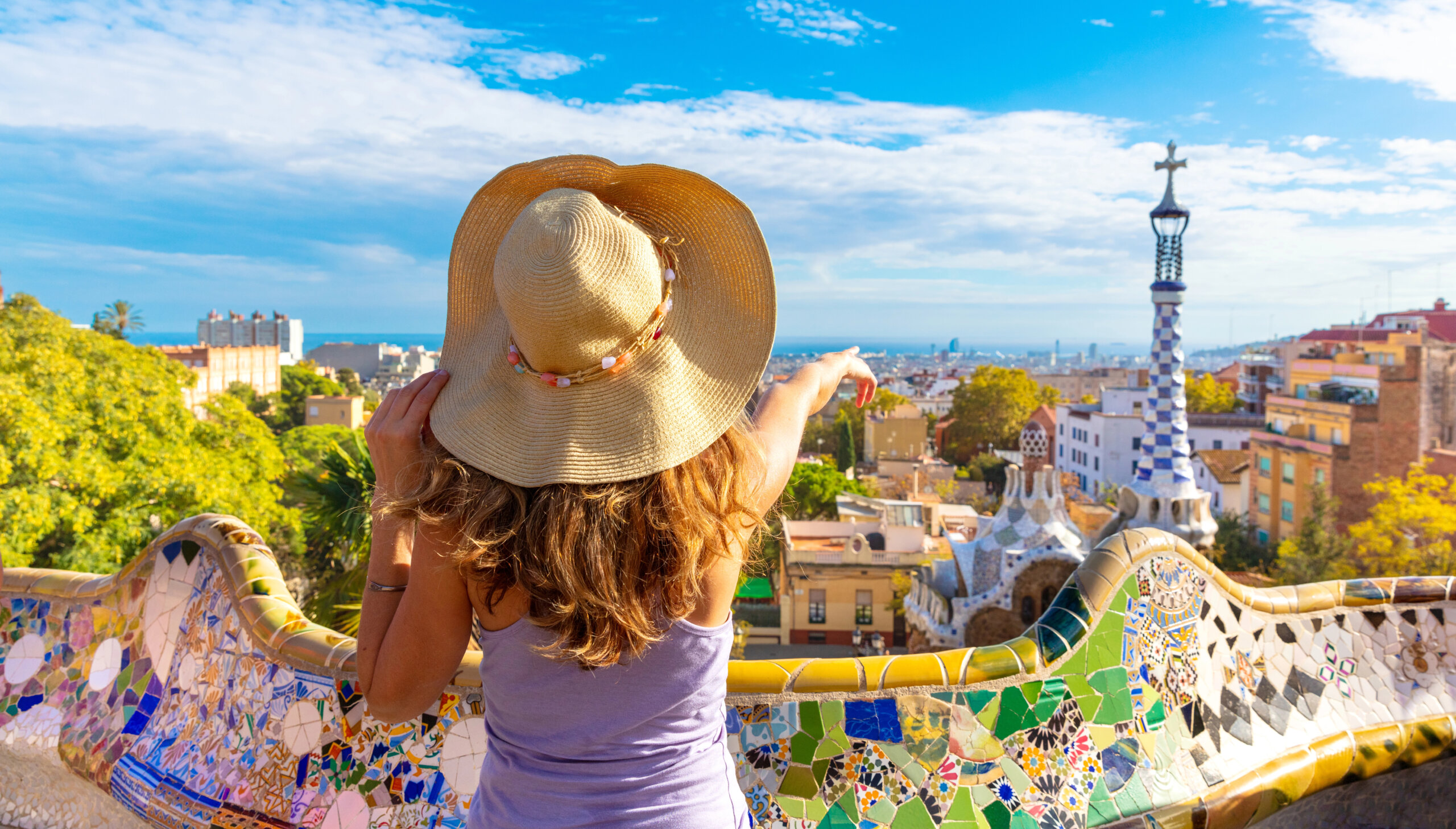
Planning a trip to Spain sounds simple… until you realise that figuring out where to visit in Spain is not as straightforward as it should be. “Spain” is basically a collection of fiercely independent personalities stitched together by good wine and questionable driving.
You’ve got the Basque Country quietly doing its own thing in the north, Andalusia turning the heat up in every possible way in southern Spain, and cities like Madrid reminding everyone it’s the largest city and capital whether they like it or not. And as someone who grew up in the Basque Country, now lives in Navarra, and has spent years exploring both the highlights and the places most people overlook, I can tell you this: not all of Spain feels the same… and that’s exactly the point.
Which is why choosing where to go matters more than people think. Planning ahead isn’t just helpful here, it’s essential. Because if you try to “see everything,” you’ll end up experiencing very little.
So instead of giving you a forgettable list of places, this guide will help you figure out where to go based on how you actually like to travel, whether that’s food, culture, coastlines, or somewhere that makes you feel like you’ve discovered something for yourself.

Disclaimer! All of my blogs may contain affiliate links. This means that if you click on the link and make a purchase I may receive a small amount of commission for the referral at no extra cost to you. This commission is what allows me to continue creating guides to help travellers plan their next trip!
What's in this post:
Where to Visit in Spain
Spain is one of the most diverse travel destinations in Europe… and that’s both a blessing and a logistical nightmare.
There are countless places to explore across the country, and not all cities in Spain feel remotely similar. You can go from pintxos bars in the north to flamenco in the south, from green mountains to dry plains, from cutting-edge architecture to villages that haven’t changed in centuries.
Your trip to Spain will depend entirely on:
- Your travel style (fast-paced vs slow)
- What you care about (food, culture, nature, beaches)
- The time of year (this matters more than people realise)
Because Spain isn’t a “one-size-fits-all” destination. It rewards people who choose well far more than those who try to do it all.

Is Spain Worth Visiting
Yes, but not always for the reasons people expect.
Spain is worth visiting for its mix of culture, food, history, and wildly different landscapes, but it’s not a country that rewards rushed itineraries or box-ticking travel.
You can experience:
- Iconic architecture like Gaudí’s work in Barcelona
- World-class museums in Madrid
- Beaches along the Costa Brava or Costa del Sol
- Mountain adventures in the Pyrenees
But the real magic of Spain isn’t just what you see, it’s how you experience it. Long lunches, late dinners, wandering without a plan, and accepting that things don’t always run on time (including you).
Spain is best for travellers who:
- Enjoy food as an experience, not just fuel
- Like wandering more than rushing
- Are open to cultural differences rather than trying to control them

What Is Spain Known For
Spain is known for a lot of things, but some of them people get completely wrong.
Food (and why you’re probably doing it wrong)
Ask most people what Spanish food is and you’ll get the same answer: paella, tapas… maybe sangria if they’re feeling adventurous.
And yes, those things exist. But reducing Spanish food to that is like saying British food is just fish and chips. It actually tells you very little about how people actually eat.
Because Spain doesn’t have one food culture. It has many.
In the north, food is about pintxos: small, perfectly crafted bites you eat standing up, moving from bar to bar, one drink at a time. Head inland to La Rioja and suddenly it’s about grilled lamb cutlets, smoky and simple, usually paired with a glass of wine that was made just down the road. In Asturias, it’s strong cheeses, cider poured with theatrical flair, and hearty dishes built for cooler, greener landscapes. Down in southern Spain, pork takes centre stage, from slow-cooked stews to jamón that’s been curing longer than my recent relationships.
Food in Spain isn’t just something you eat, it’s something that shifts depending on where you are, how long you stay, and whether you’re willing to move beyond the menu you already recognise.

Architecture (from mind-blowing to “how is this still standing”)
Spain is one of those places where you can walk around a corner and go from “that’s impressive” to “how is that even real?” in about 30 seconds.
You’ve got the surreal curves of the Sagrada Família, buildings that look like they’ve been designed by someone who didn’t believe in straight lines, and then, in complete contrast, places like the Guggenheim Museum Bilbao, where modern architecture somehow manages to feel both chaotic and perfectly placed at the same time.
But what makes Spain really interesting is how that sits alongside centuries of history. The Mosque-Cathedral of Córdoba feels like two worlds layered into one building, while cathedrals like the one in Salamanca come with their own quirks, like the famous astronaut carved into the façade, just to remind you that not everything here takes itself too seriously.
Architecture in Spain isn’t just about beauty, it’s about contrast, evolution, and occasionally questioning the sanity of the people who built it.

Festivals (chaotic, loud, occasionally dangerous)
Spain does not do things quietly. And it definitely doesn’t do things halfway.
Yes, you’ve got the big names like La Tomatina and Semana Santa, but what most people don’t realise is that every village, town, and city has its own celebration. And many of them fall firmly into the category of “quirky festivals” that make you question what’s going on… and then join in anyway.
The most famous is probably San Fermín Festival, where running through the streets in front of bulls somehow became a tradition people willingly sign up for. But beyond that, there are fireworks competitions, wine fights, human towers, and celebrations that seem to exist purely because someone once said, “this would be a good idea,” and nobody disagreed.
If you happen to be in Spain during a festival, don’t try to understand it too much. Just accept that things are about to get louder, busier, and far more memorable.

Beaches (but not all are created equal)
Spanish beaches are often sold as one thing: golden sand, warm water, and endless sunshine. And yes, that exists… but it’s only part of the story.
Head to the Mediterranean and you’ll find calm, turquoise waters and long stretches of sand along places like the Costa Brava or Costa del Sol. Over in the Canary Islands, particularly Gran Canaria, you’ll get volcanic beaches with darker sand, dramatic landscapes, and a completely different feel.
Then there’s the north. Wilder, greener, and often overlooked. Here, the coastline feels untamed, with bigger waves, rugged cliffs, and beaches that feel like they belong in a different country entirely. It’s not always about lying in the sun, it’s about walking, exploring, and occasionally being reminded who’s in charge (hint: it’s the ocean).
Spain doesn’t have one type of beach. It has many. And choosing the right one depends entirely on the kind of experience you’re after.

When Is The Best Time To Visit Spain
Spring is best for sightseeing
This is when Spain collectively remembers how to be outside again. Cities come back to life, terraces fill up, and temperatures are finally on your side, especially in southern Spain, where places like Seville and Granada go from “slightly unbearable” to genuinely enjoyable.
It’s also one of the best times to visit Córdoba, particularly during patio season, when hidden courtyards burst into colour.
That said, Spain doesn’t move in sync. Head north and the weather still has a sense of humour (sunshine one minute, rain the next) while up in the Pyrenees, you’ll still find snow lingering on the higher peaks.
Spring in Spain isn’t predictable. But that’s exactly why it works.

Summer is best for beaches
And worst for cities unless you enjoy melting.
Summer in Spain is intense. Inland cities like Madrid can feel like you’ve accidentally walked into an oven, and even locals tend to escape if they can. But head to the coast and everything shifts. Life moves outdoors, evenings stretch late, and the Mediterranean becomes the centre of everything.
Places along the Costa Brava and Costa del Sol thrive at this time of year, with warm water, long days, and that slightly chaotic holiday energy Spain does so well.
But if you want a different kind of summer, head to the mountains. June in the Pyrenees is wildflower season: green valleys, cooler air, and landscapes that feel a world away from the crowded coastline. It’s one of the most underrated ways to experience Spain in summer.

Fall has fewer crowds
Underrated and honestly one of the best times to visit.
By the time autumn arrives, Spain exhales. The crowds thin out, the heat softens, and suddenly everything feels a bit more manageable. You can walk through cities without constantly navigating around people, and restaurants feel more local again.
It’s also when the landscapes start to shift. Northern regions and inland areas begin to show autumn colours, especially in greener regions like the Basque Country or Navarra.
And then there’s the food. Fall is harvest season, particularly in wine regions like La Rioja, where vineyards turn golden and menus start leaning into richer, more comforting dishes. It’s the time of year when Spanish cuisine feels more grounded, more seasonal, and somehow even more satisfying.

Winter is mild in southern Spain
And surprisingly varied depending on what you’re looking for.
Southern Spain, including cities like Córdoba and Málaga, stays pleasantly mild through winter, making it perfect if you want sunshine without the crowds. It’s quieter, slower, and often far more enjoyable than peak season.
Head north, though, and the atmosphere shifts. The coast becomes moodier, the landscapes greener, and cities feel more local…less polished, but more real.
And then there’s the bit most people don’t expect: Spain is also a ski destination. The Sierra Nevada offers skiing with views that, on a clear day, stretch all the way to the Mediterranean. It’s one of those slightly surreal experiences; snow in the morning, tapas in the sun by afternoon.

How to Choose Where to Visit in Spain
Before we jump into destinations, here’s the bit most people skip and regret later.
Ask yourself:
- Do you want cities or nature?
- Are you here for food, culture, or relaxation?
- Do you want iconic highlights or hidden gems?
Because choosing where to visit in Spain isn’t about finding the “best” places, it’s about finding the right ones for you.
Where Are The Best Places To Visit In Spain
Where to Visit in Spain For First-Time Visitors
Barcelona
Barcelona is one of those cities that feels like it’s trying to impress you… and to be fair, it usually succeeds. It’s creative, chaotic, and unapologetically busy, with architecture that looks like it was designed in a dream and a coastline that somehow sits right alongside it. But it’s also a place where your experience depends heavily on how you do it. Get it right, and it’s unforgettable. Get it wrong, and it’s just crowds and queues.
Why visit Barcelona:
- The Sagrada Família (and Gaudí’s surreal architecture)
- Beach + city combination
- Vibrant food scene and markets
- Easy access to day trips (Montserrat, Girona)
Where to stay:
Hotel Casa Bonay
A stylish boutique hotel that actually feels like Barcelona, not generic, not overly polished, and with a rooftop that makes you want to cancel your plans and stay put.
Tip:
Keep a close eye on your belongings in Las Ramblas.

Madrid
Madrid doesn’t always get the same attention as Barcelona, but it should. Spain’s largest city has a quieter confidence; less about showing off, more about living well. It’s a city of long lunches, late nights, and world-class culture, where you can spend the morning in a museum and the afternoon pretending you live there in a park.
Why visit Madrid:
- Retiro Park for slow afternoons
- Royal Palace of Madrid and Plaza Mayor
- Incredible museums (Prado, Reina Sofía)
- Perfect base for day trips (Toledo, Segovia)
Where to stay:
Only YOU Boutique Hotel Madrid
Central, stylish, and one of those hotels that gets the balance right between design and comfort without feeling try-hard.
Tip:
Eat late. Madrid doesn’t make sense if you’re trying to have dinner at 6pm.

Where to Visit in Spain For Food Lovers
San Sebastián
If Spain takes food seriously, San Sebastián takes it personally. This is a city where eating isn’t just part of the day, it is the day. Pintxos bars line the streets, Michelin stars are everywhere, and even the simplest bite feels considered. It’s not about one big meal, it’s about moving, tasting, and discovering.
Why visit San Sebastián:
- Pintxos culture (bar hopping is essential) – highly recommend booking a food tour
- One of the highest concentrations of Michelin-star restaurants in the world
- Beautiful bay setting (La Concha)
- Strong Basque identity and food traditions – I also highly recommend a cooking class!
If you’re planning a visit, don’t miss this guide to best things to do in San Sebastian Spain.
Where to stay:
Hotel Villa Soro
A beautiful villa slightly removed from the chaos, giving you space to breathe, but still close enough to eat your way through the city.
Tip:
Order one or two pintxos per bar. Then move on. This is not a sit-down situation.

Bilbao
Often overshadowed by its neighbour, Bilbao is the kind of city that rewards curiosity. It’s industrial past meets modern reinvention, where bold architecture sits alongside deeply rooted food culture. It’s less polished than San Sebastián, and that’s exactly why it works.
Why visit Bilbao:
- Guggenheim Museum Bilbao
- Authentic Basque food scene
- Gateway to the Basque Country
- Riverfront walks and evolving neighbourhoods – Bilbao is the kind of city that deserves a walking tour to understand all of its layers
Where to stay:
The Artist Grand Hotel of Art
Right opposite the Guggenheim, with rooms and a rooftop terrace looking directly onto the museum. It’s one of the best-located hotels in the city and built around that view.
Tip:
Don’t rush it. Bilbao reveals itself slowly.

Where to Visit in Spain For Culture & History
Granada
Granada feels layered. You can see it, feel it, and walk through it. From the Alhambra watching over the city to the winding streets of Albaicín, this is a place where history hasn’t just been preserved, it’s still part of everyday life.
Why visit Granada:
- The Alhambra (UNESCO World Heritage Site)
- Moorish architecture and history
- Free tapas culture (yes, really)
- Views across the city at sunset
Where to stay:
Parador de Granada
Inside the Alhambra complex itself. It’s one of those rare stays where the location alone justifies the price, and waking up before the crowds is unbeatable.
Tip:
Book Alhambra tickets well in advance. This is not optional.

Córdoba
Córdoba is quieter than its Andalusian neighbours, but no less impressive. It’s a city of details: flower-filled patios, narrow streets, and one of the most extraordinary buildings in Spain.
Why visit Córdoba:
- Mosque-Cathedral of Córdoba
- Patio Festival (spring highlight)
- Walkable historic centre
- Deep cultural history
Where to stay:
Hotel Hospes Palacio del Bailío
A restored palace with Roman ruins beneath it. It manages to feel luxurious without losing its sense of place.
Tip:
Visit early morning or late afternoon to avoid the heat and crowds.

Salamanca
Salamanca is one of those cities that feels golden, literally. The sandstone glows at sunset, and the entire place has an elegance that’s hard to explain until you see it.
Why visit Salamanca:
- Stunning Plaza Mayor
- Historic university city
- Convento de San Esteban
- The famous astronaut hidden in the cathedral façade
Where to stay:
Grand Hotel Don Gregorio
A boutique hotel in a historic building right in the centre. It’s intimate, elegant, and perfectly placed.
Tip:
Book a free walking tour to discover all the hidden stories etched into the buildings.

Cáceres
Cáceres feels like stepping into another century. It’s less visited, less polished, and far more atmospheric because of it.
Why visit Cáceres:
- Medieval old town (UNESCO World Heritage Site)
- Quiet, uncrowded streets
- Strong sense of history
- Game of Thrones filming location
Where to stay:
Parador de Cáceres
Set in a restored palace right inside the old town, this is one of those stays where the building itself is part of the experience: stone walls, historic details, and a location that puts you exactly where you want to be.
Tip:
Go without a plan. It’s a city for wandering.

Where to Visit in Spain For Coastlines
Costa Brava
Rugged, dramatic, and full of hidden coves, the Costa Brava is for people who want more than just a beach towel and a cocktail.
Why visit Costa Brava:
- Turquoise waters and hidden beaches
- Coastal hiking paths
- Charming seaside towns
Where to stay:
Hotel Aigua Blava (Begur)
Perched above one of the most beautiful coves in the region, with views that make it very hard to leave.
Tip:
Rent a car. The best spots aren’t the easiest to reach.

Costa del Sol
More accessible and built for holidays, the Costa del Sol is where Spain leans into sun, sea, and ease.
Why visit Costa del Sol:
- Reliable sunshine
- Wide sandy beaches
- Easy travel and infrastructure
Where to stay:
La Fonda Heritage Hotel (Marbella Old Town)
Set in Marbella’s historic centre, this is a completely different take on the Costa del Sol; boutique, design-led, and full of character. You’re close to the beach, but far enough from the chaos to actually enjoy it.
Tip:
Choose your base carefully, some areas are far more authentic than others.

Where to Visit in Spain For Architecture Lovers
Valencia
Valencia is where Spain experiments. It’s futuristic, traditional, and slightly unexpected all at once. It’s also more relaxed than Madrid or Barcelona, which makes it easier to enjoy.
Why visit Valencia:
- City of Arts and Sciences
- Valencia Cathedral
- La Lonja de la Seda
- Birthplace of paella
Where to stay:
Caro Hotel
A boutique hotel built around layers of history, with Roman and Moorish remains integrated into the design.
Tip:
Rent a bike, Valencia is built for it.

Zaragoza
Zaragoza is often passed through rather than stopped in, which is exactly why it works. It’s full of history, far less crowded, and offers a glimpse of Spain without the performance.
Why visit Zaragoza:
- Basilica del Pilar
- Mix of Roman, Moorish, and Christian history
- Less crowded than major cities
Where to stay:
Hotel Reina Petronila
Modern, spacious, and a good contrast to the city’s historic core.
Tip:
Perfect as a stop between major cities.

Where to Visit in Spain For Something Different
Cartagena
Cartagena is unexpected. Roman ruins, coastal views, and a history that feels layered rather than polished.
Why visit Cartagena:
- Roman theatre
- Coastal setting
- Less touristy than other cities
If you want to know what to expect check out this guide to things to do in Cartagena Spain.
Where to stay:
Sercotel Alfonso XIII
A solid, stylish option right in the centre—walking distance to everything, with spacious rooms and that “easy, reliable but still feels like a good choice” energy. It’s not trying too hard, but it gets everything right. Tip:
Pair it with nearby beaches for a balanced trip.

Cuenca
Cuenca looks like it shouldn’t exist. Hanging houses cling to cliffs, and the entire city feels slightly unreal.
Why visit Cuenca:
- Hanging houses
- Dramatic landscapes
- Quiet, unique atmosphere
Where to stay:
Parador de Cuenca
Set in a former monastery overlooking the gorge, it’s all about the views.
Tip:
Best experienced slowly, this isn’t a rush-through destination.

Where to Visit in Spain For Nature & Adventure
Pyrenees
If your idea of Spain doesn’t include mountains, the Pyrenees will completely change that. This is a wilder, quieter side of the country, where villages feel properly remote, the air is cooler, and the landscapes stretch out in a way that makes everything else feel a bit… busy. Base yourself near Torla and you’ve got direct access to some of the most dramatic scenery in Spain.
Why visit the Pyrenees:
- Hiking in Ordesa y Monte Perdido National Park
- Waterfalls, valleys, and high mountain scenery
- Wildlife and remote landscapes
- Cooler alternative to summer heat
Where to stay:
Hotel Bujaruelo (Torla-Ordesa)
Set just outside Torla, this is exactly what you want here: mountain views, easy access to Ordesa, and a relaxed, outdoorsy feel that fits the landscape rather than trying to compete with it.
Tip:
Stay at least two nights. One day for the valley, one for higher trails, you’ll regret rushing this part of Spain.

Picos de Europa
If the Pyrenees feel expansive and alpine, the Picos de Europa feel raw and immediate. This is northern Spain at its most dramatic; jagged limestone peaks rising straight out of green valleys, mist rolling in without warning, and landscapes that feel far more like the Alps than anything most people associate with Spain.
Why visit the Picos de Europa:
- Dramatic mountain scenery and deep gorges
- Iconic hikes like the Cares Gorge
- Lush green landscapes (very different to southern Spain)
- Wildlife and traditional mountain villages
Where to stay:
Parador de Fuente Dé
Set right at the base of the mountains, with direct access to the cable car and views that make you feel completely removed from everything.
Tip:
Weather changes fast here; pack layers and don’t trust the morning forecast too much.

Common Mistakes When Planning a Trip to Spain
Let’s save you from yourself for a moment.
- Trying to see too many places
- Staying in one city and thinking you’ve “done Spain”
- Eating in tourist restaurants
- Ignoring regional differences
Spain rewards curiosity, not efficiency.
Final Thoughts: Where Should You Visit in Spain?
If you’re still unsure where to visit in Spain, here’s the simplest advice I can give you:
Pick fewer places. Stay longer. Go deeper.
Because Spain isn’t a country you conquer, it’s one you slowly understand.
And the more you let go of trying to “see everything,” the more you’ll actually experience something worth remembering.

Comments will load here
Be the first to comment