
The Blog

Bovec Travel Guide: How to Plan a Brilliant Stay in Slovenia’s Adventure Capital
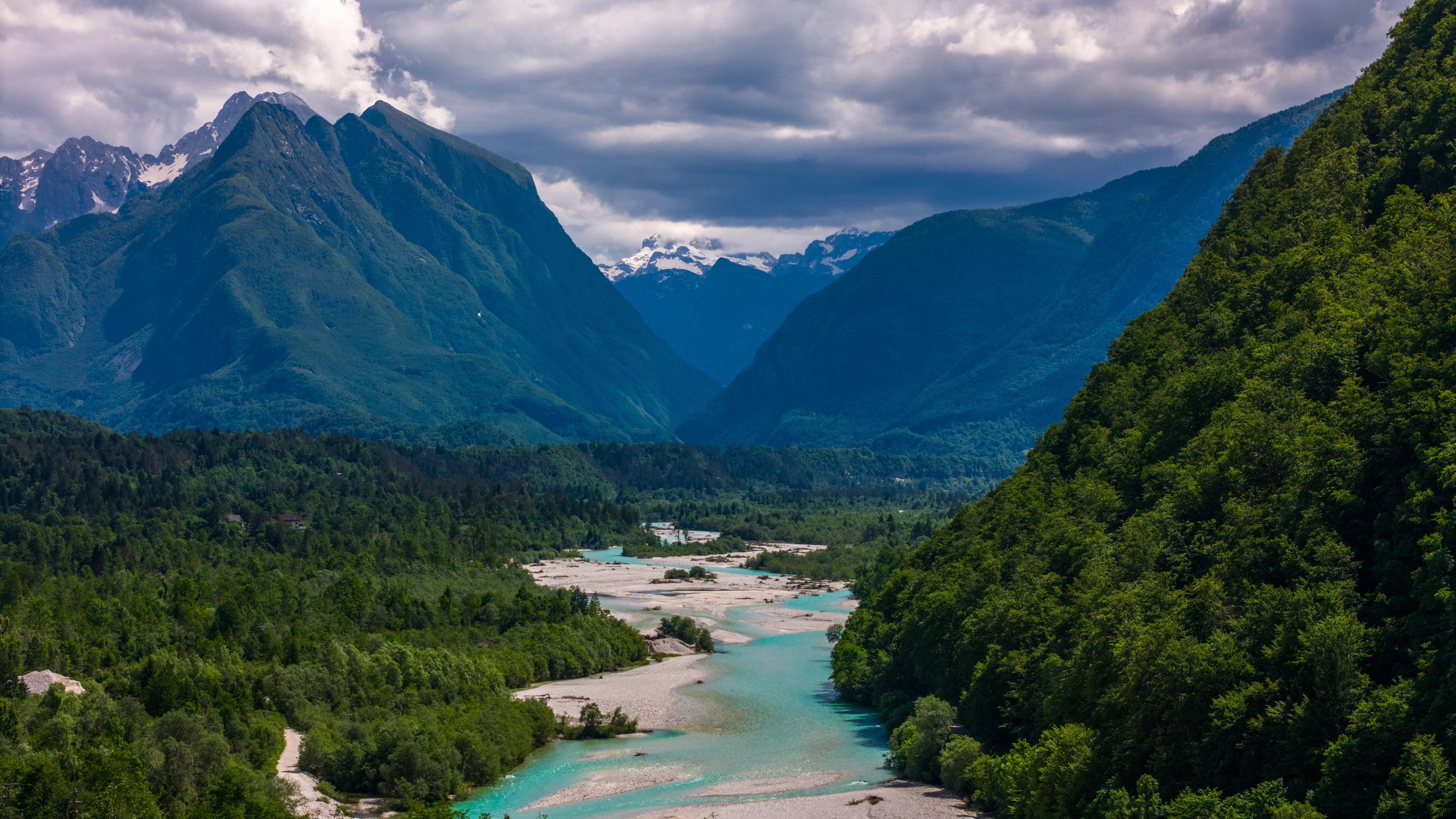
Bovec is the sort of place where you book two nights, discover everything you could be doing, and start wondering how attached you are to the rest of your itinerary. This Bovec travel guide will help you avoid that particular negotiation. Surrounded by the Julian Alps, with the Soča River nearby, this small Slovenian town makes it remarkably easy to fill your days with adventures.
I keep coming back, partly for the canyoning and kayaking, but also for the people. There’s Blažka, who makes descending a canyon feel like something perfectly reasonable to do with your morning, and Diego, who helped me explore the Soča by kayak. Then there was my apartment host, whose welcome included freshly made wild garlic soup. Bovec knows how to secure a repeat booking.
You don’t need to want any of the activities involving helmets to enjoy it here, either. Waterfalls, riverside walks, local food and mountain views can comfortably carry a holiday. What matters is giving yourself enough time, choosing the right base and resisting the temptation to treat everything on the map as a quick detour. Those mountains have other ideas.

Disclaimer: This post may include affiliate links. If you click on the link and make a purchase, I will receive a small commission at no extra cost to you. Affiliate links help cover the cost of running my website so that I can continue inspiring my readers to explore the world.
What's in this post:
Bovec Travel Guide at a Glance: What Should You Book?
| Planning decision | My recommendation |
|---|---|
| How long to stay | Three nights for two full days; longer for several activities |
| Best base for a first visit | Bovec town, within walking distance of the centre |
| My accommodation pick | Apartment Alpea, where I would happily stay again |
| My activity company pick | Ultimate Alps, based on my own experiences |
| When to go | June or September for an active trip; July and August for the fullest summer atmosphere |
| Whether to hire a car | Yes for independent exploring; optional for a centrally based activity holiday |
| What to reserve first | Accommodation and the adventure you most want to do |
Where Is Bovec, and What Is the Town Actually Like?
Bovec is in northwestern Slovenia, close to the Italian border, in the upper Soča Valley. On a map, you will see it tucked among the mountains west of Kranjska Gora and Lake Bled. On arrival, you notice the mountains rather more than the map. Pale rocky faces and forested slopes rise around a broad basin, making the small town beneath them look particularly well placed.
The centre is compact, with places to eat, outdoor activity offices and shops where the window displays give you a fairly good idea of what everyone has come to do. This is a town you use as a base for being outside. Breakfast, a walk to meet your guide, then out into the valley: the appeal is how easily those days come together.
There is something very pleasing about staying somewhere small while having so much within reach. You don’t need a different hotel for every waterfall or a major expedition to find beautiful countryside. Bovec gives you a place to unpack, get familiar with the centre and start recognising the names of mountains you had never heard of before arriving.

Is Bovec Worth Visiting If You Don’t Do Adventure Sports?
My first visit to the valley answers that rather well. With the adventures vetoed, we simply spent time by the Soča, admiring the clarity of the water and watching the trout. There was no dramatic achievement to report afterwards. We had looked at a river for a while and enjoyed ourselves enormously, which is a perfectly respectable use of a holiday.
The colour is what draws your eye first: turquoise over the pale riverbed, deeper green in the pools, white where the current breaks over rocks. Then you start noticing what is around it. Forest reaches towards the banks, mountains rise behind, and little bridges offer another angle from which to admire something you have already photographed several times.
If that sounds like your sort of day, Bovec deserves a place on your itinerary. You can walk to waterfalls, explore the valley and eat well without once negotiating a wetsuit. My 30 best things to do in Bovec includes plenty of those gentler pleasures alongside the adventures. Travelling with someone who wants to do everything is entirely compatible with wanting a nice lunch yourself.
How Many Days Do You Need in Bovec?
Three nights would be my starting point. That gives you two full days, enough for an adventure on one and exploring on the other. You get an evening to arrive and settle in, rather than appearing just in time to sleep, and enough familiarity with the place to begin enjoying the small decisions: where to eat, which direction to walk, what tomorrow might hold.
Four or five nights would suit anyone wanting several activities or a substantial hike. Rafting, kayaking and canyoning offer different experiences, so choosing more than one isn’t simply paying to get wet again. You also have time for days that develop more slowly, with a walk, a picnic and an afternoon that doesn’t need to justify itself through a list of completed attractions.
A shorter stay can still be wonderful. With two nights, I would choose the experience you most want and build the rest around it. With only a day, pair one activity with a nearby waterfall. What I wouldn’t do is promise yourself the whole Soča Valley before dinner; you will spend the afternoon driving past places you wish you had time to enjoy.

When Is the Best Time to Visit Bovec?
September would be high on my list. I love Slovenia around late September and early October, when the countryside begins changing colour and a drive through the mountains becomes an attraction in itself. On my first autumn trip, I remember thinking the colours looked different even on the return journey over the pass. Apparently, one crossing hadn’t provided quite enough to look at.
For a trip built around river activities, June through September is a good period to consider, with July and August bringing the busiest summer atmosphere. I would choose June or September if my dates were flexible, and the school holidays if travelling as a family made that the natural choice. Bovec has plenty to fill a summer holiday, especially for children who like doing things.
October appeals more for walking, scenery and an unhurried road trip, with fewer seasonal services and shorter days. If canyoning or kayaking is the reason you are coming, arrange that experience before settling on an autumn date. Otherwise, I would happily come with walking shoes, a camera and an appetite, and let the mountains and the weather shape the days.
How Do You Get to Bovec?
What Is the Best Route by Car?
If you are travelling from Kranjska Gora, the drive over Vršič Pass is a wonderful introduction to this part of Slovenia when the road is open. The bends take you up among the peaks before the road descends into the Trenta Valley. This is a journey worth giving part of your day to, with stops to appreciate where you have arrived.
My first trip involved winding mountain roads, autumn colour and the sort of scenery that makes being the driver mildly frustrating. There is only so much admiring you can do while concentrating on the next bend. Travelling with someone happy to swap driving duties has obvious advantages here, although I can’t promise either of you will volunteer during the particularly beautiful stretches.
Ljubljana Airport works well for a wider Slovenia road trip, while Trieste is another option worth comparing for a visit focused on Bovec and the valley. Routes also approach via Predel Pass or from Kobarid to the south. My driving in Slovenia guide covers the practical details; Promet.si has current road information for mountain routes.

Can You Reach Bovec by Public Transport?
You can also reach Bovec by bus or transfer, with extra transport options in summer. The simplest approach is to choose accommodation in town and organise your days around guided activities that include transport from their base. The official Soča Valley transport page brings together journey planners and seasonal services, so you can find the connections for your dates.
I would still choose a car for a trip involving independent walks and several different parts of the valley. It gives you freedom to follow a morning by the river with lunch somewhere else, or stay longer when a place catches your attention. For a few days of organised adventures, however, staying centrally can make a car-free visit work nicely.
Do You Need a Car Once You’re in Bovec?
For a holiday centred on organised adventures, you can manage without one. Stay within walking distance of your activity meeting points and restaurants, then choose trips that include transport to the river or canyon. Ask where that transport begins: a transfer from the company’s base is useful, but it doesn’t necessarily include collecting you from an apartment outside town.
I would hire a car if you want independent hikes, village accommodation or the freedom to explore different parts of the valley. Group nearby stops together and use designated parking rather than pulling over wherever the river looks especially photogenic. In Bovec, that last approach would have you stopping approximately every ninety seconds, which is inconvenient for everyone behind you.
Where Should You Stay in Bovec?
Apartment Alpea is where I would personally stay again. My host’s freshly made wild garlic soup was a wonderful welcome, but it was the warmth behind it that made the stay memorable. An apartment also suits the way I like travelling here: breakfast before heading out, somewhere comfortable to return to, and the option to organise meals around the day.
For a first visit, I would prioritise being within an easy walk of Bovec’s centre. That makes evenings straightforward and helps if members of your group want different activities. Čezsoča is worth considering for a village base nearer the river, especially with a car, while camping or glamping outside town suits travellers wanting more of the holiday to happen outdoors.
My guide to where to stay in Bovec compares the options in more detail, including Apartment Alpea, Hotel Mangart, Emerald Valley Apartments and Hostel Soča Rocks. Choose the location around your days first. A lovely room becomes even lovelier when getting dinner doesn’t require persuading somebody to drive again after they have finally taken their shoes off.

Which Adventure Should You Try in Bovec?
Canyoning for Waterfalls You Can Get Involved With
Canyoning takes the familiar pleasure of looking at a waterfall and makes the relationship rather more personal. Depending on the route, you move through a gorge using natural slides, jumps and rope descents, following the water between rock walls. It is a wonderful way to experience a landscape you would barely see from a roadside viewpoint, with considerably more participation required.
My canyoning experience with Blažka is one of the reasons I keep recommending Ultimate Alps. A good guide becomes part of the memory, and she certainly did. If you are drawn to the idea but unsure about the reality, describe how you feel when booking. Choosing the right canyon makes far more sense than trying to borrow somebody else’s enthusiasm for heights.
Kayaking for a Closer Look at the Soča
Kayaking with Diego gave me another way to experience the river I had first admired from the bank. From a kayak, the water becomes the route through the scenery: rocks, current and the next stretch ahead all demand a little more attention. You are doing something with the landscape, and learning how to move through it, rather than simply stopping to admire it.
I would choose kayaking if you like learning a skill and having your own boat, with a guide helping you develop confidence on the water. It gives the day a satisfying focus. The mountains are still there, of course, but now you have another reason to feel pleased with yourself besides having chosen an exceptionally attractive place for a holiday.
Rafting for a Shared Adventure
Rafting would be my recommendation for a group wanting to experience the Soča together. You share a boat, follow the guide and navigate the river as a team, with scenery to enjoy between the rapids. Family floating trips offer a gentler alternative to standard white-water outings, so there is room to choose an experience that suits the people coming with you.
For help deciding, read my Bovec canyoning, kayaking and white-water rafting guide. My advice is to choose what genuinely appeals, then book it with people who make you feel comfortable trying it. Bovec is a fantastic place to discover something you enjoy; there is no requirement to emerge from the holiday with a completely new personality and an equipment collection.

What Else Deserves Time Around Bovec?
Waterfalls and Walks Beside the River
Virje is the waterfall I would add to a first visit for its lovely setting: separate strands of water falling over mossy rock into a green pool, with vegetation crowding around the edges. Near Plužna, it makes a rewarding outing without committing your whole day. Bathing in the pool is prohibited, but there is plenty to enjoy from beside it.
Boka offers a different scale, with water dropping from a high shelf in the mountain face. Its first viewpoint is reached by a short uphill walk from the road, making it a good choice when you want a memorable stop rather than a long hike. Together, Virje and Boka show how varied even the simpler outings around Bovec can be.
Farther up the valley, the Great Soča Gorge draws you towards the river’s narrow limestone channel, while Lepena and Šunik Water Grove offer woodland, streams and walking. Choose a couple of places and give them time. The pleasure is in following the water, finding another viewpoint and stopping because you want to, rather than because a schedule has allocated six minutes for appreciation.
Mountains and the Valley’s History
If you have come to hike, give a mountain route its own day. The peaks around Bovec provide a completely different view of the valley, with a sense of scale that is hard to appreciate from below. Pick the route to match your experience and the conditions, then enjoy having somewhere to walk towards rather than several attractions to drive between.
There is history here too, particularly the First World War fighting along the Isonzo Front. Kluže Fortress is close to Bovec, while Kobarid Museum makes a worthwhile excursion farther south, especially on a rainy day. My Soča Valley Travel Guide covers the wider region, helping you combine Bovec with the places beyond its immediate surroundings.

How Should You Spend Two Full Days in Bovec?
Day One: Get on the River, Then Leave Room for a Waterfall
Book your main adventure for the first full day, while keeping the rest fairly loose. I would choose rafting for a sociable introduction or kayaking if that is what brought you here. Give yourself time for the complete outing, then have lunch before deciding how much enthusiasm remains. Holidays improve considerably when hunger is allowed a say in the itinerary.
If you fancy another outing, head towards Plužna for Virje Waterfall. It is a lovely contrast to the morning’s activity, with water spreading over mossy rock into a green pool. Bathing beneath Virje is prohibited, so enjoy the setting from the path. This is an admiring-the-water stop rather than an opportunity to test how quickly you can lose feeling in your toes.
Day Two: Choose the Upper Valley or a Mountain Day
For a gentler second day, head towards the Great Soča Gorge and Lepena, combining river views with a walk at Šunik Water Grove. Keep the day geographically focused rather than adding every famous stop farther south. Pack lunch if you want freedom to linger, or plan a meal stop around what is actually open during your visit.
If hiking is the priority, choose one proper route and give it the day instead. A mountain walk deserves a different plan from a few short sightseeing stops, particularly when ascent is involved. Mangart can also make a memorable excursion when access permits, but check current road arrangements locally rather than treating it as a guaranteed addition to the afternoon.
For the wider choice of stops, including Kobarid and Tolmin, use my Soča Valley Travel Guide. I would add those on another day or when travelling onwards through the valley. That way you can enjoy the places you came to see, instead of repeatedly announcing that you would love to stay longer but really must get going.

What Should You Eat in Bovec?
I wasn’t usually a trout enthusiast before visiting the Soča Valley. Then we stopped for lunch and ate fish caught, according to my notes from the trip, about 300 yards away. It was delicious. There is something particularly satisfying about enjoying a meal so closely connected to the place around you, especially when it changes your mind about what you thought you liked.
Bovec cheese is another regional speciality to look for, with sheep farming part of the area’s food heritage. Try local dishes when you find them on menus, and leave room for something sweet. After a day outside, a meal becomes part of the pleasure of being here: somewhere to sit, talk through what you did and decide what sounds good tomorrow.
An apartment kitchen is useful for breakfast and packed lunches, but I would leave room for meals out too. You don’t need every meal to be an event. Still, my memories of Slovenia include quite a few things I ate, and it would be a shame to treat dinner purely as refuelling when there is so much enjoyment available.
And as for a completely non-regional recommendation, had to the SPA supermarket early in the morning and order a freshly baked pistachio croissant. Honestly, best croissant I’ve ever had! Disappointingly I stopped on my way back from my hike for seconds and they had all sold out!
How Much Should You Budget for Bovec?
Your activity choices will make the biggest difference to your spending. At the time of writing, Ultimate Alps lists standard adult rafting at €59, Sušec canyoning at €65 and sit-on-top kayaking at €69. River permits cost extra where applicable. The current price list is a useful reference when deciding how many adventures you want to fit into your stay.
I would budget for the activity you are most excited about first, then mix paid experiences with walking and exploring. Accommodation, meals and car hire depend on the season and how you like to travel, while parking and some attractions add smaller costs. A self-catering base gives you more control without requiring a holiday sustained entirely by supermarket sandwiches.
What I particularly like is that the days between paid adventures can be just as enjoyable. You can spend time beside the river, walk through woodland and put together a picnic with an excellent backdrop. My first visit involved no river activities at all, yet it was enough to make me want to come back and experience more.

What If It Rains During Your Bovec Trip?
Keep a wet-weather alternative in mind, especially if you only have two full days. Kobarid Museum is a worthwhile option for learning about the First World War fighting in the region, combined with lunch in Kobarid. Make it a deliberate day out rather than attempting an exposed mountain walk simply because it was printed in the original itinerary.
For booked water activities, let the operator assess the conditions. Rain alone does not tell you whether a trip can run, and being dressed to get wet doesn’t remove the importance of river levels. A flexible schedule gives you the best chance of moving an activity if needed. It also makes a slow café breakfast feel like part of the holiday.
What Should You Pack for Bovec?
Bring comfortable walking shoes with grip, a waterproof jacket and layers, even for a summer visit. Add swimwear and a towel for guided water activities, plus whatever your operator specifically requests. A change of clothes is welcome afterwards. You can admire the mountain scenery much more enthusiastically when you aren’t sitting in something damp while waiting for lunch.
For independent walks, carry water, snacks, sun protection and an offline map, then tailor the rest to the route. A short waterfall path and a mountain summit ask different things of your footwear and legs. Leave some room in your bag for groceries or a picnic; Bovec is an excellent place to discover that lunch tastes better with a view.
Should You Combine Bovec With Lake Bled and Bohinj?
Yes, and I would stay on both sides of the mountains to enjoy them properly. Bled brings the island church, the castle above the lake and that classic Slovenian view. Bovec brings a different kind of holiday, organised around the river and the surrounding valley. Having nights in each gives you time to appreciate both without spending every day crossing a pass.
My guide to things to do in Lake Bled will help you plan that stop, while my honest take on whether Lake Bled is worth visiting explains what I love and where expectations matter. Bohinj deserves consideration too: a larger lake enclosed by mountains, with walks and water activities that make another few nights very easy to justify.

I still remember sitting above Bohinj after taking the Vogel cable car, looking across the Julian Alps and feeling remarkably little urgency to move. My Lake Bohinj Travel Guide covers that part of the trip. If your holiday allows it, giving time to both the lakes and the Soča Valley makes a wonderfully varied mountain itinerary.
For a shorter route, start with my Slovenia 5 day itinerary. My guides to the best places to visit in Slovenia and best things to do in Slovenia will help if you have longer. Choose the stops that excite you most, then leave enough nights in each to do more than unpack and immediately wonder where your charger has gone.
Bovec has given me days spent watching water and days spent getting thoroughly involved in it. I would happily recommend either version. If I were returning tomorrow, I would be messaging Apartment Alpea and Ultimate Alps, then looking forward to being back among those mountains. I would also be rather hopeful about the soup, although I accept that this is an unreasonable thing to build an entire accommodation strategy around.

Comments will load here
Be the first to comment