
The Blog

What is Eco Tourism? Real Examples of Tourism That Makes a Difference
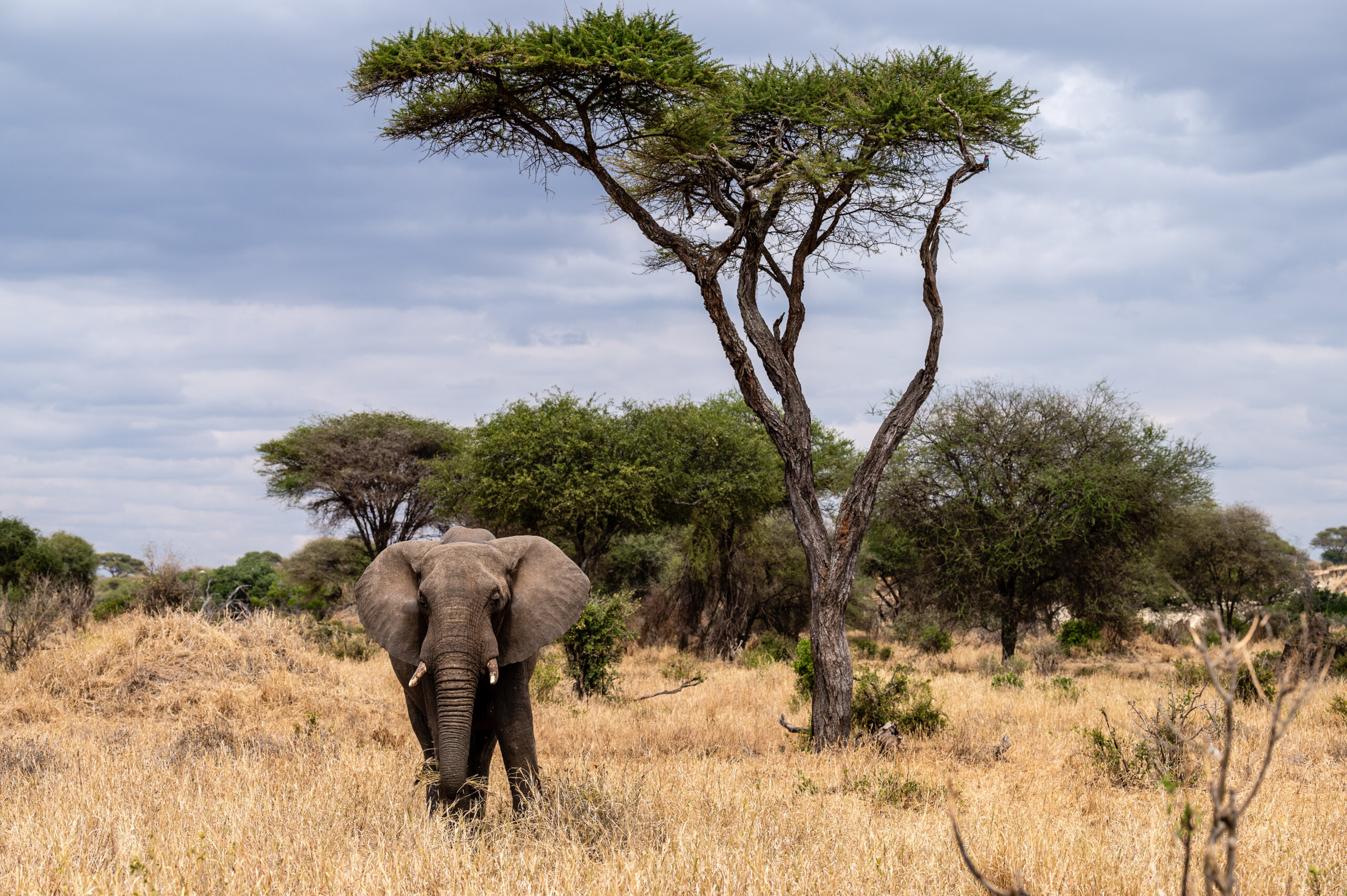
Some of the most extraordinary travel experiences I’ve had have also been the ones that taught me the most about eco tourism. Watching wild bears in Romania’s Carpathian Mountains, learning how beehives can protect Tanzanian farmers from elephants, and meeting women involved in protecting rhinos in South Africa have all shown me what tourism can achieve when conservation and local communities are genuinely part of the experience.
But I’ve also seen the other side. Safari vehicles crowding around wildlife, cultural experiences that feel more like performances for tourists, and businesses describing themselves as environmentally friendly while doing surprisingly little to benefit the communities around them. Just because an experience takes place in a beautiful natural environment doesn’t automatically make it ethical, sustainable or beneficial to conservation.
I’ve spent years travelling through wildlife-rich destinations, and I now work directly with locally owned safari companies in Tanzania and Uganda. One of the most important things I’ve learned is that tourism can be both part of the problem and part of the solution. The difference comes down to how it operates, where the money goes, and whether the places and people involved are genuinely better off because tourists are there.

Disclaimer: This post may include affiliate links. If you click on the link and make a purchase, I will receive a small commission at no extra cost to you. Affiliate links help cover the cost of running my website so that I can continue inspiring my readers to explore the world.
What's in this post:
What is Eco Tourism?
Eco tourism, also written as ecotourism, is a form of responsible travel that focuses on experiencing natural environments while supporting conservation efforts, protecting biodiversity and creating meaningful benefits for local communities. It goes beyond simply enjoying nature. Genuine ecotourism should contribute towards protecting the places being visited, educate travellers about their surroundings, respect local cultures and ensure that local people benefit from the tourism taking place around them.
That distinction is important because not all nature-based tourism is ecotourism. You can visit a national park, photograph elephants, stay in a beautiful lodge and return home having contributed relatively little to conservation or the local economy. Worse, your visit might actually have caused harm. Being surrounded by nature doesn’t automatically mean you’re doing something good for it.
Equally, you might spend a few days in a relatively unknown rural destination, staying in locally owned accommodation, eating food produced by neighbouring farmers and participating in carefully managed wildlife experiences. That trip could have a much more positive impact, even if nobody involved has thought to put the word ‘eco’ on their website.
The main principles of eco tourism are:
- Environmental conservation: Protecting natural habitats, biodiversity and wildlife rather than simply using them as tourist attractions.
- Minimal environmental impact: Managing waste, water, energy, transport and visitor numbers to reduce pressure on natural resources.
- Benefits for local communities: Creating employment, supporting locally owned businesses and ensuring tourism revenue circulates within the destination.
- Respect for local cultures: Allowing communities to share their traditions on their own terms rather than turning them into performances.
- Education and understanding: Helping visitors appreciate the relationship between nature, wildlife, people and conservation.
- Long-term sustainability: Making sure tourism doesn’t gradually destroy the very environments and communities that attract visitors.
Eco tourism is one of several overlapping forms of tourism, alongside adventure tourism, wildlife tourism, community-based tourism and sustainable tourism. The difference is that ecotourism is specifically centred on nature and conservation, with environmental protection and community wellbeing forming part of its purpose. And to understand what that actually means, I want to take you somewhere that completely changed my expectations of what tourism could achieve.

What Does Genuine Eco Tourism Look Like? My Experience With Travel Carpathia
Of all the trips I’ve taken, my experience with Travel Carpathia in Romania is probably the strongest example of ecotourism I’ve encountered. I travelled into the Făgăraș Mountains in Transylvania, where Travel Carpathia works alongside Foundation Conservation Carpathia, an organisation dedicated to protecting and restoring the region’s forests, wildlife and ecosystems. What I discovered was a tourism model where conservation wasn’t simply an attractive addition to the itinerary; it was central to the entire operation.
The foundation’s ambitions extend far beyond protecting a few charismatic animals. Its work includes restoring degraded habitats, reconnecting landscapes, reintroducing species and protecting forests, while developing economic opportunities for surrounding communities. Travel Carpathia allows visitors to experience these landscapes while helping finance that wider conservation work. But what impressed me most wasn’t any single project. It was how thoroughly the principles of ecotourism had been incorporated into the entire experience.
Wildlife Watching Without Manipulating Wildlife
One of the highlights of my trip was watching wild brown bears. Romania is famous for its bears, and bear watching has become an increasingly popular tourist activity, but not all experiences operate in ways that benefit the animals. Some operators use food to attract bears to predictable locations, which might make sightings easier but can also alter natural behaviour and encourage dangerous associations between humans and food.
Travel Carpathia takes a different approach, using carefully positioned wildlife hides where the objective is to observe animals behaving naturally rather than lure them into performing for visitors. There were no guarantees that bears would appear, and that’s exactly how wildlife watching should work. A wild animal shouldn’t have to change its behaviour simply because somebody has paid to see it, however disappointing that might be for the person holding the camera.
Read more on Ethical Bear Watching

Conservation That Goes Beyond Protecting Individual Animals
What makes Foundation Conservation Carpathia particularly interesting is its approach to restoring entire ecosystems. Protecting a bear is important, but that bear also needs healthy forests, suitable habitat and a functioning ecosystem. The foundation’s work includes forest protection and restoration, habitat connectivity, wildlife monitoring and species reintroductions, recognising that successful conservation involves far more than protecting individual animals.
Tourism creates an opportunity for visitors to understand these projects while contributing financially to the wider conservation mission. I came away with a much greater appreciation of how complicated conservation actually is, particularly when the needs of wildlife, local communities and the surrounding environment all have to be considered. It isn’t simply a matter of declaring an area protected and hoping everything inside it survives.
Supporting One Village, Not Just A Region
The other thing that really struck me about Travel Carpathia was its relationship with the surrounding community. The people working in the kitchens, looking after the horses and helping run the accommodation came from the local village. Not simply from somewhere within the region, but from the community immediately surrounding the operation. That distinction might sound small, but it makes a considerable difference to where tourism money ends up.
A luxury lodge might employ staff from a city several hours away, purchase supplies from national distributors and send its profits overseas. The local village gets to watch tourists drive past, but doesn’t necessarily receive much benefit. At Travel Carpathia, I could see how employment was being created close to home, allowing tourism income to circulate through local households rather than disappearing into a much wider supply chain.
Knowing Exactly Where Your Food Comes From
One of my favourite details was the food. Rather than simply describing meals as locally sourced, the team could tell us who had produced particular ingredients and preserves. The person who made the jam wasn’t an anonymous supplier somewhere in Romania; they knew exactly who it was. The food reflected the surrounding area, its traditions and the people producing it, which made eating there part of the experience rather than simply a necessity between activities.
Imagine the economic difference between buying everything through a national supermarket chain and purchasing food from individual producers within your community. The money reaches different households, supports small businesses and helps preserve traditional food production. And from a traveller’s perspective, it’s considerably more interesting. I’d much rather eat something made by somebody in the village than an imported product I could buy at home.
For me, Travel Carpathia demonstrated that genuine eco tourism isn’t a single conservation activity added to an otherwise conventional holiday. It’s a business model in which environmental protection, community employment, local purchasing and tourism are designed to support one another. That experience has stayed with me because it showed just how much positive impact a tourism business can create when those principles influence everyday decisions.

Why Is Eco Tourism Important?
Tourism is a powerful economic force, but it can also place enormous pressure on the destinations people travel to experience. Natural environments can suffer from overdevelopment, pollution, habitat destruction and excessive visitor numbers, while wildlife can be disturbed and local cultures commercialised. Thoughtful eco tourism aims to minimize the negative impacts of travel while creating positive outcomes that might not otherwise exist.
Eco Tourism Can Make Conservation Economically Valuable
One of the biggest challenges facing conservation is that protecting wildlife and natural environments costs money. National parks need rangers, monitoring programmes, infrastructure and ongoing management, while forests need protection from illegal logging. Meanwhile, those same landscapes can often generate income through agriculture, mining or development, creating difficult decisions about how land and natural resources should be used.
Eco tourism offers another economic possibility: keeping an ecosystem intact can become financially valuable. Foundation Conservation Carpathia is an excellent example because tourism contributes to a much broader programme of habitat protection and restoration. In East Africa, park entrance fees, wildlife permits and conservation levies can also contribute towards maintaining protected areas, although generating tourism revenue and spending it effectively on conservation are not necessarily the same thing.
Eco Tourism Can Help People And Wildlife Coexist
One of the most interesting conservation projects I’ve encountered involves something surprisingly simple: bees. In Tanzania, elephants sometimes raid farms, destroying crops that families depend upon for food and income. From the elephant’s perspective, it’s simply found something delicious to eat. From the farmer’s perspective, months of work can disappear in a single night, making conservation a much harder proposition when wildlife threatens your livelihood.
On my Bea Adventurous Tanzania tour, we visit women involved in a beehive initiative that uses elephants’ natural avoidance of bees to help protect farmland. The beehives act as a deterrent, helping reduce elephant crop raids without harming the animals, while the honey provides an additional product that can generate income. It’s a wonderful example of conservation addressing several problems at once rather than focusing exclusively on the wildlife.
Farmers have a way to protect their crops, elephants face less risk of retaliation, and women have an opportunity to earn money from the honey. Tourism adds another layer when visitors learn about the initiative and support the women involved. For me, this is one of the most compelling forms of ecotourism because it acknowledges something conservation discussions sometimes overlook: local people need to be able to live alongside the wildlife we’re asking them to protect.

Eco Tourism Can Support Wildlife Protection
During one of my South Africa tours, we encountered the work of the Black Mambas, a predominantly female anti-poaching unit protecting wildlife in the Greater Kruger area. Their approach is particularly interesting because it combines wildlife protection with community involvement, using patrols, monitoring and conservation education to help prevent poaching rather than relying exclusively on armed enforcement.
Their work helps protect wildlife, including rhinos, while demonstrating that conservation can provide meaningful roles and opportunities for women from surrounding communities. I think projects like this are important because wildlife protection is sometimes presented as something carried out by international organisations on behalf of local people, when lasting conservation actually requires the communities living alongside protected areas to be involved, respected and empowered.
Eco Tourism Can Reduce Pressure On Natural Resources
Tourism consumes resources, often in places where those resources are already limited. Hotels require water and electricity, vehicles need fuel, restaurants produce waste, and construction can fragment habitats. Responsible ecotourism attempts to reduce these pressures through appropriate development, careful resource management and limits on activities that might damage the surrounding ecosystem, particularly in environmentally sensitive destinations.
That might involve renewable energy, water conservation, responsible waste disposal, smaller accommodation developments or restrictions on visitor access. However, environmental sustainability should never be judged by one impressive feature. A lodge powered by solar panels might still use enormous amounts of water, import nearly everything it serves and disturb wildlife through poorly managed activities. The environmental impact of tourism needs to be considered as a whole.

Eco Tourism Can Help Preserve Local Cultures
Conservation and cultural preservation are often closely connected because communities have lived alongside many of the world’s most celebrated natural landscapes for generations. In Tanzania, one of the places I love introducing travellers to is Osiligilai Maasai Lodge, where visitors can learn about Maasai traditions, customs and daily life within an experience rooted in Maasai culture and the surrounding landscape.
What I appreciate about experiences like this is the opportunity for visitors to learn directly from the people whose culture they’re interested in. But cultural tourism requires careful thought, because there’s a significant difference between a community choosing to share its traditions and being expected to perform a version of its culture that tourists want to see. Genuine eco tourism should respect that distinction and allow local people to retain control over how their culture is presented.
Is Eco Tourism Sustainable?
Eco tourism is intended to support sustainability, but it isn’t automatically sustainable simply because an experience takes place in nature. A safari through a national park might generate conservation revenue while also producing emissions, consuming natural resources and disturbing wildlife. A remote eco-lodge might use environmentally friendly building materials but require guests to fly halfway around the world to reach it.
Even a well-managed wildlife experience can become damaging if visitor numbers increase beyond what the environment can comfortably support. So, when assessing whether eco tourism is genuinely sustainable, I think we need to look at the overall balance rather than expecting any single activity to be perfect. Does the experience support conservation, create meaningful benefits for local communities and actively manage its environmental impacts?
The Problem With Assuming Wildlife Tourism Is Ethical
This is something I feel particularly strongly about because I work in the safari industry. I love safaris, and I genuinely believe that well-managed wildlife tourism can contribute enormously to conservation and local economies. But I’ve also witnessed behaviour that has no place in responsible wildlife tourism, including vehicles crowding around animals, drivers competing for the closest photographs and wildlife being disturbed for better sightings.
The fact that these activities happen inside national parks doesn’t make them acceptable. In Tanzania, I work with guides who understand that wildlife comes first, which means respecting park regulations, maintaining appropriate distances and accepting that sometimes an animal simply walks away before you get your photograph. That’s part of the experience, not a failure to deliver what somebody paid for.
The same applies to bear watching, whale watching, gorilla trekking and countless other wildlife experiences. An operator promising guaranteed encounters, unusually close access or opportunities to interact physically with wild animals should make you ask questions. Responsible wildlife tourism sometimes means waiting longer, keeping your distance or not seeing the animal at all, and I’d much rather experience that than know an animal had been disturbed for my benefit.

Can Tourism Ever Be Completely Sustainable?
I don’t believe we should pretend travel has no environmental impact. Flights create emissions, accommodation consumes resources and even walking through a protected landscape has some effect on the environment. But I also don’t believe the answer is necessarily to stop travelling, particularly in destinations where tourism provides important funding for conservation and employment that might otherwise be difficult to replace.
The question is whether we can reduce our negative impacts while increasing the positive contribution our visits make. For me, that means travelling more thoughtfully, choosing responsible tour operators, spending money locally and supporting experiences that demonstrate genuine environmental and community benefits. It’s also why I prefer practical conversations about how to travel ethically rather than expecting travellers to achieve an impossible standard of perfection.
How Does Eco Tourism Benefit The Local Community?
One of the biggest misconceptions about ecotourism is that a destination automatically benefits because tourists spend money there. Unfortunately, tourism revenue can leave a destination almost as quickly as it arrives, particularly when accommodation, transport, tour companies and supply chains are owned or controlled by businesses based elsewhere. Genuine eco tourism should create opportunities for local people to participate in, benefit from and influence the industry.
Creating Employment Within Local Communities
The most obvious benefit is employment, with eco tourism creating jobs for guides, drivers, cooks, housekeepers, rangers, conservation workers and maintenance teams. But where those employees come from matters. My experience with Travel Carpathia demonstrated how powerful it can be when a tourism operation deliberately employs people from the immediate community rather than simply recruiting from across a wider region.
The chefs, stable hands and other staff were part of the village surrounding the operation, creating employment close to home and allowing tourism income to circulate through local households. It also meant that visitors interacted with people who had a genuine connection to the place they were exploring, adding a depth to the experience that would be difficult to replicate with staff brought in from elsewhere.

Supporting Small Businesses Through Local Purchasing
This is one of my favourite examples because it’s something I’ve witnessed repeatedly through my business partner, Malaki, in Tanzania. When Malaki needs supplies for our safari guests, he doesn’t simply head to a large internationally owned supermarket and purchase everything in one transaction. Instead, he visits different local vendors, buying water from somebody who specialises in selling water, nuts from a trader in the market and other supplies from individual shops.
From a purely logistical perspective, buying everything from one supermarket might be easier, but think about where the money goes. Instead of one large business receiving the entire purchase, several independent traders each receive a share. Those traders then spend money within their own communities, creating a wider economic benefit from what might otherwise have been a very ordinary shopping trip.
It’s a relatively small operational decision, but multiplied across hundreds of tourism businesses, that approach could make a substantial difference to local economies. The same principle applies to accommodation purchasing food from neighbouring farmers, commissioning furniture from local craftspeople or using independent transport providers. Supporting local economies doesn’t always require an elaborate conservation programme; sometimes it simply requires thinking more carefully about everyday purchasing decisions.
Creating Additional Income Through Conservation Projects
The Tanzanian beehive initiative is a particularly good example of how ecotourism can connect environmental protection with economic opportunities. The primary purpose of the beehives is to reduce conflict between elephants and farmers, but the honey also provides something that can be sold, creating an additional income opportunity for the women involved and helping make the project economically useful beyond its conservation benefits.
Tourism can support this model by introducing visitors to the project, helping them understand the conservation challenges and providing opportunities to purchase locally produced products. The important point is that the project serves a genuine local need rather than being an activity invented to entertain tourists. That’s a distinction I always try to consider when deciding which community experiences to include in my tours.

Supporting Community-Led Conservation
Communities living around protected areas are often the people most directly affected by conservation decisions. They may face restrictions on land use, damage from wildlife or competition for natural resources, so it’s hardly surprising that conservation becomes contentious when the benefits primarily flow towards international visitors and tourism businesses. Community-led initiatives can help address that imbalance by creating employment and involving residents in decision-making.
The Black Mambas provide an example of local women playing a direct role in protecting wildlife rather than simply being passive beneficiaries of conservation. For ecotourism to work over the long term, communities need more than occasional donations or promises of future opportunities. They need meaningful involvement, economic benefits and a genuine stake in what happens to the landscapes around them.
Preserving Traditional Skills And Knowledge
Tourism can also create economic opportunities for people practising traditional crafts, food production and cultural activities. At Travel Carpathia, locally produced preserves and ingredients weren’t simply decorative additions to the dining experience. They formed part of a supply chain supporting people producing food within the surrounding community, while giving visitors an opportunity to experience something genuinely connected to the destination.
At Osiligilai Maasai Lodge, visitors have opportunities to learn about Maasai traditions directly from Maasai hosts, creating value around cultural knowledge and practices. However, cultural tourism must remain community-led, and preserving traditions should never mean expecting people to live in the past for the benefit of tourists. Communities should be free to share their heritage while continuing to develop and change on their own terms.

Eco Tourism Examples Around The World
Ecotourism activities can take many different forms, from wildlife conservation experiences to locally managed accommodation and nature-based adventures. What matters is not simply the activity itself, but how it’s managed, whether it supports conservation and whether the people living in the destination receive meaningful benefits. These examples demonstrate some of the different ways those principles can work in practice.
- Travel Carpathia, Romania: Responsible wildlife watching, forest conservation, ecological restoration, village employment and local food sourcing combine to create a tourism model connected to Foundation Conservation Carpathia’s wider conservation work. This remains one of the most comprehensive examples of ecotourism I’ve personally experienced.
- Elephant-deterrent beehives, Tanzania: Beehives help protect crops from elephant raids while honey production creates additional income opportunities. Responsible tourism can support the women involved and help visitors understand the challenges of human-wildlife conflict.
- The Black Mambas, South Africa: A predominantly female anti-poaching unit demonstrates how conservation employment, community involvement and wildlife protection can work together. Tourism can support conservation initiatives and local businesses connected to these protected landscapes.
- Osiligilai Maasai Lodge, Tanzania: A Maasai cultural accommodation experience that gives visitors opportunities to learn about local traditions and the relationship between Maasai communities and their environment. Its cultural dimension demonstrates how nature and culture can be connected within responsible tourism.
- Gorilla trekking, Uganda and Rwanda: Strictly managed visitor permits, limited group sizes and wildlife protection rules help control tourism impacts while generating conservation revenue and supporting employment around protected areas.
- Community conservancies, Kenya and Namibia: Tourism businesses operating through community conservation arrangements can generate income from wildlife protection while giving local residents a financial stake in conserving their landscapes.
- Responsible birdwatching tours: Locally guided birdwatching can provide income from intact forests, wetlands and other natural habitats without requiring wildlife to be captured, fed or manipulated.
- Marine conservation tourism: Carefully managed diving, snorkelling and marine wildlife experiences can support protected areas, environmental education and conservation programmes when operators follow appropriate wildlife and habitat protection practices.
- Locally owned eco-lodges: Accommodation that combines responsible resource management, local employment, local purchasing and conservation support can provide an alternative to developments that extract most of their economic value from a destination.
What connects these examples isn’t a particular landscape, animal or type of accommodation. It’s the relationship between the visitor experience and the positive outcomes tourism helps create. An activity doesn’t become ecotourism simply because it appears on this list; the way individual businesses operate determines whether those conservation and community benefits actually materialise.

How Can You Recognise Genuine Eco Tourism?
One of the challenges with ecotourism is that there isn’t a universal standard governing how businesses use the term. Almost anybody can describe a lodge, tour or activity as eco-friendly, and while some businesses are doing genuinely impressive work, others have simply discovered that sustainability makes excellent marketing. Fortunately, there are practical questions you can ask before booking.
Ask Where Your Money Goes
This is probably the most useful question you can ask. Who owns the business? Are the guides employed locally? Where are supplies purchased? Does any revenue support conservation directly? Are communities involved in decisions about tourism? A business doesn’t have to be locally owned to make a positive contribution, but local ownership and purchasing can significantly increase the amount of tourism revenue remaining within the destination.
I would also look for specifics rather than vague claims about supporting communities. A company that can explain exactly how it purchases from local suppliers, employs local staff or contributes to conservation is giving you something meaningful to assess. A company whose website simply promises to ‘give back’ without explaining what that means deserves a little more scrutiny.
Look For Evidence Of Conservation
A company claiming to support conservation should be able to explain what that means in practice. Does it contribute to habitat restoration, anti-poaching programmes, wildlife monitoring or protected-area management? Does it work with established conservation organisations, and can it demonstrate what those partnerships achieve? These questions help distinguish businesses that actively support conservation from those simply operating in attractive natural environments.
Travel Carpathia’s relationship with Foundation Conservation Carpathia is a useful example because the connection between tourism and conservation is central to the operation. The conservation work isn’t simply a charitable extra added to make the holiday sound more appealing. It’s part of the reason the tourism business exists, and visitors have opportunities to understand how the different elements connect.

Pay Attention To Wildlife Practices
When booking wildlife experiences, ask about group sizes, viewing distances, feeding policies and whether sightings are guaranteed. Good operators should be comfortable explaining how they minimize disturbance to animals and what happens when wildlife doesn’t cooperate. If somebody promises you can touch wild animals, get unusually close to them or guarantee encounters that should depend on natural behaviour, I would be extremely cautious.
And remember that ethical practices matter even when they make the experience less convenient. Sometimes responsible wildlife watching means waiting longer, keeping your distance or not seeing the animal at all. I know that can be disappointing when you’ve travelled halfway around the world, but wildlife doesn’t owe us a performance simply because we’ve paid for a holiday.
Consider How Local Communities Are Involved
Look for experiences where local people are guides, business owners, conservation workers and decision-makers rather than simply employees carrying out instructions. Community visits should be voluntary, respectful and structured around what residents actually want to share. Be particularly wary of experiences that treat poverty, traditional lifestyles or Indigenous cultures as spectacles for visitors, especially when it’s unclear who benefits financially.
The objective should be meaningful cultural exchange, not turning somebody else’s everyday life into entertainment. Some of my most memorable travel experiences have come from conversations with local people who were genuinely interested in sharing their knowledge. Those exchanges work best when visitors approach them with curiosity and respect, rather than arriving with a checklist of photographs they expect to take.
Don’t Confuse Eco-Friendly Features With Ecotourism
Solar panels, reusable bottles and environmentally friendly toiletries are all positive steps, but they don’t automatically make a business an ecotourism operator. A genuinely responsible business should consider its wider impact, including conservation, local employment, purchasing, resource consumption and community relationships. A hotel can have excellent environmental practices without being an ecotourism business, and that’s perfectly fine.
Equally, a conservation-focused tourism experience may still have areas where its environmental performance needs improvement. The important thing is to look at the whole operation rather than a handful of attractive sustainability claims. Certifications can help, particularly when they involve independent assessments, but I would still want to understand what a business is actually doing rather than relying exclusively on a green badge.

Is Eco Tourism Always More Expensive?
Not necessarily. Some ecotourism experiences are expensive because protecting sensitive environments, limiting visitor numbers and employing highly trained guides all come with costs. Gorilla trekking is an obvious example, with permits helping regulate visitor numbers and generating significant revenue associated with conservation and tourism. However, other forms of ecotourism can be relatively affordable, particularly when they involve locally guided nature experiences or community-run accommodation.
The key is not to assume that expensive means ethical or cheap means damaging. A luxury lodge charging hundreds of dollars per night might provide excellent conservation support and local employment, while another charging exactly the same amount might contribute relatively little. Equally, a small locally owned guesthouse might have an extremely positive economic impact without having the resources to obtain expensive sustainability certifications.
I think travellers sometimes get caught up in the idea that responsible travel requires a particular budget or style of accommodation. In reality, some of the most meaningful choices are relatively simple, such as booking directly with locally owned businesses, hiring local guides and purchasing from independent suppliers. Those decisions can be accessible to travellers with very different budgets.
Can Eco Tourism Have Negative Impacts?
Absolutely, and I think this is something we need to acknowledge rather than pretending that all tourism labelled eco-friendly is automatically beneficial. Even well-intentioned tourism can create problems, with increasing visitor numbers damaging trails, disturbing wildlife and putting pressure on water supplies. Tourism development can also raise land prices or create dependence on an industry vulnerable to economic downturns and changing travel patterns.
Conservation projects can create tensions when communities feel excluded from decisions about land and natural resources, while wildlife tourism presents particular challenges because demand for close encounters can encourage operators to prioritise customer satisfaction over animal welfare. Cultural tourism can become exploitative too, particularly when communities feel pressured to present themselves in ways that meet visitors’ expectations rather than reflecting their actual lives.
These aren’t arguments against ecotourism; they’re reasons why responsible management matters. The best eco tourism businesses recognise that sustainability is an ongoing process rather than a label they can award themselves. They monitor their impacts, listen to local communities and adapt when something isn’t working, because an experience that was sustainable with twenty visitors might not remain sustainable with two hundred.

Why I Believe Eco Tourism Matters
I’ve been fortunate to experience some of the world’s most extraordinary natural environments, from watching bears in Romania to going on safari in East Africa and visiting conservation projects in South Africa. But those experiences have also taught me that tourism doesn’t exist in isolation. Every time we travel, we become part of somebody else’s economy, environment and community, even if only for a few days.
What stays with me most isn’t necessarily the biggest wildlife sighting or the most luxurious accommodation, but the people demonstrating what tourism can make possible. The women in Tanzania using honey production to protect their crops from elephants, the Black Mambas protecting wildlife in South Africa, and the local food producers whose preserves appeared on our table in Transylvania. Or Malaki, choosing to buy supplies from individual Tanzanian traders rather than sending all that money to one large supermarket.
None of these examples requires tourism to be perfect, and I certainly don’t pretend my own travels are without environmental impact. But they demonstrate how the decisions made by tourism businesses, and by the travellers choosing them, can have consequences far beyond the holiday itself.
For me, eco tourism is about ensuring that the places we love visiting have a better chance of thriving because we’ve been there, rather than despite it. And having seen what that looks like when it works, I believe it’s something worth supporting. We don’t need every traveller to become a conservation expert; we simply need more people asking better questions about the experiences they choose.

Comments will load here
Be the first to comment