
The Blog

Best Places to Visit in Europe in October (That Are Actually Better in Autumn)
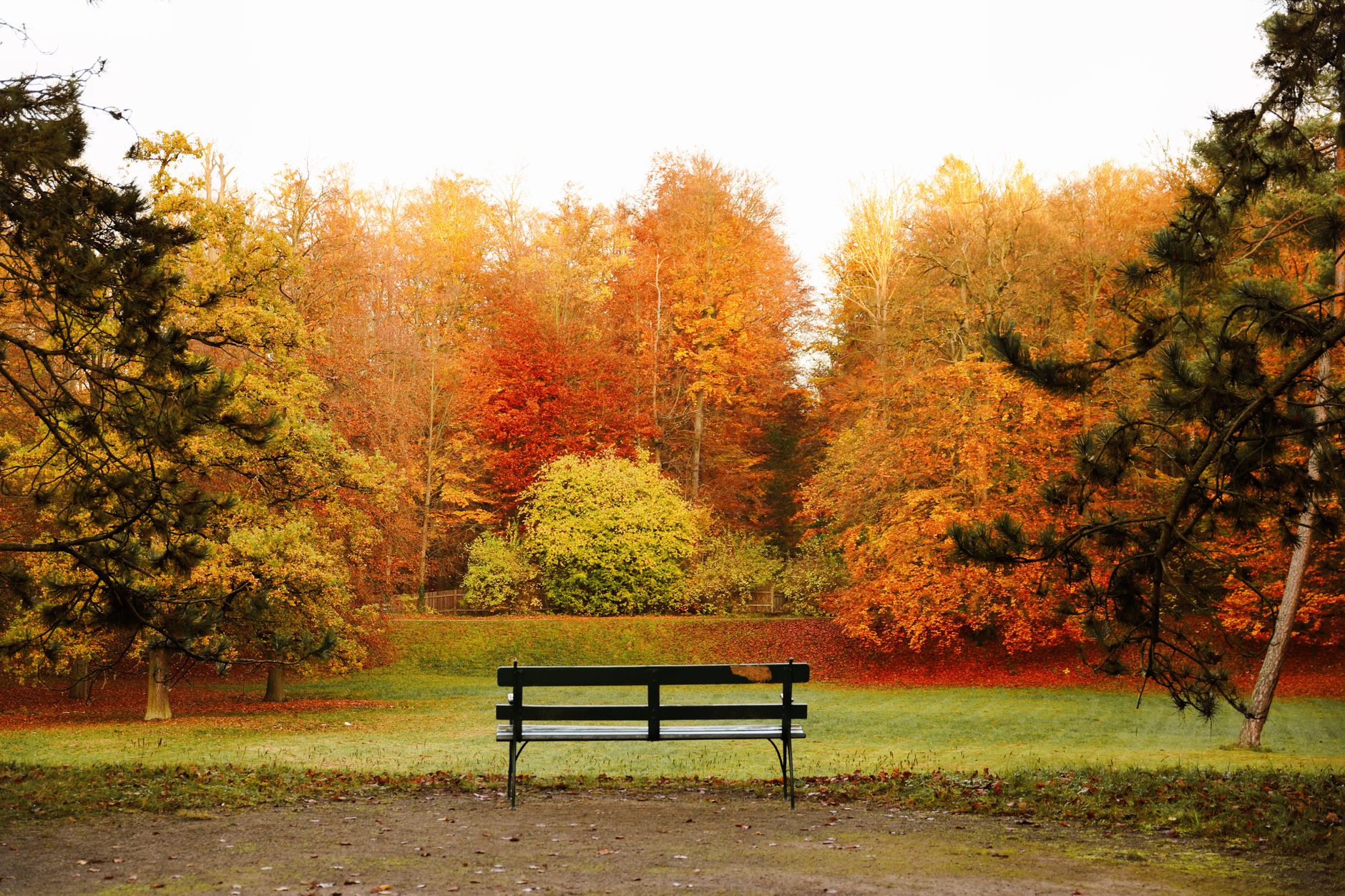
If you’re searching for the best places to visit in Europe in October, you’ve picked one of my favourite months to travel. Summer has finally loosened its grip, autumn colours are spreading across the mountains, wine regions are mid-harvest, and southern Europe is still clinging rather smugly to sunshine while northern Europeans start discussing whether it is socially acceptable to turn the heating on.
October is also a month I know well. I’ve road-tripped through Slovenia as the forests turned orange, wandered around Córdoba without being incinerated by the Andalusian sun, explored Transylvania and its genuinely wild landscapes, and spent countless autumns travelling around northern Spain. October rewards you for choosing a destination because it suits the season, rather than simply picking somewhere that happens to be cheaper than it was in August.
And that is exactly how I’ve chosen the destinations in this guide.
Some are here for autumn colour. Others because October brings harvests, wildlife, food festivals or fantastic hiking conditions. And a few are included because this is one of those rare months when you can still swim in the sea without sharing the beach with approximately half of Europe.

Disclaimer! All of my blogs may contain affiliate links. This means that if you click on a link and make a purchase, I may receive a small commission for the referral at no extra cost to you. This commission allows me to continue creating guides to help travellers plan their next trip!
What's in this post:
My 10 Best Places to Visit in Europe in October
1. Slovenia: Drive Through the Julian Alps as Autumn Takes Over
If I had to choose one destination that completely embodies October in Europe, Slovenia would be very difficult to beat.
I travelled around Slovenia in October, and some of my strongest memories aren’t actually of individual attractions. They’re of driving. The roads around Kranjska Gora and the Julian Alps twisted through forests that became increasingly orange and red as we climbed, with enormous limestone mountains appearing through gaps in the trees. At one point, we completed 134 hairpin bends in a single day. My passenger was delighted. Probably.
The wonderful thing about Slovenia is how much you can fit into a relatively small country. You can watch sunrise over Lake Bled, hike around Lake Bohinj, explore the Soča Valley, drive mountain passes, disappear underground into enormous cave systems and finish your trip eating seafood beside the Adriatic in Piran.
Drive the Vršič Pass and Mangart Saddle
One of my favourite days took us from Kranjska Gora over the Vršič Pass and towards the Mangart Saddle. The road itself was every bit as memorable as the destination, particularly with the surrounding forests changing colour.
Conditions matter enormously in October, though. These are mountain roads, not theme-park attractions, and early snow or bad weather can close high passes. Check conditions locally before setting off and never build an October itinerary around assuming every high-altitude road will remain accessible.
If they are open, however, you’re in for something special.

Explore Slovenia’s caves when the weather turns
October also gives you an excellent excuse to head underground. We visited Škocjan Caves, home to an enormous subterranean canyon that feels almost comically oversized when you’re standing inside it.
We visited when water levels were quite low, which slightly reduced the drama, but walking through chambers carved by the Reka River was still extraordinary. The final climb involves hundreds of steps, so perhaps don’t schedule an ambitious mountain hike immediately afterwards unless your thighs have personally offended you.
You could also visit Postojna Cave and nearby Predjama Castle, the extraordinary medieval castle built directly into a cliff.
For more ideas, read my complete Things to Do in Slovenia guide and use it to build a wider road trip. Alternatively, check out my 5 Day Itinerary.
Travel tip: October in Slovenia requires flexibility. Pack proper waterproofs and layers, check mountain-road conditions each morning and have a lower-altitude Plan B. Luckily, in Slovenia, Plan B generally involves a lake, waterfall, cave or enormous plate of food, so things could be considerably worse.

2. Transylvania, Romania: For Autumn Forests, Bears and Just the Right Amount of Dracula
There are destinations that work perfectly well throughout the year, and then there are places that seem to have been designed specifically for October.
Transylvania is firmly in the second category.
I recently travelled through Romania and was completely taken aback by how wild it still feels. Outside the main towns, you quickly find yourself among forests, traditional villages and mountains where brown bears, wolves and lynx still roam. Add autumn colour, medieval architecture and Romania’s enthusiastic willingness to embrace the Dracula connection, and October feels almost suspiciously well cast.
Brașov makes an excellent starting point. Its colourful old town sits beneath Mount Tâmpa and gives you easy access to Bran Castle, although I wouldn’t make Dracula the entire reason for coming. The landscapes and communities surrounding the city were far more interesting to me than the vampire merchandise.

Go beyond Bran Castle
Head into villages such as Viscri, where Saxon houses line quiet streets and traditional farming practices haven’t entirely disappeared. Continue towards Sighișoara, whose fortified medieval centre looks impressive at any time of year but becomes particularly atmospheric under October skies.
Then make time for the Carpathians themselves.
One of the things that surprised me most about Romania was discovering the scale of the conservation work happening here. The southern Carpathians contain some of Europe’s largest remaining areas of relatively intact forest, and exploring them completely changed my understanding of what wilderness in Europe can look like.
If wildlife interests you, I strongly recommend choosing an ethical bear-watching experience rather than visiting attractions where bears are habituated to humans or deliberately fed for tourists. Seeing evidence of genuinely wild animals in genuinely wild landscapes is a very different experience.
I’ve written much more about this in my Romania 10 Day Itinerary, alongside my guides to bear watching in Romania and Europe’s Last Great Wilderness.
Travel tip: Don’t underestimate driving times in Romania. Distances that look manageable on Google Maps can take considerably longer once you’re winding through mountain roads and villages. Build breathing room into your itinerary rather than trying to collect Transylvanian towns like Pokémon.

3. Madeira, Portugal: For Hiking Without Summer Heat
If your idea of an October holiday involves mountains but your idea of fun does not involve wondering whether you packed enough thermal underwear, Madeira deserves serious consideration.
The Portuguese island sits far enough south to remain mild while much of mainland Europe moves properly into autumn. That makes October particularly appealing for hiking, canyoning and exploring Madeira’s extraordinary volcanic landscapes without dealing with peak summer temperatures.
And Madeira is not a sit-on-a-sunlounger-for-seven-days sort of island. You certainly can, but you’d be missing the good stuff.
The famous levada walks follow historic irrigation channels through forests, valleys and mountains, while routes around Pico do Arieiro and Pico Ruivo take you into dramatically different terrain high above the clouds. Weather can change quickly at altitude, so sunshine beside your hotel pool tells you absolutely nothing about what is happening 1,500 metres above it.
October also brings Madeira’s annual Nature Festival, which celebrates outdoor activities across the archipelago. In 2026, the festival runs from 6–11 October, with activities designed to get visitors into the mountains, valleys and ocean.

Don’t make Funchal your entire Madeira holiday
Funchal is worth exploring, particularly for its markets, restaurants and historic centre, but Madeira becomes much more interesting once you leave the capital.
Drive north towards São Vicente, explore the natural swimming pools around Porto Moniz, walk through the Laurisilva forest and spend time in smaller villages. If you’re comfortable driving mountain roads, renting a car gives you far more freedom, although Madeira’s gradients occasionally make roads look like they were designed following an argument with gravity.
Travel tip: Don’t assume Madeira equals guaranteed sunshine. October can bring rain, particularly in the mountains. Carry waterproofs even when the coast looks glorious and check trail closures before setting out.
4. Piedmont, Italy: Come for the Wine, Stay for the White Truffles
There are plenty of reasons to visit Italy in October, but if food dictates an unreasonable percentage of your travel decisions, I would head north to Piedmont.
This is harvest season in one of Italy’s greatest food and wine regions. Vineyards ripple across the Langhe hills around Barolo and Barbaresco, hazelnuts appear in practically everything worth eating, and Alba begins celebrating an ingredient that looks rather like a dirty potato yet can command astonishing prices.
The Alba International White Truffle Fair runs from October into December; in 2026, it begins on 10 October. The centrepiece is the White Truffle World Market, alongside cooking demonstrations, tastings and events celebrating the food and wine of Langhe, Roero and Monferrato.
Even if spending hundreds of euros on fungus isn’t high on your bucket list, the surrounding countryside makes Piedmont one of the best places to visit in Europe in October.

Road trip through the Langhe
Rather than basing yourself exclusively in Turin, give yourself several days around Alba, Barolo and La Morra.
This is countryside designed for slow travel. Drive between vineyard-covered hills, stop in small villages, visit independent wineries and give lunch the amount of time Italians correctly believe lunch deserves.
Turin then provides a completely different finish to the trip: elegant architecture, excellent museums, historic cafés and enough chocolate to undermine whatever nutritional standards you arrived with.
Travel tip: If the White Truffle Fair is one of your main reasons for visiting, book accommodation early. Alba becomes significantly busier during festival weekends. Staying in the surrounding countryside can give you a much quieter experience, although you’ll ideally want your own transport.
5. Andalusia, Spain: Explore the Cities Without Melting
There are parts of Europe where summer sunshine is a selling point. Then there is Andalusia, where summer sunshine occasionally feels like a personal attack.
October changes everything.
Temperatures become far more comfortable for actually exploring cities such as Seville, Córdoba and Granada, rather than planning your day around whichever pavement currently offers six centimetres of shade. You can walk through historic neighbourhoods, sit outside for lunch and explore enormous palace complexes without feeling as though you’ve accidentally entered an endurance event.
I visited Córdoba in October, and although some of its famous patio flowers were past their flamboyant spring best, I loved being able to explore the city comfortably. The Mezquita alone is worth the journey: a vast forest of red-and-white arches surrounding a cathedral built into the middle of the former mosque.

Turn it into an Andalusia road trip
Rather than choosing one city, October is perfect for combining several.
Start in Seville for the Real Alcázar, flamenco and tapas, continue to Córdoba for the Mezquita and Jewish Quarter, then head towards Granada for the Alhambra. If you have more time, add Ronda and some of Andalusia’s white villages rather than racing between the major cities. If you want help planning out what the roadtrip might look like, check out my Andalucia Road Trip Guide.
October generally brings warm days but cooler evenings, particularly inland and at altitude, so this isn’t the month to pack exclusively for beach weather.
If Córdoba is on your route, read my complete Guide to Visiting Córdoba before you go.
Travel tip: Don’t assume fewer tourists means you can casually stroll into the Alhambra whenever the mood takes you. Book major attractions in advance, particularly if your dates aren’t flexible.

6. The Basque Country, Spain: For Food, Coast and Autumn Without the Clichés
I could tell you October is wonderful in the Basque Country because of autumn colours and fewer international tourists.
But let’s be realistic.
I’d come for the food.
October is when northern Spain starts leaning properly into autumn. Beach days become less predictable, evenings cool down and menus begin shifting towards mushrooms, game, slow-cooked dishes and other things that make considerably more sense when you’re wearing a jumper.
Start in Bilbao, the city where I grew up, and don’t make the mistake of treating the Guggenheim as the beginning and end of your visit. Eat pintxos in Casco Viejo, ride the funicular up Artxanda and explore the neighbourhoods beyond the obvious tourist centre.
Then follow the coast towards San Sebastián, stopping at fishing villages and viewpoints along the way.
October is made for pintxo hopping
San Sebastián is one of Europe’s great food cities, but you don’t need a Michelin-starred reservation to eat extraordinarily well. Pintxo bars allow you to move from place to place, trying one or two specialities in each rather than committing yourself to a three-course dinner.
I’ve done five different food tours in San Sebastián and have another lined up, and every single one has introduced me to somewhere new or persuaded me to order something I probably wouldn’t have chosen myself.
That’s why I recommend taking a tour even if you’ve visited before.
Read my Best Pintxo Bars in San Sebastián guide and Things to Do in San Sebastián before planning your trip, or start with my Basque Country itinerary if you’re travelling more widely.
Travel tip: Bring a waterproof jacket. Northern Spain is green for a reason. We even have a word, zirimiri, for that fine drizzle that seems too insignificant for an umbrella but somehow manages to make everything damp anyway.

7. Mallorca, Spain: See What the Island Is Like After Summer Leaves
Mention Mallorca and plenty of people still picture package holidays, packed beaches and resorts full of sunburnt Brits.
October gives you a chance to meet a completely different island.
If Mallorca usually appears on your radar when you’re looking at beach vacations, October is a brilliant time to discover what exists beyond the resorts. As summer tourism winds down, the island becomes much easier to explore. The sea often retains warmth from summer into early autumn, particularly earlier in the month, while cooler temperatures make hiking and cycling considerably more appealing than they are during July and August.
And the mountains are where I’d head.
The Serra de Tramuntana stretches along Mallorca’s northwest coast, connecting stone villages, olive groves and dramatic limestone peaks. Places such as Sóller, Deià and Valldemossa are hardly undiscovered, but visiting outside peak summer makes an enormous difference.
Combine Palma with the mountains
Spend a couple of nights in Palma before heading into the Tramuntana.
Palma deserves more than being treated as the place where the airport happens to be. Explore La Seu cathedral, wander the old town and eat your way around the markets before picking up a rental car and disappearing into the mountains.
October is also a good time for walking sections of the GR221 Dry Stone Route, although shorter daylight hours and changeable mountain weather mean you should plan properly rather than setting off because Google Maps claims something is “only” eight kilometres away.
Travel tip: If swimming matters to you, visit earlier in October. Seasonal businesses and beach facilities begin closing as the month progresses, and the weather becomes less predictable towards November.

8. Scotland: Chase Autumn Colour Through the Highlands
Scotland in October is not where you go for reliable weather.
Let’s establish that immediately.
You might experience sunshine, horizontal rain, mist, wind and something suspiciously close to winter within the same afternoon. But if you can accept Scotland’s meteorological commitment issues, October can be spectacular.
The Highlands begin turning copper, rust and gold, while forests around Perthshire and the Cairngorms provide some of Britain’s best autumn colour. Shorter days also mean sunrise becomes a much more civilised activity than it is in midsummer. Finally, landscape photographers can sleep past 4am.
Road-tripping works particularly well, but resist the temptation to spend the entire holiday chasing famous Instagram viewpoints. Scotland’s appeal is often found between them: single-track roads, tiny villages, lochs appearing unexpectedly around corners and pubs that become disproportionately appealing after four hours in the rain.
Don’t rush the Highlands
If you have a week, choose one region rather than attempting to complete Scotland.
You could combine Edinburgh with Perthshire and the Cairngorms, head west towards Glencoe, or explore further north if conditions allow. October weather can make ambitious mountain plans unsuitable at short notice, so build alternatives into your itinerary.
And if photography is your thing, have a look at my Scotland Photography Guide for some of my favourite locations.
Travel tip: Daylight disappears noticeably faster in October. Check sunset times before heading into remote areas and don’t begin a long hike based purely on how bright it looked while you were eating breakfast.

9. Crete, Greece: Keep Summer Going a Little Longer
If autumn foliage leaves you cold and what you actually want is to pretend summer hasn’t ended, head south.
Crete is one of the strongest options for warm weather in Europe in October. Early in the month in particular, you can still combine beaches with hiking and historical sites, but without the intensity of high summer.
That combination is exactly what makes October interesting. You aren’t limited to choosing between lying beside the sea and slowly roasting while trying to appreciate a Minoan archaeological site.
Spend time in Chania or Rethymno, explore mountain villages and drive into the island’s interior rather than remaining exclusively around the resorts. Crete is much larger and more geographically diverse than many first-time visitors expect, so trying to “see Crete” in four days is a recipe for spending most of your holiday staring through a windscreen.
Hike Crete in cooler temperatures
October’s milder conditions make walking much more appealing, whether you’re tackling sections of Crete’s famous gorges or choosing gentler coastal routes.
However, this is another destination where the exact week matters. Conditions become more variable later in October, seasonal businesses begin winding down and organised activities may reduce their schedules.
For travellers wanting beach time, I’d favour the first half of the month. If you’re primarily interested in food, villages, walking and archaeology, later October can be wonderfully quiet.
Travel tip: Rent a car if you want to explore beyond the main towns, but don’t underestimate Crete’s mountain roads. A destination that appears geographically close can involve a surprisingly long and winding journey.

10. La Rioja, Spain: Follow the Grape Harvest Through Wine Country
October travel doesn’t have to involve chasing the last scraps of summer.
Sometimes it’s better to embrace autumn properly.
La Rioja is one of Spain’s most famous wine regions, but visiting isn’t simply about moving from one tasting room to another until someone confiscates the car keys. The landscapes are beautiful in their own right, particularly when vineyards begin changing colour and the grape harvest brings extra energy to the region.
Base yourself around Logroño, where Calle Laurel provides one of Spain’s most enjoyable introductions to pintxo culture. Rather than ordering dinner in one restaurant, move between bars trying whichever speciality each is known for.
Then get out into the countryside.
Visit Rioja’s smaller wineries and villages
Haro is one of the best-known centres for Rioja wine, but I’d also make time for smaller villages and independent bodegas. Laguardia, technically across the regional border in the Basque province of Álava, is particularly beautiful: a medieval hilltop town surrounded by vineyards with the Sierra de Cantabria rising behind it.
October is an excellent month for a road trip through this landscape, but remember that grape harvest timings vary between wineries and from year to year. If participating in a harvest experience matters to you, contact wineries directly rather than assuming you’ll arrive to find people dramatically stomping grapes for your benefit.
Travel tip: If you’re visiting wineries, book a tour or arrange a driver. Spanish wine tastings can be remarkably generous, and “I’ll just spit everything out” is a strategy with an impressively poor success rate.

So, Where Are the Best Places to Visit in Europe in October?
The best places to visit in Europe in October depend on what you’re actually hoping October will give you.
If you want proper autumn landscapes, I’d choose Slovenia, Transylvania or Scotland. For food and harvest season, Piedmont and La Rioja are difficult to beat. If you’d rather postpone autumn entirely, Madeira, Crete or Mallorca give you a much better chance of sunshine.
For a combination of culture, food and comfortable sightseeing temperatures, Andalusia is probably my strongest recommendation. And if you’d like extraordinary food, mountains, coastline and the possibility of rain arriving sideways just as you’ve finished doing your hair, come to the Basque Country. I’ll apologise for the weather in advance.
What I wouldn’t do is choose a destination simply because somebody has included it on a generic “Europe in October” list.
October is too interesting for that.
Pick somewhere where the season itself makes the trip better.

FAQs About Visiting Europe in October
Is October a good time to visit Europe?
Absolutely. October is one of Europe’s main shoulder-season months, meaning many destinations are quieter than during July and August while weather remains suitable for sightseeing and outdoor activities.
The important thing is choosing the right region. Southern Europe can still be pleasantly warm, while central and northern Europe offer autumn foliage, cooler temperatures and increasingly changeable weather.
Where is warm in Europe in October?
For the best chance of warmth, look towards Madeira, the Canary Islands, Crete, Cyprus, Malta, Sicily and southern Spain.
Even there, October isn’t identical to August. Rain becomes more likely and evenings can be cooler, particularly later in the month. If swimming and beach weather are priorities, travelling during the first half of October generally gives you better odds.
Where is best for autumn colours in Europe in October?
Slovenia, Romania, Scotland, Bavaria and parts of the Alps can all be spectacular during October.
Timing varies according to altitude and annual weather conditions, so there isn’t a single guaranteed “peak foliage” week across Europe. Higher elevations generally change earlier, while lower forests and wine regions can hold their autumn colours later into the month.

Can you still swim in Europe in October?
Yes, particularly around the southern Mediterranean and Atlantic islands.
Crete, Cyprus, Malta, Sicily, the Canary Islands and parts of southern Spain can still offer swimming weather in October. Mallorca can also remain pleasantly warm earlier in the month, although conditions become less reliable as November approaches.
Is Europe cheaper in October?
Often, yes, but don’t assume everywhere suddenly becomes a bargain on 1 October.
Popular autumn destinations can actually become busier because of seasonal events. Alba attracts visitors for its White Truffle Fair, wine regions become busy during harvest, and destinations known for autumn foliage can experience their own mini high season.
Generally, however, flights and accommodation in traditional summer destinations become better value once peak holiday season ends.
What should I pack for Europe in October?
Layers. Lots of them.
A waterproof jacket, comfortable shoes, lightweight jumpers and clothes you can combine are far more useful than packing for one specific temperature. If you’re heading into mountains, add proper hiking equipment and warmer layers. If you’re heading to Crete or Madeira, bring swimwear too.
October is basically the month where Europe forces you to pack for three holidays simultaneously.

Is early or late October better for travelling in Europe?
That depends entirely on what you want.
Early October is better for Mediterranean swimming, warmer evenings and destinations where summer businesses operate seasonally. Mid-to-late October is generally better for autumn colours, atmospheric city breaks and harvest experiences.
If you’re travelling into the Alps or other mountainous areas, later October also increases the possibility of snow and seasonal road closures, so flexibility becomes increasingly important.
My Final Thoughts on Europe in October
October might not give you Europe’s most predictable weather, but that is partly why I love it.
This is the month when travel becomes less about simply seeing a destination and more about experiencing its season. Vineyards are being harvested. Forests are changing colour. Mountain roads are becoming quieter. Restaurants are cooking with completely different ingredients. Beaches that were almost unusable two months earlier suddenly have room to breathe.
And you can choose your own version of autumn.
You can hike through orange forests in Slovenia, hunt for truffles in Piedmont, explore medieval Transylvania beneath suitably moody skies or sit beside the Mediterranean in Crete wondering why everyone back home is already wearing coats.
For me, those are the best places to visit in Europe in October: not necessarily Europe’s most famous destinations, but the places where travelling in October actually makes the experience better.

Comments will load here
Be the first to comment