
The Blog

What Is Basque Food? A Local’s Guide to Basque Cuisine and the Dishes You Have to Try
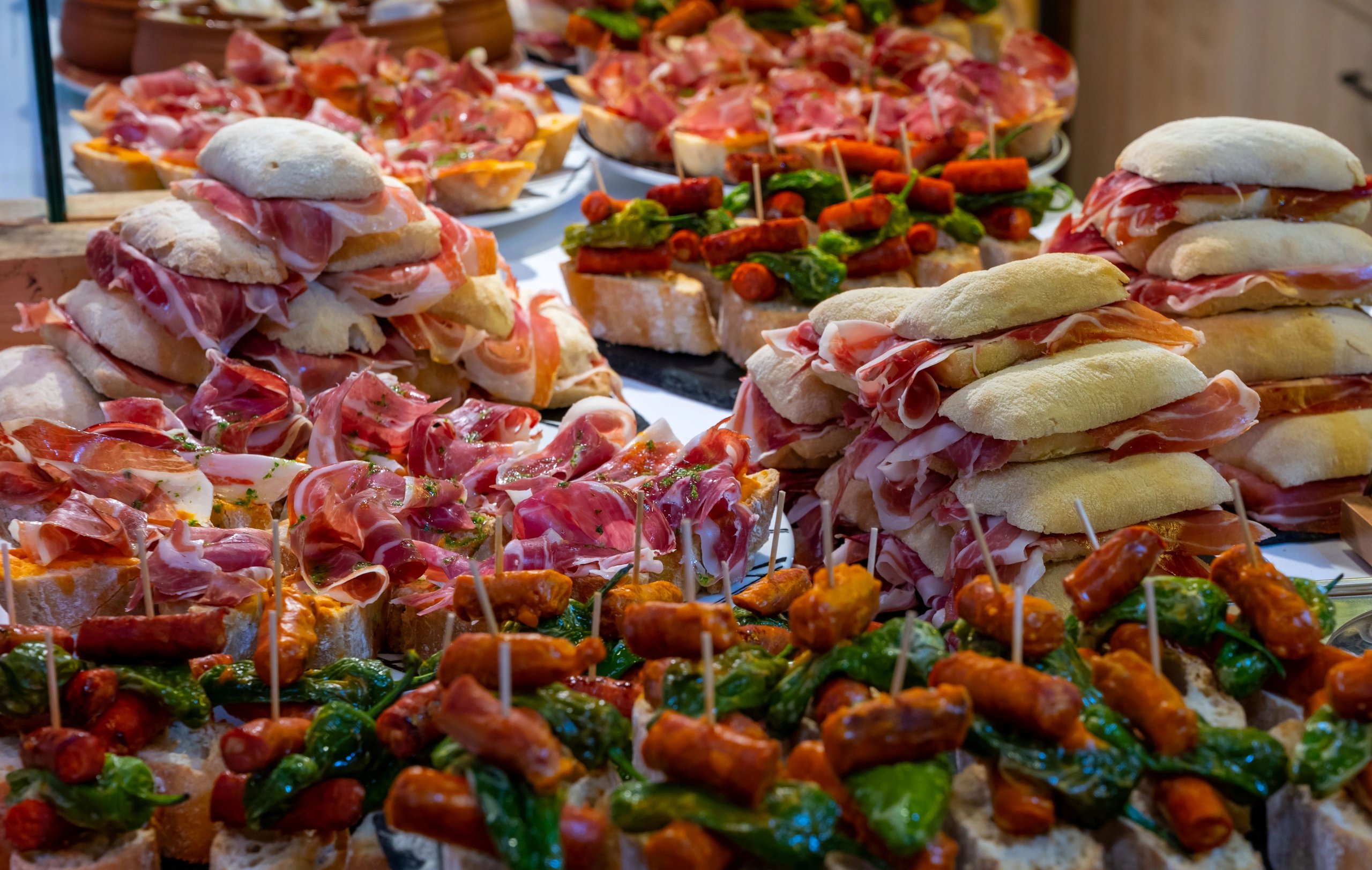
Walk into a pintxo bar in Bilbao on a Saturday lunchtime and you’ll quickly discover that Basque food is about much more than eating. The counter is piled high with pintxos, conversations compete to be heard, someone is squeezing through the crowd carrying six drinks, and there’s barely a space left to rest your elbows. If you’re lucky, you’ll find a corner of the bar to claim as your own. If not, you’ll simply have to get closer to everyone else.
This is the Basque Country I grew up in, and the food culture I fell in love with long before I appreciated just how extraordinary it was.
I spent ten years living in Bilbao, another eight along the coast in Gorliz and Plentzia, and have spent much of my life exploring the food of this region. From traditional cider houses and family recipes to Michelin-starred restaurants and countless pintxo crawls, I’ve eaten my way through a rather impressive amount of Basque cuisine. All in the name of cultural appreciation, naturally.
But what exactly is Basque food, and what makes it so special?
In this guide, I’m sharing the traditional Basque dishes you need to try, the food customs that make this region different from the rest of Spain, and my favourite places to experience it all. Including a few dishes I don’t particularly enjoy, because being a local doesn’t mean you have to love everything!

This article contains affiliate links. If you book through one of my links, I may earn a small commission at no additional cost to you.
What's in this post:
What Is Basque Food?
Basque food is the traditional cuisine of the Basque Country, a culturally distinct region stretching across northern Spain and southwestern France. It’s known for exceptional seafood, grilled meats, seasonal vegetables, distinctive cheeses and an almost obsessive respect for good ingredients.
But that description doesn’t really do it justice.
To understand Basque cuisine, you need to understand the relationship Basque people have with food. Here, meals aren’t simply something you squeeze into the day. They’re often what the day revolves around. A family lunch can stretch well into the afternoon, discussions about the best place to buy fish can become remarkably passionate, and people will happily travel considerable distances for a particularly good meal.
There are dishes that have been passed down through generations, recipes connected to fishing villages and farming communities, and a restaurant scene that has helped put the Basque Country on the international gastronomic map. And then there are pintxos, those wonderful little creations that turn an ordinary evening into an adventure from bar to bar.
If you’re visiting for the first time, these are five things I would put at the top of your eating itinerary: pintxos, txuleta steak, marmitako, Idiazabal cheese and Basque cheesecake. Although I would also insist you try bacalao al pil pil, even if it’s not my personal favourite.
The beauty of Basque Country food is that you don’t need an extravagant budget to eat brilliantly. Some of the most memorable things I’ve eaten here have been standing at a crowded bar, surrounded by people having exactly the same wonderful time.

What Makes Basque Cuisine Different
Spain is a country that takes its food seriously, but there is something particularly distinctive about Basque gastronomy.
For starters, the geography plays an enormous role. The Atlantic coastline provides fish and seafood, the green mountains support livestock and dairy farming, fertile valleys produce vegetables, and the vineyards of Rioja Alavesa provide some of Spain’s best-known wines.
Traditional Basque food developed around these ingredients, often using simple cooking methods that allow their natural flavours to shine. A beautiful piece of fish might need little more than olive oil, garlic and the expertise of someone who knows exactly when to remove it from the grill.
But what fascinates me most is how food is woven into Basque identity.
Food Is a Social Occasion, Not Just a Meal
Growing up in the Basque Country, food was always part of getting together.
Saturday or Sunday rabas (fried squid) weren’t just about the squid. They were about meeting friends and family, settling into a familiar bar and enjoying the sort of late morning where nobody seemed particularly worried about what time it was. Even now, some of my favourite memories involve those wonderfully ordinary rituals.
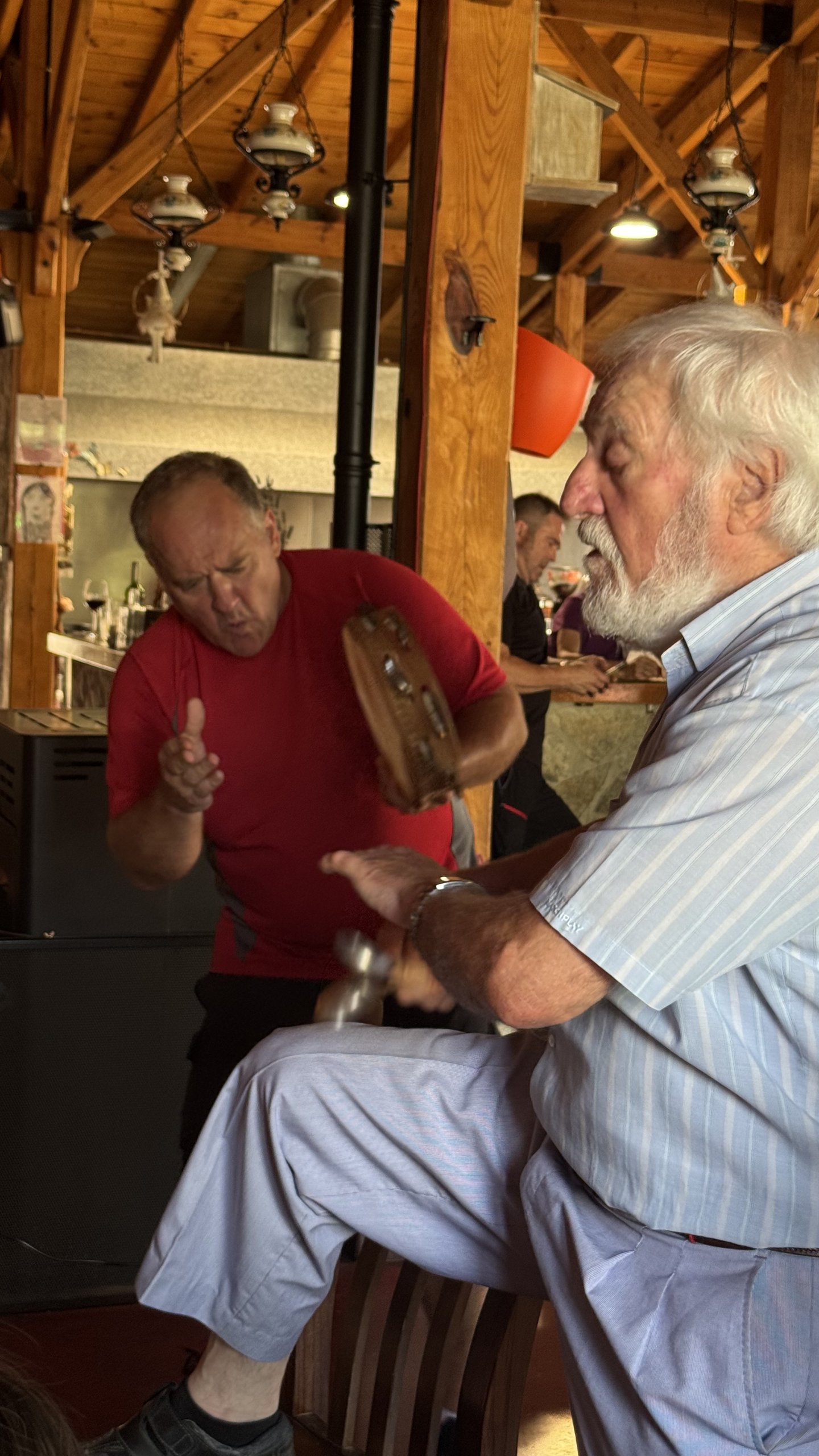
And then there are the txokos, traditional Basque gastronomic societies where members gather to cook, eat and socialise.
These are generally private clubs, often with proper kitchens and large communal dining areas. Members take responsibility for preparing meals, and there can be considerable pride attached to the results. Historically, many txokos were exclusively male, although membership traditions vary and some societies now include women.
What makes them so interesting is that the cooking itself is part of the social occasion. It’s not simply about turning up and being served a meal. Preparing it, sharing it and discussing it are all part of the experience.
If ever there were evidence of how seriously Basque people take their food, it’s the existence of entire societies dedicated to cooking dinner together.
Traditional Cooking Meets World-Class Gastronomy
The Basque Country has also played an important role in modern European cuisine. The New Basque Cuisine movement of the 1970s helped transform traditional cooking through new techniques and presentations, while preserving a strong connection to local ingredients.
Today, San Sebastián is internationally recognised for its exceptional restaurants, including Michelin-starred names such as Arzak, Akelarre and Martín Berasategui. The region also has the Basque Culinary Center, established in San Sebastián in 2011, which offers university-level gastronomy education alongside culinary research and innovation.
What I find wonderful is how comfortably these two worlds coexist. You can enjoy an elaborate tasting menu created by an internationally celebrated chef, then wander into a neighbourhood bar and find something equally delicious for a fraction of the price.
Neither experience feels out of place.
And if you’re planning to explore beyond the restaurants, my Basque Country travel guide will help you discover the landscapes, villages and traditions that have shaped the region’s cuisine.
Traditional Basque Dishes To Try
Right, let’s get to the important part. What should you actually eat?
I’ve included the traditional Basque dishes that best represent the region, along with a few personal favourites and some suggestions about where to try them.
Pintxos, from the famous Gilda to my Bilbao favourites
If I had to choose one food experience that captures the Basque Country, it would be pintxos.
Pronounced peen-chos, they’re small portions of food traditionally served on bread and sometimes held together with a cocktail stick. Today, however, the term covers everything from a simple anchovy and olive combination to elaborate miniature dishes prepared fresh in the kitchen.
Some pintxos are displayed across the bar, while others are written on a blackboard and ordered hot. The variety is extraordinary.
In Bilbao, one of my absolute favourites is the pintxo moruno at Café Iruña. These beautifully seasoned meat skewers are the sort of thing I recommend to practically everyone visiting the city. I have plenty of other favourite pintxos, but this is often where I tell people to start.
In San Sebastián, I’m particularly fond of the black squid-ink croquette at Sirimiri Gastroleku, the meat dishes at Borda Berri and the txuleta or solomillo pintxos at Gandarias.
And one pintxo deserves a special introduction.

The Gilda: San Sebastián’s most famous pintxo
The gilda is a deceptively simple combination of anchovy, pickled guindilla peppers and olives, threaded onto a stick. It was created, or at least made famous under its now-iconic name, at Casa Vallés in San Sebastián during the 1940s.
Its name comes from the 1946 film Gilda, starring Rita Hayworth. The pintxo was supposedly considered silky, salty and a little spicy, much like the character’s reputation.
I love that one of the Basque Country’s most famous culinary creations has a connection to Hollywood. It’s also a perfect example of Basque cooking: just a few ingredients, carefully combined, creating something much greater than the sum of its parts.

Where to Eat Pintxos in the Basque Country
Bilbao: My Favourite Pintxo Bars
Having spent ten years living in Bilbao, followed by another eight just along the coast, I’ve eaten more than my fair share of pintxos in the city. And while San Sebastián might receive most of the international attention, I have a particular soft spot for Bilbao’s pintxo scene. There’s something wonderful about wandering through the Casco Viejo, moving between bustling bars filled with locals who are just as passionate about their food as I am.
One place I always recommend is Café Iruña, where the pintxo moruno is practically an institution. These beautifully seasoned meat skewers are cooked over a grill, and I honestly think you could visit Bilbao just for these alone. But that’s only the beginning. From traditional bars serving classic pintxos to more inventive creations, there’s an enormous amount to discover. I’ve put together all my personal favourites in my guide to the best pintxo bars in Bilbao.
But my biggest recommendation? Join a pintxo tour, even if you think you know Bilbao! I’ve done several myself, despite having lived here for years, and I’ve still discovered new bars, tried dishes I would never have ordered and learnt things about my own food culture. My favourite group experience was with Best of Basque, whose guides know exactly which dishes to order and the stories behind them. It’s a fantastic introduction to Bilbao’s pintxo scene, and the knowledge you gain will make exploring independently afterwards even more enjoyable.

San Sebastián: The City That Takes Pintxos to Another Level
If Bilbao is where I feel at home eating pintxos, San Sebastián is where I go when I want to make a proper gastronomic adventure of it. The Parte Vieja is packed with exceptional bars, many of which have become famous for one particular dish. And rather than staying in one place, the real pleasure comes from hopping between them, ordering the speciality at each stop and seeing just how much delicious food you can squeeze into an afternoon.
Some of my personal favourites include the black squid-ink croquette at Sirimiri Gastroleku, the meat dishes at Borda Berri and the txuleta or solomillo pintxos at Gandarias. But I would also encourage you to venture beyond the Old Town into Gros, where you’ll find another fantastic selection of bars. I’ve shared my favourite stops, along with what to order at each, in my guide to the best pintxo bars in San Sebastián.
And once again, I cannot recommend taking a guided pintxo tour highly enough. I’ve done at least five in San Sebastián, despite knowing the city well, and every single one has introduced me to something new. My favourite is the Eating Europe San Sebastián food tour, which combines exceptional food with the history, traditions and personalities that make the city’s food scene so special. It’s one thing to eat a delicious pintxo; it’s quite another to understand why that particular bar has been making it for generations. That’s the difference a good guide makes.

Bacalao al Pil Pil: A Dish That Requires Serious Skill
Bacalao, or salt cod, is deeply embedded in traditional Basque cuisine. And few recipes demonstrate the skill involved in preparing it quite like bacalao al pil pil.
The dish uses cod, olive oil, garlic and sometimes chilli. That sounds wonderfully straightforward, until you discover that the sauce is created by emulsifying the oil with the natural gelatin released by the fish. The result is a silky, rich sauce that coats the cod without needing cream or flour.
I actually learnt to prepare bacalao al pil pil during a cooking class in San Sebastián, and I’m rather proud to say that mine turned out beautifully.
There’s just one small problem. I don’t particularly like eating it.
I know. Sacrilege.
But this is one of those occasions where I can appreciate the craftsmanship involved without wanting to order it every time I visit a restaurant. I would still encourage you to try it, particularly if you enjoy seafood. And if you’re interested in learning traditional Basque recipes, the technique is fascinating. You can learn to make it at San Sebastian Cooking Class, which is where I

Txuleta: Basque Steak at Its Best
Now we’re talking.
If there’s one thing the Basques know how to do exceptionally well, it’s cook a beautiful piece of beef. Txuleta is a thick, bone-in steak, often cut from mature cattle and sometimes dry-aged to develop its flavour. It’s typically cooked over hot charcoal or a wood-fired grill, creating a wonderfully caramelised exterior while keeping the centre pink or red. The steak is usually served sliced, often with little more than coarse salt.
And that’s exactly how it should be.
For me, one of the best places to experience txuleta is Laia Erretegia Jatetxea, just 20 minutes from San Sebastian. It is ranked the third best steak in the world and is a great example of Basque food at its purest: great quality ingredients without any fuss.
A good txuleta also teaches you something about Basque dining. This isn’t generally a steak you order, demolish in ten minutes and rush away from. It’s often a substantial piece of meat intended to be shared, with everyone helping themselves while the conversation continues.
If you’re travelling with someone who loves steak, make sure this is on your itinerary.

Marmitako: The Fishermen’s Stew
Marmitako is one of those dishes that reminds me immediately of home. It’s a traditional Basque stew made with tuna, potatoes, peppers, onions and tomatoes, originally associated with fishermen who needed something filling and practical to cook at sea. The name comes from marmita, a cooking pot, and the dish developed around ingredients that could be carried aboard fishing boats, with freshly caught tuna added during the voyage.
My stepdad Joaquín makes a wonderful marmitako, so perhaps I’m slightly biased. But for me, this is Basque comfort food at its very best.
I also learnt to make marmitako during a cooking class in Bilbao with Mikel, where one of the most interesting lessons involved something as ordinary as cutting potatoes. Rather than slicing them neatly all the way through, you partially cut and then snap them apart. This releases starch as they cook, helping to thicken the stew naturally without the need of flour. It’s such a simple detail, but it changes the texture of the finished dish. And that’s what I love about traditional cooking classes. You discover that recipes you’ve known for years contain little techniques that have been passed down through generations.
If you want to experience typical Basque food beyond restaurant favourites, marmitako is a brilliant place to begin.
Txipirones en Su Tinta: Squid in Its Own Ink
This is one of those dishes that can make visitors hesitate when they first see it.
Txipirones en su tinta consists of small squid cooked in a rich, dark sauce made using squid ink, usually with onions, garlic and other aromatics. The colour is dramatic, almost completely black, and the flavour is deeply savoury.
It’s a very traditional dish, particularly along the coast, and one that seafood lovers should consider trying.
Personally, I have a complicated relationship with squid ink. I enjoy the black squid-ink croquette at Sirimiri in San Sebastián, but I’m less enthusiastic about a whole plate of squid swimming in ink. Still, I wouldn’t leave it off a guide to traditional Basque food simply because it isn’t my favourite. That would be rather like writing about British food and pretending black pudding doesn’t exist.

Kokotxas: A Basque Seafood Delicacy
Kokotxas are one of those dishes that sound much less appealing when translated into English. They’re the fleshy, gelatinous parts found beneath the lower jaw of fish, particularly hake and cod, commonly described as fish cheeks or throats.
Before you dismiss them, hear me out.
They’re considered a delicacy in Basque cooking because of their incredibly tender texture and delicate flavour. They can be prepared al pil pil, in green sauce or simply cooked with garlic and olive oil.
One of the places where I’ve enjoyed kokotxas is Sorginzulo in Bilbao, and they’re a wonderful example of the Basque philosophy of appreciating parts of an ingredient that other cuisines might overlook.
They won’t necessarily appeal to everyone, particularly if you’re sensitive to soft or gelatinous textures, but they’re absolutely worth knowing about.

Tortilla de Bacalao: The Cider House Classic
Most visitors to Spain are familiar with tortilla de patatas, the thick Spanish omelette made with potatoes and eggs. The Basque Country has another version that’s particularly associated with traditional cider houses: tortilla de bacalao.
This omelette combines eggs with flaked salt cod, usually alongside onions and sometimes green peppers. It’s softer and generally thinner than the potato tortilla you might find in a bar, with the cod providing plenty of flavour.
It’s one of the classic opening dishes at a Basque cider house, designed to be shared around the table before the steak arrives. And if you happen to be visiting during cider season, you’ll probably eat more than your fair share.
Idiazabal Cheese: A Taste of the Basque Mountains
Cheese doesn’t always get the attention it deserves in discussions about Basque cuisine. Which is a shame, because the region produces some exceptional varieties.
Idiazabal is a protected-origin sheep’s milk cheese made in parts of the Basque Country and Navarra, using milk from traditional Latxa and Carranzana sheep. It’s firm, rich and slightly tangy, and some versions are naturally smoked, giving them a distinctive flavour.
You’ll find it served in restaurants, pintxo bars and cider houses, often accompanied by quince paste (membrillo) and walnuts. But there’s something particularly lovely about tasting it closer to where it’s produced, in the rural villages and mountain valleys where sheep farming remains an important part of local life.
For me, that’s another essential part of understanding Basque food. It’s not just about what appears on your plate, but about the producers, landscapes and traditions behind it.

Alubias de Tolosa: A Proper Basque Lunch
I couldn’t write about traditional Basque dishes without mentioning alubias de Tolosa.
These dark beans, associated with the Gipuzkoan town of Tolosa, are slow-cooked until beautifully tender and traditionally served with accompaniments such as cabbage, blood sausage, chorizo and guindilla peppers. It’s hearty, warming food that makes perfect sense in a region where the weather can be rather enthusiastic about rain.
This is not a dish I would choose before heading out for an afternoon of energetic sightseeing. It’s the sort of meal that deserves time, good company and preferably no pressing commitments afterwards.
And that is precisely part of its charm.
Bacalao a la Vizcaína and Piperrada
Two other dishes deserve a place on your Basque food list.
Bacalao a la vizcaína is salt cod served in a rich red sauce traditionally made using onions and dried choricero peppers. Despite the colour, the classic version doesn’t necessarily contain tomatoes. It’s a speciality particularly associated with Bizkaia, and a lovely alternative if, like me, you don’t find pil pil especially exciting to eat.
Piperrada, meanwhile, is a dish of slowly cooked peppers, onions and tomatoes, sometimes accompanied by eggs. It’s wonderfully colourful and appears in different forms across the Basque region.
Both show how important peppers are to Basque cooking, whether they’re fresh, dried, sweet or gently spicy.

Basque Cheesecake: The Dessert That Conquered the World
You can barely open a restaurant menu these days without discovering another version of Basque burnt cheesecake. The dessert became famous about 15 years ago thanks to La Viña, a bar in San Sebastián’s Parte Vieja.
Unlike a traditional baked cheesecake, the Basque version doesn’t usually have a biscuit base. Instead, it’s baked at a relatively high temperature, creating a dark, caramelised exterior while leaving the centre creamy and soft. It’s rich, indulgent and surprisingly uncomplicated.
La Viña has become something of a pilgrimage site for cheesecake lovers, and it’s easy to understand why. Personally, I don’t usually like cheesecake, however, I can’t go to San Sebastian and not enjoy a slice, it is truly as good as the hype suggests!
If you love cheesecake, it’s worth trying the original famous version in San Sebastián rather than settling for an imitation elsewhere.

Gâteau Basque: A Sweet Treat From Across the Border
Over in the French Basque Country, gâteau basque is one of the region’s most recognisable desserts. It’s quite different from the cheesecake associated with San Sebastián.
Gâteau basque is a buttery pastry cake traditionally filled with either vanilla pastry cream or black cherry preserve.
You’ll encounter it in bakeries throughout places such as Saint-Jean-de-Luz, Bayonne and the surrounding villages. And it’s a lovely reminder that Basque gastronomy doesn’t stop at the Spanish border.
Pintxos and Basque Food Culture: How to Eat Like a Local
Understanding how to enjoy pintxos is almost as important as knowing which ones to order. Because while they’re often compared to Spanish tapas, the culture around them is rather different.
Tapas can be small dishes or sharing portions, sometimes served free with a drink in parts of Spain. Pintxos developed their own distinctive tradition in the Basque Country, with small individual creations displayed at bars or cooked to order.
But the biggest difference is how people enjoy them.
A proper pintxo crawl is about moving between bars, enjoying something special at each stop rather than spending the entire evening in one place. And, contrary to what some visitors expect, pintxos aren’t necessarily meant to replace dinner. They’re often part of the social occasion before a meal, although an enthusiastic enough crawl can certainly become dinner in its own right.
I’ve spent countless evenings exploring pintxo bars in Bilbao and San Sebastián, and I still discover places and dishes that surprise me.

How Does a Pintxo Crawl Work?
The idea is beautifully simple. Choose an area with several good bars, head into the first one and order a drink and something to eat. Once you’ve enjoyed it, move on to the next. Rather than filling up at the first attractive counter, try to order the speciality of each bar.
In San Sebastián, for example, I might head to La Mejillonera for patatas bravas or rabas, Sirimiri for its squid-ink croquette, and Gandarias for a delicious meat pintxo. Each has something different to offer.
In busy bars, ordering usually happens directly at the counter. Some pintxos are displayed, but others need to be ordered from the kitchen, so always look at the blackboard before making your decision.
Payment customs vary. Some bars expect you to pay when ordering, while others keep a running tally and settle the bill at the end. The simplest approach is to follow the system the bar is using, and don’t assume that the cocktail sticks alone determine your bill.
And please don’t feel you need to sit down. Standing at the bar is part of the experience, provided you’re not blocking the serving area.
You might also encounter pintxo pote, a popular local tradition where participating bars offer a pintxo and a drink together at a special price, usually on a designated evening. It’s an excellent way to discover neighbourhood bars beyond the obvious tourist routes.
For more recommendations, have a look at my guides to the best pintxo bars in San Sebastián and the best pintxo bars in Bilbao.

Is It Worth Taking a Pintxo Tour?
Absolutely, especially on your first visit. I’ve taken several food tours in San Sebastián despite knowing the city incredibly well, and I still think they offer something valuable.
A good local guide doesn’t simply take you to a selection of bars. They explain why certain dishes matter, introduce you to the customs and help you understand the people and stories behind the food.
Some of my favourite tours have also taken me beyond the busiest streets of the Old Town and into Gros, where there’s another excellent food scene waiting to be explored.
Once you’ve experienced the rhythm of a pintxo crawl with someone who knows the city, it’s much easier to go exploring independently. These are my two favourite pintxo tours:
Basque Drinks To Try
In the Basque Country, what you drink often depends on where you’re eating. In Getaria, it might be a glass of txakoli with grilled fish. At a cider house, you’ll get up halfway through lunch to catch cider straight from the barrel. And in Rioja Alavesa, a local red goes beautifully with lamb chops cooked over vine shoots. I don’t drink, so my usual order at a bar is mosto, an alcohol-free grape juice. Here’s what you’ll find on the drinks list and what I’d order alongside it.
Txakoli
Txakoli (pronounced cha-ko-lee) is the Basque Country’s signature wine, typically a crisp, dry white made from the local Hondarrabi Zuri grape, with refreshing acidity and sometimes a slight natural spritz. You’ll find it served alongside pintxos and seafood throughout the region, often poured dramatically from a height, although there’s far more to txakoli than its theatrical serving style.
I discovered just how much more during a visit to Txomin Etxaniz, a family-run winery perched on the hills above Getaria, overlooking the Bay of Biscay. I went expecting to learn about wine, but came away fascinated by how this once-humble local drink had evolved into something internationally celebrated, without losing its connection to Basque identity.
And the tasting was an education in itself. The traditional white txakoli was paired with anchovies, while a surprisingly crisp rosé accompanied tuna. Suddenly, the relationship between the wine and the food made perfect sense. I also discovered that txakoli isn’t exclusively white, with wineries experimenting with sparkling, barrel-aged and even sweet varieties.
If you’re visiting Getaria, I highly recommend including a guided txakoli winery visit. The vineyards spilling down towards the Atlantic are beautiful, and learning about the production process from the people behind the wine adds so much to the experience. It’s a wonderful addition to a day exploring Getaria, particularly if you follow it with a long seafood lunch.

Basque Cider (Sagardoa)
Traditional Basque cider is dry and tart. At a cider house, you catch a little from the barrel and drink it while it still has some life from hitting the glass. If you’re sharing a bottle at the table, pour a little at a time. Salt cod omelette and txuleta are the classic pairings. Chorizo cooked in cider is another good one, especially when there’s bread to mop up what’s left in the dish.
If you want the cider house experience check out this experience from San Sebastian!

Patxaran
Patxaran is a traditional sloe liqueur particularly associated with Navarra and the wider Basque cultural region. It’s made by macerating sloes in an anise-flavoured spirit, producing a reddish liqueur often served as a digestif after a meal. You’ll frequently encounter it at the end of a long family lunch or restaurant dinner.
Kalimotxo
This one will probably horrify wine enthusiasts.
Kalimotxo is simply red wine mixed with cola, generally served cold with ice.
It’s particularly associated with festivals, parties and younger drinkers, and it’s a familiar sight at Basque celebrations. It also brings back memories of growing up around the Basque Country, where a carton of dirt cheap red wine and a bottle of Coke was hardly considered an unusual combination.
Sometimes culinary traditions are wonderfully sophisticated. Sometimes they’re wine and Coke.

Rioja Alavesa Wines
Rioja Alavesa is the part of the Rioja wine region in Álava, with villages such as Laguardia and Elciego. Tempranillo is the grape you’ll most often come across in its reds. A glass makes sense alongside grilled lamb or a txuleta. If you spend a day around Laguardia, you can have a winery visit and those lamb chops without having to travel far between them.
If you’d like to enjoy the tastings and have a glass with lunch, I’d leave the driving to someone else and join a Rioja wine tour.
Basque Cider Houses: The Most Sociable Meal You’ll Have
If there’s one traditional Basque food experience I think visitors often overlook, it’s a visit to a sidrería, or cider house. Which is why I would encourage you to make room for one in your itinerary.
The traditional cider-house season, known as txotx, generally runs from mid-January until late April, although some establishments operate outside the main season. This is when people gather to taste cider directly from large wooden or stainless-steel barrels, accompanied by a traditional set menu.
But describing it as dinner in a restaurant doesn’t really capture the experience.
I’ve visited traditional cider houses, including a wonderful family-run one near Pamplona and Martitxonea, and it’s the atmosphere as much as the food that makes the occasion memorable. At the family-run cider house, we sat at long communal tables, with barrels lining the walls. There was bread on the table, food arriving in generous portions, and a wonderfully informal atmosphere.
Then came the part everyone was waiting for.
Someone would call ‘Txotx!’, signalling that a barrel was being opened. People would get up, glasses in hand, and approach the barrel to catch the stream of cider as it emerged from a tiny opening. It was fascinating watching the ritual unfold. Different barrels produced ciders with different characteristics, so people could compare them over the course of the meal.
I was particularly struck by the traditional way the barrel was opened and sealed, and how such a simple ritual could turn an ordinary dinner into a communal event.
At Martitxonea, another thing that amazed me was the kitchen. It was remarkably small considering the amount of food being produced for a room full of people. How they managed to keep everyone fed from that space was a mystery.

What Food Is Served at a Basque Cider House?
The menu is wonderfully traditional and usually follows a similar pattern:
- Tortilla de bacalao: A soft salt cod omelette.
- Bacalao con pimientos: Cod prepared with peppers.
- Txuleta: A generous charcoal-grilled steak, usually shared.
- Idiazabal cheese: Traditionally accompanied by quince paste (membrillo) and walnuts.
Some cider houses have additional dishes, such as chorizo cooked in cider, and menus can vary slightly.
It’s hearty food, served without much ceremony, and designed to be enjoyed together. For visitors staying in San Sebastián, I’d recommend looking at the cider houses around Astigarraga, one of the best-known centres of Basque cider production.
A guided visit is particularly worthwhile because you’ll learn about the traditions rather than simply turning up for dinner. And if you do intend to drink cider, having transport organised makes the evening considerably easier.
I’ve written much more about what to expect in my guide to the Basque cider house experience.
Spanish Basque vs French Basque Food
One of the things that makes the Basque Country so interesting is that its cultural identity stretches across an international border.
The Spanish Basque Country includes Álava, Bizkaia and Gipuzkoa, while the wider Basque cultural region also encompasses Navarra and three historic provinces in southwestern France.
Although the cuisine shares many traditions, there are differences in ingredients, influences and the way dishes are presented.
On the Spanish side, particularly around Bilbao and San Sebastián, you’ll find the pintxo culture, salt cod dishes, grilled fish, txuleta and traditional cider houses. Across the border, French culinary traditions have influenced many of the regional specialities.

French Basque Dishes Worth Trying
Piperade is a colourful dish made with peppers, tomatoes and onions, often served with eggs or ham. It’s closely related to the piperrada found across the Spanish side.
Bayonne ham, or jambon de Bayonne, is a famous cured ham from southwestern France, typically enjoyed in thin slices.
Piment d’Espelette is a distinctive red chilli pepper grown around the village of Espelette, used to add warmth and flavour to a wide range of traditional dishes.
And, of course, there’s gâteau basque, the buttery pastry cake filled with cream or cherry preserve.
The French Basque Country is particularly enjoyable if you like combining food with village exploring. Places such as Saint-Jean-de-Luz, Espelette and Ainhoa offer a wonderful mixture of traditional architecture, independent food shops and local specialities.
I wouldn’t describe one side of the border as having better Basque food than the other. They’re different expressions of a shared culinary heritage, and exploring both makes the experience far more interesting.

Where To Eat Basque Food
You could spend weeks travelling around the Basque Country purely to explore its food. In fact, I’d wholeheartedly encourage it. But if you’re planning a shorter trip, these are the places I would prioritise.
San Sebastián: Pintxos and Michelin-Starred Dining
If you’re serious about food, San Sebastián deserves a prominent place on your itinerary. Few cities manage to combine world-class restaurants with such an accessible everyday food culture.
You could spend lunchtime wandering between pintxo bars in the Parte Vieja, enjoy a beautifully cooked piece of fish in a neighbourhood restaurant and still have some of Spain’s most celebrated Michelin-starred dining experiences available for a special occasion.
For me, both sides of the city’s food scene are worth exploring.
If you’ve always wanted to experience a Michelin-starred meal, San Sebastián is a brilliant place to do it. Restaurants such as Arzak, Akelarre and Martín Berasategui showcase the region’s culinary ambition, while dozens of smaller restaurants and bars demonstrate that exceptional food doesn’t have to mean fine dining.
When it comes to pintxos, I would begin in the Parte Vieja, choosing a few specialities rather than trying to conquer every bar in a single evening. Then, on another day, cross the river into Gros, where you’ll discover a different selection of excellent places to eat.
And don’t forget La Viña if you want to try its famous cheesecake.
If you’re visiting for the first time, I particularly recommend exploring the city with someone who understands its food traditions. I’ve taken several tours myself, and a good guide can introduce you to wonderful dishes and places you might otherwise miss.
You can read more about my experiences in my San Sebastián food tour guide.

Bilbao: Traditional Basque Food With a Local Atmosphere
Now, I might be a little biased here. Having lived in Bilbao for ten years, and along the nearby coast for another eight, I have a huge affection for its food scene. And while San Sebastián tends to attract much of the international attention, I sometimes prefer eating pintxos in Bilbao. It feels more connected to the everyday rhythm of the city, particularly once you move beyond the most obvious visitor areas.
The Casco Viejo is a wonderful place to begin, with its narrow streets, traditional bars and lively atmosphere. I always recommend Café Iruña for its pintxo moruno, while Sorginzulo is another place I associate with excellent Basque food, including kokotxas. But I would also encourage you to explore the restaurants beyond the Old Town, because Bilbao has plenty to offer when it comes to traditional dishes, seafood and fantastic grilled meat.
And if you want to explore the city’s food traditions in greater depth, my Bilbao food guide and recommendations for where to eat in Bilbao will help you choose.

Getaria: Grilled Fish by the Sea
Getaria is one of my favourite places to recommend to people who want to understand the relationship between the Basque coastline and its food. This small fishing town, located between San Sebastián and Zumaia, is particularly well known for its grilled fish.
Walk through the old streets and you’ll find restaurants where fish is cooked over outdoor charcoal grills, often with the aroma drifting into the surrounding streets. Turbot is one of the town’s best-known specialities, frequently cooked whole and served simply to allow the flavour of the fish to shine.
It’s also surrounded by vineyards producing Getariako Txakolina.
For me, Getaria is the perfect place to slow down and enjoy a long lunch. The setting, the fishing heritage and the food all belong together. And that’s precisely what makes the experience special.
Astigarraga: The Home of Cider-House Culture
If you’re visiting during cider season, Astigarraga is one of the best places to experience a traditional sagardotegi. Located a short distance from San Sebastián, it’s strongly associated with cider production and the txotx tradition.
The experience is quite different from a pintxo crawl or a conventional restaurant meal. You’re visiting for a communal dining tradition, usually with a fixed menu and opportunities to taste cider directly from the barrels. I’d suggest choosing a traditional cider house and making an evening of it, preferably with a guide who can explain the history and customs.
It’s one of the most memorable ways to experience Basque food culture.

The French Basque Coast: Markets, Seafood and Village Specialities
For something different, head across the border to the French Basque Country. Biarritz and Saint-Jean-de-Luz offer excellent opportunities to enjoy seafood, local markets, regional cheeses and traditional French Basque dishes. Saint-Jean-de-Luz is particularly appealing, with its fishing harbour, colourful streets and food shops selling everything from pastries to cured meats.
And if you have a car, I would encourage you to head inland to villages such as Espelette, where the famous red peppers are an important part of local identity.
This is a wonderful area for enjoying Basque gastronomy at a slower pace, stopping at markets, bakeries and small restaurants along the way.
Learn To Cook Basque Food
If there is one way to ensure you can truly answer the question what is Basque food?, it’s to learn from the masters by joining a cooking class.
I’ve done two, one in Bilbao and one in San Sebastián, and both were superb, but in different ways.
In Bilbao, my class with Mikel at Gastronomía Bilbao was a wonderful introduction to traditional home cooking. We made marmitako, and what really stayed with me wasn’t simply the recipe, but the little techniques that make such a difference. It reminded me that traditional recipes aren’t just collections of ingredients. They carry stories about the people who created them, the landscapes they lived in and the ingredients they had available.
My San Sebastián cooking class was a different experience, and just as enjoyable.
There, one of the dishes we prepared was bacalao al pil pil. As I’ve already confessed, it’s not a dish I particularly enjoy eating, but learning to create that distinctive emulsified sauce was fascinating. There was something deeply satisfying about watching a handful of ingredients transform into a dish that requires genuine technique.
And perhaps that’s what makes cooking classes so valuable. You start to appreciate the skill behind food that might otherwise appear deceptively simple on a restaurant menu.
If you’re planning to spend several days in the Basque Country, I would genuinely encourage you to include a class. It’s one of the best ways to take a little piece of the region home with you.
And unlike a souvenir sitting on a shelf, it’s something you can share with friends and family long after your holiday has ended.
If you would like to check out either of the classes check the following links:

How To Plan a Food-Focused Trip Around the Basque Country
The wonderful thing about travelling through the Basque Country is that you don’t need to choose between beautiful places and brilliant food. They go hand in hand.
If I were planning a food-focused trip for someone visiting for the first time, I would start with Bilbao and San Sebastián, giving each city enough time to explore its pintxo bars and traditional restaurants.
But I wouldn’t stop there.
I’d include a trip to Getaria for grilled fish, a visit to a traditional cider house if travelling during the season, and some time exploring the inland villages where cheese, peppers, beans and other regional specialities are produced. If you have longer, crossing into the French Basque Country adds another dimension, particularly if you enjoy markets, bakeries and discovering regional food traditions.
And please don’t make the mistake of booking every meal in advance.
Of course, certain restaurants, cooking classes and special experiences deserve a reservation. But some of the best moments come from discovering a crowded neighbourhood bar, noticing what everyone else is eating and deciding to try it yourself.
I would also leave time for a proper Basque lunch.
Not a sandwich eaten while walking between attractions, but a long, relaxed meal where you can enjoy the food, the conversation and the pleasure of having nowhere else you particularly need to be.
For help bringing everything together, my Basque Country itinerary covers some of my favourite places to visit throughout the region.

So, What Is Basque Food Really About?
After all these years, what I love most about Basque food isn’t any single dish. It’s the place food occupies in people’s lives.
It’s the way a Saturday lunchtime can become an entire afternoon spent visiting bars. It’s the pride someone takes in preparing a family recipe properly. It’s the conversations about where to find the best txuleta, the gatherings around enormous tables and the way even a simple plate of rabas can become part of a treasured tradition.
I’ve been fortunate enough to enjoy everything from traditional home cooking and wonderfully chaotic pintxo crawls to cooking classes and some exceptional restaurants. And while I have my favourites, I’ve come to appreciate that the best way to understand Basque cuisine is to experience as much of it as possible.
Order something unfamiliar. Visit the market. Talk to the people preparing your food. Spend an evening in a cider house, or take a cooking class and discover why your potatoes have been cut incorrectly all these years.
And above all, make time to enjoy it.
Because in the Basque Country, food has never been simply about filling your stomach. It’s about family, friendship, tradition and taking genuine pleasure in the good things in life.
And once you’ve experienced that, I suspect you’ll understand why I can never stop talking about it.

Comments will load here
Be the first to comment