
The Blog

Where to Eat in Bilbao: A Local’s Guide to the Best Areas, Pintxos Bars & Restaurants
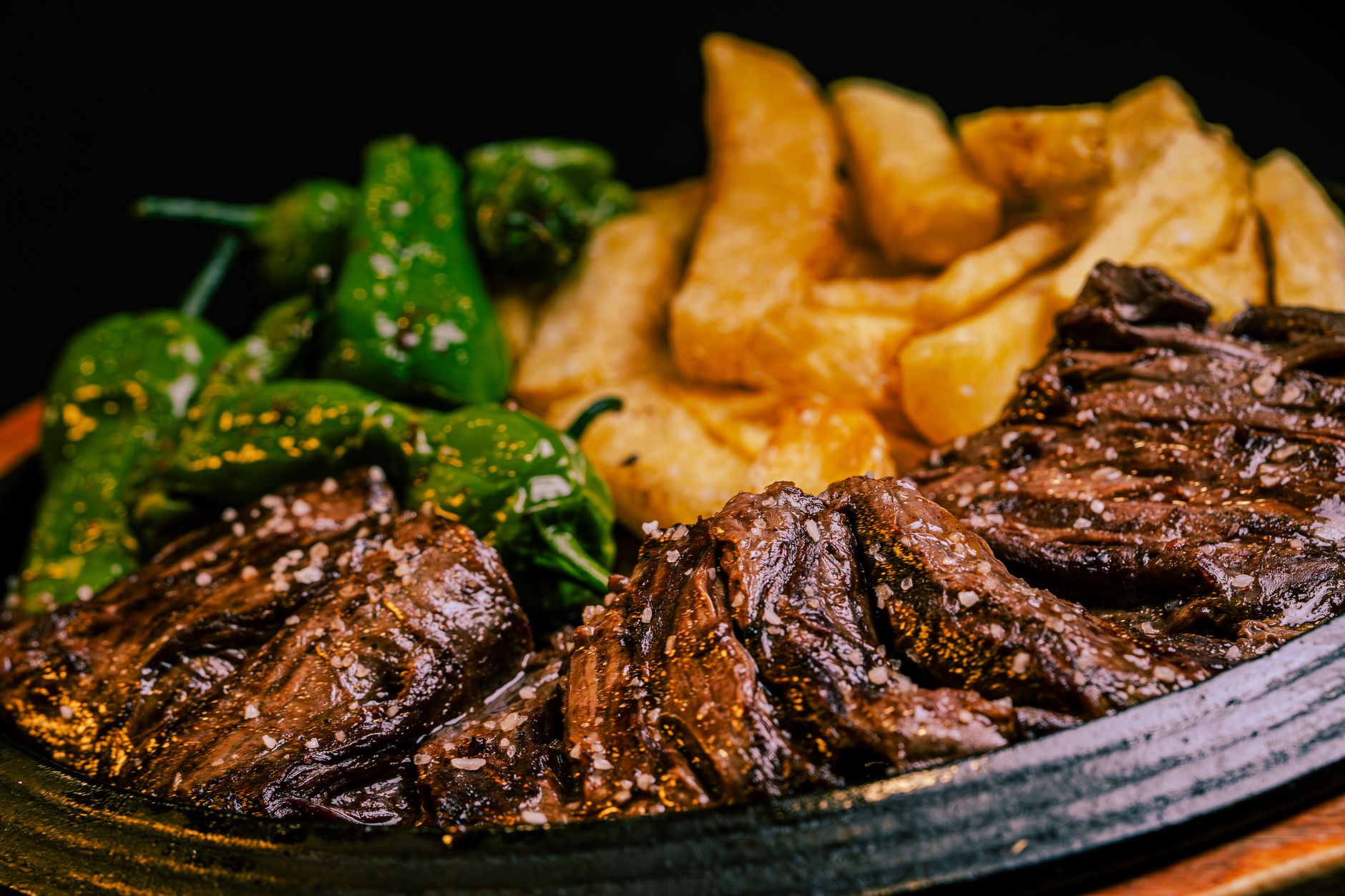
If you’re wondering where to eat in Bilbao, I have good news: it is actually quite difficult to eat badly here. Food is so central to life in Bilbao that eating isn’t something you squeeze in between sightseeing; quite often, it is the sightseeing. I grew up here, and some of my strongest memories of the city involve Sunday rabas, crowded pintxos bars, enormous family lunches and pastries that definitely weren’t designed with calorie counting in mind.
Bilbao is easily one of Spain’s most exciting food destinations. San Sebastian tends to get more international attention, but Bilbao has everything from tiny neighbourhood bars and traditional Basque restaurants to food markets and Michelin-starred restaurants.
The trick isn’t finding one “best restaurant”. It is knowing which kind of place to eat in, and when. This guide will help you do exactly that.

Disclaimer! All of my blogs may contain affiliate links. This means that if you click on the link and make a purchase I may receive a small amount of commission for the referral at no extra cost to you.
What's in this post:
Where to Eat in Bilbao
If you only remember one thing from this article, make it this: don’t eat every meal in the same type of place.
You could spend your entire trip visiting pintxos bars and eat extremely well, but you would miss a huge part of Bilbao’s food culture. Likewise, booking restaurants for every lunch and dinner means missing the glorious spontaneity of walking into a busy bar, pointing at something delicious and discovering you’ve accidentally ordered your favourite thing of the trip.
My ideal Bilbao food experience mixes pintxos, at least one traditional sit-down meal, a weekday menú del día, a wander through Mercado de la Ribera and, if your budget allows, perhaps one properly special dinner.
If you want to go further into individual dishes, my Bilbao food guide covers exactly what to eat in Bilbao. Here, we’re concentrating on where to find it.
Pintxos bars: best for exploring
Pintxos bars are where I would start, particularly if it is your first time in Bilbao. However, don’t choose one bar and spend the entire evening there.
The local way is to move. Have a drink and one or two pintxos, then wander to the next place. It turns dinner into an evening rather than an appointment. And you get to try several different bars without needing the appetite of a competitive eater.
Plaza Nueva in the Casco Viejo is the easiest starting point. Café Bar Bilbao is great for classics, Sorginzulo for rabas and Gure Toki if you want something more creative.

Traditional Basque restaurants: best for understanding the food
Pintxos get most of the attention, but some of my favourite Basque foods simply don’t belong on a little piece of bread.
This is where you sit down for bacalao al pil pil, kokotxas, chipirones en su tinta, txuleta, hake in salsa verde and the slow-cooked dishes that have been feeding people here for generations. If pintxos show you Bilbao at its most sociable, traditional restaurants show you its kitchen.
Bikandi Etxea is my favourite hidden gem for this kind of cooking. It is small, unpretentious and exactly the sort of place I love: clay pots, proper sauces and absolutely no need to reinvent something that already works.
Menú del día: best value for lunch
If you’re in Bilbao on a weekday, please have a menú del día at least once.
This isn’t a special tourist lunch deal. It’s simply how a huge number of locals eat. You normally get a first course, second course, dessert, bread and a drink for one fixed price. It is also one of the easiest ways to encounter traditional dishes you might otherwise overlook.
Bikandi Etxea, Monty and Mettxa are good places to start. But this is one occasion where following the office workers at lunchtime is a remarkably effective restaurant-finding strategy.

Mercado de la Ribera: best when everyone wants something different
On the edge of the Casco Viejo, Mercado de la Ribera combines a traditional produce market with places to eat and drink, making it an easy food stop while exploring the Old Town.
I wouldn’t replace your entire Bilbao food experience with a market visit. But it works brilliantly for an informal lunch or when you’re travelling with people who can never agree on what they want. We all know the group. One wants seafood, one wants meat, someone “isn’t very hungry” and then eats half your lunch.
Fine dining: best for a special occasion
Bilbao also does the opposite end of the spectrum extremely well.
If food is a major reason for your trip, there are Michelin-starred and tasting-menu restaurants where Basque ingredients and traditional techniques are taken in much more contemporary directions. They are obviously significantly more expensive than a pintxos crawl or menú del día. But that’s rather the point: you’re paying for an experience rather than simply solving the problem of being hungry.
What Food Is Bilbao Known For?
Bilbao’s food is shaped by its location in the Basque Country: close to the Cantabrian Sea, surrounded by fertile countryside and belonging to a culture that takes ingredients extremely seriously.
Seafood is therefore everywhere. Bacalao, hake, anchovies, squid, spider crab and bonito all appear regularly, while meat lovers should look out for txuleta: enormous bone-in steaks traditionally cooked over fire and usually served considerably rarer than many international visitors expect.
Then, of course, there are pintxos. You’ll find everything from the classic Gilda (anchovy, olive and guindilla pepper) to tortilla, croquetas, txangurro and increasingly elaborate creations that look suspiciously sophisticated for something you are about to eat in two bites.
Traditional cooking tends to let good ingredients do the work. Bacalao al pil pil, for example, uses cod, garlic, chilli and olive oil, with the fish’s gelatin emulsified into the sauce. Hake in salsa verde similarly relies on relatively few ingredients rather than burying excellent fish under twenty competing flavours.
If you’d rather understand why these dishes work than simply eat them, a Basque cooking class in Bilbao is a fun way to get under the skin of the cuisine. You’ll find classes covering everything from pintxos to traditional dishes such as bacalao al pil pil. And it gives you something slightly more useful to take home than another photo of your lunch. It also makes you appreciate quite how much technique can hide behind a dish that appears to contain only a handful of ingredients.
Seasonality matters too. Marmitako, a bonito and potato stew traditionally associated with Basque fishermen, makes most sense during tuna season. In winter, heavier dishes such as alubias (beans) and stews start looking considerably more appealing.
And please leave room for something sweet. Bollo de mantequilla is quintessentially Bilbao, while pantxineta, torrija and the rather spectacularly shaped Carolina are also worth finding. Basque cheesecake originates from neighbouring San Sebastian, but thankfully nobody is checking your passport before allowing you to eat one in Bilbao.

What Are the Best Areas to Eat in Bilbao?
There isn’t one restaurant district that beats everything else. Different parts of Bilbao, Spain offer quite different food experiences, which is why I would deliberately eat in several neighbourhoods during your visit.
Casco Viejo and Plaza Nueva: best for your first pintxos crawl
If this is your first visit, start here.
Bilbao’s Casco Viejo is packed with bars, restaurants and bakeries, while Plaza Nueva gives you an almost comically convenient concentration of good pintxos bars around one square. It is touristy, yes, but locals eat here too, and that distinction matters.
Café Bar Bilbao is one of my favourite places for traditional pintxos and a very easy first stop. Cross the square to Sorginzulo for rabas, then try Gure Toki for something more contemporary. The important part is to keep moving rather than declaring the first decent tortilla you encounter your home for the evening.
Café Bar Bilbao
Plaza Nueva, 6, 48005 Bilbao
Get Directions: Google Maps
Sorginzulo
Plaza Nueva, 12, 48005 Bilbao
Get Directions: Google Maps
Gure Toki
Plaza Nueva, 12, 48005 Bilbao
Get Directions: Google Maps

The Seven Streets: best for old-school Bilbao
Move away from Plaza Nueva into the Siete Calles and the Old Town becomes more interesting.
This is where I would wander rather than obsessively follow a restaurant list. Some of Bilbao’s pleasure comes from spotting a busy bar, looking at what everyone else is eating and deciding you want one too.
For a proper meal, Rio-Oja is exactly the sort of restaurant I want in this part of town. Think albóndigas, stews and hearty cooking rather than tiny edible flowers being positioned with tweezers. Los Fueros is another excellent option, combining plenty of history with traditional dishes that have been given just enough of a modern touch.
Rio-Oja
Calle del Perro, 4, 48005 Bilbao
Get Directions: Google Maps
Los Fueros
Fueros Kalea, 6, 48005 Bilbao
Get Directions: Google Maps
Mercado de la Ribera: best for an easy food stop while sightseeing
The Mercado de la Ribera sits beside the river at the southern end of the Casco Viejo, so it is very easy to incorporate into a day of sightseeing rather than making a special journey purely to eat there.
The market itself is worth seeing, particularly if you enjoy understanding the ingredients behind a city’s food. The gastro area then gives you the chance to stop for pintxos and drinks without committing to a formal meal.
It also fits very neatly into a walking itinerary through the Old Town. If you’re planning the rest of your day, my guide to things to do in Bilbao will help you connect your food stops with the sights rather than zigzagging unnecessarily across town.
Mercado de la Ribera
Erribera Kalea, s/n, 48005 Bilbao
Get Directions: Google Maps

Ensanche and Abando: best for good food without the Old Town crowds
Cross into the newer city and Bilbao’s food scene changes. There are still plenty of pintxos bars, but the atmosphere is generally less concentrated than Plaza Nueva and better suited to mixing casual stops with proper sit-down meals.
One of my favourites here is El Globo, particularly for its txangurro pintxo. Café Iruña is another Bilbao institution and worth visiting for the building alone, although its pinchos morunos are the real reason I keep sending people there.
Then there is La Viña del Ensanche, which has been part of Bilbao since 1927. This is a particularly good choice when you care about excellent produce but don’t necessarily want the ceremony of fine dining. Their tortilla is also reliably excellent, which is information I consider considerably more useful than most restaurant awards.
Another one worth knowing about is Bassko, particularly if you happen to be in Bilbao on a Wednesday. It specialises in home-style cooking using local ingredients and offers a menú del día, but Wednesday is alubiada day: essentially an excuse to sit down to a very traditional, very substantial bean-based lunch. If you’re looking for the sort of meal people actually eat here rather than another round of photogenic pintxos, this is a good one to know about.
El Globo
Diputazio Kalea, 8, 48008 Bilbao
Get Directions: Google Maps
Café Iruña
Colón de Larreátegui Kalea, 13, 48001 Bilbao
Get Directions: Google Maps
La Viña del Ensanche
Diputazio Kalea, 10, 48008 Bilbao
Get Directions: Google Maps
Bassko
Ledesma Kalea, 4, 48001 Bilbao
Get Directions: Google Maps

Indautxu: best for eating where locals actually go out
Indautxu is one of the areas I think visitors underuse.
It doesn’t have the instant visual appeal of the Casco Viejo, but that’s partly the attraction. Around Licenciado Poza and Maestro García Rivero you’ll find a huge concentration of bars and restaurants used by people who actually live in Bilbao.
Asador Indusi is a good choice for traditional Basque cooking, particularly if you’re craving txuleta, kokotxas or grilled fish. This is also an excellent neighbourhood for simply joining the crowds and seeing where the evening takes you.
If you want something a little more contemporary, Mio Basque is a recommendation that came directly from Ane at Bilbao Turismo. It describes what it does as Basque Urban Food, which is actually a pretty good summary: local and seasonal produce, recognisably Basque cooking, but presented in a more modern way. It’s a good middle ground if you want something more polished than an old-school neighbourhood restaurant without committing to a tasting menu or Michelin-starred dinner.
Asador Indusi
Maestro García Rivero Kalea, 7, 48011 Bilbao
Get Directions: Google Maps
Mio Basque Urban Food
García Rivero Maisuaren Kalea, 6, 48011 Bilbao
Get Directions: Google Maps
Around the Guggenheim Bilbao: best for combining sightseeing with a special lunch
The area surrounding the Guggenheim Bilbao naturally attracts visitors, but that doesn’t mean you need to accept mediocre museum-adjacent food.
In fact, the museum itself is associated with one of Bilbao’s best-known fine-dining restaurants, Nerua. If you’re looking for a tasting-menu experience, combining the Guggenheim with a long lunch can turn one of your sightseeing days into something much more memorable.
For something more traditional and considerably less formal, Markina is a great option just a few minutes’ walk from both the Guggenheim and the Museum of Fine Arts. It specialises in Basque cooking, particularly grilled meats and fish, and is a particularly good choice if you want to try a proper txuletón without turning lunch into a fine-dining experience.
If neither appeals, don’t assume you need to eat directly beside the museum. Bilbao’s centre is compact, and a ten or fifteen-minute walk towards Ensanche opens up even more options, including El Globo, Café Iruña and La Viña del Ensanche.
Markina
Henao Kalea, 31, 48009 Bilbao
Get Directions: Google Maps
Guggenheim Bilbao / Nerua
Abandoibarra Etorbidea, 2, 48009 Bilbao
Get Directions: Google Maps

Artxanda: best for txuleta with a view
If you want to make lunch an outing, go up Artxanda.
Txakoli Simón is one of those places where the whole experience works together. Head up above Bilbao, order txakoli and a proper txuleta, and enjoy being somewhere that feels completely different from the busy streets below.
It is especially good if you’ve already spent a couple of days eating around the centre and want something that feels like an excursion without actually travelling very far.
Txakoli Simón
Camino San Roque, 89, 48015 Bilbao
Get Directions: Google Maps
Where Should You Eat Pintxos in Bilbao?
If you want good pintxos, I would split your time between Plaza Nueva, Ensanche and Indautxu rather than doing every crawl in the Casco Viejo.
For a first evening, Plaza Nueva is hard to beat because everything is so close together. Start at Café Bar Bilbao, try Sorginzulo and Gure Toki, then wander into the Seven Streets.
On another day, try El Globo, La Viña del Ensanche, Monty and Cork. You’ll see a different side of the city and, more importantly, avoid making the classic visitor mistake of assuming Bilbao ends when you cross the river from the Old Town.
My full guide to the best pintxos bars in Bilbao goes into individual bars and what I would actually order in each, because choosing the right pintxo is at least as important as choosing the bar.
If it’s your first time in Bilbao and the idea of walking into a packed bar and confidently ordering pintxos feels slightly intimidating, this is also one occasion where I think a Bilbao pintxos tour is genuinely worth paying for. A good tour isn’t simply about taking you to several bars; it gives you the context behind what you’re eating, teaches you how to order and helps you understand the whole pintxos ritual. Do one early in your trip and you’ll be much more confident exploring the bars independently afterwards.

Where Should You Eat Traditional Basque Food in Bilbao?
For proper sit-down Basque cooking, Bikandi Etxea is my hidden-gem recommendation.
It isn’t polished for tourists and that’s precisely why I like it. You’ll find clay cazuelas, kokotxas with clams, chipirones in their ink and the kind of sauces that clearly haven’t been made five minutes before arriving at your table.
Rio-Oja is another strong option if you want stews, raciones and proper comfort food, while Gure Kabi is a good all-round choice for traditional Basque cooking without turning lunch into a special-occasion event. It has been around since 1986 and serves everything from a weekday menú del día to classic Basque dishes, with seasonal ingredients and the occasional more modern touch.
If steak is specifically what you’re after, Amaren is another option in the city, while Txakoli Simón turns txuleta into more of an excursion.
Bikandi Etxea
Allende Particular Kalea, 5, 48004 Bilbao
Get Directions: Google Maps
Gure Kabi
Estrauntza Kalea, 4, 48011 Bilbao
Get Directions: Google Maps
Is Mercado de la Ribera Worth Eating At?
Yes, but I wouldn’t make it your only pintxos experience.
Mercado de la Ribera is convenient, fun and particularly useful for groups who want different things. It also lets you see the produce side of Bilbao’s food culture rather than encountering everything after it has reached your plate.
However, if you have only one evening for pintxos, I would choose a proper bar crawl through Plaza Nueva and the surrounding streets instead. The market is something I would incorporate into a day exploring the Casco Viejo or Bilbao La Vieja rather than treat as the definitive Bilbao food experience.

Are There Michelin-Starred Restaurants in Bilbao?
Yes. Bilbao has a serious fine-dining scene, and the wider Basque Country is internationally famous for high-end gastronomy.
For visitors, the important question isn’t really whether you should eat at a Michelin-starred restaurant. You absolutely don’t need to spend that sort of money to eat brilliantly in Bilbao. Some of the meals that feel most representative of the city cost a fraction of a tasting menu.
But if you genuinely enjoy fine dining, this is an excellent place to splash out.
Restaurants such as Mina and other Michelin-starred addresses use tasting menus to reinterpret Basque ingredients and cooking traditions in a much more contemporary way. Expect several courses, seasonal ingredients, carefully considered wine pairings and a meal that becomes the main event of the evening rather than something you do before it.
My preference would be to book one high-end experience and spend the rest of the trip eating more casually. That contrast is actually one of the things I love about eating here: lunch can be a completely unpretentious menú del día and dinner can be Michelin starred, yet both belong completely naturally in Bilbao.
Where Should You Eat Near the Guggenheim Bilbao?
Don’t panic and eat at the first restaurant you see outside the museum.
If you want a special meal, the Guggenheim area gives you access to Bilbao’s refined dining scene. If you simply want good food, walk ten minutes towards Ensanche and suddenly places such as El Globo, Café Iruña and La Viña del Ensanche become realistic options.
That’s how I would plan most sightseeing days in Bilbao. Don’t build the itinerary around restaurants that happen to sit beside attractions; Bilbao is walkable enough to build the food into the route.
The same applies when choosing accommodation. My guide to where to stay in Bilbao Spain explains which neighbourhoods work best, but if food is a priority, Casco Viejo, Ensanche and Indautxu all make excellent bases.

Where Can You Eat Cheaply in Bilbao?
Bilbao isn’t Spain’s cheapest city, but eating well doesn’t require a Michelin budget.
For lunch, look for a menú del día. It gives you several courses for a fixed price and is almost always better value than ordering individually from the carta.
Pintxos can also be relatively inexpensive if you eat the local way rather than attempting to turn one bar’s entire counter into dinner. One pintxo and one drink, move on, repeat. This has the additional advantage of giving you an evening’s entertainment while you eat.
For something fast, Huba does excellent traditional bocadillos, while El Eme next door is a Bilbao institution famous for its triangular sandwiches. I know this may constitute local sacrilege, but I prefer Huba. El Eme uses far too much mayonnaise for me, and childhood mayonnaise trauma apparently has no expiry date.
How Would I Plan a Day of Eating in Bilbao?
If I were planning your food stops, I wouldn’t make reservations for everything. Bilbao is much more enjoyable when you leave some room for appetite and spontaneity.
Start with coffee and a bollo de mantequilla. At lunchtime on a weekday, have a menú del día somewhere busy with locals. Spend the afternoon sightseeing and, should your energy mysteriously dip around 5pm, embrace merienda. This is not greed. This is cultural immersion.
Then spend your first evening moving through pintxos bars, ideally around Plaza Nueva and the Casco Viejo.
On another evening, sit down for traditional Basque cooking. If fine dining matters to you, save a third night for one of Bilbao’s starred restaurants.
Most importantly, don’t spend the whole trip chasing somebody else’s list of “best” restaurants. Look around. If a bar is busy, the food looks good and you’re surrounded by people speaking Spanish or Euskera, you’ve probably done rather well.

So, Where Is the Best Place to Eat in Bilbao?
There isn’t one, and anyone giving you a single answer is making Bilbao considerably simpler than it deserves to be.
For pintxos, start around Plaza Nueva but explore beyond it. For traditional Basque cooking, seek out restaurants such as Bikandi Etxea, Rio-Oja and Asador Indusi. Use Mercado de la Ribera for an informal lunch, eat a menú del día during the week, and consider a Michelin-starred tasting menu if food is one of the main reasons you’re visiting.
But more than anything, eat in several different ways.
Bilbao’s food culture isn’t defined by one famous dish, restaurant or chef. It’s the Sunday plate of rabas, the tortilla argument nobody will ever win, the three-course weekday lunch, the pintxo you ordered because the person beside you had one, and the bar you discovered because you were walking somewhere else.
That’s what makes deciding where to eat in Bilbao so much fun.
And if you leave with very strong opinions about tortilla, congratulations. You’re doing Bilbao properly.

Comments will load here
Be the first to comment