
The Blog

Best Places to Visit in Europe in November (That Aren’t All About Christmas Markets)
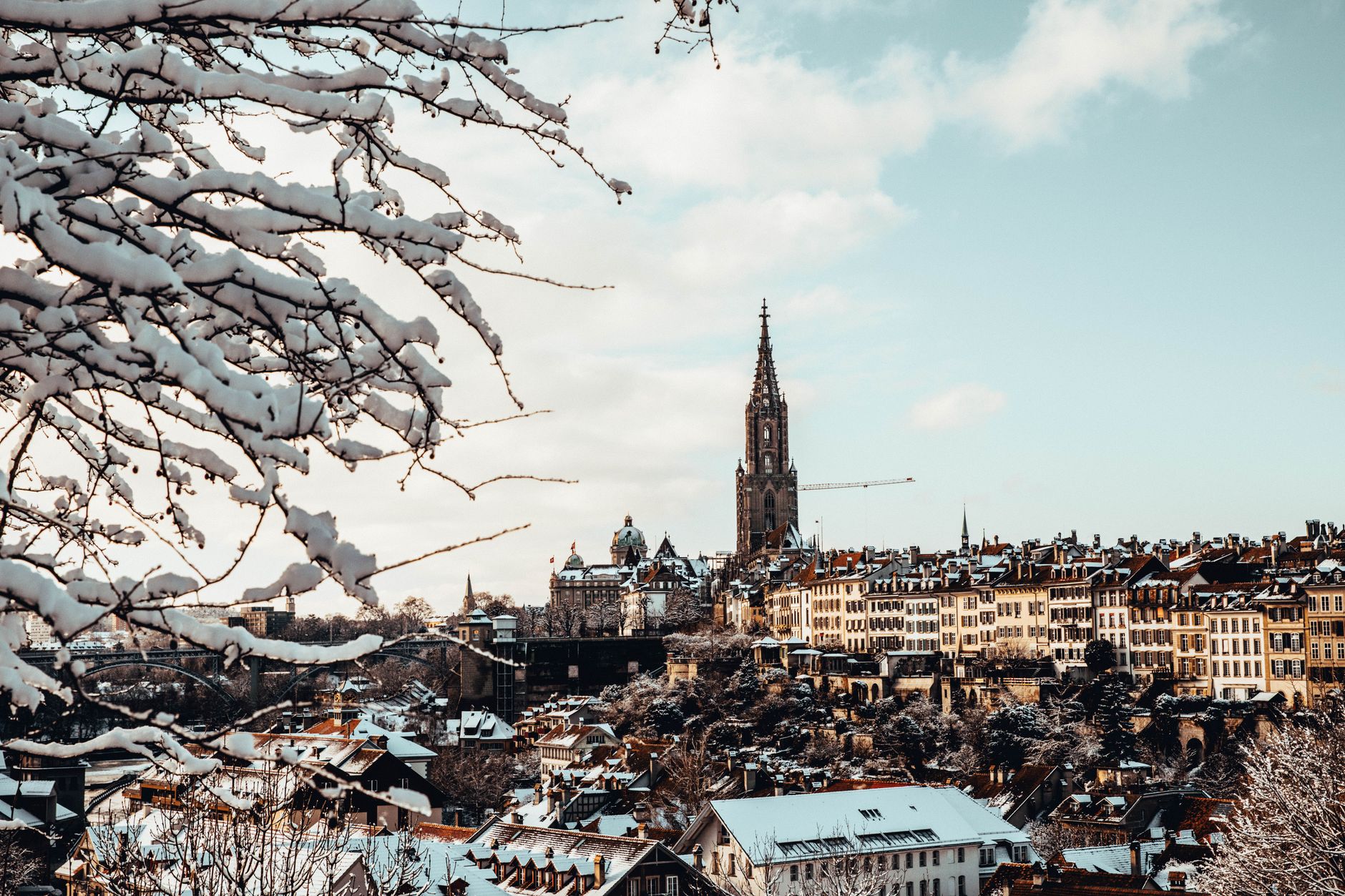
If you’re looking for the best places to visit in Europe in November and wondering whether it’s even worth travelling at that time of year, I have some good news: it absolutely can be.
November is a funny old month for European travel. Autumn has packed up in much of the continent, Christmas hasn’t quite arrived, and the days are getting noticeably shorter. But that awkward in-between period can actually work in your favour. Prices drop, queues disappear and cities that spend summer groaning under the weight of tourism suddenly feel like places where people actually live again.
The trick is choosing the right destination.
I wouldn’t plan a November trip around long evenings on a Croatian island or hiking high in the Alps and simply hope the weather cooperates. Instead, I’d choose somewhere where November actually adds something: southern cities that are finally cool enough to explore properly, places where food and culture matter more than sunshine, landscapes transformed by the changing season, or destinations where winter is the entire point.
And if you really do want sunshine? Europe hasn’t completely given up on that either.
Here are the European destinations I would genuinely consider for a November trip, depending on whether you want warmth, food, hiking, culture, wildlife or your first proper taste of winter.

Disclaimer! All of my blogs may contain affiliate links. This means that if you click on the link and make a purchase I may receive a small amount of commission for the referral at no extra cost to you.
What's in this post:
The Best Places to Visit in Europe in November at a Glance
| Destination | Best For | Typical November Weather | November Advantage |
|---|---|---|---|
| Seville, Spain | Food & city breaks | Mild, around 12–21°C | Comfortable sightseeing |
| Basque Country, Spain | Food & local culture | Cool and changeable | Fewer visitors |
| Madeira, Portugal | Hiking & nature | Mild, around 17–22°C | Green landscapes year-round |
| Malta | History & winter sun | Mild, around 15–21°C | Sightseeing without summer heat |
| Cyprus | Late sunshine & road trips | Mild, around 13–23°C | One of Europe’s warmest options |
| Rome, Italy | History & food | Cool-mild, around 9–18°C | Far fewer crowds |
| Budapest, Hungary | Spas & city breaks | Cold, around 3–10°C | Thermal-bath weather |
| Transylvania, Romania | Castles & slow travel | Cold, around 0–10°C | Atmospheric and quiet |
| Tromsø, Norway | Northern Lights | Cold, around -4–2°C | Polar night begins |
| Vienna, Austria | Culture & early Christmas | Cold, around 3–9°C | Christmas markets begin late month |
1. Seville, Spain: For Exploring Andalusia Without Melting
Some places in Europe are at their absolute best in summer. Seville is definitely not one of them. Wandering around one of Europe’s most beautiful cities while temperatures push towards 40°C is less “romantic Spanish city break” and more “strategic movement between patches of shade.” November, by comparison, is wonderfully civilised.
Temperatures are usually mild enough for long days exploring on foot, while evenings can feel surprisingly cool. More importantly, you can actually appreciate places such as the Real Alcázar, Plaza de España and the winding streets of Santa Cruz without organising your entire day around air conditioning.
Why Visit Seville in November?
November falls firmly outside Seville’s busiest season, making this a particularly good month if your priorities are food, architecture and atmosphere rather than guaranteed sunshine. There is still plenty of life in the streets, but the experience feels considerably less frantic than during spring or the peak summer holiday period.
It is also exactly the sort of city where slightly unpredictable weather doesn’t ruin the trip. If it rains, disappear into a tapas bar. If the sun comes out, sit outside with a cold beer. If it does both within twenty minutes, congratulations: you have successfully visited Europe in November.
Allow at least two or three full days for Seville itself, particularly if you want time to eat rather than simply march between monuments. Córdoba, Cádiz and the pueblos blancos also make excellent additions if you have longer and want to turn your visit into an Andalusian road trip.
Best for: Food, architecture, couples and city breaks
Good to know: November can bring rain, so pack a light waterproof rather than assuming southern Spain means guaranteed sunshine.

2. The Basque Country, Spain: For Proper Autumn Food
I grew up in the Basque Country, so I will happily recommend it in almost any month, but November is when some of the food I associate most with home starts coming into its own. The lighter dishes of summer give way to bowls of alubias, slow-cooked meats, mushrooms, chestnuts and the sort of hearty food you actively want after coming in from the rain.
And rain is certainly possible. This is northern Spain, not the Costa del Sol, and there is a reason everything is so green. But the Basque Country is unusually well suited to questionable weather because so much of what makes it special revolves around food, markets, bars and restaurants rather than lying on a beach.
Autumn is also an important season for local produce. Markets fill with mushrooms, chestnuts, apples, pears, potatoes and beans, while game starts appearing more frequently on menus. If you can get to Tolosa, this is exactly the time of year to try its famous alubias de Tolosa: dark beans traditionally served with accompaniments such as cabbage, morcilla and chilli peppers.
Why Visit the Basque Country in November?
For me, November is a month to lean into the Basque Country rather than fight against the weather. Spend the morning exploring Bilbao or San Sebastián, then disappear into a pintxo bar when the rain starts. Better still, find somewhere serving a huge plate of alubias and accept that your sightseeing productivity may deteriorate considerably afterwards.
It is also a lovely time to head beyond the cities. Getaria is wonderful for seafood and txakoli, while the dramatic coastline around Zumaia is worth exploring whenever the weather allows. Inland, places such as Tolosa become particularly interesting at this time of year because autumn produce and traditional dishes are much more visible in markets and restaurants.
A car gives you considerably more freedom once you leave the cities. Public transport between Bilbao and San Sebastián is straightforward, but some of the best villages, markets and rural restaurants are much easier to reach when you aren’t planning your day around bus timetables.
Best for: Food, local culture, road trips and travellers who don’t mind a bit of rain
Good to know: Pack waterproof layers and arrive hungry. November is not the month to come to the Basque Country planning to survive on salad.

3. Madeira, Portugal: For Hiking Without the Summer Crowds
If you want to spend your November holiday outdoors without packing crampons or developing an intimate relationship with thermal underwear, Madeira is one of the strongest options in Europe. Its subtropical climate means temperatures remain relatively mild throughout the year, while the island’s dramatic mountains make it feel far more adventurous than your average winter-sun escape.
One of the biggest reasons I would choose November is hiking. Pico do Areeiro at sunrise has become one of Madeira’s most famous experiences, particularly since Instagram discovered the dramatic PR1 ridge that is often nicknamed the “Stairway to Heaven.” In summer, it can feel like half the island had exactly the same idea. November is generally much quieter, so you have a better chance of enjoying those ridiculous mountain views without doing them in a slow-moving queue.
PR1 itself runs between Pico do Areeiro and Pico Ruivo through Madeira’s central mountain massif, although access can change because of weather, landslides and maintenance. From 2026, Madeira’s official PR hiking trails also require advance reservations for a specific entry slot, so this is one walk you should check and book before turning up.
Is Madeira Warm in November?
Usually, yes, but this needs a little context. Madeira can feel pleasantly warm around the coast, particularly when the sun appears, but conditions change quickly with altitude. You can leave Funchal in a T-shirt and find yourself standing above the clouds at Pico do Areeiro wondering why you didn’t bring another layer.
That variability is part of travelling in Madeira. I wouldn’t arrive with a rigid seven-day itinerary based entirely around particular hikes. Keep an eye on the mountain weather and current trail status and move things around when necessary, especially if Pico do Areeiro is high on your list.
November also works well if you want a mixture of activity and relaxation. Spend a day hiking, another exploring Funchal, then hire a car and drive around the island stopping at viewpoints, villages and natural pools. It is compact enough to explore without spending half your holiday behind the wheel.
Best for: Hiking, nature, active holidays and road trips
Good to know: A hire car makes exploring far easier, but Madeira’s roads can be steep and winding. This is not the destination to discover that hill starts terrify you.

4. Malta: For History Without the Summer Heat
Malta in July and Malta in November are almost two different destinations. During summer, temperatures soar and many of the country’s archaeological sites and fortified cities offer very little shade. November removes that problem almost entirely, making it much easier to explore properly.
Valletta is an obvious starting point, but Malta rewards anyone willing to look beyond the capital. Mdina is beautiful once the day-trippers disappear, while the Three Cities offer some of the island’s most interesting history without feeling like one enormous visitor attraction.
Is Malta Worth Visiting in November?
Absolutely, provided you aren’t booking it specifically for a beach holiday. You may get sunny days warm enough to sit outside comfortably, but November is not the month I would choose if swimming and sunbathing were non-negotiable.
Instead, come for history, food and exploration. Malta has prehistoric temples, enormous fortifications and layer upon layer of Phoenician, Roman, Arab, Knights of St John and British influence. It is one of those places where you realise fairly quickly that the tiny island on the map contains an absurd amount of history.
November is also far more comfortable for walking around Valletta’s steep streets and exploring archaeological sites. Add a day on Gozo if you have time; the smaller island feels more rural and gives you a useful contrast to Valletta and the busier parts of Malta.
Best for: History, culture and mild-weather city breaks
Good to know: November is wetter than summer and storms do happen, so build some flexibility into your plans.

5. Cyprus: For Some of Europe’s Best November Sunshine
If the phrase “November holiday” still needs to involve sunshine, Cyprus deserves serious consideration. Sitting far into the eastern Mediterranean, it remains considerably warmer than much of mainland Europe and is one of the better bets for travellers trying to delay winter for another week.
That doesn’t mean you should expect August conditions. November weather can be changeable and evenings are cooler, but daytime temperatures are often ideal for exploring. For me, that is far more appealing than trying to visit archaeological sites when the ground appears to be radiating heat directly through your shoes.
What Can You Do in Cyprus in November?
This is an excellent time for a Cyprus road trip. Combine archaeological sites and coastal towns with villages in the Troodos Mountains, where the landscape and temperatures feel completely different from the coast.
Paphos works particularly well for first-time visitors because you can combine ancient sites with coastal walks and day trips inland. The Tombs of the Kings and Paphos Archaeological Park are far more enjoyable when you can explore without constantly calculating the distance to the next patch of shade.
November is also a good reminder that Cyprus is much more than resort hotels. Head inland and you find mountain villages, wineries and traditional tavernas that feel a long way from the package-holiday image of the island.
Best for: Winter sun, archaeology, road trips and couples
Good to know: A car opens up considerably more of Cyprus, although remember that driving is on the left.

6. Rome, Italy: For Seeing the Big Sights Without Quite So Many People
Rome is never empty. You are not going to arrive at the Trevi Fountain in November and find yourself alone except for one elderly Italian gentleman reading a newspaper. But compared with peak season, November can feel positively manageable, and that makes a huge difference in a city where so many of the major sights are permanently busy.
One of the things I loved most when I visited was doing a walking tour with a guide. Rome is one of those cities where you can look at an ancient ruin and think, “yes, very impressive,” but once someone tells you the stories behind it, suddenly the whole place comes alive. There is so much history layered on top of itself that having someone explain what you are actually looking at completely changes the experience. And the best part about that is that there are no end of free walking tours depending on the vibe you like most.
Is November a Good Time to Visit Rome?
For sightseeing, I think it is one of the more underrated times to go. Temperatures are generally comfortable for walking, accommodation can be cheaper than during peak periods and you have a better chance of exploring without quite so much tourist traffic.
That cooler weather also makes walking tours far more enjoyable. Rome is a city you need to experience at street level, wandering between piazzas, fountains, churches and ruins rather than simply ticking off individual attractions. In summer, several hours of walking can become an endurance sport. In November, it is much easier to slow down and actually listen to the stories.
The other thing I would absolutely recommend is a food tour in Trastevere. This was another highlight for me, and it is such a good way to experience the city beyond the obvious sights. You get to try Roman staples while learning about the neighbourhood itself, and November is perfect for heavier dishes like carbonara, amatriciana and cacio e pepe, which somehow feel much more appropriate when it is not 36°C outside.
There is a trade-off: rain. November is one of Rome’s wetter months, so your photos may contain the occasional umbrella. Fortunately, this is Rome. There are churches, museums, cafés and enough food to keep you occupied for approximately seventeen lifetimes.
Best for: History, food, first-time visitors and off-season city breaks
Good to know: Major attractions still need advance booking. “Off season” does not mean turning up at the Vatican Museums at 11am and hoping everyone else forgot about them.

7. Budapest, Hungary: For Thermal Baths When You Actually Want to Be in Hot Water
There are thermal baths that are lovely at any time of year, and then there are thermal baths when it is five degrees outside. Suddenly the steam rising from the water makes considerably more sense.
Budapest is one of my favourite types of November city break because colder weather actually improves part of the experience. Spend your days exploring both sides of the Danube, then warm up in one of the city’s historic thermal baths without feeling as though you have accidentally climbed into a giant bath during a heatwave.
Why Visit Budapest in November?
November sits between Budapest’s busy summer season and its Christmas period. Early in the month especially, you can experience the city before festive tourism really gets going.
The Hungarian Parliament Building, Fisherman’s Bastion and Buda Castle are obvious highlights, but leave time for the city’s cafés, markets and neighbourhoods too. Budapest is extremely good at indoor activities, which becomes increasingly important when daylight hours shorten.
The thermal baths are the biggest seasonal advantage. Széchenyi is the famous one, with large outdoor pools surrounded by neo-Baroque buildings, while Gellért is known for its beautiful Art Nouveau interior. Whichever you choose, walking outside in swimwear in November feels deeply questionable for approximately twelve seconds. Then you get into the water.
Best for: Couples, thermal spas, food and affordable city breaks
Good to know: Temperatures can drop sharply, particularly towards the end of November. Bring a proper coat rather than attempting to survive on optimism and a cardigan.

8. Transylvania, Romania: For Castles, Mountains and Absolutely No Need for Halloween
Transylvania tends to get dragged into every Halloween article ever written, which is slightly unfair to a region that has considerably more going for it than Dracula-themed souvenirs.
By November, the autumn colours are fading, temperatures are dropping and the first snow may begin appearing at higher elevations. That means this is not the month I would choose for serious mountain hiking. It is, however, an atmospheric time for exploring medieval towns, fortified churches and castles without the crowds of summer.
Where Should You Visit in Transylvania in November?
Brașov makes an excellent base, with a beautifully preserved historic centre and easy access to several of the region’s best-known sights. Bran Castle is the obvious excursion, although its connection with Vlad the Impaler is considerably more tenuous than the marketing would have you believe.
I would also make time for places that have nothing to do with Dracula. Sibiu is one of Romania’s loveliest cities, while Sighișoara’s medieval centre feels particularly atmospheric once the summer tour groups disappear. Smaller villages and fortified churches give you an even better sense of Transylvania beyond its headline attractions.
A road trip gives you the greatest freedom, but November conditions matter. Mountain roads can be affected by snow and some scenic routes, including the famous Transfăgărășan, are seasonal. Plan around the conditions you actually have rather than the road-trip photographs you saw on Instagram.
Best for: Castles, history, photography and atmospheric road trips
Good to know: Expect short days and cold evenings. November here feels like the beginning of winter, not an extended autumn.

9. Tromsø, Norway: For Northern Lights and the Beginning of Polar Night
At this point we can stop pretending November needs to be warm.
Tromsø sits well above the Arctic Circle and offers one of the most dramatic seasonal experiences on this list. By late November, the sun no longer rises above the horizon, marking the beginning of polar night. That sounds rather bleak written down, but the reality is not twenty-four hours of pitch-black darkness.
Instead, you get hours of blue twilight, snow-covered landscapes and, with the right conditions, the possibility of seeing the Northern Lights.
Is November a Good Month for the Northern Lights in Tromsø?
It can be excellent. November offers long hours of darkness, which gives you plenty of opportunity for aurora hunting. But the Northern Lights are a natural phenomenon, not a theatre performance, and no tour operator can switch them on because you have paid for an excursion.
Cloud cover matters just as much as solar activity. This is why organised aurora tours often drive considerable distances looking for clearer skies rather than simply standing outside Tromsø and staring upwards hopefully.
November also brings opportunities for winter activities, although what is available depends on snow conditions. Whale-watching trips are another major draw around this time, with orcas and humpback whales following herring into the fjords of northern Norway.
This is not a cheap November escape, but it offers something completely different from almost everywhere else on this list.
Best for: Northern Lights, Arctic landscapes and bucket-list trips
Good to know: Pack for genuinely cold weather and leave several nights for aurora viewing rather than gambling everything on one evening.

10. Vienna, Austria: For the Start of Christmas Season and the Spanish Riding School
I actually visited Vienna in November for a wedding, and it turned out to be a brilliant time to be there. The city was just beginning to slip into Christmas mode, with the first markets opening and festive lights appearing, but it still felt like Vienna rather than one enormous Christmas attraction.
My favourite experience, though, had nothing to do with mulled wine. It was seeing a performance at the Spanish Riding School. Watching the Lipizzaner horses perform inside the Winter Riding School was one of those experiences that felt completely unique to Vienna, and I would recommend it even if you have no particular interest in horses.
When Do Vienna’s Christmas Markets Start?
Dates vary each year, but many of Vienna’s main Christmas markets usually begin opening from mid-November onwards. That makes the second half of the month especially appealing if you want a festive atmosphere without travelling right in the middle of December.
Even without the markets, Vienna works exceptionally well in November. The city has world-class museums, grand coffee houses, palaces and enough cake to make bad weather seem like an administrative detail. Schönbrunn Palace, the Kunsthistorisches Museum and Belvedere are all easy additions to a colder-weather itinerary.
If you want to see the Spanish Riding School, check the performance schedule before booking your trip because full performances do not run every day. There are also morning exercises and other visits, but I would choose a proper performance if the dates line up.
Best for: Culture, horses, museums, couples and early Christmas atmosphere
Good to know: Aim for the second half of November if the Christmas markets matter to you, and book the Spanish Riding School in advance if you want a performance rather than just a visit.

Where Is Warmest in Europe in November?
If warmth is your priority, look south, and ideally quite a long way south.
The Canary Islands are generally the strongest option if you want genuinely warm European weather in November, with daytime temperatures often reaching the low to mid-20s. Cyprus is another excellent choice, while Madeira offers mild conditions particularly suited to hiking and sightseeing.
Malta and southern Spain can also be pleasantly warm, but I wouldn’t describe either as guaranteed beach weather. You might spend lunch outside in sunshine one day and reach for a waterproof the next.
That is the biggest mistake people make when searching for winter sun in Europe: confusing “warmer than home” with “summer”.
If lying beside a pool in reliable 28°C heat is the entire purpose of your holiday, November may be the point when you need to look beyond continental Europe. But if you want sunshine while exploring, hiking or eating outside at lunchtime, southern Europe still has plenty to offer.
Where Is Best for a European City Break in November?
For a classic city break, I would choose based on how much cold weather bothers you.
Seville is my pick if you want mild temperatures and plenty of outdoor sightseeing. Rome combines manageable weather with substantially fewer visitors than summer, while Budapest works brilliantly if you actively like the idea of cold streets followed by steaming thermal baths.
Vienna becomes increasingly appealing towards the end of the month as its festive season begins, whereas Bilbao and San Sebastián are better for travellers whose holidays tend to revolve around deciding what to eat next.
The big advantage across all of them is that November encourages slower city breaks. You aren’t trying to cram sightseeing into sixteen hours of daylight simply because you can. See something interesting, have lunch, explore another neighbourhood, find a bar and repeat tomorrow. It is not a terrible system.

Is November a Cheap Month to Travel in Europe?
It can be one of the best-value months of the year, but there are exceptions.
In many European destinations, November falls squarely between the autumn shoulder season and Christmas. That can mean cheaper flights and accommodation, particularly in cities that rely heavily on summer tourism.
The second half of the month becomes more complicated. Christmas markets begin opening and weekend prices can rise quickly in popular festive destinations such as Vienna.
Northern Lights destinations are another exception. Tromsø may be dark in November, but it certainly isn’t undiscovered, and accommodation and activities can be expensive.
For the best value, I would look at southern European cities, Central and Eastern Europe and destinations that normally receive most of their visitors between May and September. Travel midweek if possible and compare accommodation prices before booking flights. A €35 flight is considerably less exciting when every vaguely decent hotel costs €250 a night.
What Should You Pack for Europe in November?
Packing for Europe in November depends enormously on where you are going. Someone heading to Cyprus has very different problems from someone standing beside a Norwegian fjord waiting for the Northern Lights.
For southern Europe, layers are usually the answer. Bring a light waterproof jacket, comfortable shoes and something warmer for evenings. Even destinations that reach 20°C during the afternoon can feel chilly once the sun disappears.
For Central and Eastern Europe, I would bring a proper coat, warm layers and waterproof footwear. By November, cold rain is often more uncomfortable than dramatically low temperatures.
Northern Scandinavia requires actual winter clothing: thermals, insulated outerwear, gloves, a hat and footwear designed for cold conditions. This is not the moment to discover that the boots you bought because they looked outdoorsy are mainly designed for walking between coffee shops.

Is November a Good Time to Visit Europe?
Yes, but November rewards people who choose destinations for the season rather than despite it.
If you book a Mediterranean island expecting a classic summer holiday, you may be disappointed. If you choose that same island because you want to hike, explore archaeological sites and eat outside whenever the sun appears, November can be brilliant.
The same applies further north. Budapest’s colder weather makes its thermal baths more appealing. Tromsø needs darkness for the Northern Lights. Vienna starts slipping into Christmas mode. Rome becomes easier to explore when thousands of summer visitors have gone home.
November is not the month for trying to recreate July at half the price. It is the month for travelling differently.
FAQs About Visiting Europe in November
Where is hot in Europe in November?
The Canary Islands are usually among the warmest European destinations in November, with Cyprus and Madeira also offering mild conditions. Southern Spain and Malta can be pleasantly warm during the day, although rain and cooler evenings become more likely.
Can you still swim in Europe in November?
Yes, particularly around the Canary Islands and potentially Cyprus, although sea temperatures and weather conditions vary. In much of mainland Europe, November is no longer reliable swimming weather. If swimming is essential to your holiday, choose your destination carefully rather than relying on average daytime temperatures.

Does it snow in Europe in November?
It can. Snow becomes increasingly possible across Scandinavia, the Alps, the Carpathians and other mountainous regions during November. Lower-altitude cities in Central Europe may also see early snow, although it is far from guaranteed. If you are driving, check local winter-tyre requirements and current road conditions.
Is Europe crowded in November?
Generally, no. November is one of the quieter months across much of Europe, particularly in destinations associated with summer tourism. There are exceptions, including Northern Lights destinations and cities with popular Christmas markets towards the end of the month.
Are Christmas markets open in Europe in November?
Some are. Many major Christmas markets begin opening from mid-to-late November, although dates vary by destination and year. If Christmas markets are the main reason for your trip, check official opening dates before booking.
Is November better than October for visiting Europe?
It depends entirely on what you want. October generally offers warmer weather, more autumn colour and longer daylight hours. November usually brings lower prices and fewer crowds, while winter experiences such as Northern Lights trips and Christmas markets become more prominent.
Where should I go in Europe in November for sunshine?
For the best chance of sunshine, consider the Canary Islands, Cyprus or Madeira. Malta, Andalusia and other parts of southern Europe can also have beautiful November weather, but conditions are less reliable than during summer.
Final Thoughts on the Best Places to Visit in Europe in November
The best places to visit in Europe in November aren’t necessarily the destinations with the highest temperatures. They are the places where November makes sense.
Go to Seville because you can finally walk around without melting. Visit the Basque Country because the pintxo bars are full of locals rather than summer crowds. Head to Budapest because thermal water feels infinitely better when the air is cold, or travel north to Tromsø because darkness suddenly becomes something worth travelling for.
And that is why I think November is far more interesting than it gets credit for.
You need to pack more carefully. You need a little flexibility. Occasionally, you will need to abandon whatever outdoor activity you had planned and replace it with lunch.
Frankly, there are worse travel emergencies to have.
PS: Some of the photos in this article have been supplied by Deposit Photos

1 Comment on Best Places to Visit in Europe in November (That Aren’t All About Christmas Markets)
Be the first to comment