
The Blog

Campervanning in Spain: What to Know Before You Book
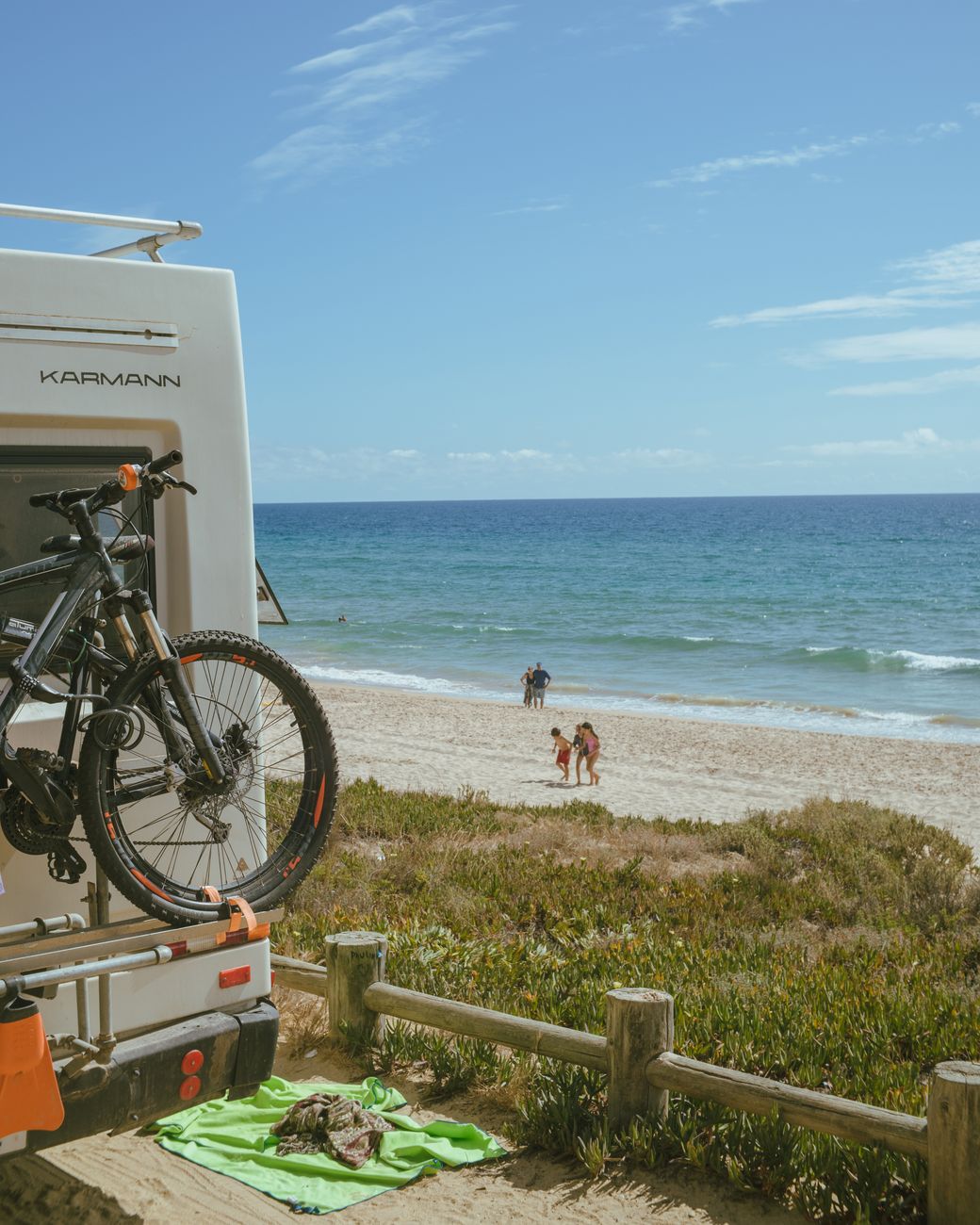
Campervanning in Spain makes an awful lot of sense. You have the wild Atlantic coastline, mountain roads, tiny villages, Mediterranean beaches and enough regional differences in food that you could quite reasonably plan an entire road trip around what you want to eat. Having lived in Spain for years and driven thousands of kilometres around it, I can confirm that this would be a perfectly legitimate approach.
Spain is also not quite as campervan-friendly as those Instagram photos of vans parked alone beside deserted beaches might have you believe. There are rules about where you can stay overnight, local restrictions vary, historic villages were absolutely not designed with modern motorhomes in mind, and parking in Spanish cities can be challenging enough when you’re driving a normal-sized car.
None of that should put you off. Spain is a fantastic country to explore slowly, particularly if you’re willing to deviate from your plans when something catches your attention. Some of my favourite experiences in Spain have happened precisely because I didn’t have much of a plan at all, which is one of the reasons I think travelling here with your accommodation on wheels works so well.
Disclaimer! All of my blogs may contain affiliate links. This means that if you click on the link and make a purchase I may receive a small amount of commission for the referral at no extra cost to you. This commission is what allows me to continue creating guides to help travellers plan their next trip!
What's in this post:
Campervanning in Spain: What to Know Before You Book
Is Spain Good for a First Campervan Trip?
Yes. In fact, I’d argue that Spain is one of the better European countries in which to try campervanning for the first time. The road network is generally excellent, campsites are plentiful, and there’s a well-established network of áreas de autocaravanas: designated areas where motorhomes and campervans can park and, depending on the individual área, access facilities such as fresh water and waste disposal.
Another big advantage is that you don’t need to cover enormous distances to have a varied trip. Spain is far more geographically diverse than many visitors realise, so within a relatively small area you can travel between mountains, vineyards, medieval villages and coastline. Equally, you can throw the itinerary out of the window completely and see what happens. I’ve tried that too, and it remains one of my favourite Spanish road trips.
Why Spain Is a Country Where You Don’t Always Need a Plan
On my first proper road trip through Spain, I didn’t really have an itinerary. Instead, I opened Google Maps, looked for the little viewpoint icons and drove towards whichever one looked interesting. It was not sophisticated travel planning, and I certainly wouldn’t recommend it if you have somewhere specific you need to be on Tuesday afternoon, but it took me to places I might otherwise never have found.
I zigzagged my way down western Spain, discovering Las Médulas (a surreal landscape of jagged red peaks and green forest that looks a little like Spain’s answer to the American Southwest) and falling completely in love with Salamanca along the way. Near Cáceres, I ended up in Monfragüe National Park, one of Spain’s great birdwatching destinations. I somehow got talking to a bird-of-prey expert who spent more than an hour letting me use his monocular to watch griffon vultures before giving me a copy of a book about birds he’d written.
Somewhere in the depths of León, I met the abuela responsible for making the tortilla at a tiny local bar. Somehow, that encounter escalated into an invitation to her home for dinner with her extended family. I couldn’t tell you how I would have planned that experience in advance, which is rather the point. Sometimes having nowhere particularly urgent to get to gives people and places space to surprise you.
Further south, I decided on a whim to go paragliding in Algodonales in Andalucía, which is internationally known for its flying conditions around the Sierra de Líjar. I eventually reached Córdoba and promptly fell in love with that too. None of these experiences had been carefully plotted before I left home, but together they became the reason I remember that trip so vividly.
That’s the kind of freedom a campervan gives you.
You don’t need to travel across half of Spain without a plan as I did, but you can decide to stay another night, follow a road because you’re curious or change direction because somebody you met over lunch told you about somewhere brilliant. For me, that’s far more appealing than treating a road trip as a checklist you need to complete.
What Size Campervan Should You Hire in Spain?
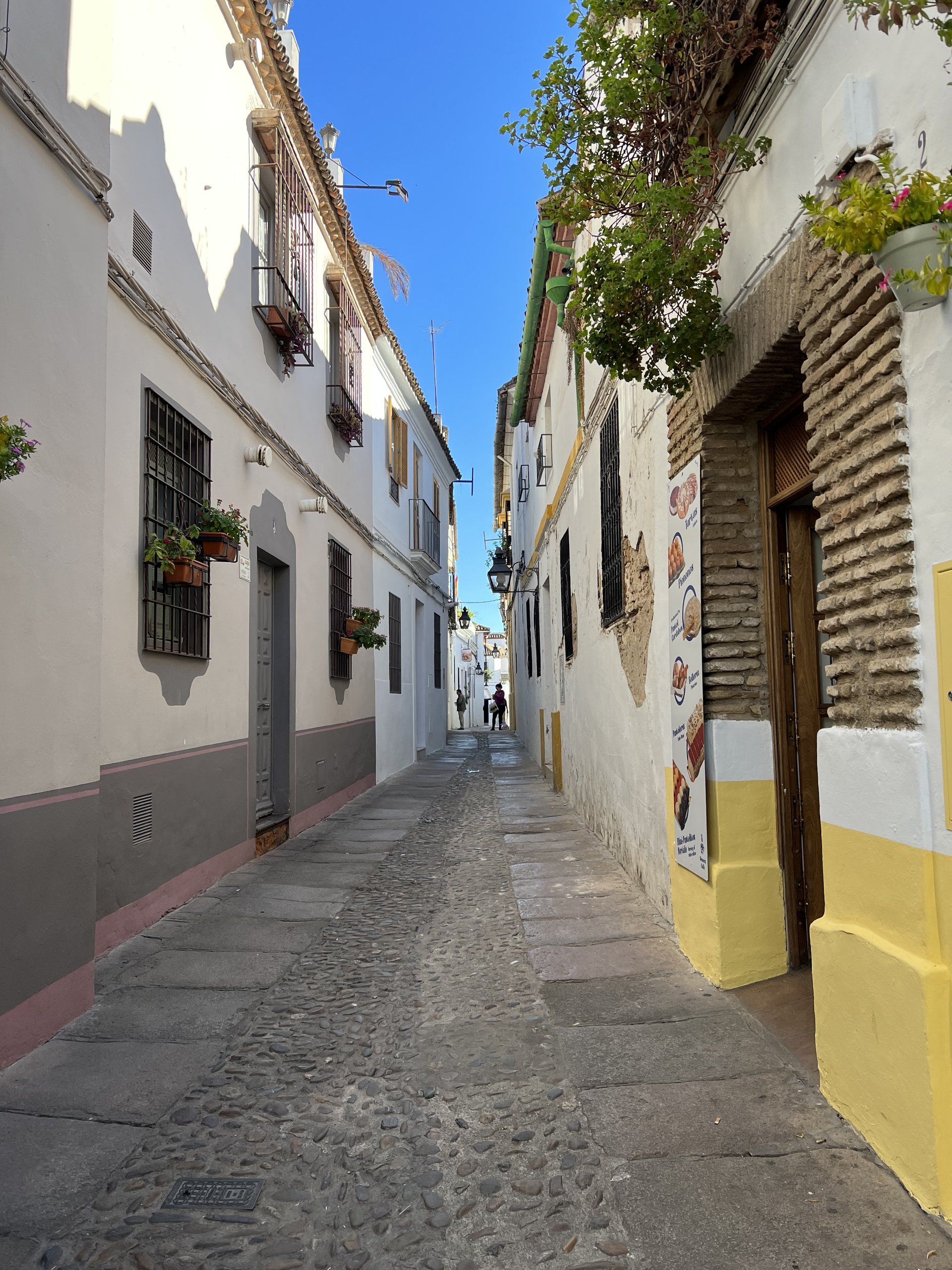
This is one decision where I’d resist the temptation to assume bigger means better. Spain has some fantastic roads, but it also has villages where I occasionally find myself wondering whether my perfectly ordinary-sized car is going to fit through a street. Add another metre or two of vehicle behind you and suddenly that picturesque medieval village isn’t feeling quite so charming.
For two people, a compact campervan of around six metres or less will usually give you considerably more freedom. You’ll have more parking options, navigating villages will be easier, and you’ll be less likely to find yourself reversing slowly back down a narrow street while several elderly Spanish residents watch the proceedings with great interest. Believe me, they will watch.
A larger coachbuilt motorhome, roughly six to 7.5 metres long, gives you more living space and often a proper bathroom, which may be worth the compromise if you’re travelling for longer. However, you’ll need to think more carefully about parking, narrow roads and where you can realistically take it. Vehicles weighing more than 3.5 tonnes may also be subject to different licence and driving requirements.
Height is surprisingly easy to overlook when you’re comparing beds and kitchen layouts online. Underground and multi-storey car parks are common in Spanish towns and cities, and many have height restrictions that immediately rule out campervans. Also check the transmission: manual vehicles remain extremely common in Spain, while automatics are available in smaller numbers. Filtering by transmission on Campstar makes finding one considerably easier, but I’d still book early.
Where Can You Sleep When Campervanning in Spain?
This is probably the most important thing to understand before campervanning in Spain because parking your campervan and camping in your campervan are not necessarily the same thing. You’ll often see two Spanish terms used when discussing the rules: pernocta, referring to spending the night, and acampada, meaning camping. Understanding the difference can save you from inadvertently breaking local regulations.
Spain’s DGT updated its guidance concerning motorhomes and campervans in March 2026. Broadly, if your vehicle is legally parked and nothing extends beyond its normal footprint, it remains parked. Start putting out awnings, tables or chairs and you’re no longer simply parking. There are additional details to the rules, so don’t reduce the distinction to sleeping versus not sleeping.
The complication is that local councils can impose restrictions of their own, particularly in popular tourist destinations and coastal areas. Never assume that because you spent the night somewhere without a problem in Asturias, you can do exactly the same thing when you reach Cantabria. Check local signs wherever you park, because those are considerably more useful than what somebody on Facebook remembers being allowed three summers ago.
Campsites
Campsites are the simplest option if you want proper facilities or plan to stay somewhere for several nights. Spain has plenty of them, ranging from basic sites to large holiday parks, with facilities typically including showers, electricity and water. They’re obviously more expensive than parking overnight, but sometimes having a proper shower and being able to put your chairs outside without studying municipal regulations is worth paying for.
Áreas de Autocaravanas
Spain also has a network of áreas de autocaravanas specifically intended for motorhomes and campervans. Facilities vary enormously: some are little more than designated parking, while others provide fresh water and places to dispose of waste. They can be free or paid and are particularly useful when you’re travelling between destinations and simply need a practical, legal place to stop for the night.

Campspace and Staying on Private Land
One of my favourite campervan stays in Spain wasn’t a campsite or an área at all. We found a farmer in Galicia offering space on his land through Campspace and ended up parked in a field surrounded by countryside and complete peace. We had access to facilities in the family’s home, but what made it memorable was how genuinely welcome we felt.
Campspace connects campers and campervanners with private hosts offering places to stay, from farms and gardens to small rural properties, and there are options across Spain. Our experience reminded me of what Airbnb felt like in its early days: less like anonymously booking somewhere to sleep and more like being welcomed onto somebody’s property. Except, obviously, you’re bringing your own bedroom with you.
I wouldn’t necessarily use this kind of stay every night, but I’d actively look for a couple during a campervan trip. You get the reassurance of knowing you have somewhere arranged to stay, while potentially having a much more personal experience than you’d get at a conventional campsite. That little farmer’s field in Galicia was incredibly simple, but it remains one of my favourite places we’ve parked up.
Public Parking
You may also be able to spend the night inside a legally parked campervan where local regulations don’t prohibit it, provided you’re complying with the relevant parking rules. Apps such as Park4Night can be useful for finding places other campervanners have used, but I’d still check the signs when you arrive rather than treating an app review from somebody called VanLifeDave92 as legally binding.
What Should You Know About Driving a Campervan in Spain?
If you’ve never driven in Spain before, there’s nothing particularly terrifying about it, but there are a few peculiarities worth knowing about. I’ve covered them properly in my Driving in Spain Guide, including Spanish road rules, speed limits and the slightly baffling fact that nobody seems to agree on how a roundabout should be used. After years of living here, I’m still not entirely convinced anyone knows.
The road network itself is excellent and, outside the major cities, driving can be wonderfully easy. The bigger adjustment with a campervan is remembering that you’re probably wider, taller and longer than whatever you normally drive, which becomes rather more relevant once you leave the motorway. Add narrow village streets, underground car parks and the occasional enthusiastic interpretation of roundabout etiquette, and a little preparation goes a long way.
Do You Need an International Driving Permit?
If you’re travelling from the US, check the current requirements for an International Driving Permit before you leave and, if required, arrange it before travelling. UK licence holders visiting Spain generally don’t need an International Driving Permit for a short visit, although driving licence requirements can change and your rental company may have additional conditions, so this is something I’d confirm before booking.
Are There Toll Roads in Spain?
Several Spanish motorways that previously charged tolls are now free, but toll roads haven’t disappeared completely. Depending on your route and vehicle, avoiding them can sometimes save a reasonable amount of money. Just look at the alternative before blindly selecting “avoid tolls” on your navigation app, because saving €8 becomes considerably less satisfying when your new route involves a never ending 30 km per hour limite and another two hours of driving.
Can Campervans Enter Spanish City Centres?
A growing number of Spanish cities operate Zonas de Bajas Emisiones (ZBE), or low-emission zones, and you need to check the requirements for the cities on your route. Restrictions can vary, and foreign-registered vehicles may have different registration requirements. In many cases, I’d avoid taking a campervan into a historic city centre anyway and use public transport or walk in from an appropriate parking area.
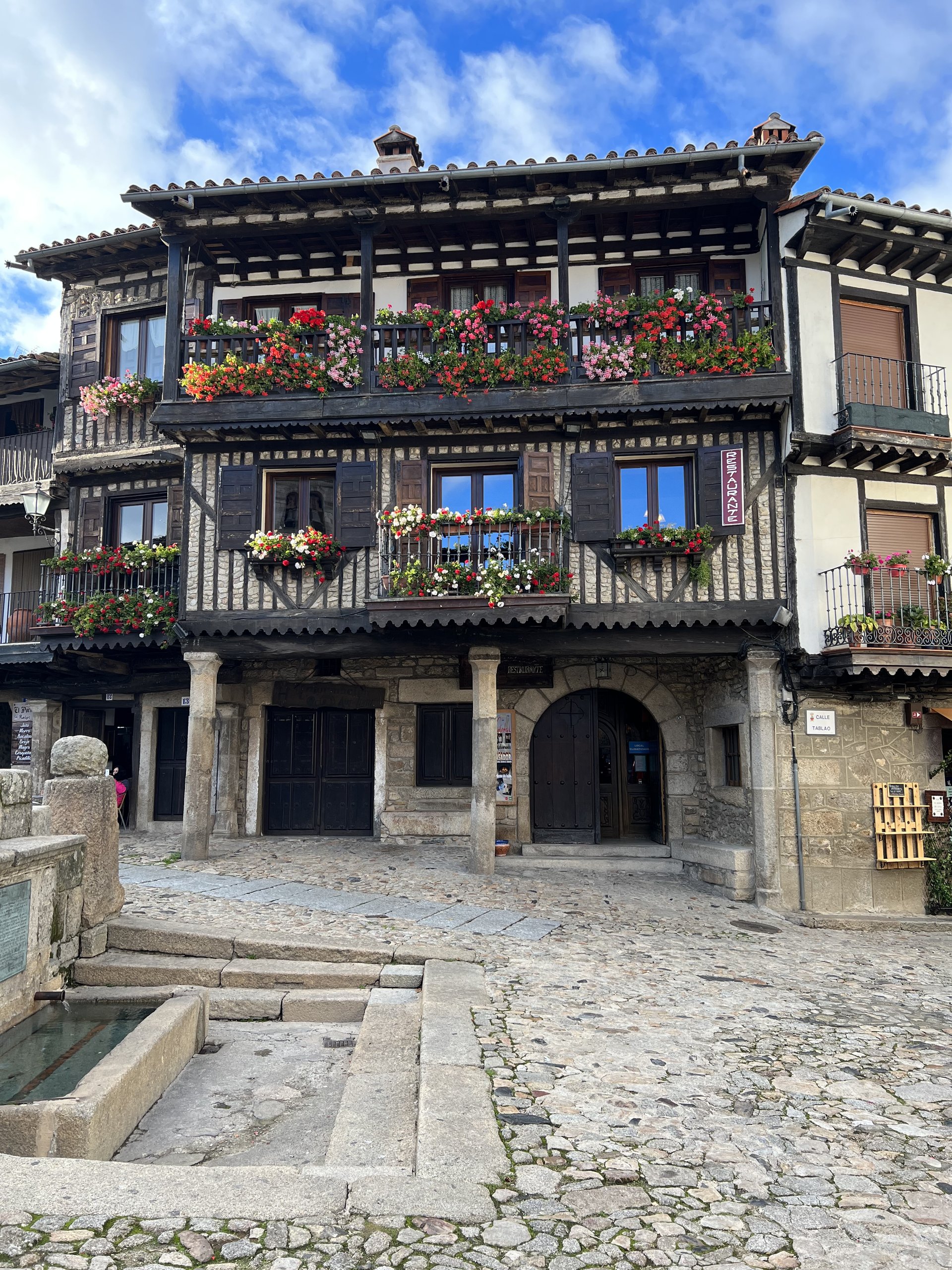
Spanish old towns were built long before anyone contemplated a seven-metre motorhome, and they have not subsequently rearranged themselves for our convenience. Even when you’re technically allowed to drive somewhere, that doesn’t necessarily mean doing so will improve your holiday. Bilbao and San Sebastián both have good public transport, for example, so there is little reason to wrestle a campervan through the centre.
What Are Mountain Roads Like in Spain?
Some of Spain’s best scenery comes with interesting roads. Northern Spain in particular is mountainous, and you’ll encounter narrow lanes, steep gradients, cyclists and the occasional large coach appearing around a corner at precisely the moment you’d rather it didn’t. It’s another very good argument for choosing the smallest campervan that comfortably works for you rather than automatically booking the biggest vehicle you can afford.
Where Should You Go on Your First Campervan Trip in Spain?
You could take this in almost any direction. My first big Spanish road trip zigzagged south through western Spain with Google viewpoint icons providing a questionable but surprisingly successful navigation system. If that appeals to you, embrace it. Spain has far more to offer than its coastline, and having a campervan gives you an excellent excuse to explore the places between the famous stops.
But you don’t have to go that far afield. If you’re planning your first campervan trip, I’d actually recommend concentrating on one region. I’m completely biased, but I’d head north. I grew up in the Basque Country and now live in northern Spain, while Steve’s campervanning adventures before my time apparently involved working his way along pretty much every surfing beach on Spain’s north coast.
There’s another important advantage if you’re travelling during summer: temperature. While much of inland and southern Spain can become extremely hot in July and August, the Atlantic north generally remains considerably more comfortable. That doesn’t mean guaranteed sunshine, there is a reason everything up here is so beautifully green, but I’d much rather deal with occasional rain in a campervan than try sleeping in one during a 40°C heatwave.
If you want to turn this section into an actual route, I’ve already put together my Northern Spain Road Trip Itinerary, which goes into considerably more detail about where I’d stop and how I’d put the journey together. Use it as a framework rather than a timetable. The entire advantage of having your accommodation with you is being able to change your mind occasionally.

From our most recent trip to Galicia, Summer 2026
Bilbao and the Basque Coast
Bilbao makes a logical starting point, but don’t collect your campervan and immediately race towards San Sebastián. The coastline between the two deserves time of its own, with fishing villages, surf beaches and dramatic cliffs. Places such as Lekeitio, Mundaka and Bermeo can easily turn what looks like a short drive on Google Maps into an entire day, which is exactly how I’d approach it.
If you’re planning to visit San Juan de Gaztelugatxe, check the current access and booking arrangements before going and think carefully about where you’ll leave a larger vehicle. It’s one of the Basque Country’s best-known attractions and parking is controlled. Campervanning works best when you accept that sometimes the sensible parking space is further away and your feet are going to have to do the rest.
You could also quite happily spend your entire trip here rather than continuing west. My Basque Country Itinerary covers the places I’d prioritise and how I’d put them together, particularly if you only have five to seven days. One of the biggest mistakes people make with northern Spain is assuming they need to cover all of it. You really don’t.
San Sebastián
San Sebastián is somewhere I’d absolutely visit and somewhere I absolutely wouldn’t want to explore by campervan. Find an appropriate place to leave the vehicle outside the centre and head in on foot or by public transport. Once you’re there, your main responsibility is eating, which fortunately happens to be one of the things San Sebastián does exceptionally well.
I’ve put together a guide to the best pintxo bars in San Sebastián, and I’d recommend building at least one evening around hopping between several bars rather than sitting down for one enormous meal. Having your accommodation parked elsewhere also means nobody has to volunteer to drive afterwards, although as someone who doesn’t drink, I realise I’m usually the person everyone looks at at this point.

Cantabria
Continue west into Cantabria for places such as Santillana del Mar and Comillas, alongside a coastline full of beaches that receive far less international attention than their Mediterranean counterparts. This is where having a campervan really starts to make sense, because you don’t need a packed itinerary. Choose a few places you definitely want to see and leave enough time to stop when somewhere unexpectedly catches your attention.
I’d resist trying to collect destinations simply because they’re nearby. Northern Spain rewards slowing down, and many of the places you’ll remember won’t necessarily be the ones that appeared on your original itinerary. A small beach, a village market or an exceptionally good lunch can quite happily destroy the day’s schedule. As far as I’m concerned, that’s a successful road trip rather than poor planning.
Picos de Europa
Then turn inland. The Picos de Europa completely change many visitors’ perception of northern Spain: these are proper mountains despite being remarkably close to the coast. Fuente Dé and its cable car are among the best-known attractions, while the Ruta del Cares is one of Spain’s classic mountain walks if you want to swap four wheels for two feet for a day.
This is also where everything I said about vehicle size becomes particularly relevant. Mountain roads, tiny villages and enormous motorhomes aren’t always natural friends, so check your route rather than blindly following your satnav. The fastest route according to technology isn’t necessarily the route I’d choose when driving an unfamiliar campervan, particularly if another perfectly good road takes slightly longer and requires considerably less swearing.
Asturias and Galicia
With more time, continue through Asturias towards Galicia. Ribadesella and Cudillero make lovely stops along the way, and eventually you can reach Praia das Catedrais on Galicia’s northern coast. Steve’s previous campervan trips have taken him along the surfing beaches of this coastline, while Galicia is also where we had that wonderfully simple Campspace stay on a farmer’s land.
For the entire Bilbao-to-Galicia journey, I’d ideally allow around ten days. With seven, I’d probably finish in Asturias rather than cramming Galicia into the itinerary as well. With five days, stick to the Basque Country and Cantabria and enjoy them properly. Trying to “see more” by driving constantly usually results in experiencing considerably less, which rather defeats the purpose of hiring a campervan.

When Is the Best Time for Campervanning in Spain?
There isn’t one best month for campervanning in Spain because the climate varies enormously depending on where you’re going. For northern Spain, May, June and September would be my first choices. Temperatures are generally pleasant, destinations are quieter than during the peak Spanish summer holidays, and you have a better chance of finding campsites without planning every overnight stop months in advance.
July and August are peak season and the north remains one of Spain’s most comfortable regions temperature-wise, but don’t mistake cooler weather for quiet roads. Spanish families are also on holiday, coastal destinations become busy and campsites can fill up. If you’re travelling during these months, I’d give yourself flexibility while still booking anything you absolutely don’t want to miss.
Autumn and winter change the equation completely. Andalucía and the Mediterranean coast become far more appealing once the intense summer heat has gone, while northern Spain becomes cooler and wetter. I’ve written separately about some of the best places to visit in Europe in October, and I think northern Spain is often unfairly overlooked once September ends.
Just remember there is a reason our landscapes are so green. Before travelling, check AEMET, Spain’s official meteorological service, rather than relying solely on a generic weather app. Pay particular attention to wind and severe-weather warnings when you’re driving a tall vehicle, especially along exposed stretches of the Atlantic coast or through mountainous areas.
How Do You Book Camper Hire in Spain?
There isn’t one obvious company to book with, which can make the process slightly overwhelming. Spain has large international campervan companies, smaller regional operators and peer-to-peer rentals, and the price for apparently similar vehicles can vary considerably. Before getting excited about the cheapest option, look at what you’re actually getting, because campervan rental prices become rather less attractive when half the things you need are additional extras.
A comparison platform can make that initial search easier. Campstar allows you to compare and book different options for camper hire in Spain, including factors such as vehicle size, transmission, number of berths and pet policies. Even if you’ve already decided what route you want to drive, I’d compare several vehicles before booking because the right van can make a significant difference to the trip.

What Should You Check Before Booking a Campervan?
Start with the mileage allowance. Work out roughly how far your planned route involves and check what you’ll pay if you exceed the included kilometres. Unlimited mileage sounds unnecessary until you realise that the little detours are one of the main reasons you hired a campervan in the first place, so don’t choose an allowance based only on the shortest possible version of your route.
Next, look at the deposit and insurance excess. Campervan deposits can be considerably larger than people expect and may need to be held on a credit card, so check both the amount and how it’s taken. Understand what the insurance actually covers too, including whether things such as tyres, windscreens, the roof and underbody are excluded from standard protection.
If you’re collecting the campervan in one city and returning it somewhere else, check one-way fees before designing the entire trip around that idea. A Bilbao-to-Málaga road trip might look fantastic on paper, but dropping the vehicle hundreds of kilometres from where you collected it can add considerably to the price or simply not be available with your chosen supplier.
Finally, check what’s included. Bedding, towels, camping chairs, gas, kitchen equipment and additional drivers can be standard with one company and paid extras with another. You should also check minimum driver ages and young-driver supplements. Compare the final price for the trip you actually want rather than the big attractive number that first appeared in the search results.
Is Campervanning in Spain Worth It?
For the right kind of trip, absolutely. If you want to spend a week in one city or resort, hiring a campervan probably adds expense and inconvenience you don’t need. But if you want to explore several places, change your plans as you go and have the freedom to stay longer somewhere because you unexpectedly love it, Spain is exceptionally well suited to that style of travel.
My favourite road-trip memories aren’t really about the driving. They’re an abuela’s tortilla in León, watching vultures through a stranger’s monocular in Monfragüe, unexpectedly falling for Salamanca and Córdoba, launching myself off a mountain in Andalucía, and parking in a farmer’s field in Galicia. The vehicle simply gave me the freedom to get from one unexpected experience to the next.
That’s why I’d resist treating a campervan as a way to cram more places into your holiday. Use it for the opposite reason. Drive less, stop more, understand the local parking rules and leave enough gaps in the itinerary for Spain to interfere with your plans. In my experience, it has a rather wonderful habit of doing exactly that.

Comments will load here
Be the first to comment